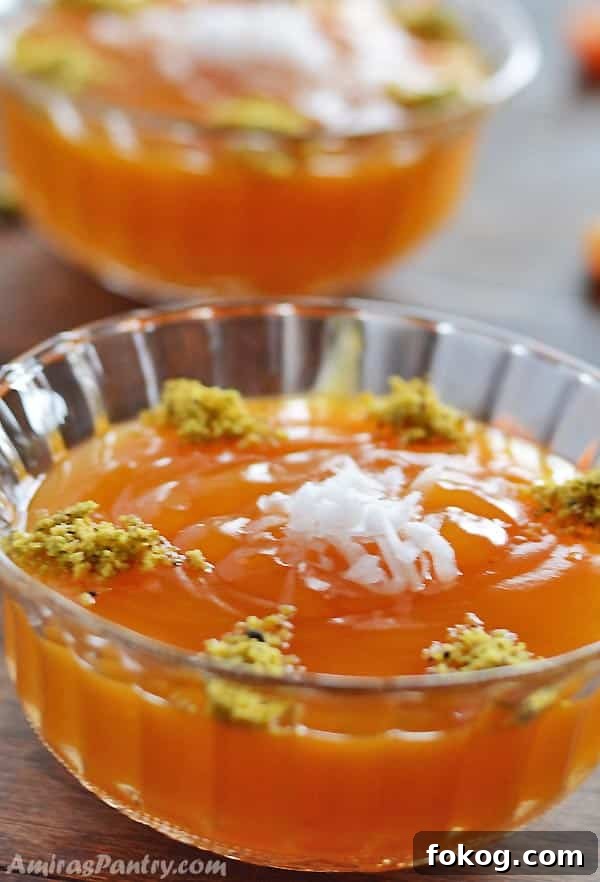
Amar al deen pudding, also called qamar al deen or qamar aldeen mohalabeya, is a velvety apricot pudding—creamy, fragrant, and easily sweetened to taste. It’s a beloved Ramadan dessert that appears on many iftar tables.
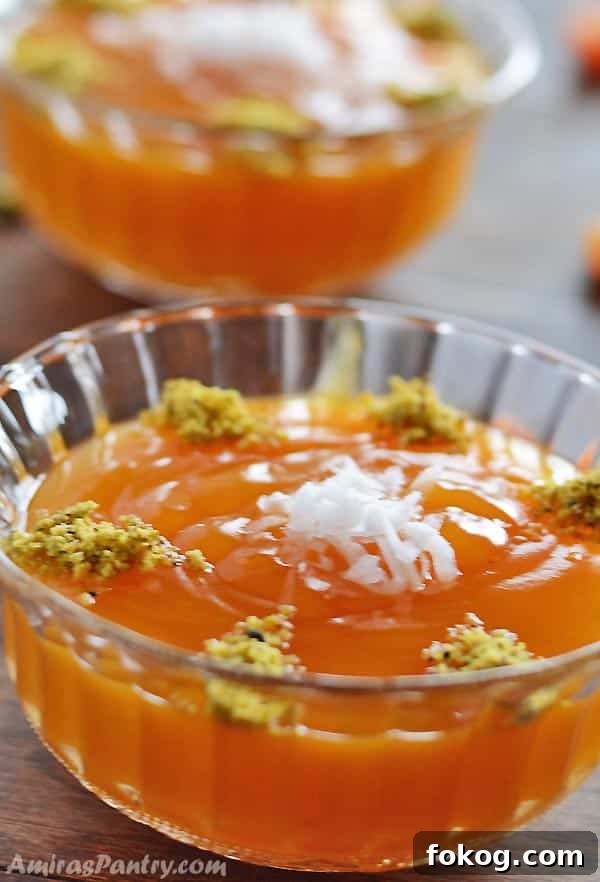
Qamar al deen comes in several forms throughout Ramadan. With the holy month approaching, this classic pudding is a perfect introduction to the flavors of apricot leather. If you’ve followed along before, you may already know how to make the paste and the drink—this recipe turns that rich apricot base into a smooth pudding.
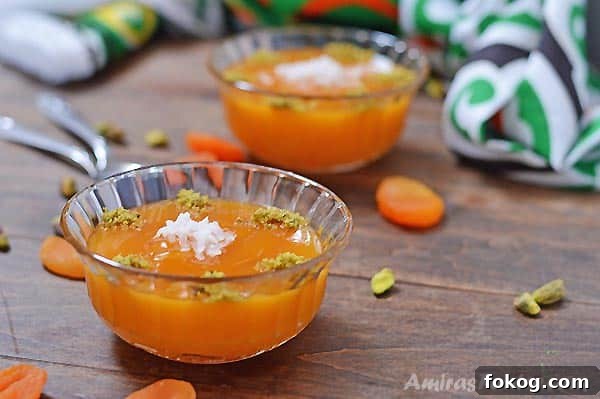
I love apricots, though it’s harder to find the deeply sweet, fragrant fruit these days. Many modern apricots lack that syrupy sweetness I remember from childhood, when the fruit oozed sugary juice and disappeared quickly from the fruit bowl.
The best qamar al deen paste is traditionally made in Syria; Syrian producers are known for high-quality, concentrated apricot roll-ups. You can find these in Middle Eastern stores or make the paste at home. When my mother made the paste, my sisters and I would sneak bites of the leather—personally I loved eating the concentrated paste even more than the drink it makes.
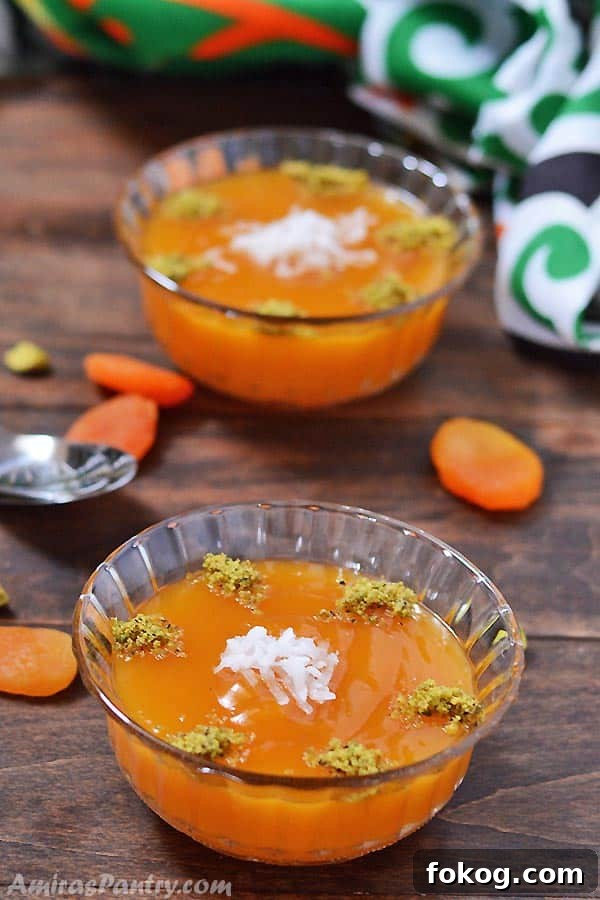
This pudding is easiest when you make juice from qamar al deen paste and use that as the base. If you prefer a shortcut, a good-quality apricot juice will also work—just note that many store-bought apricot drinks are less concentrated than homemade paste juice, so you may need to taste and adjust the sugar.
Below you’ll find a straightforward method to make this refreshing pudding.
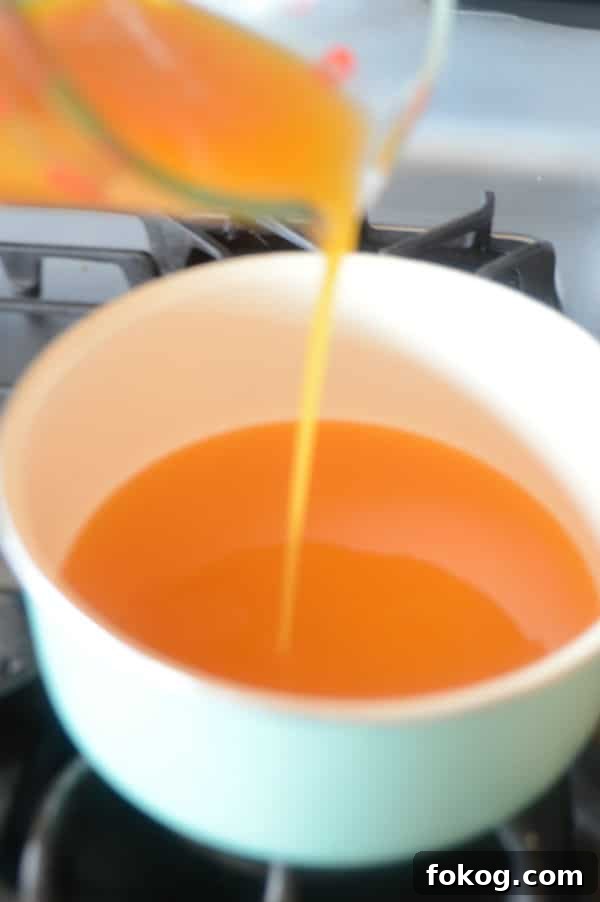
Pour most of the qamar adeen juice into a deep pot and heat it over medium until it reaches a gentle boil.
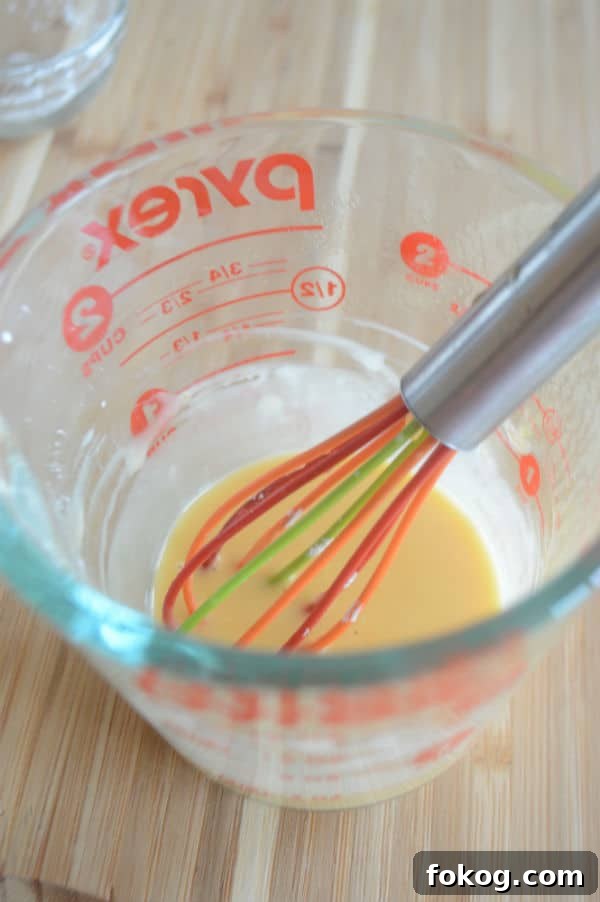
Mix the cornstarch with the remaining juice until smooth and lump-free.
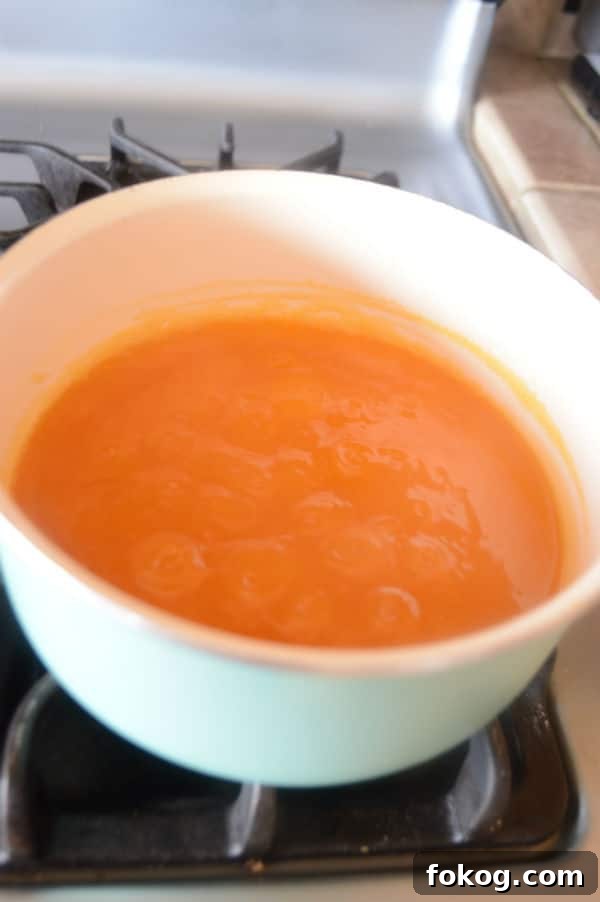
Slowly pour the cornstarch mixture into the hot juice while stirring constantly. Keep stirring until the mixture thickens, then remove from heat and pour into individual serving dishes.
Garnish with chopped nuts, coconut flakes, or raisins, or serve plain. Traditional Middle Eastern puddings are typically thickened with cornstarch or flour and do not use eggs, resulting in a smooth, dairy-free texture that highlights the apricot flavor.
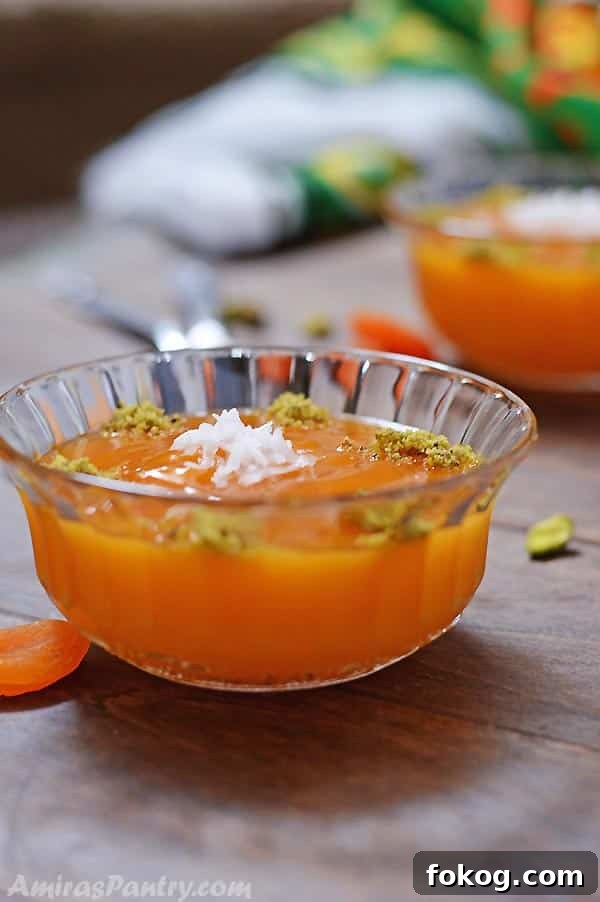
Tangy, sweet, and fragrant, qamar al deen mohalabeya is especially refreshing when chilled.
Related Recipes
- Kunafa is a classic Middle Eastern dessert made with shredded phyllo, a creamy filling, and sweet syrup. It’s a festive favorite for special occasions.
If you try this pudding, I’d love to see your result—snap a photo and tag your creation with #amiraspantry on social platforms.
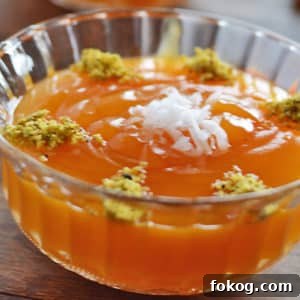
Qamar addeen pudding
Print
Pin
Rate
Save
Ingredients
- 2 cups ready-made qamar addeen juice
- 2 Tablespoon cornstarch
- Nuts and coconut flakes for garnishing optional
Instructions
-
In a deep pot over medium heat, pour 1 ¾ cups of the juice and bring to a gentle boil.
-
Meanwhile, dissolve the cornstarch in the remaining ¼ cup of juice until smooth and lump-free.
-
Reduce heat to medium-low, then gradually whisk in the cornstarch mixture, stirring continuously.
-
Simmer until thickened, about 3 minutes, then remove from heat.
-
Pour into serving dishes and garnish with nuts or coconut flakes.
-
Serve chilled or at room temperature.