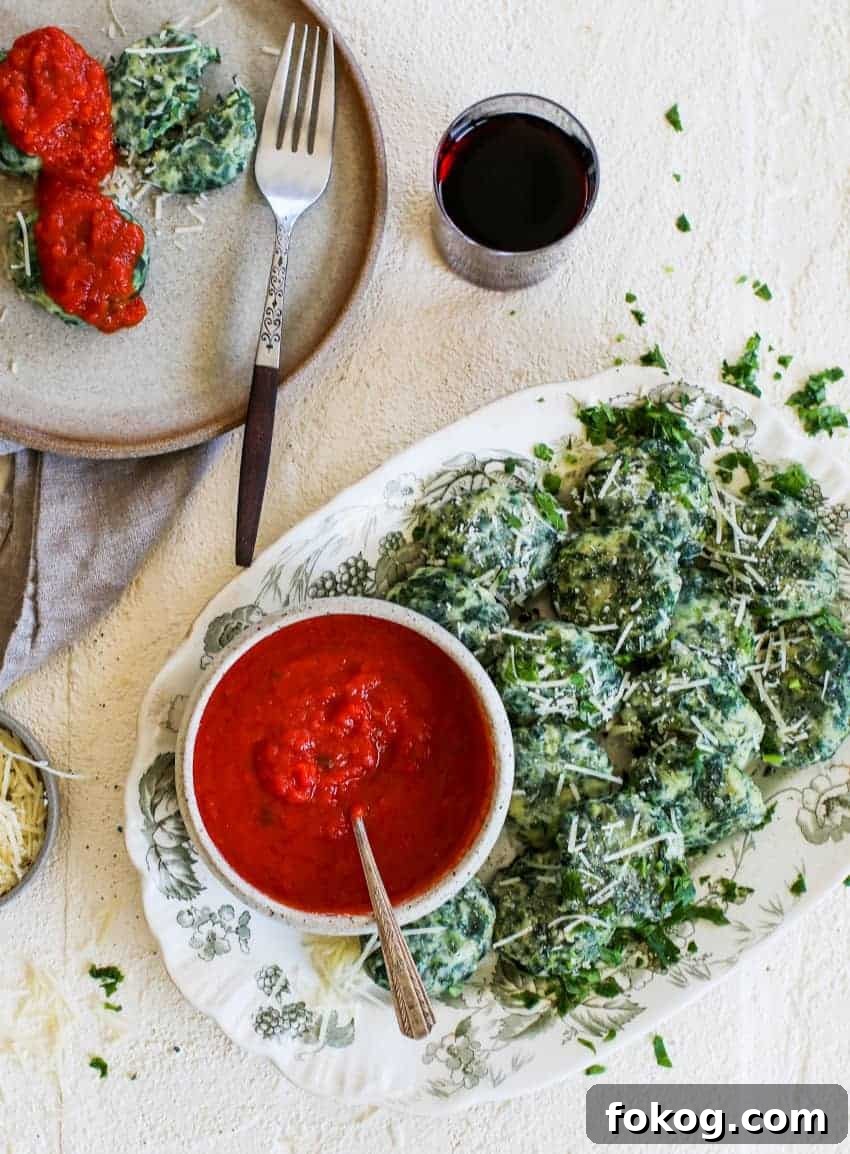
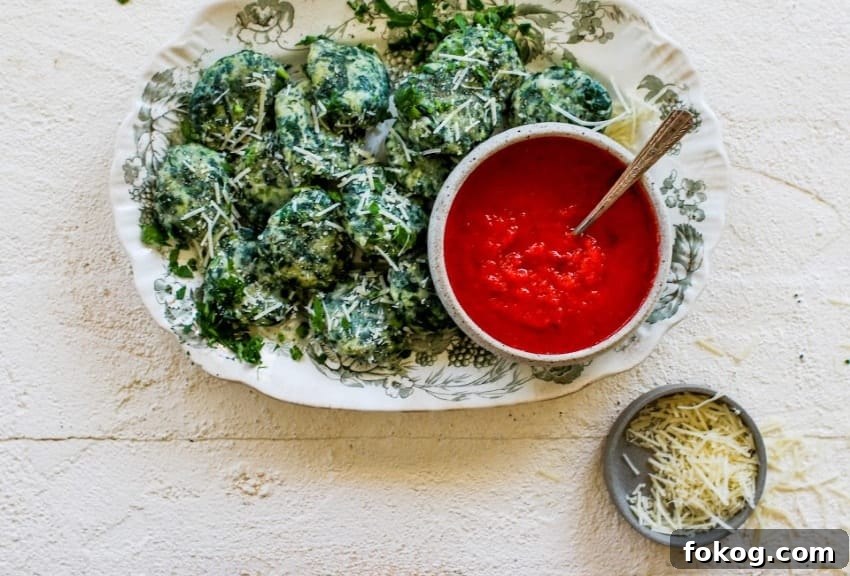
This gnudi recipe is easy to make and quickly becomes a family favorite. Light dumplings made from ricotta and spinach taste like the soft center of a ravioli but are far simpler to prepare. The Italian name comes from nudo or nudi, meaning “naked,” which perfectly describes these ravioli-free pillows.
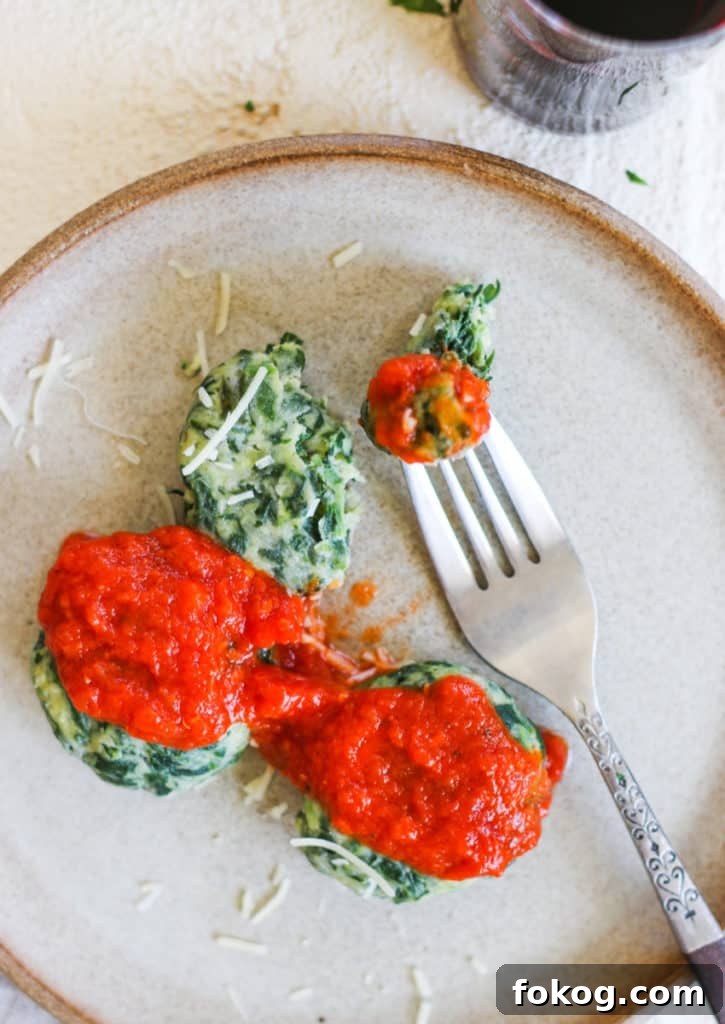
How to serve gnudi
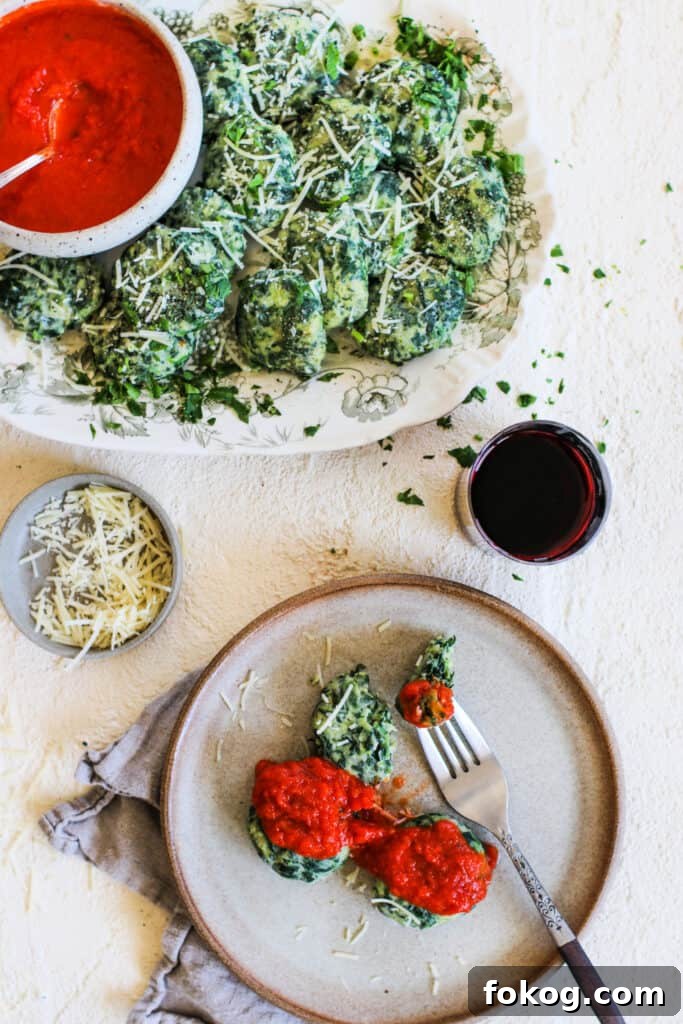
These tender dumplings are delicious simply dressed with a spoonful of marinara or with a brown-butter and sage sauce. Gnudi also pair nicely with a light pesto or a drizzle of extra-virgin olive oil and shaved Parmesan. Serve them immediately after cooking for the best texture and flavor.
Making brown butter gnudi
For brown butter and sage: warm 6 tablespoons of butter in a large skillet over medium heat. Add two whole sage leaves and cook, stirring, until the butter develops brown flecks and a nutty aroma—watch carefully so it doesn’t burn. Remove the whole leaves, add 2–3 sliced sage leaves, 1 teaspoon lemon juice and a pinch of red pepper flakes, return to low heat and stir to combine. Spoon the finished brown butter over cooked gnudi just before serving.
About the ingredients
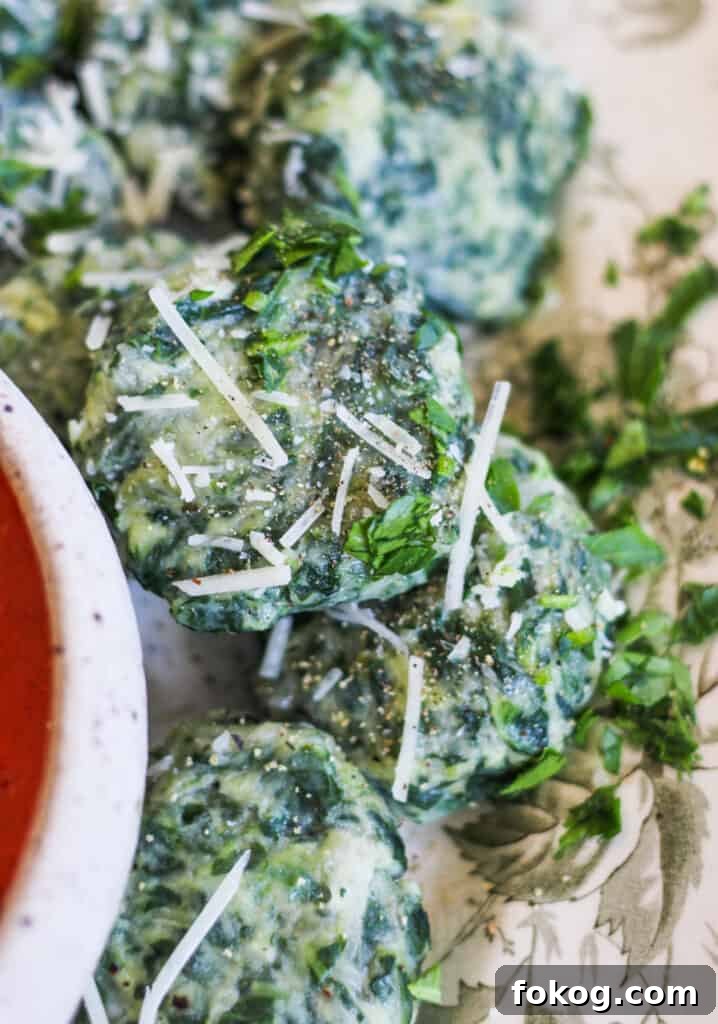
Gnudi turn out best with fresh whole-milk ricotta and properly drained spinach. Fresh spinach is ideal, but frozen works fine if it is fully thawed and squeezed dry—any excess moisture will make the dough too loose. Parmesan adds savory umami and depth, and a small amount of nutmeg brightens the filling the way it does in many ricotta-based preparations.
Ingredients
- 1 cup whole-milk ricotta cheese
- 2 bunches fresh spinach, sautéed, drained and chopped — OR — 1 lb frozen spinach, thawed and squeezed dry
- 1 cup grated Parmesan
- 2 eggs
- 2 egg yolks
- ¼ teaspoon freshly grated nutmeg
- 2 teaspoons salt, plus more to taste
- 1 teaspoon freshly ground black pepper
- 6 tablespoons GF flour blend or standard all-purpose flour, plus about 1 cup for coating
- 1 teaspoon xanthan gum or a gum-free baking binder if your gluten-free blend requires a binder
- Marinara or brown butter, for serving
Choosing flour and binders
If you make these gnudi gluten-free, use a gluten-free flour blend that already includes a binder, or add a small amount of xanthan gum or a gum-free binder if needed. The original version of this recipe was developed with a coconut-and-rice GF blend that did not include a binder, so xanthan was added. If you use standard all-purpose flour, no additional binder is necessary.
These dumplings are lighter than potato gnocchi thanks to the ricotta base, producing a pillowy texture that pairs beautifully with simple sauces.
Recipe for Gnudi: Homemade Spinach & Ricotta Dumplings
This recipe makes tender, spinach-and-ricotta dumplings that are excellent with marinara or brown butter. It’s approachable for weeknight cooking and also elegant enough for guests.
Ingredients
- 1 cup whole-milk ricotta cheese
- 2 bunches fresh spinach, sautéed, drained & chopped — or 1 lb frozen spinach, thawed and squeezed dry
- 1 cup grated Parmesan
- 2 eggs
- 2 egg yolks
- ¼ tsp freshly grated nutmeg
- 2 tsp salt
- 1 tsp freshly ground black pepper
- 6 tbsp GF flour blend or AP flour, plus 1 cup for coating
- 1 tsp xanthan gum (only if your GF blend needs a binder)
- Marinara sauce or brown butter, heated, for serving
Instructions
- In a large bowl, combine the ricotta, prepared spinach, grated Parmesan, eggs and egg yolks. Stir in the nutmeg, salt, pepper, xanthan gum if using, and 6 tablespoons of flour. Mix until uniform. Chill the mixture for 20–30 minutes; chilling firms the dough and makes it easier to shape.
- Place the remaining cup of flour in a medium bowl for dredging.
- Remove the chilled gnudi mixture from the refrigerator. Form small, slightly flattened balls with damp hands. Dredge each formed gnudi in the flour to coat, tapping off excess.
- Bring a large pot of salted water to a rolling boil.
- Working in batches to avoid overcrowding, gently slide the gnudi into the boiling water. They will sink at first and then float; cook for about 4 minutes after they float. Use a slotted spoon to remove the cooked gnudi and transfer to a serving platter.
- Dress the gnudi with warmed marinara or brown butter and sage. Top with shaved Parmesan if desired and serve immediately.
Notes
Gnudi are best served right after cooking, when they are tender and pillowy. If your gluten-free flour blend does not contain a binder, add the xanthan gum or an equivalent gum-free binder to help the dumplings hold together.
Nutrition (per serving)
Calories: 352 kcal · Carbohydrates: 18 g · Protein: 27 g · Fat: 21 g · Saturated Fat: 11 g · Cholesterol: 233 mg · Sodium: 1788 mg · Fiber: 5 g · Sugar: 2 g · Calcium: 604 mg · Iron: 6 mg · Vitamin A: 16679 IU · Vitamin C: 48 mg
Photos: Meg van der Kruik
Love this gnudi recipe? Try these next
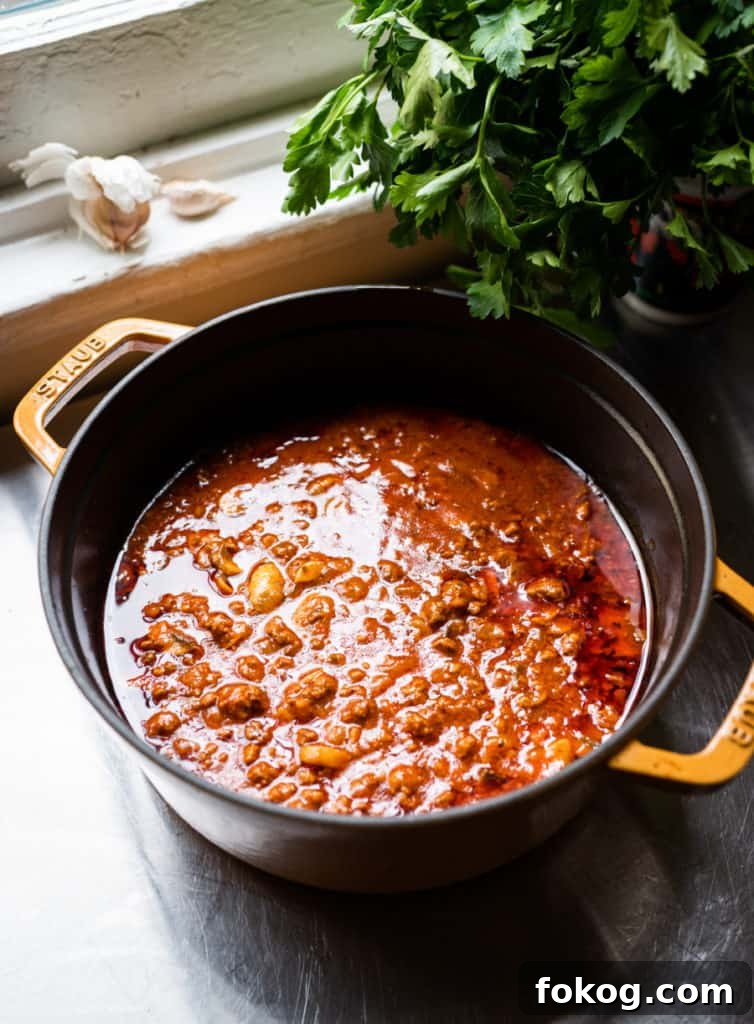
Meat Sauce: the start of everything good
Every family has a beloved sauce. A hearty meat sauce is a great companion for gnudi when you want a richer meal: simmered tomatoes and savory meat lend depth and make the dumplings feel substantial.
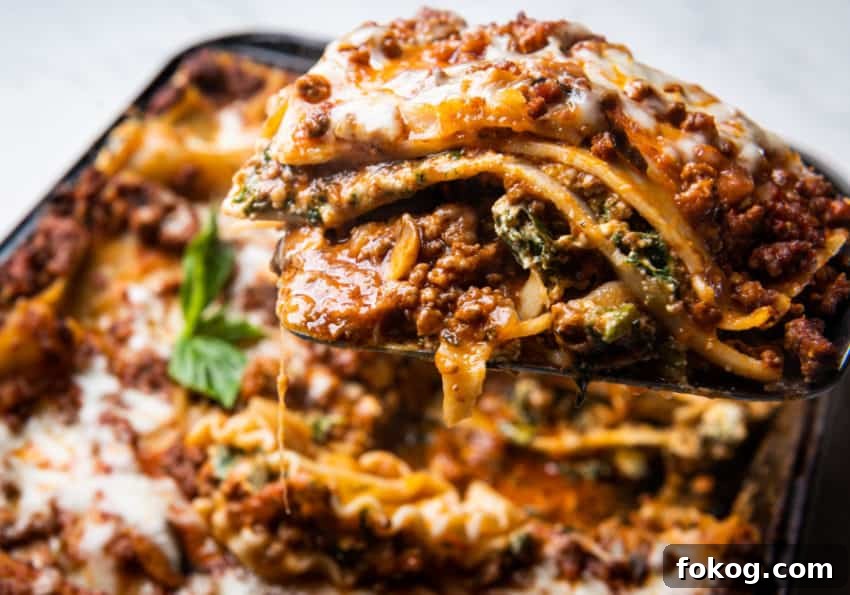
Homemade Lasagna
Once your sauce is ready, consider layering it into a homemade lasagna. You can make or buy pasta sheets; a homemade lasagna is a comforting follow-up to delicate ricotta dumplings.
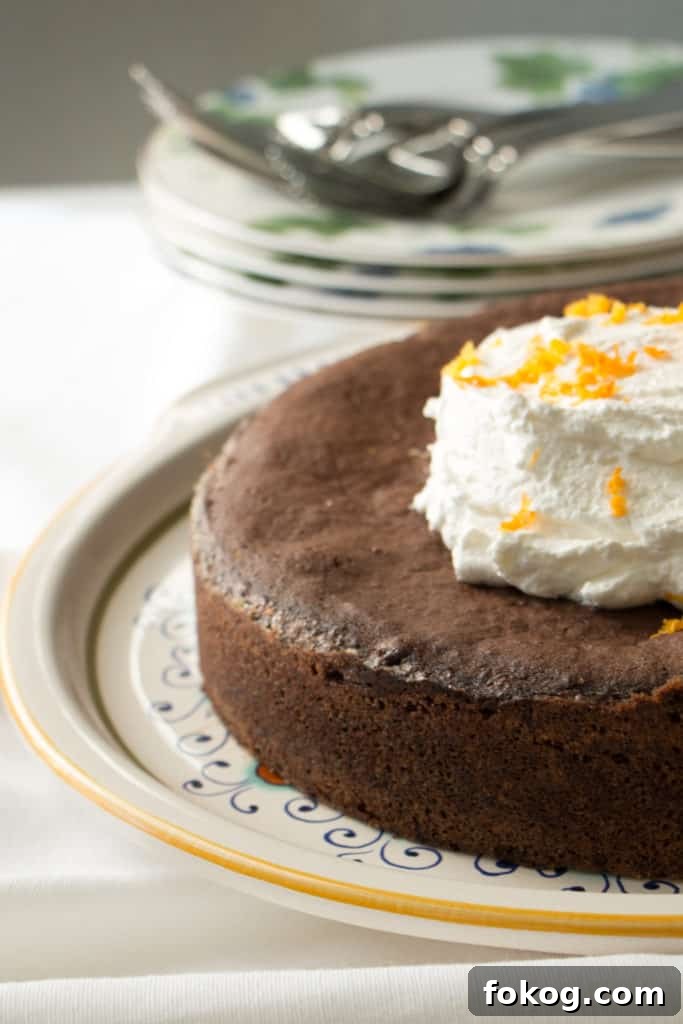
Torta Gianduia (Chocolate Hazelnut Cake)
If you want to finish the meal with a classic Italian dessert, a chocolate-hazelnut torta is rich, flourless, and deeply satisfying. It pairs well with a lighter first course such as gnudi.
Frequently Asked Questions
Gnudi are Italian dumplings made primarily from ricotta cheese, often combined with spinach and a small amount of flour. They are essentially “naked ravioli,” light and pillowy in texture.
Both are small dumplings served like pasta, but the ingredients differ. Gnudi are ricotta-based (sometimes with greens or herbs) and use less flour, while traditional gnocchi are potato-based. Gnocchi that contain ricotta alone are still considered a potato-free variant but are typically named by their specific ingredients.
Use a gluten-free flour blend in place of all-purpose flour. For best results, use a GF blend that includes a binder or add a small amount of xanthan gum or an alternative binder to help the dumplings hold their shape.