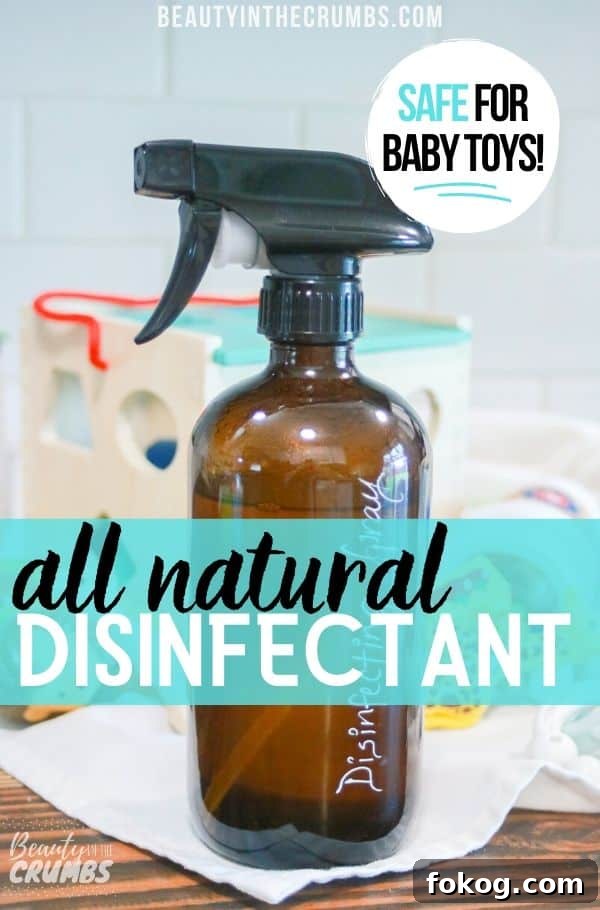
A Powerful Homemade Antibacterial Spray
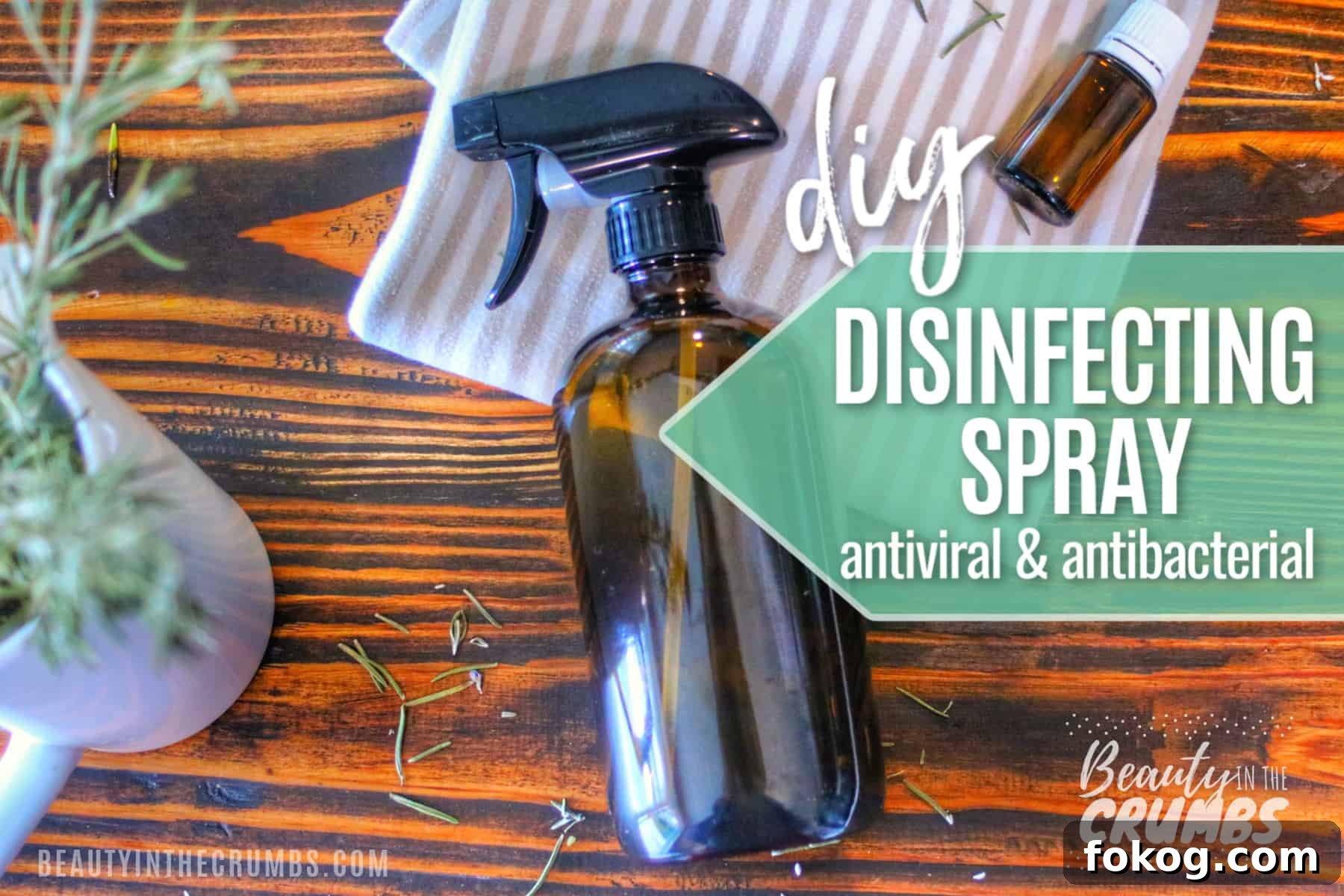
Learn how to make an all-natural, inexpensive, and effective DIY disinfecting spray. This versatile homemade antibacterial spray can be adapted into antiviral versions using ingredients like essential oils, white vinegar, hydrogen peroxide, or alcohol. It deodorizes, sanitizes, and helps reduce germs without harsh commercial chemicals.
Make Your Own “Lysol” Alternative (Natural Disinfectant Spray)
Disclaimer: This post contains affiliate links. I may earn a small commission if you make a purchase, at no extra cost to you.
If you live with children or frequent visitors, it’s tempting to sanitize constantly. Many commercial disinfectants are effective but contain harsh chemicals. This guide offers safer, natural alternatives that still tackle bacteria, mold, and common viruses when mixed properly.

While kids are adorable, they also spread germs. Rather than rely on toxic store-bought sprays, try this simple homemade antibacterial spray. It uses common ingredients and essential oils to make a safer, effective disinfectant for everyday use.
Related: 9 Powerful DIY Cleaners that Cost Pennies to Make
Natural DIY Disinfecting Spray Ingredients
This spray requires just a few ingredients plus water. Below is what each ingredient contributes and why you might include it in your homemade disinfectant.
Alcohol
High-proof alcohol such as vodka or isopropyl (rubbing) alcohol acts as an effective sterilizer. If you use rubbing alcohol, aim for at least 70% to achieve antiviral effectiveness. Vodka can be used as a safer option for surfaces that come into contact with children’s toys.
Please check the antiviral recipe below that follows CDC recommendations for effective surface disinfection.
White Vinegar
White vinegar is a strong cleaner that helps eliminate bacteria, mold, and odors. Its scent dissipates quickly while the cleaning action continues. Vinegar also shows activity against some viruses, and it pairs well with alcohol or essential oils for broader disinfecting power.
Want a DIY disinfectant spray without vinegar?
If you dislike the smell of vinegar, replace it by increasing the essential oils or increasing the alcohol content. Either swap maintains effectiveness while avoiding the vinegar scent.
Essential Oils
Quality essential oils add antimicrobial and antiviral properties and create a pleasant scent. Popular choices include tea tree, lavender, lemon, peppermint, clove, cinnamon, and rosemary. Use reputable oils and research pet safety—some oils are unsafe around animals.
If you have pets, check which essential oils are safe; tea tree oil, for example, can be harmful to dogs.
Other Ways to Make Disinfectant Room Spray
Homemade Disinfectant Spray With Hydrogen Peroxide
Hydrogen peroxide (3%) is effective at killing many viruses and bacteria. For a simple disinfectant, pour 3% hydrogen peroxide into a spray bottle and add essential oils for scent and extra antimicrobial action. Note: hydrogen peroxide can bleach fabrics—avoid spraying colored or unsealed textiles.
DIY Disinfecting Spray with Isopropyl Alcohol
For antiviral effectiveness, use at least 70% isopropyl alcohol. If you have higher concentrations (90–99%), dilute slightly with vinegar so the solution is safer for surfaces. Store in a glass spray bottle and keep out of reach of children.
DIY Disinfectant Spray With Vinegar
White vinegar is food-safe and works well on kitchen surfaces and cutting boards. To improve antiviral performance, combine vinegar with high-proof alcohol and antiviral essential oils. Vinegar lingers on surfaces longer than alcohol, helping control bacteria between deep cleans.
Homemade disinfectant spray essential oils combos:
- Springtime: 18 drops lemon and 12 drops lavender
- Icy fresh: 20 drops peppermint and 10 drops orange
- Green Clean: 12 drops tea tree, 10 drops peppermint, 8 drops rosemary
- Warm and spicy: 14 drops cinnamon, 8 drops clove, 6 drops orange
- Squeeze of summer: 20 drops lemon and 10 drops orange
What kind of bottle should you store your disinfectant spray in?
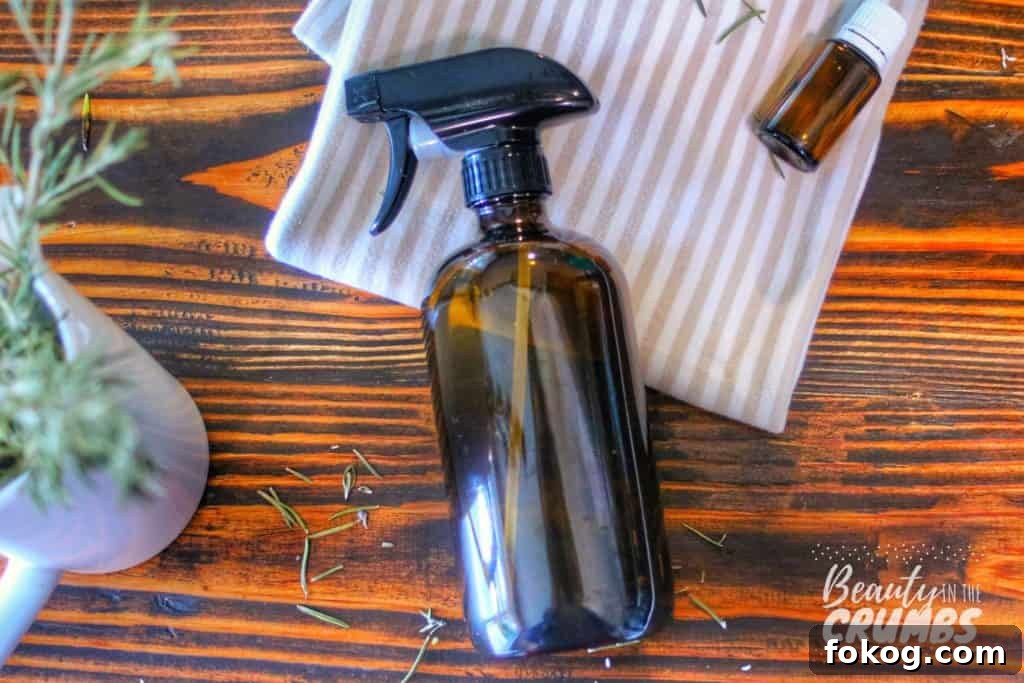
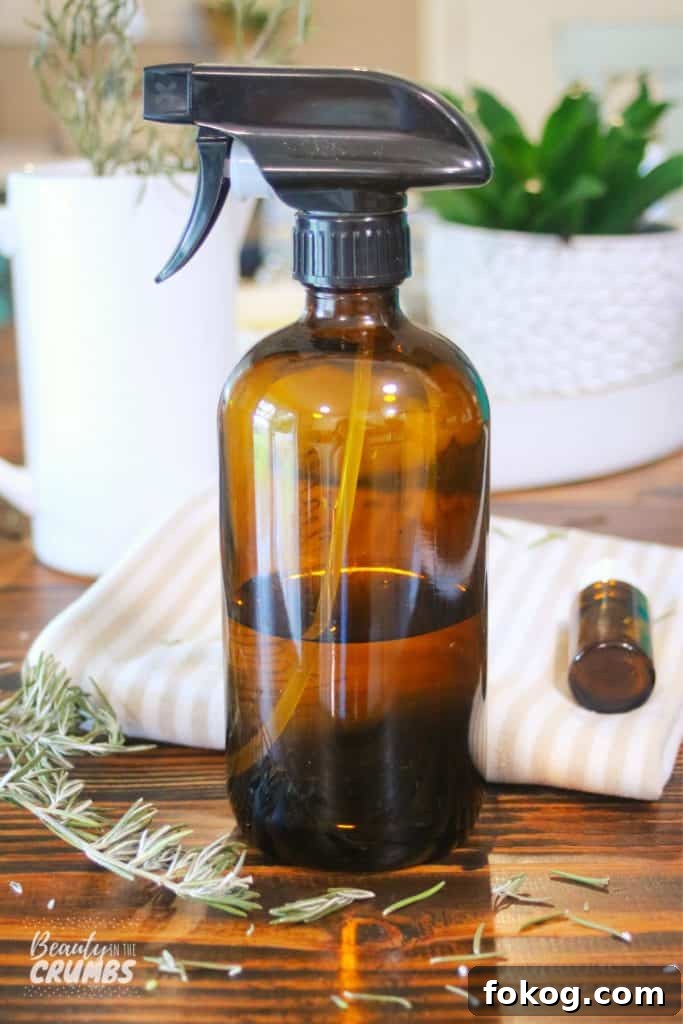
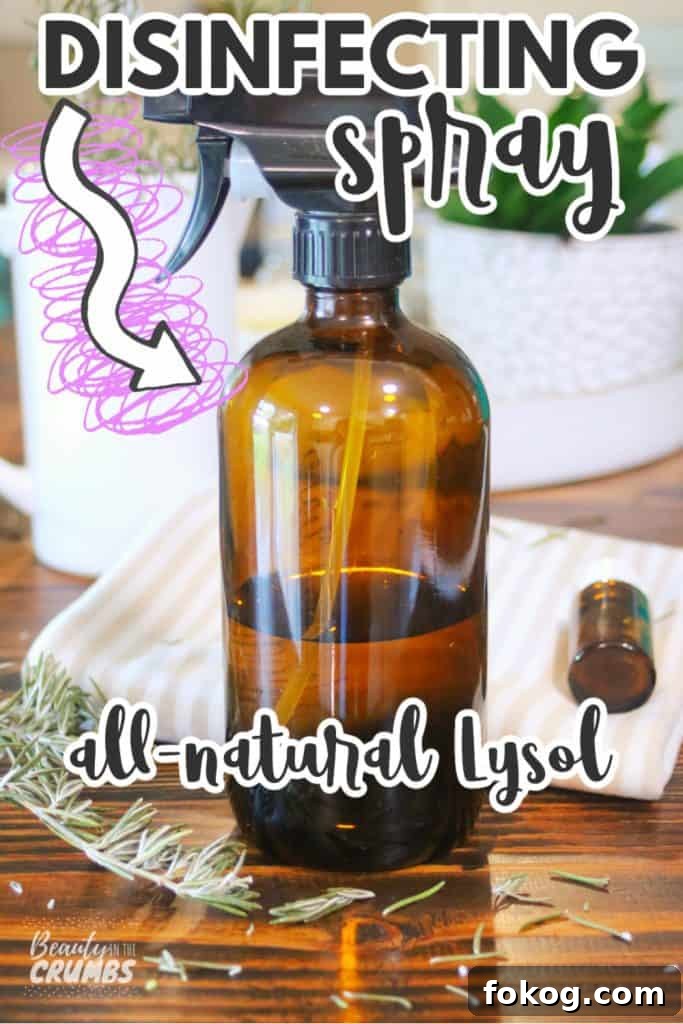
Store your spray in a glass bottle—preferably amber or cobalt colored. Alcohol and essential oils can degrade plastic and may leach compounds over time. Colored glass protects essential oils from UV light and preserves their potency.
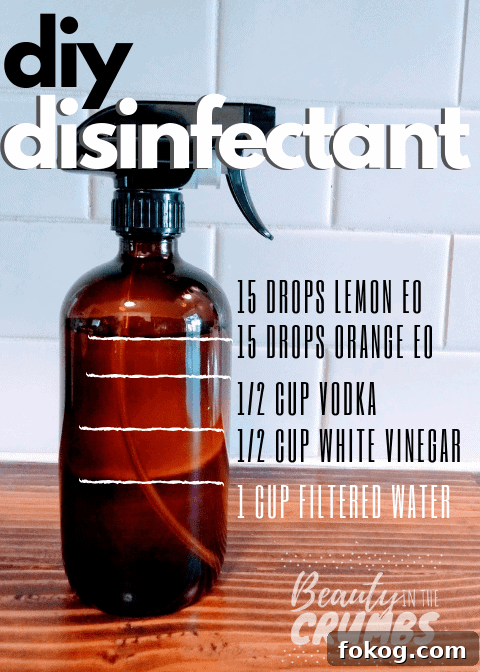
Ingredients you need for your DIY Disinfectant
- 1 cup filtered water
- ½ cup vodka or rubbing alcohol (40% or higher)
- ½ cup white vinegar
- 15–30 drops essential oils of choice
See the antiviral measurements below for a stronger disinfectant that follows updated guidance.
Directions
- Combine the ingredients in a clean glass spray bottle.
- Shake well before each use.
Antiviral disinfectant spray measurements
Updated guidance recommends 70% alcohol or 3% hydrogen peroxide for antiviral activity. Use the following recipes if your goal is antiviral performance:
Antiviral Disinfectant with High-Proof Isopropyl Alcohol
- 1 1/2 cups isopropyl/rubbing alcohol (70% or greater)
- 1/4 cup + 2 tablespoons white vinegar
- 30 drops antiviral essential oils
Antiviral Disinfectant with 70% Isopropyl Alcohol
- 1 1/2 cups isopropyl/rubbing alcohol (70%)
- 30 drops antiviral essential oils
Antiviral Disinfectant with Hydrogen Peroxide
- 1 1/2 cups hydrogen peroxide (3%)
- 30 drops antiviral essential oils
- Warning: hydrogen peroxide can bleach fabrics—avoid colored materials.
Note: Do not add extra water to antiviral formulas that need to maintain a specific alcohol or peroxide concentration. Vinegar dilutes alcohol less than water and can extend antibacterial action on surfaces.
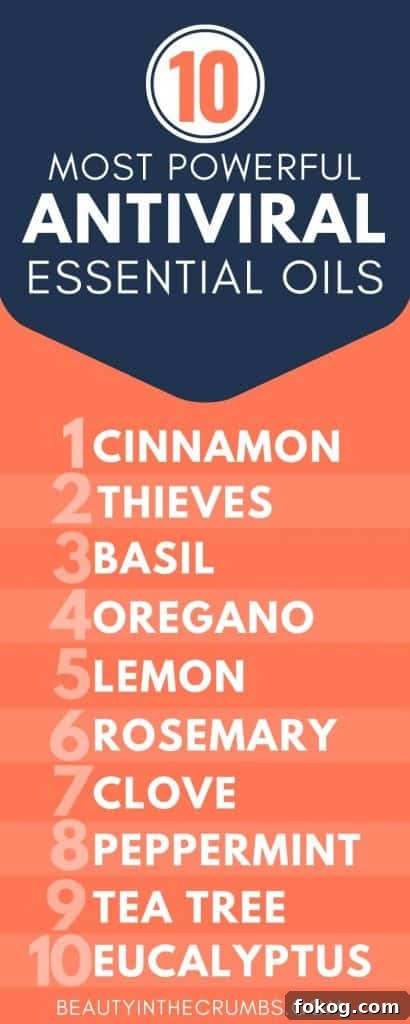
Top 10 Antiviral Essential Oils
Here are ten commonly used antiviral essential oils known for their versatility: Thieves blend, cinnamon, lemon, basil, oregano, peppermint, clove, eucalyptus, tea tree, and rosemary.
To Use Your DIY Disinfecting Spray
Spray surfaces with a fine mist and allow the solution to sit for 5–10 minutes for best results. Wipe away any residual dampness if desired. Be cautious on finishes that alcohol or peroxide might damage—test a small hidden area first and consider wiping surfaces after the contact time to protect finishes.
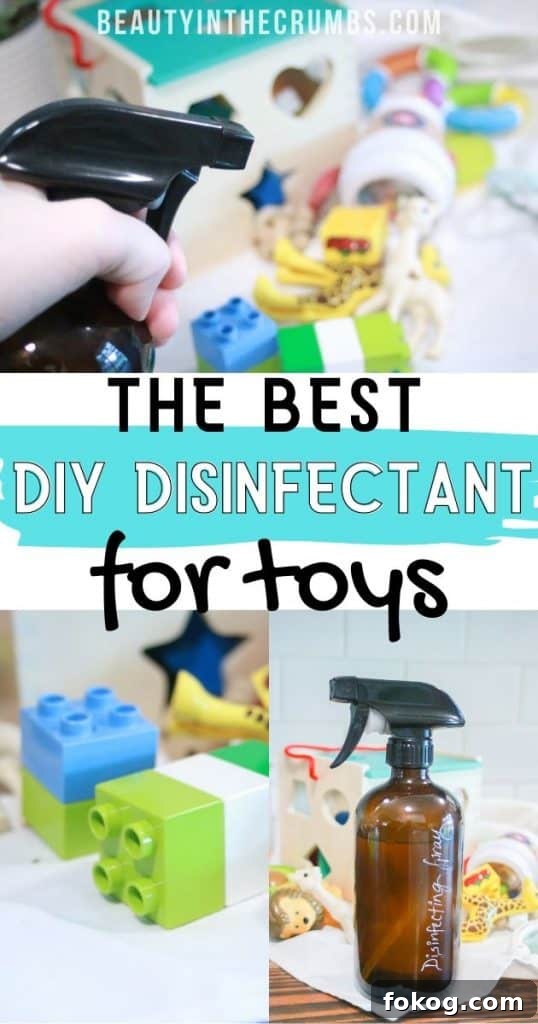
Can you use this DIY disinfectant spray for toys?
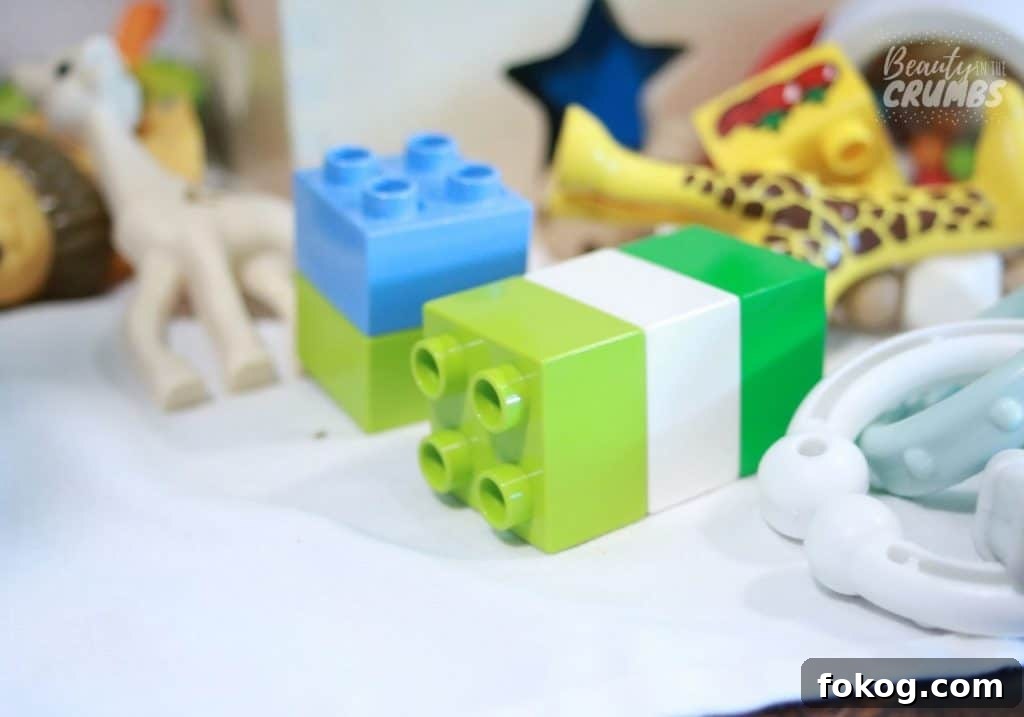
Yes. When made with vodka rather than isopropyl alcohol, this spray is suitable for toys, including those mouthed by babies. Mist toys, allow the spray to sit for 10 minutes, and wipe off residue with a dry cloth for items frequently handled by infants.
I use this spray on toys, toilet seats, light switches, counters, tabletops, chairs, door handles, remotes, and diaper changing stations. Store a bottle in each bathroom and one in the kitchen for convenient access.
Now you can prepare your own safe, effective disinfecting spray for everyday household use. Keep it labeled, stored out of reach of children, and shake before each use for best results.