
In a Nutshell:
- Organic chocolate is grown and harvested without toxic pesticides, which benefits consumers, farm workers, and the environment.
- Testing has also found elevated levels of lead and cadmium in some chocolate products, so pesticides aren’t the only concern.
- Zero heavy metals in chocolate is not realistic because these metals exist in soil and are taken up by cacao plants. However, suppliers can reduce heavy metal levels through better practices, so mindful shopping and consumption are important.
- Some brands perform better than others. Based on available testing and transparency, recommended brands include:
- Raaka
- Spring & Mulberry
- Taza
- Mast
- Fortunato
- Justin’s
- Living Ratio
- Below are tips to reduce your exposure to heavy metals while still enjoying chocolate. 🍫
Here’s what this guide covers:
- My Picks for the Best Organic Chocolate (Safest Brands with Low Lead & Cadmium)
- Raaka
- Spring & Mulberry
- Taza
- Mast
- Fortunato
- Justin’s
- Living Ratio
- Even More Organic Chocolate Brands
- Does It Really Matter If Chocolate Is Organic?
- Heavy Metals in Chocolate
- Sorry, But Chocolate Without Heavy Metals Does Not Exist
- Why Does Dark Chocolate Have More Heavy Metals?
- How to Practice Safer Chocolate Consumption
- The Ethical Issue of the Chocolate Industry
This guide contains product recommendations and we may receive compensation if you purchase through certain links. We only make recommendations we genuinely support.
My Picks for the Best Organic Chocolate (Safest Brands with Low Lead & Cadmium)
I reviewed available heavy metal testing and transparency from many chocolate brands. The primary sources of information included Consumer Reports testing, the As You Sow database, and brands’ independent third-party testing results when available.
No brand is perfect, but the following choices combine organic practices, transparency, and relatively low heavy metal results where evidence exists. Brand practices and test results can change over time, so check for the latest information when shopping.
Raaka
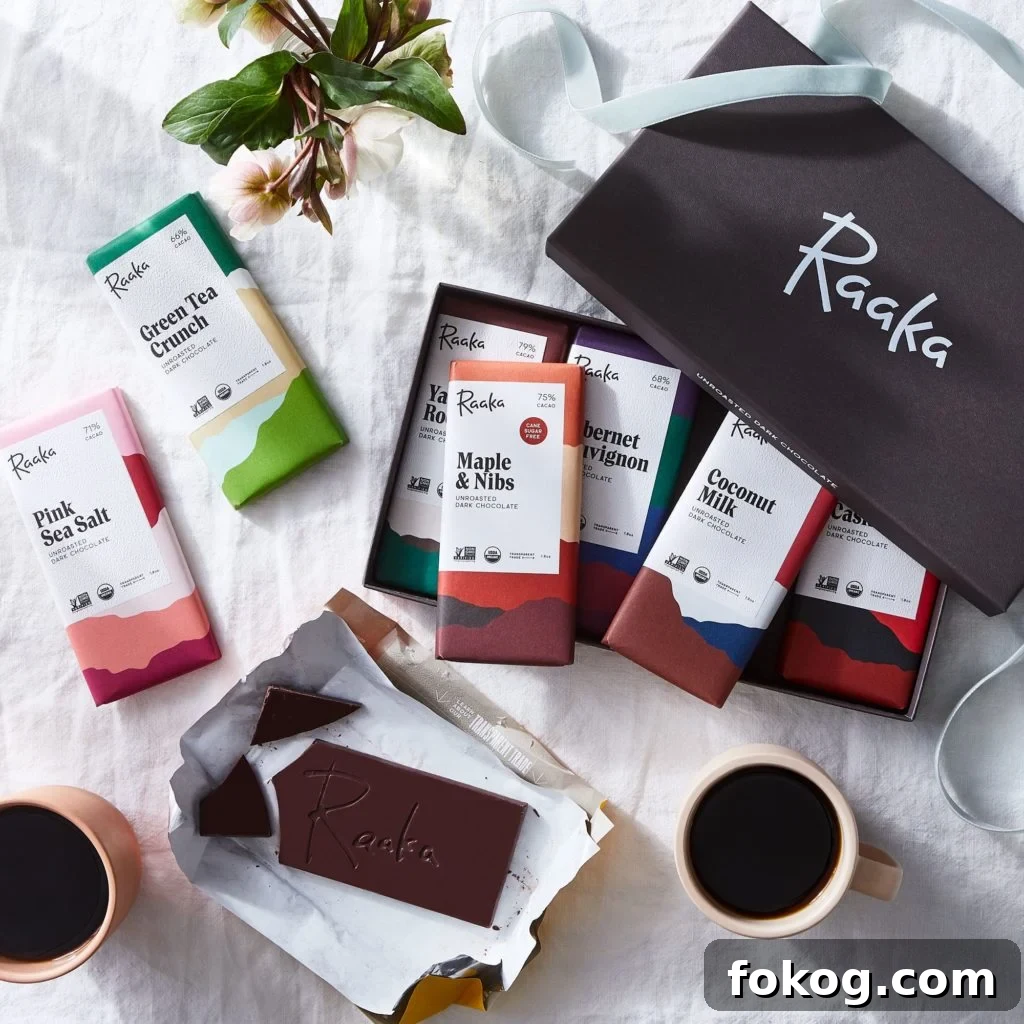
Highlights: USDA Organic, Non-GMO, Kosher, Vegan; Free of gluten, most nuts (except coconut), dairy, and soy.
Raaka produces unroasted, single-origin chocolate in Brooklyn using sustainably sourced beans. Their flavor lineup includes unique offerings like Bourbon Cask Aged, Green Tea Crunch, and Pink Sea Salt. They also offer subscription options.
Raaka commissions third-party heavy metal testing and publishes their results online. They aim to meet California’s Prop 65 guidance and state they collaborate with origin partners to reduce contaminants. Their public test reports make them one of the more transparent brands.
Spring & Mulberry
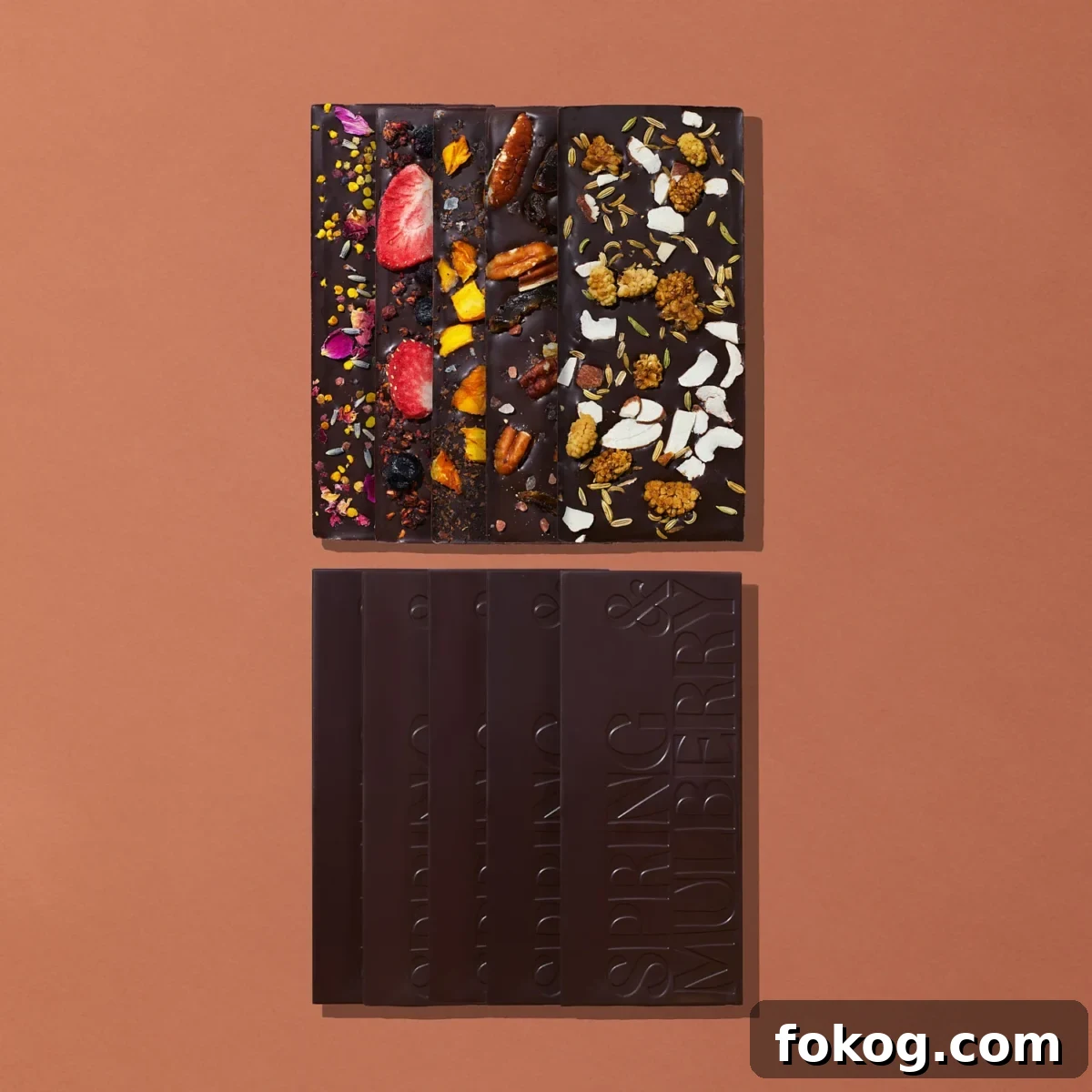

Highlights: No added refined sugar (sweetened with dates), mostly organic ingredients; offers bars and gift boxes.
Spring & Mulberry produces visually striking bars sweetened with dates, making them suitable for paleo, Whole30, and low-FODMAP diets. They prioritize organic ingredients for those on the EWG “Dirty Dozen” list and work with direct-trade farmers using regenerative practices.
The brand reports low heavy metal test results for a recent harvest (.14 mcg/oz lead and 1.26 mcg/oz cadmium, both well below California’s MADL), though full third-party reports are not publicly published. Greater transparency would be helpful.
Taza

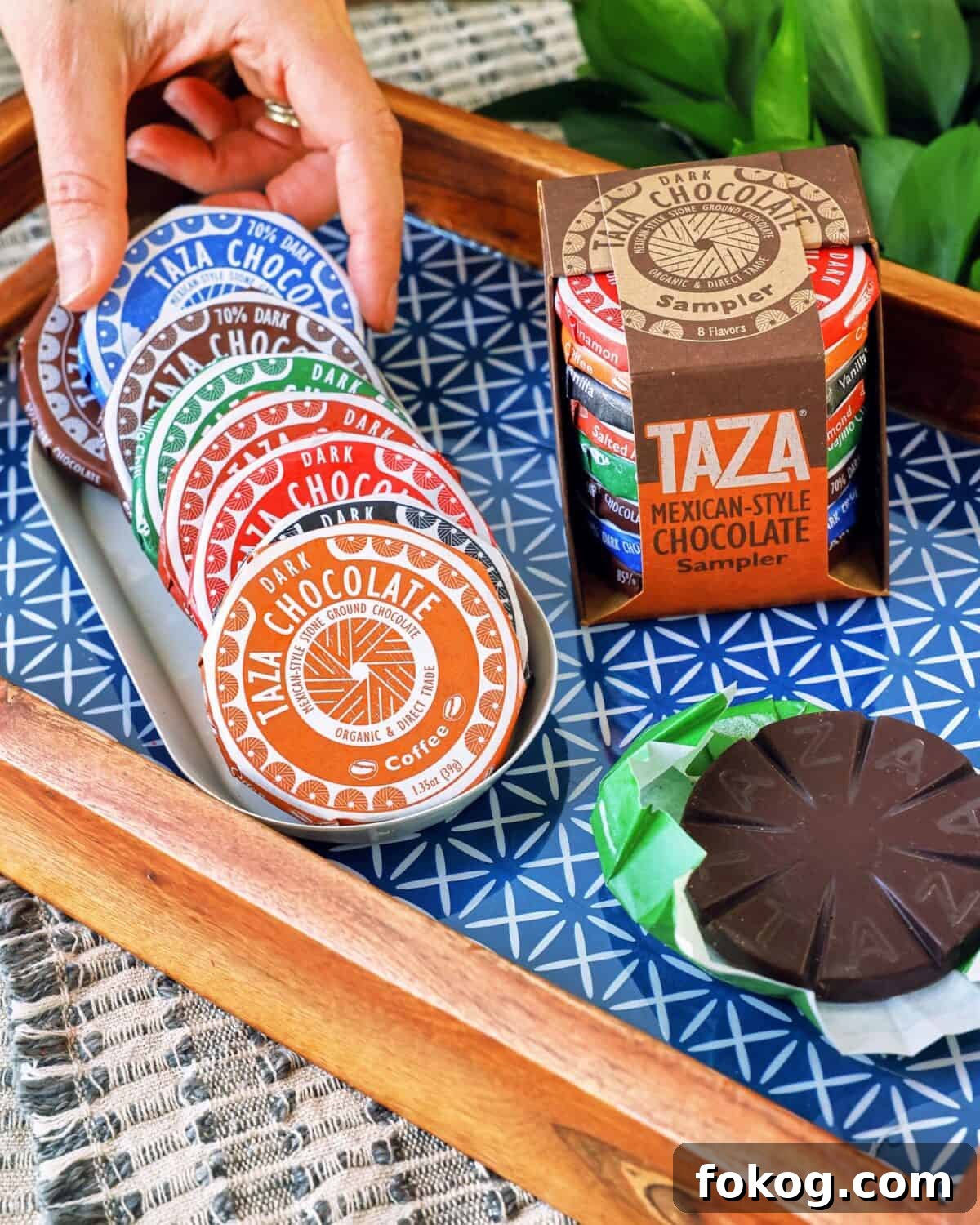
Highlights: USDA Organic, Direct Trade, Non-GMO, Vegan, Kosher, Gluten- and Soy-free options; offers many formats including stone-ground discs and bars.
Taza makes stone-ground Mexican-style chocolate in Somerville, MA, using molinos that give a distinctive texture and flavor. They publish annual transparency reports and work on direct trade relationships with farmers.
Consumer Reports showed Taza with lead and cadmium below California’s MADL on some tests, while As You Sow lists some tests above the MADL (mainly for cadmium). Taza has stated they blend beans from different origins to lower heavy metal content, which is a practical mitigation approach.
Mast


Highlights: USDA Organic; offers bars and baking chocolate made in small batches.
Mast sources certified organic cacao from Kokoa Kamili (Tanzania) and makes chocolate by hand in small batches. Consumer Reports testing showed Mast below MADL for both lead and cadmium in their sample.
Fortunato
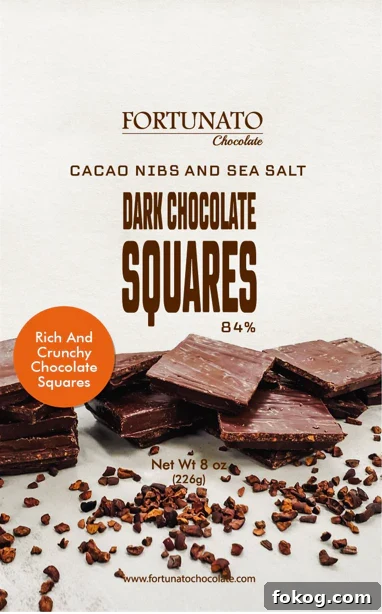

Highlights: Small-batch, hand-made in Issaquah, WA.
Fortunato is not certified organic but publishes heavy metal test results showing cadmium and lead well below California’s limits. They source directly from partner farms, including rare Pure Nacional trees, and offer a money-back guarantee.
Justin’s
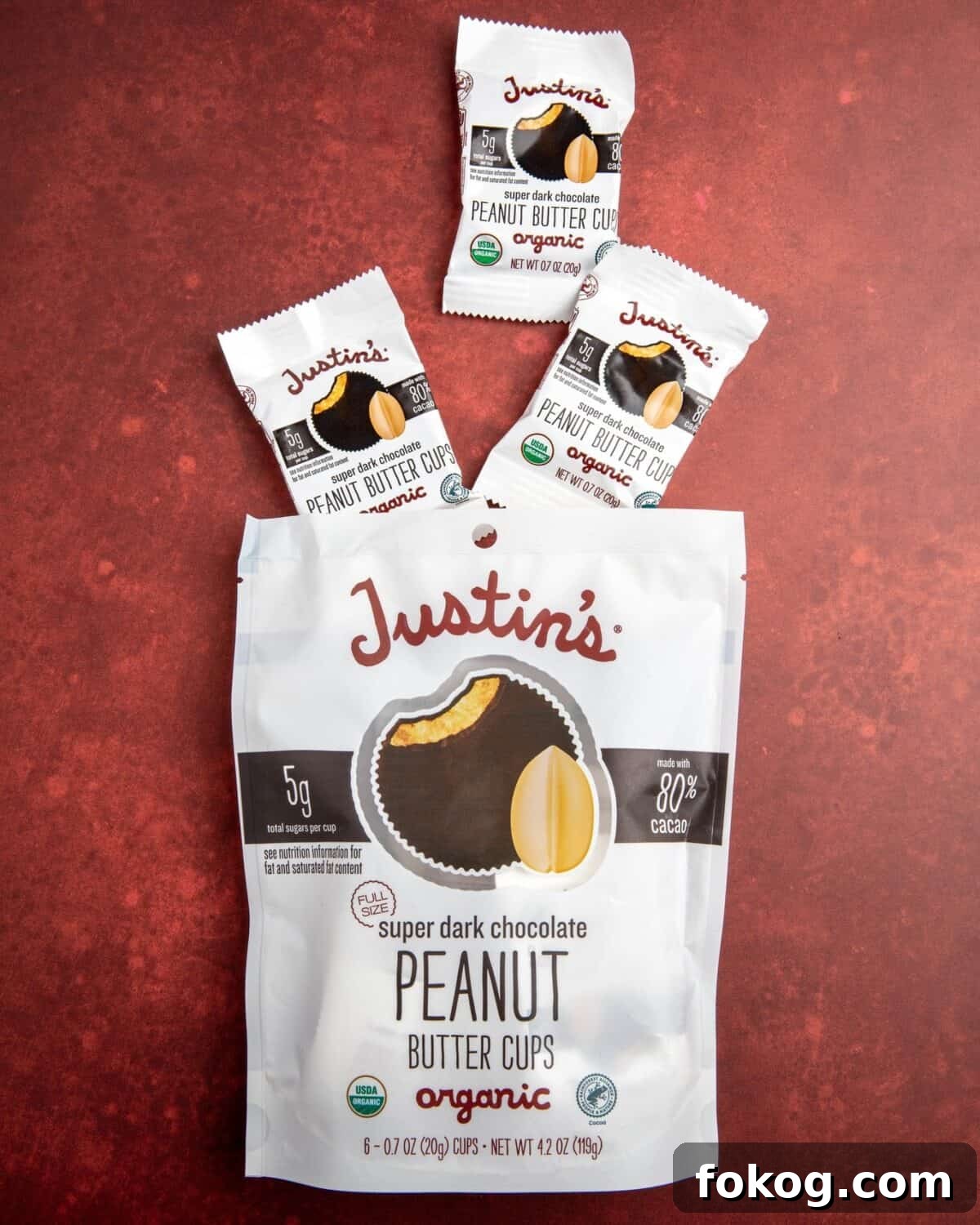
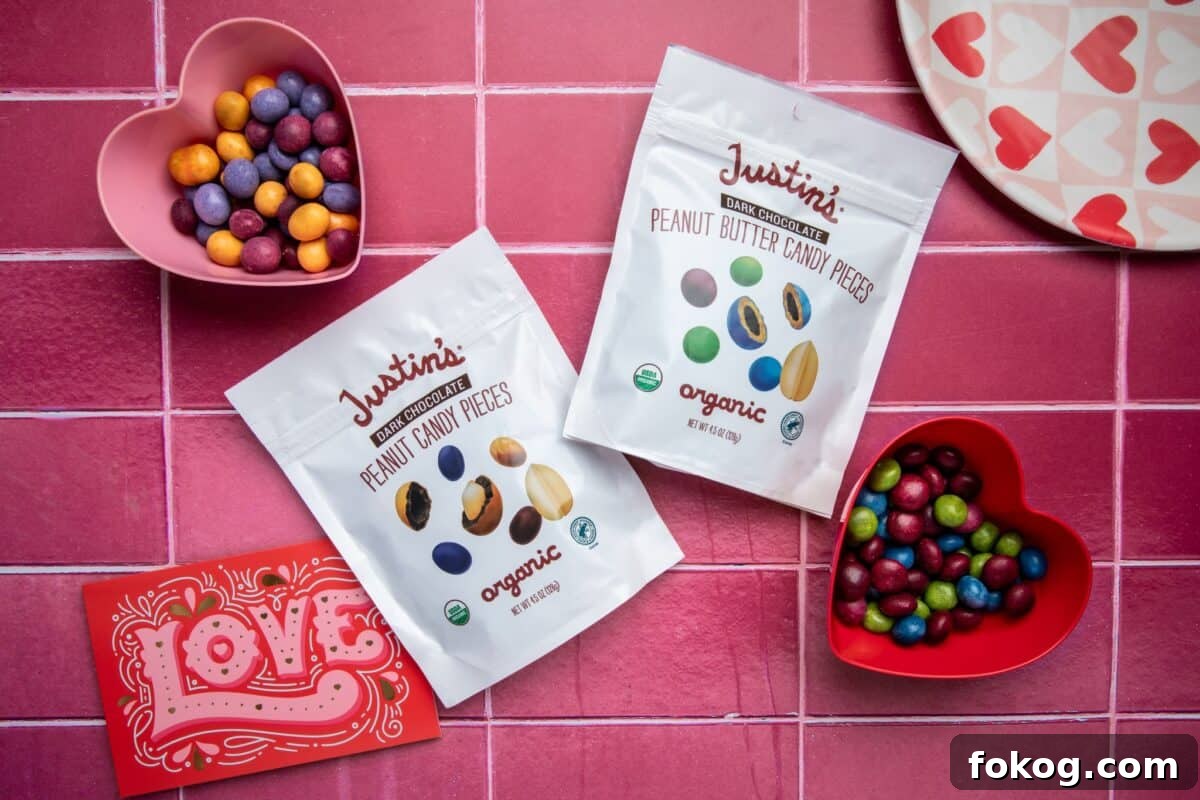
Highlights: USDA Organic, Rainforest Alliance Certified, Non-GMO, Certified Gluten-Free; offers nut butter cups and candy pieces.
Justin’s peanut butter cups are widely available. One test in the As You Sow database showed non-detectable lead levels (rare for chocolate), though cadmium slightly exceeded California’s MADL in that sample. Lower chocolate content in nut butter cups may reduce overall heavy metal exposure per serving.
Living Ratio

Highlights: Certified Organic, Vegan, Low-Sugar/Keto-friendly, Fair Trade practices; free of gluten, soy, and palm oil. Product: adaptogenic sipping chocolate.
Living Ratio offers a single adaptogenic chocolate product and publishes heavy metal test results. The company reports consistent testing for lead, cadmium, arsenic, and mercury, and states results fall well below California thresholds.
Even More Organic Chocolate Brands
The following brands offer organic or ethically positioned chocolate, many with sustainability certifications. Some, however, tested high in heavy metals in investigations or lack public heavy metal testing results. Use the notes below as a starting point for further research.
* indicates brands with findings of elevated lead, cadmium, or both in Consumer Reports and/or As You Sow testing. ^ indicates brands for which I couldn’t find public heavy metal testing.
- * Alter Eco — Bars & truffles; USDA Organic, Fair for Life; states they test but don’t publish detailed results.
- * Beyond Good — Bars & melts; USDA Organic, Certified Direct Trade; CR found cadmium above MADL in testing.
- ^ Dr. Bronner’s — Bars; USDA Organic, Fair for Life; states monitoring systems exist but no public detailed results.
- * Equal Exchange — Bars, chips; USDA Organic, Fair Trade; reports testing but detailed results aren’t published.
- * Evolved — Bars & cups; USDA Organic; claims internal testing but does not publish detailed results.
- ^ Farmhouse Chocolates — Truffles & caramels; small-batch organic maker with limited public testing available.
- * Hu — Bars & baking chocolate; USDA Organic; responded publicly after high lead results in third-party testing.
- * Pascha — Bars & baking chips; USDA Organic, Rainforest Alliance Certified; some testing concerns reported.
- * Theo — Bars & gift sets; USDA Organic; had higher levels in outside testing though the company says it’s taking steps to reduce metals.
- ^ Thrive Market — Marketplace brand with organic offerings; posts general information about heavy metals in foods but not specific product testing.
- ^ Unreal — Peanut butter cups and candies; some organic ingredients but not all; sourcing suppliers may perform testing rather than the finished product.
Does It Really Matter If Chocolate Is Organic?
Organic chocolate matters in several meaningful ways. Organic farming avoids synthetic pesticides and certain fertilizers that can harm human health and ecosystems. Research has shown higher antioxidant levels and lower cadmium concentrations in some organically grown crops compared to conventional ones.
People most affected by pesticide exposure are farmworkers and nearby communities, so organic practices protect both human health and biodiversity. Practically, many find that higher-quality organic chocolate has more flavor, which can lead to consuming less overall.
Heavy Metals in Chocolate
Lead and cadmium in chocolate have been documented in multiple investigations, including Consumer Reports and As You Sow. These organizations have used California’s MADL (Maximum Allowable Dose Level) to flag products with high levels. Elevated heavy metals are concerning because long-term exposure is associated with developmental effects, cancer risk, and other health issues.
Heavy metals occur naturally in soils, but industrial activity, agricultural inputs, and contaminated irrigation can increase levels. Testing across brands shows variability, and results can change by origin, harvest year, and post-harvest handling.
Sorry, But Chocolate Without Heavy Metals Does Not Exist
Small amounts of lead and cadmium appear in virtually all cacao because these elements are present in soil. Consumer Reports found detectable levels across many samples. However, evidence from investigations shows manufacturers can reduce contamination through improved practices.
For example, As You Sow’s findings indicated lead levels can rise during sun-drying when beans collect dust and dirt. Changing drying methods or cleaning practices, sourcing from lower-cadmium soils, and blending beans from multiple origins are practical steps to lower final product levels.
Why Does Dark Chocolate Have More Heavy Metals?
Dark chocolate typically contains more cacao, and the cacao bean is the primary source of heavy metals. Therefore, higher-cacao products often register higher heavy metal concentrations than milk chocolate.
How to Practice Safer Chocolate Consumption
You can lower your exposure to heavy metals while still enjoying chocolate by taking practical steps:
1. Don’t overdo it.
Treat chocolate as an occasional indulgence rather than a daily large-portion habit.
2. Consider alternating with milk chocolate.
Since dark chocolate generally contains more cacao and therefore more heavy metals, rotating in milk chocolate can reduce cumulative exposure for those not avoiding dairy.
3. Know if you’re vulnerable.
Limit dark chocolate for children, pregnant people, and those with a history of heavy metal exposure, as they are more susceptible to harm.
4. Eat a well-rounded diet.
Diversifying your diet reduces the risk of repeated exposure from a single contaminated source and helps ensure nutrient intake that supports detoxification and resilience.
5. Shop from safer brands.
Choose brands that publish third-party test results, show supply-chain transparency, and prioritize sourcing practices that reduce heavy metal risks.
6. Put pressure on your favorite brands.
Consumer demand can accelerate change. Ask brands to publish testing, adopt better drying and cleaning protocols, and source beans from lower-contamination regions.
The Ethical Issue of the Chocolate Industry
The chocolate industry also faces serious ethical challenges, including documented cases of forced labor and child labor in cocoa supply chains. Large companies have faced lawsuits and public scrutiny over these issues, and while legal outcomes vary, the underlying problems persist.
Brands that emphasize organic farming frequently also adopt fair trade or direct-trade practices, helping address both environmental and social concerns. Certifications such as USDA Organic, Fair Trade USA, Fairtrade International, and Fair for Life offer a level of accountability, though they are not perfect.
When possible, look for transparent sourcing and ethical certifications to support both people and ecosystems involved in chocolate production.
This topic can feel complex and overwhelming, but choosing brands that prioritize organic practices, transparency, and published testing can help you enjoy chocolate with greater peace of mind.
If you like this content, consider signing up for the brand’s newsletter for updates on toxin-related headlines, product picks, and more.