
This Neapolitan pizza dough recipe is a practical, detailed guide to making authentic Italian pizza at home. Follow these steps to create a soft, airy crust with a chewy bite and charred edges like you’d find in Naples. Once you try it, it will likely become your favorite pizza dough recipe.
Enjoy pizza? Try Roman-style dough or pizza al taglio for different regional variations.


Quick Look at This Recipe
- Prep Time: 24 hours 20 minutes
- Cook Time: 15 minutes
- Total Time: 24 hours 35 minutes
- Servings: 8 people
- Dietary Info: Vegan (dough only)
- Method: Mix and knead the dough, ferment overnight, portion into balls, cold ferment, then shape and bake.
- Technique: Kneading, folding, stretching, and hand-shaping dough.
- Flavor & Texture: High-hydration dough that is stretchy and easy to shape; bakes quickly into a thin, crisp crust with a light, chewy interior and blistered edges.
Why You’ll Love This Family Favorite!

Neapolitan pizza dough stands out for its simplicity and authentic flavor. With just four ingredients—Tipo 00 flour, water, sea salt, and yeast—you get a soft, elastic dough that produces a pillowy interior and a beautifully blistered crust. Slow fermentation (often 24–48 hours) develops depth of flavor and creates the airy texture Neapolitan pizza is known for. Hand-stretch the dough thin, bake in a very hot oven for a few minutes, and the result is a perfectly balanced pizza where the toppings can shine.
Made With Amore,

“Amazing! I have been making your dough for 2 years now, and it is my go to recipe. The crust is so light and airy!”
– ERIN
Table of Contents
- Quick Look at This Recipe
- Why You’ll Love This Family Favorite!
- Ingredients for Neapolitan Pizza Dough
- Topping Ideas
- How to Make Neapolitan Pizza Dough
- Recipe FAQs
- Serving Suggestions
- Expert Tips
- More Italian Pizza Recipes You’ll Love
- Neapolitan Pizza Dough Recipe
Ingredients for Neapolitan Pizza Dough
Four simple ingredients—no oil or sugar—produce a traditional Neapolitan dough when combined with time and temperature.
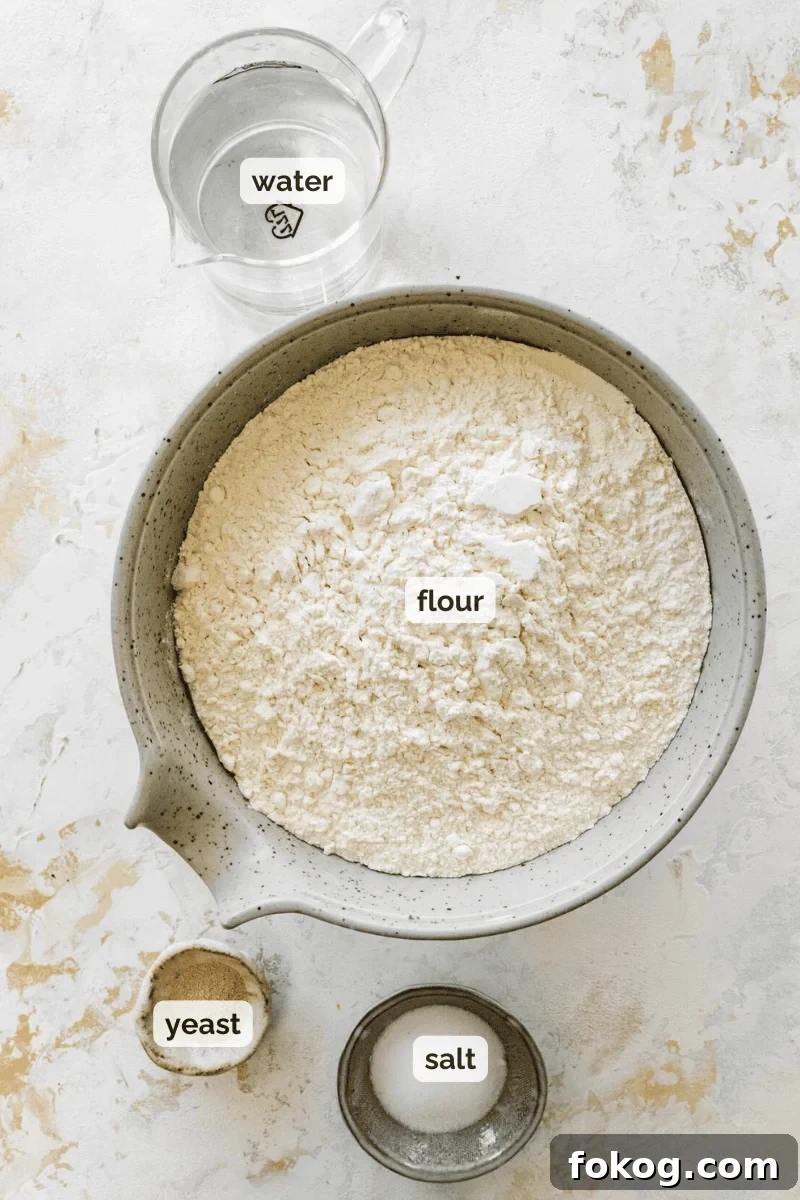
- Tipo 00 Flour: Finely milled Italian flour for a soft, elastic dough and the classic light chew. Good-quality bread flour is an acceptable alternative.
- Water: Room temperature water hydrates the dough and activates gluten. The water-to-flour ratio affects texture and stretch.
- Fresh or Active Dry Yeast: A small amount for slow fermentation; instant yeast works too.
- Sea Salt: Enhances flavor and strengthens the dough structure during fermentation.
Refer to the recipe card below for exact measurements.
Topping Ideas
- Margherita: San Marzano-style tomatoes, fresh mozzarella (fior di latte or buffalo), fresh basil, and a drizzle of olive oil.
- Marinara (no cheese): Crushed tomatoes, garlic, oregano, and olive oil.
- Prosciutto e Rucola: After baking, top with thin prosciutto, fresh arugula, shaved Parmigiano, and olive oil.
- Funghi: Mozzarella, tomato sauce, and fresh mushrooms.
- Try fruit-and-cheese combinations like pear, honey, walnut, and cheese for a creative twist.
How to Make Neapolitan Pizza Dough
This section provides a straightforward, step-by-step overview of preparing authentic Neapolitan dough. Full, printable instructions are in the recipe card below.
Night Before: Making the Dough
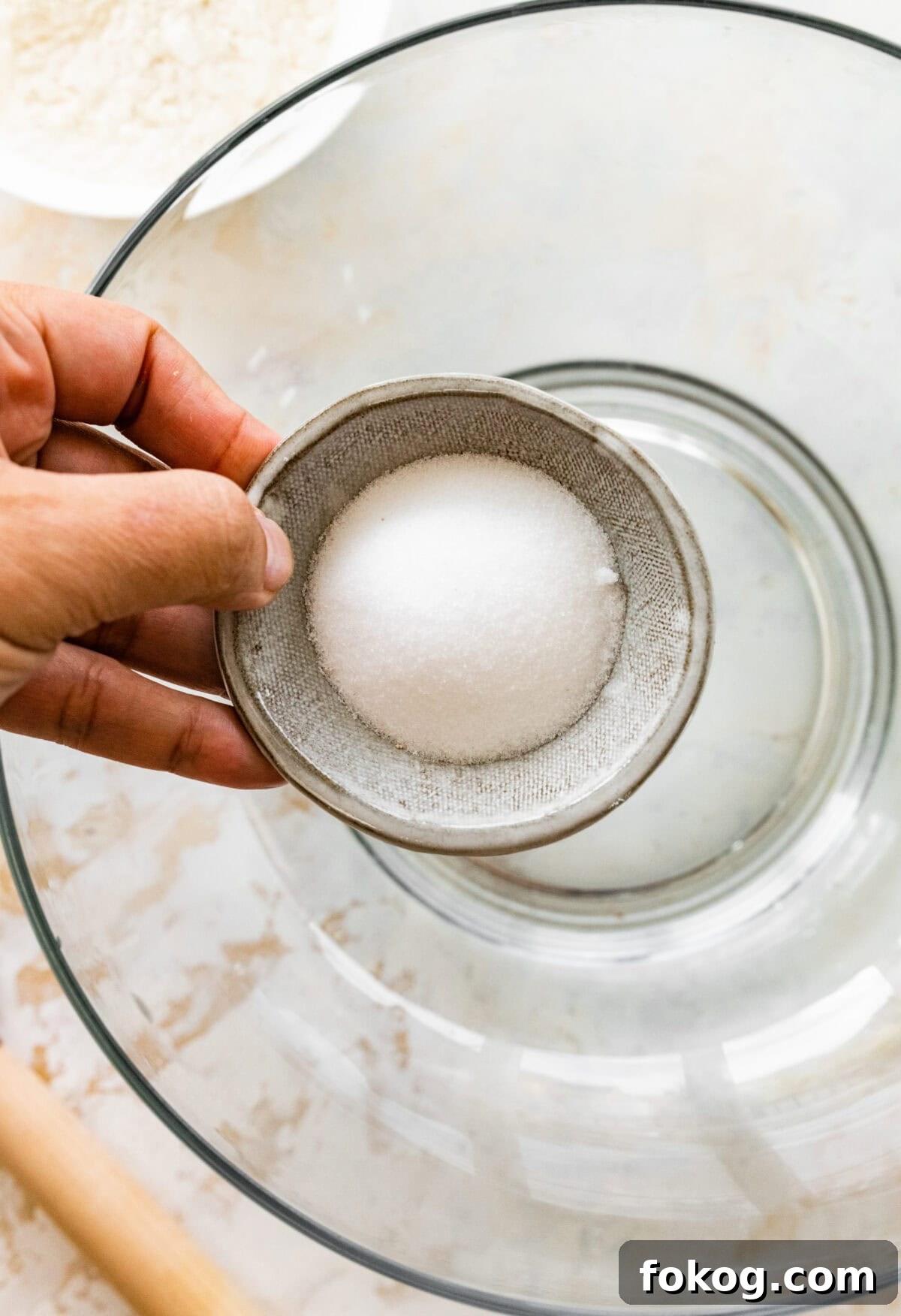
- In a large bowl, dissolve the salt in the water, then stir in a small portion of the flour to form a thin batter.
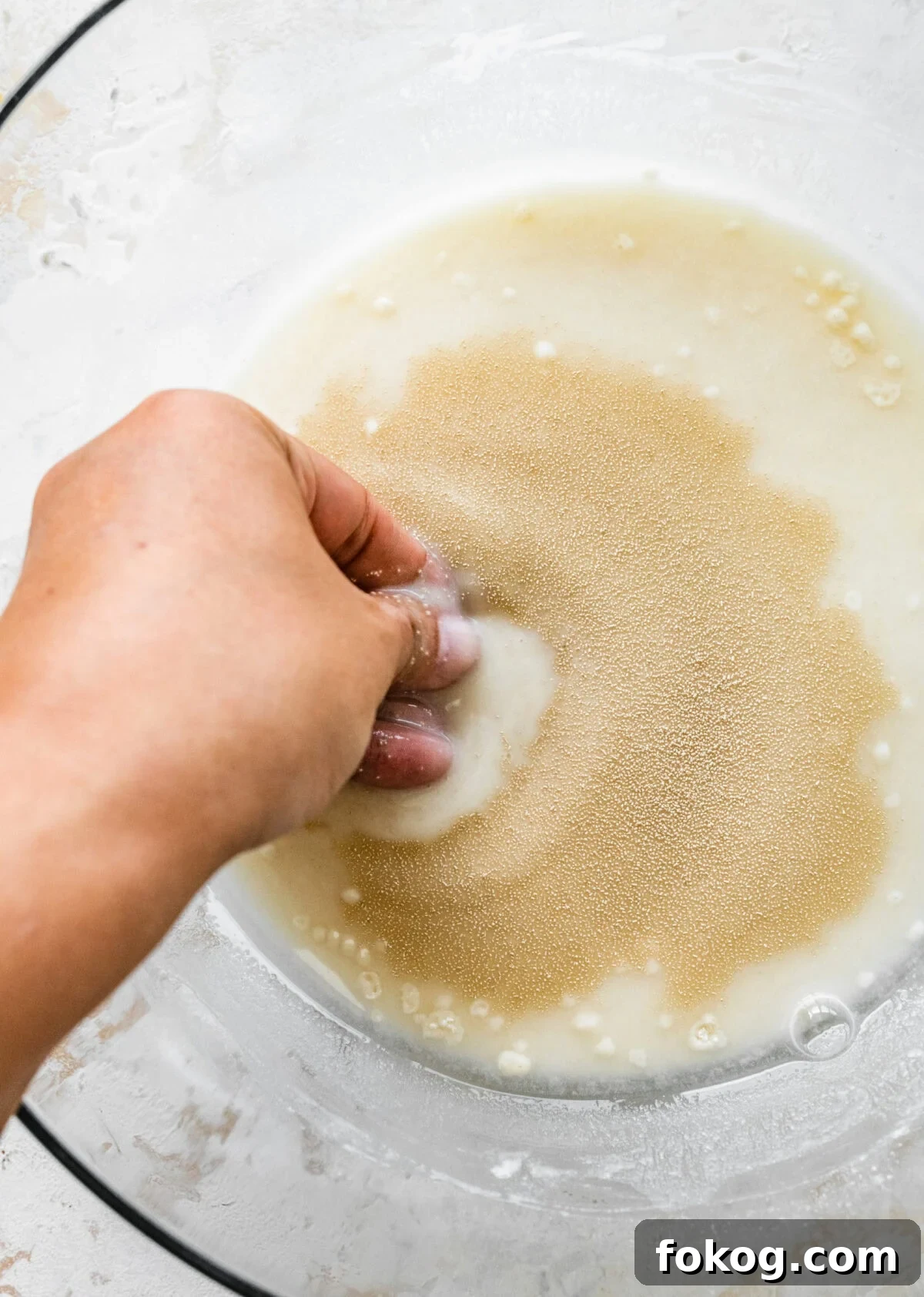
- Add the yeast and mix it into the flour-water mixture until evenly incorporated.
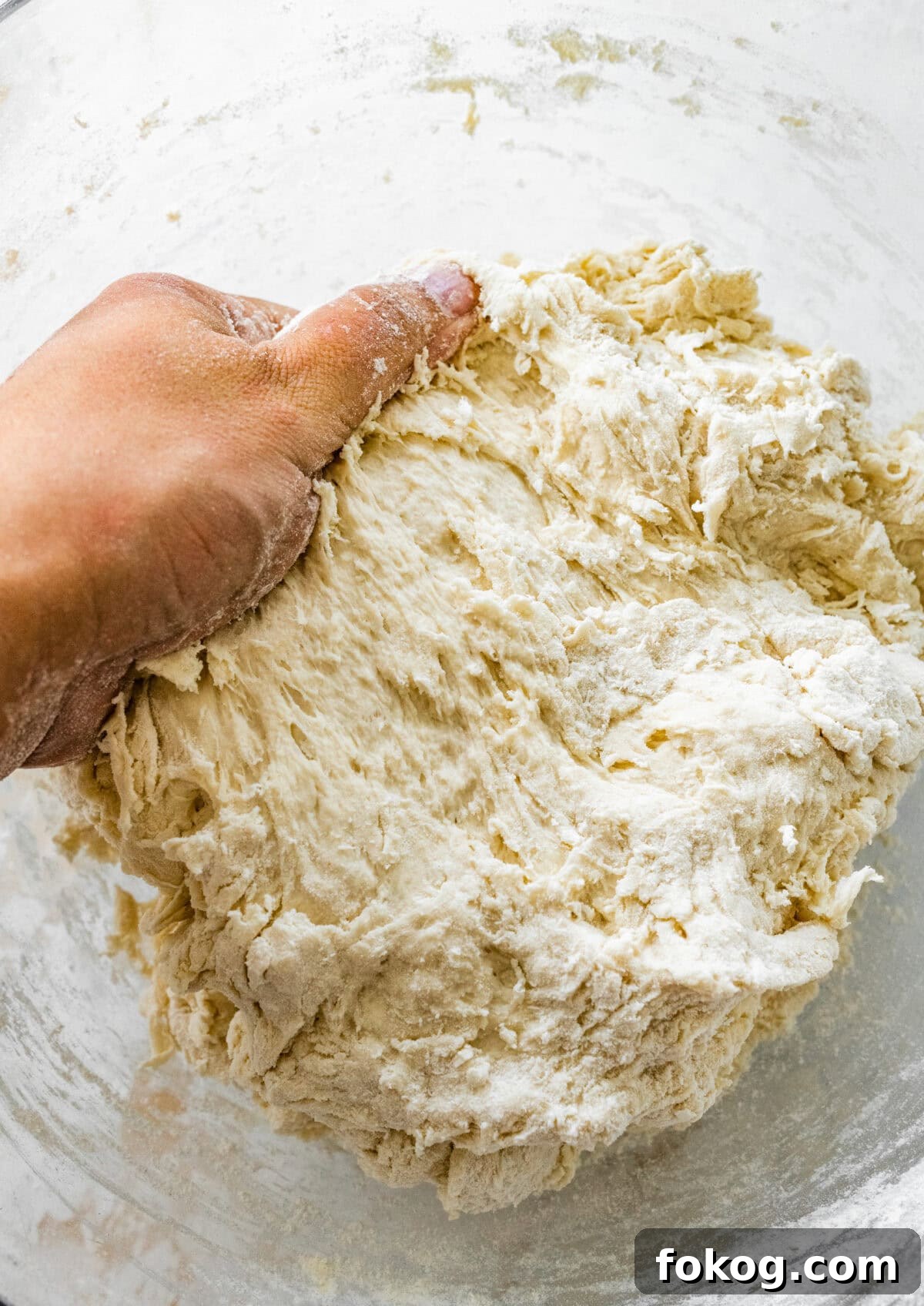
- Knead on a clean surface for about 10 minutes, then rest the dough for 10 minutes.
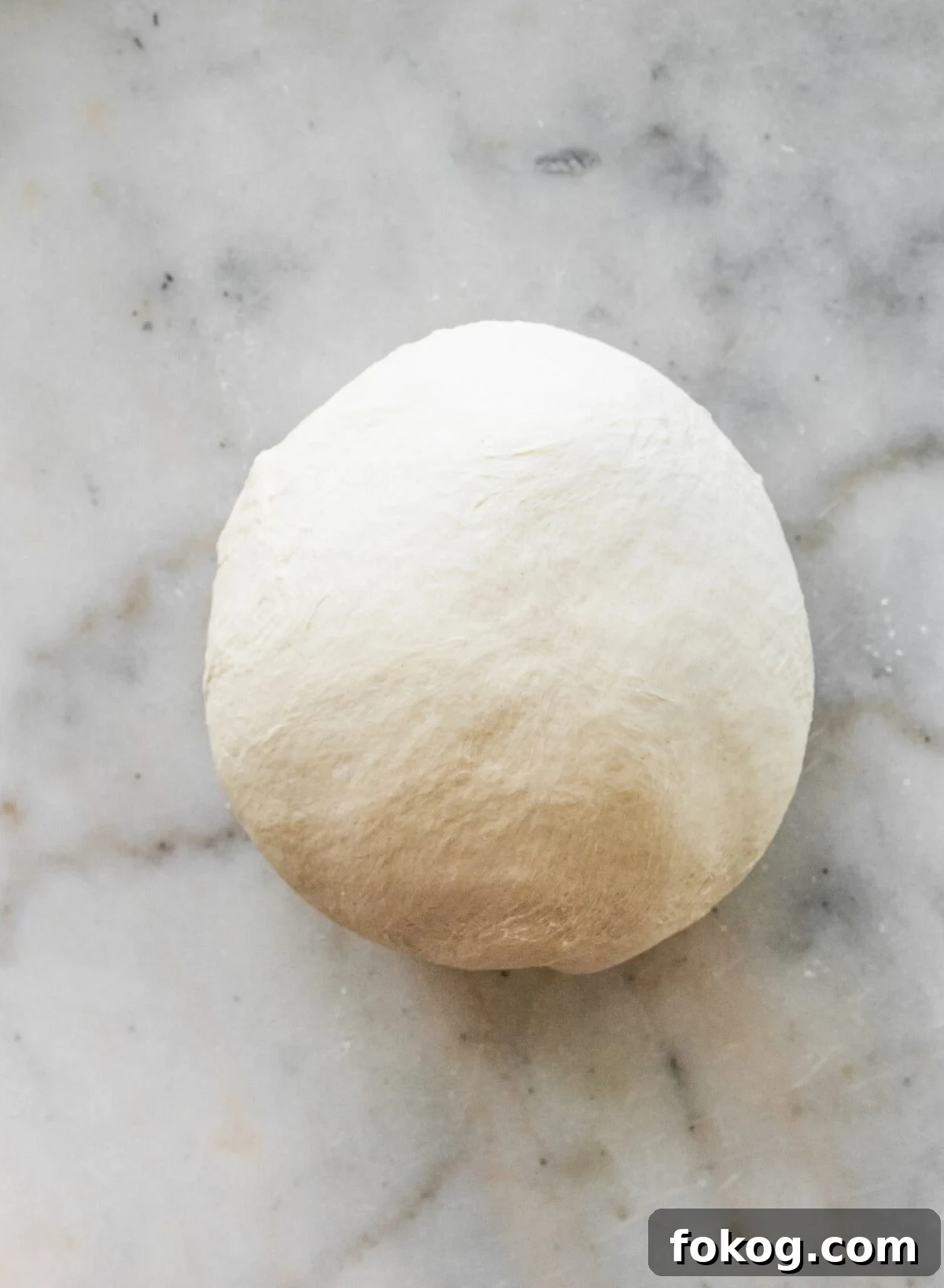
- Knead again until smooth and elastic (or use a stand mixer). Rest briefly, then form into a smooth ball, place in a floured bowl, cover, and leave at room temperature overnight (8–12 hours).
Day of Baking: Shaping the Dough Balls
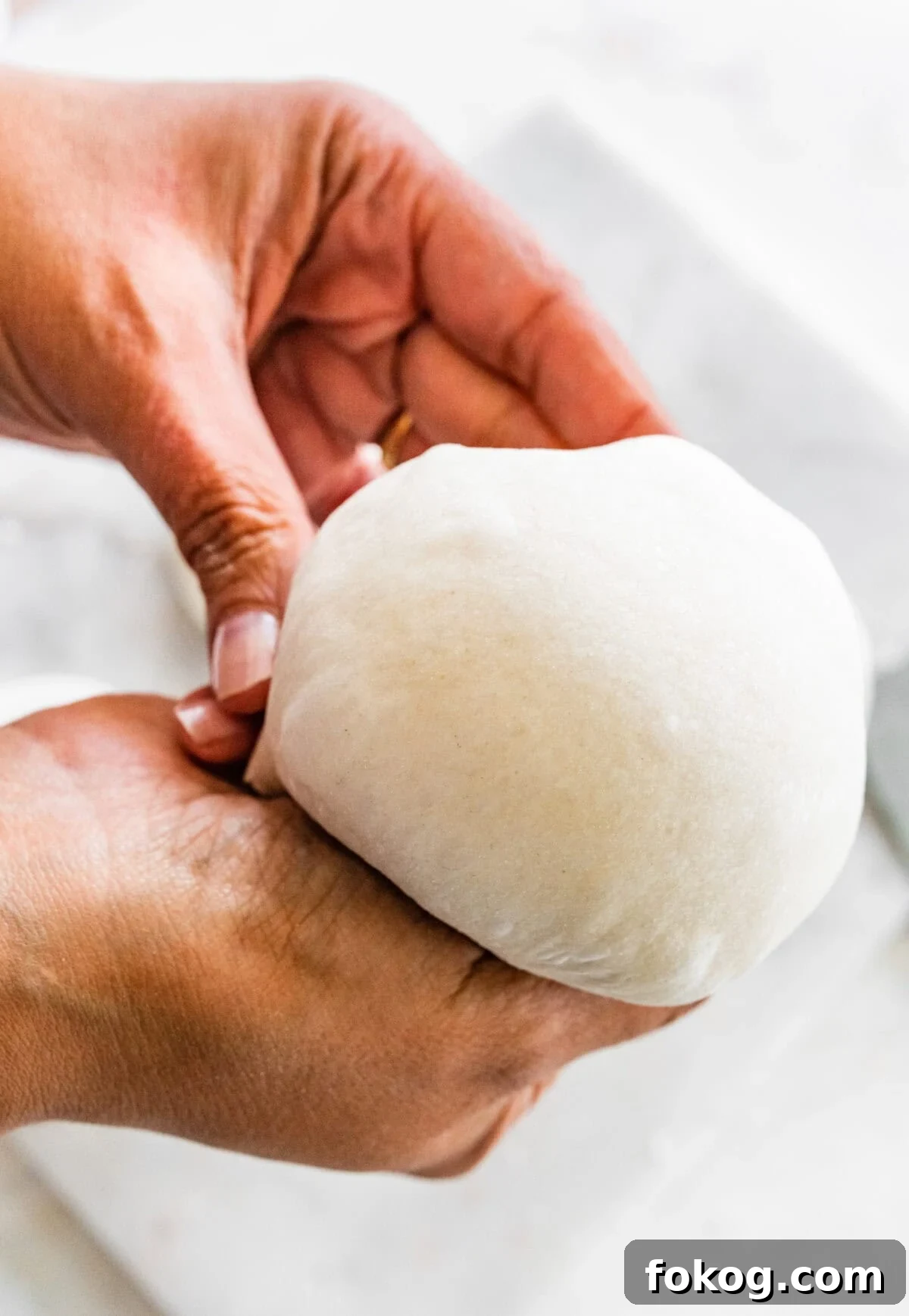
- After the overnight rise, divide the dough into 8 pieces (~250 g each) and shape using the pinch-and-tuck method to create tight, smooth balls.
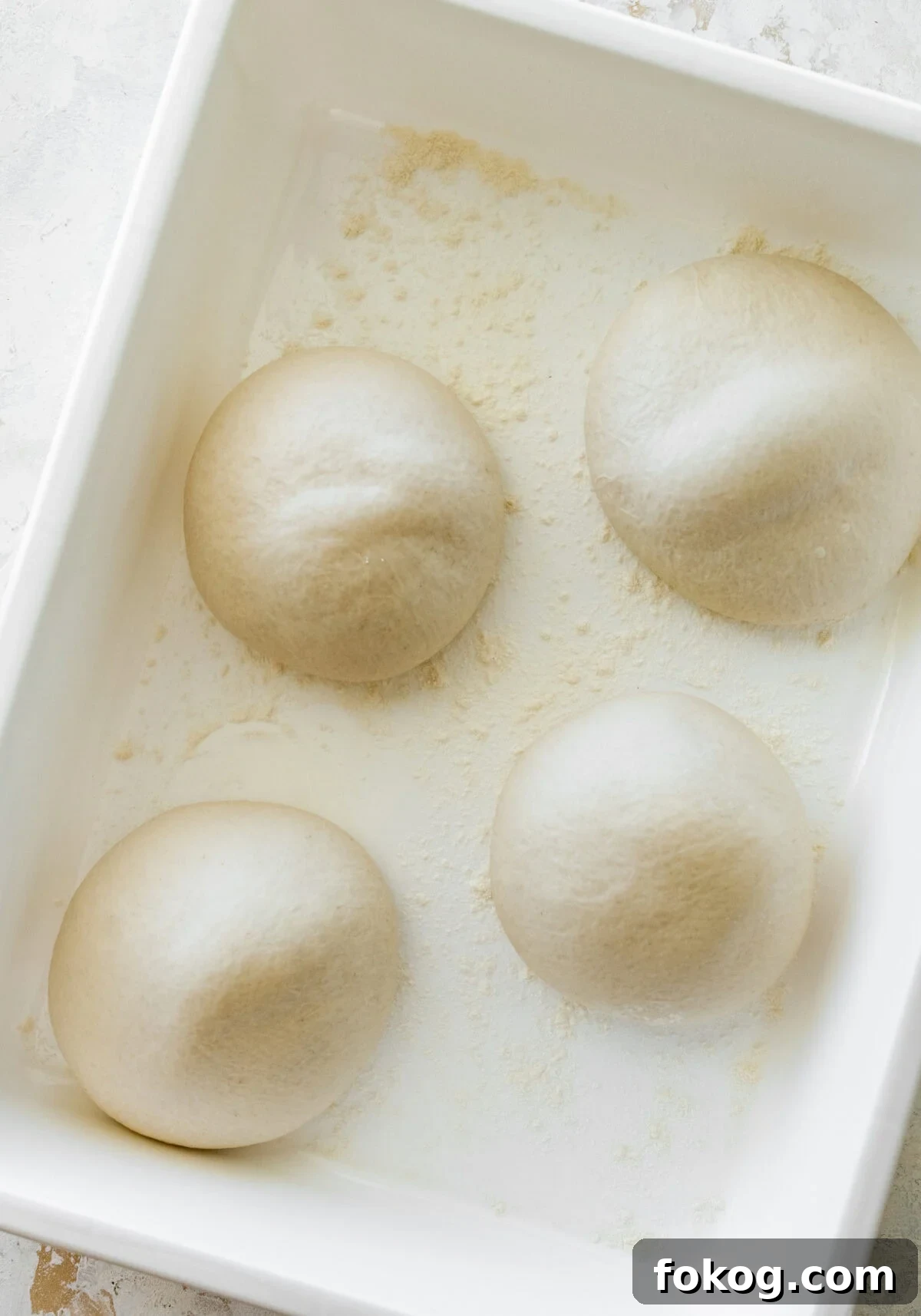
- Place the dough balls on a floured tray or in dough boxes, cover, and refrigerate for 12–48 hours for cold fermentation (longer yields more flavor).
Day of Baking: Shaping and Cooking Neapolitan Pizza
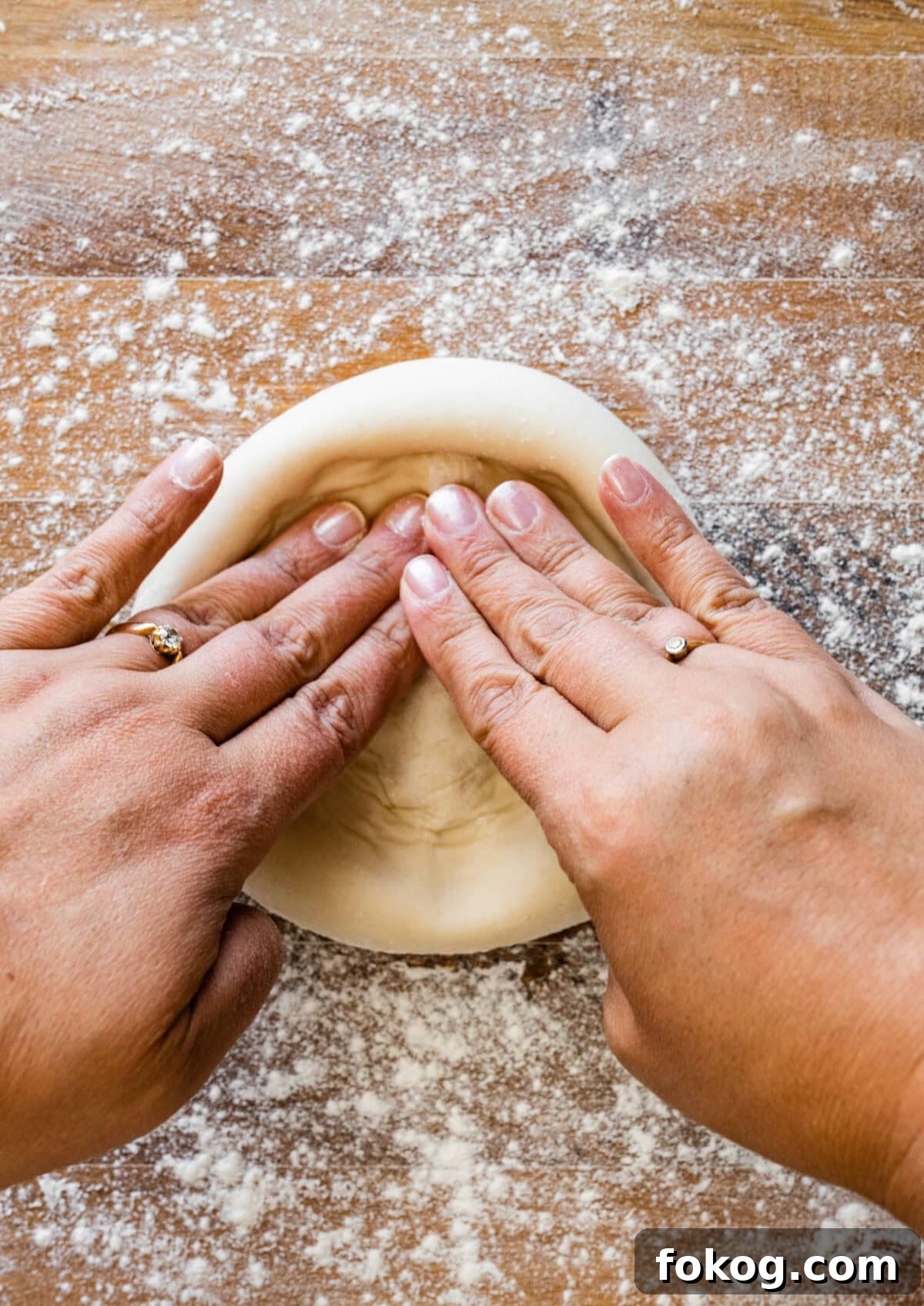
- Remove dough from the refrigerator 2–3 hours before baking to come to room temperature. Lightly flour the work surface and flatten the dough with your fingertips, leaving a raised rim (cornicione).
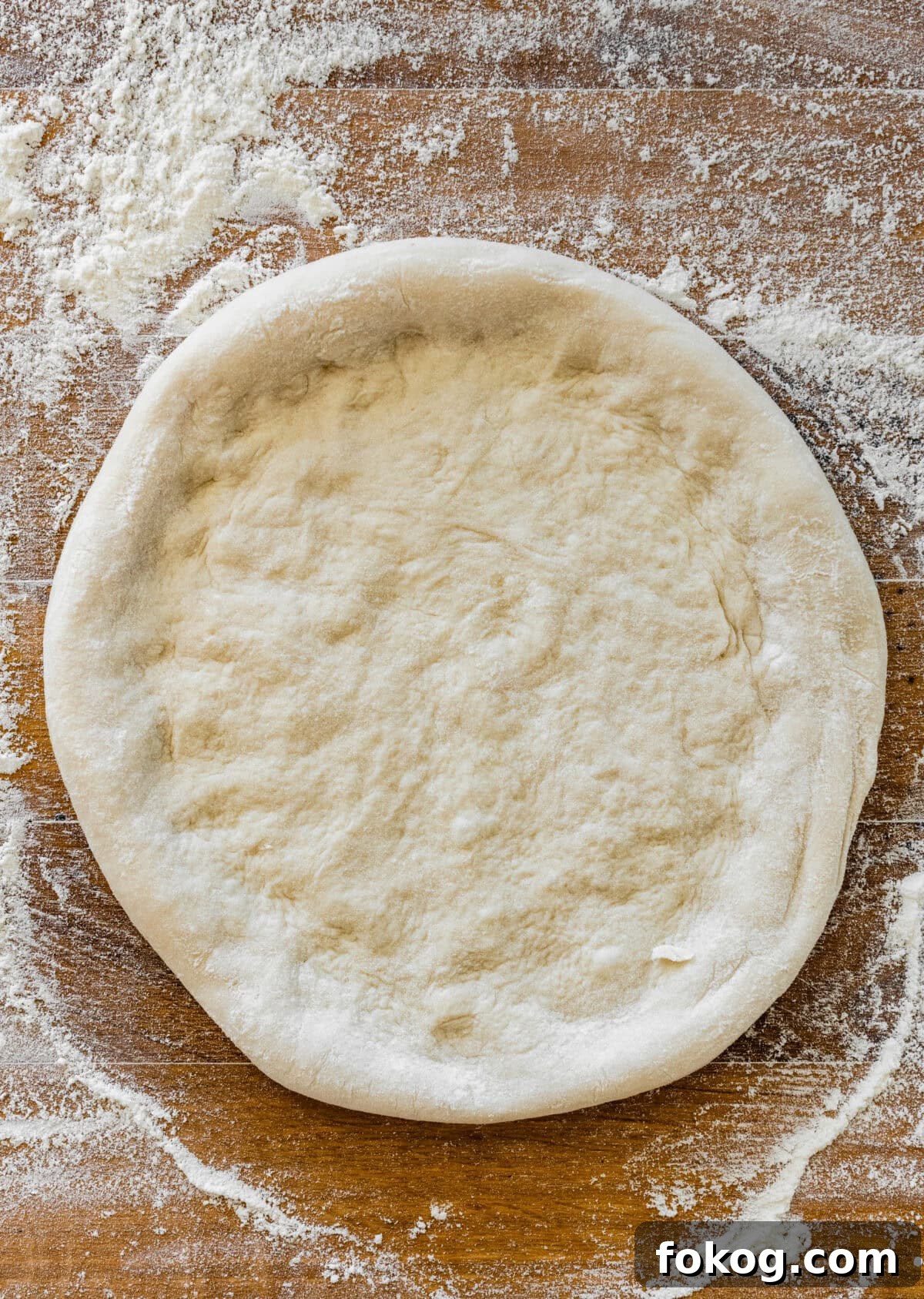
- Gently stretch the dough to form 10–12″ rounds. Transfer to a pizza peel dusted with semolina or a sheet pan.
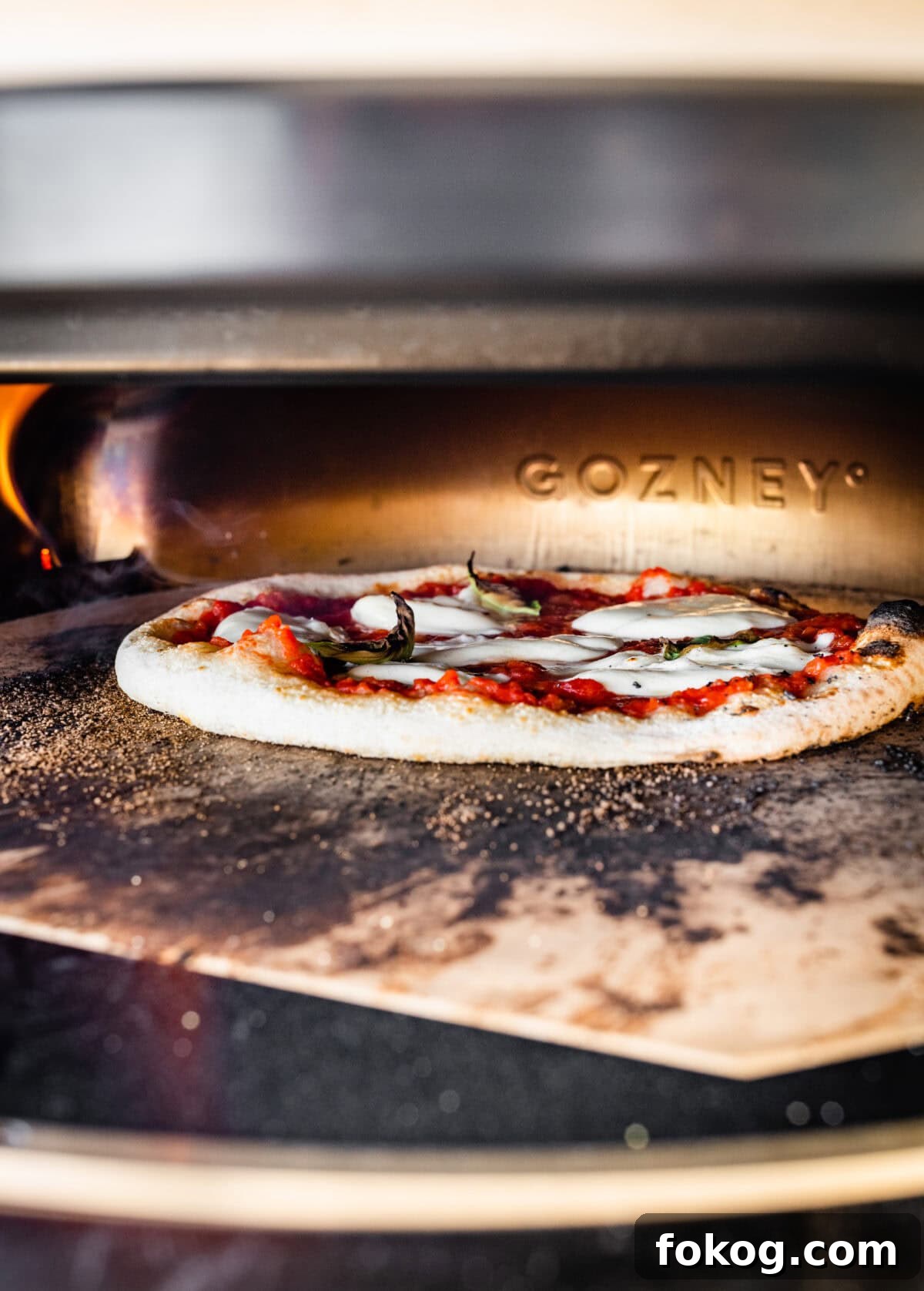
- Preheat your oven with a pizza stone to the highest setting (typically 550°F) for at least 30 minutes; professional pizza ovens run much hotter. Add tomato purée and toppings, keeping them light.

- Bake in a home oven at 550°F for 10–15 minutes, or in a pizza oven at 900°F for about 5 minutes, until the crust is blistered and lightly charred. Slice and serve immediately.
Recipe FAQs
Neapolitan dough uses only Tipo 00 flour, water, salt, and yeast. It typically has higher hydration (around 60–65%), long cold fermentation (24–48 hours), and is hand-stretched rather than rolled to achieve a thin base with a light interior and crisp, chewy crust.
Tipo 00 flour is ideal because it’s finely milled and yields a soft, elastic dough that stretches easily and bakes to a light, blistered crust. High-quality bread flour is an acceptable substitute if needed.
Stored in the refrigerator, dough will keep up to 48 hours. Longer fermentation enhances flavor—store it well covered to prevent drying.
Yes. Freeze after shaping into balls. Thaw overnight in the fridge, then bring to room temperature before shaping and baking.
Serving Suggestions
This Neapolitan pizza pairs well with simple Italian sides and fresh salads. Keep toppings and sides balanced so the pizza remains the star. Classic pairings include light green salads, roasted vegetables, or a simple antipasto. Finish with a traditional dessert like tiramisu or a fruit-based cake if you wish.
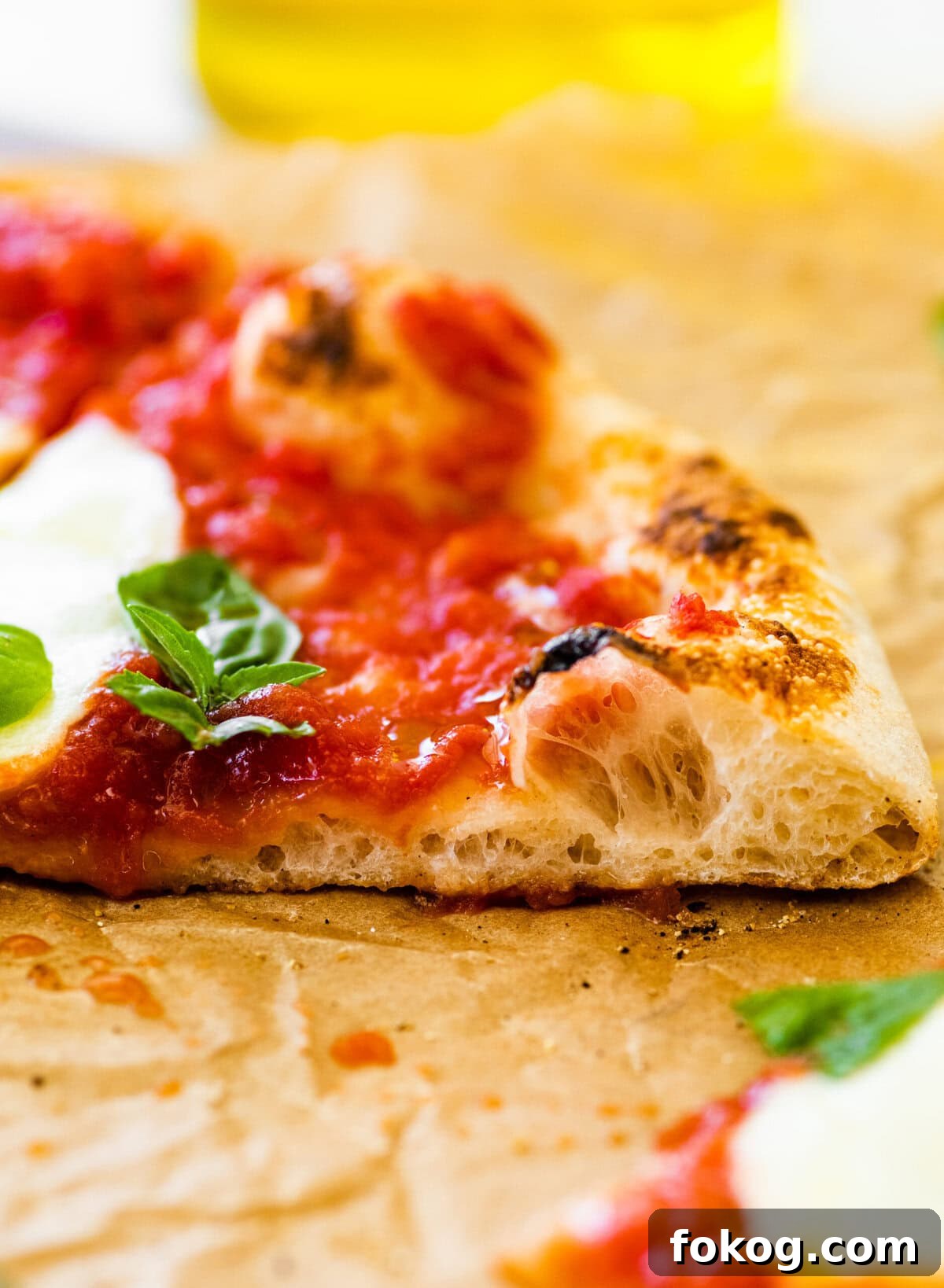
My Pro Tips
Expert Tips
- Use Tipo 00 flour for the authentic texture and char.
- Weigh ingredients in grams for consistent hydration and reliable results.
- Cold fermentation for 24–48 hours improves flavor and digestibility.
- Stretch the dough by hand—avoid rolling pins so you preserve air pockets.
- Keep toppings light to prevent a soggy center; add fresh ingredients like basil and a drizzle of olive oil after baking.
More Italian Pizza Recipes You’ll Love
Pear, Honey, Walnut Cheese Pizza
Pinsa Romana Recipe (Roman Style Pizza Dough)
Homemade Pizza Margherita (Authentic Italian)
Pizza Al Taglio (Authentic Roman Pizza by the Slice)
💙 MADE THIS RECIPE AND LOVED IT? 💙 Please leave a star rating and comment below — I love seeing your results!
Neapolitan Pizza Dough

Equipment
-
Pizza stone or baking steel and a pizza peel
Ingredients
- 2½ cups room temperature water, + 1 teaspoon warm water
- 35 oz Tipo 00 Pizza Flour, or good-quality bread flour
- 5 teaspoons salt
- ½ teaspoon dry yeast
Instructions
Night Before Baking
-
In a large bowl, dissolve the salt in the water. Add about 100 g of the flour and mix until a thin batter forms. Stir in the yeast until dissolved.
-
Gradually add the remaining flour, mixing until the dough comes together. Transfer to a clean surface and knead for 10 minutes, cover and rest 10 minutes.
-
Knead another 10 minutes until smooth and elastic. Rest 10 minutes to relax the gluten.
-
Form into a smooth ball, place in a lightly floured bowl, cover, and let rest overnight (8–12 hours) at room temperature.
Next Morning: Shaping Dough and Cold Fermentation
-
Divide the dough into 8 equal pieces (about 250 g each). Shape each into a tight ball using the pinch-and-tuck method.
-
Place dough balls on a floured tray, cover tightly, and refrigerate for 6–48 hours. Longer cold fermentation improves flavor.
Day of Baking: Shaping & Baking
-
Remove dough 2–3 hours before baking and let come to room temperature while covered.
-
Preheat the oven to its highest setting with a pizza stone for at least 30 minutes (550°F for home ovens).
-
Lightly flour the surface, flatten each dough ball with your fingers leaving a thicker rim, then stretch into a 10–12-inch circle.
-
Place the stretched dough on a peel dusted with semolina, add tomato purée, mozzarella, and light toppings. Slide onto the preheated stone and bake until blistered and cooked through (10–15 minutes at 550°F).
-
Remove, add fresh basil and a drizzle of olive oil, then slice and serve immediately.
Notes
- The double knead (with a short rest between) improves dough structure and elasticity.
- Cold fermentation enhances flavor—don’t skip it when possible.
- If the dough feels tight after refrigeration, allow it to relax fully at room temperature before shaping.
Pinch and Tuck Method Explained
- Flatten a piece of dough slightly, then pinch the edges toward the center.
- Lift the edges and tuck them underneath repeatedly to build surface tension.
- Flip the ball smooth-side up and, if needed, roll gently under your palm to tighten.
- The goal is a smooth, tear-free ball that will rise and bake evenly.
Nutrition
Nutrition information is approximate and automatically calculated.