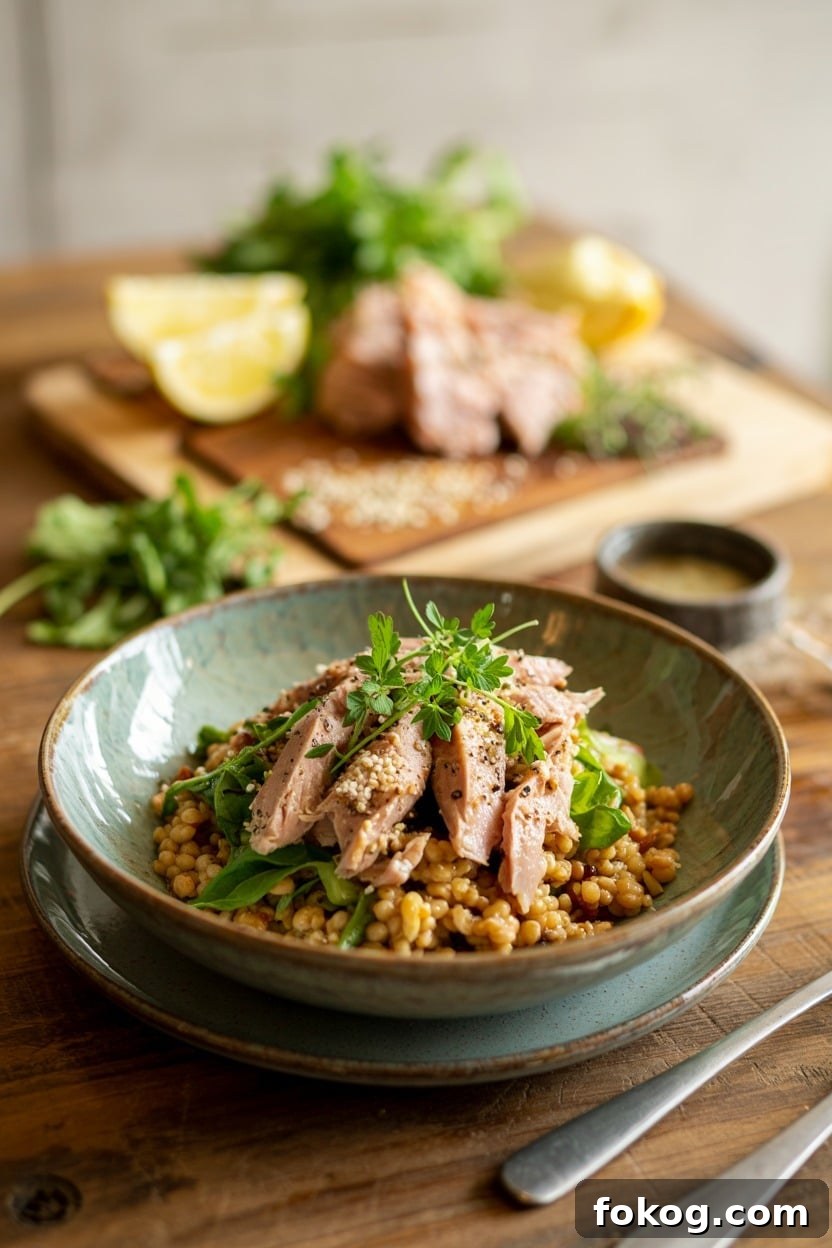
Tuna grain bowls are a fresh, satisfying twist on traditional tuna dishes. They combine cooked whole grains—such as quinoa, farro, or brown rice—with tuna, crisp vegetables, creamy avocado, and a bright dressing to create a balanced meal that’s both nutritious and flavorful. The contrast of textures—from chewy grains to crunchy radishes and silky avocado—keeps every bite interesting while providing a complete plate of protein, fiber, and healthy fats.
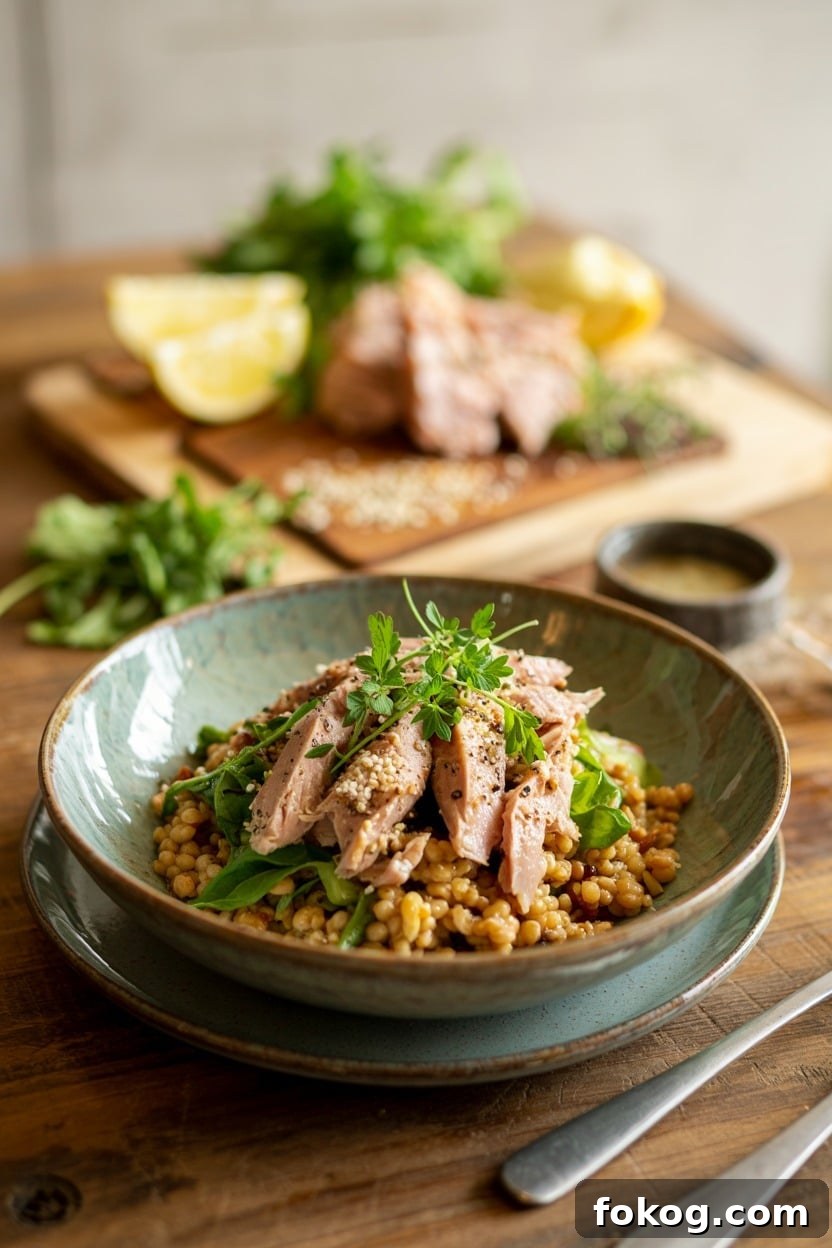
A well-composed tuna grain bowl balances creamy avocado and tender tuna with crisp, fresh vegetables and a dressing that brightens the dish—think citrus vinaigrette or a sesame-ginger dressing. The result is a bowl that feels hearty without being heavy, making it ideal for lunch, a light dinner, or meal prep. Presentation is simple yet elegant, and the bowl can be assembled quickly when ingredients are prepped in advance.
Table of Contents
Why Tuna Grain Bowls Make Perfect Balanced Meals
Tuna grain bowls combine convenience and nutrition in a single dish. They deliver high-quality protein from tuna, fiber and complex carbohydrates from whole grains, and healthy fats from avocado and seeds. The components can be prepared ahead and assembled quickly, making this format well suited to busy schedules without sacrificing taste or presentation.
The flavor profile is layered and balanced: creamy avocado and mild tuna pair well with a tangy, umami-rich dressing and crunchy vegetables, creating a satisfying mouthfeel and bright, memorable flavors.
Essential Ingredients for Flavorful Tuna Grain Bowls
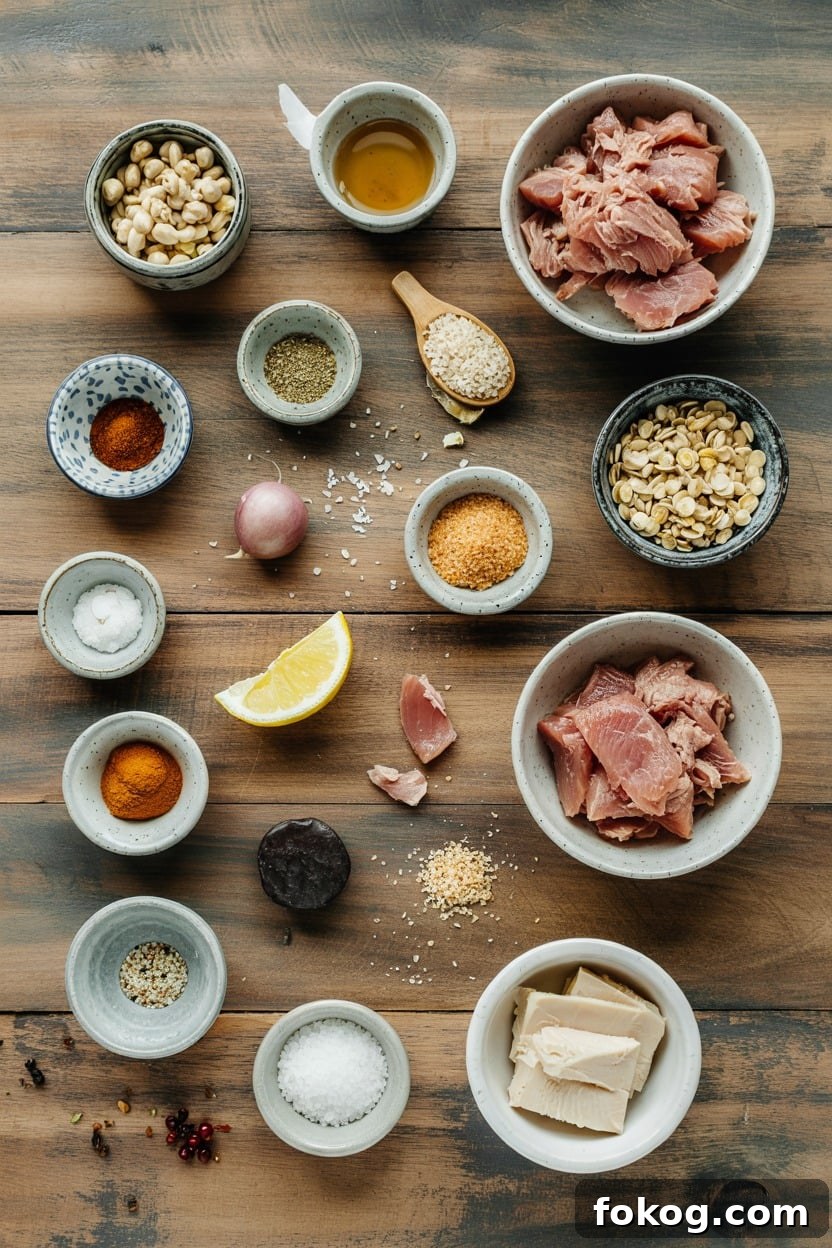
You only need a few core ingredients to build a standout tuna grain bowl. Each element contributes taste, texture, or nutrition:
- Tuna: Use high-quality canned tuna drained well, or a fresh tuna steak briefly seared for a richer texture.
- Whole Grains: Quinoa, farro, or brown rice offer a chewy, satisfying base and add fiber.
- Fresh Vegetables: Cucumber, radishes, carrots, and bell pepper bring crunch and color.
- Leafy Greens: Spinach, arugula, or mixed greens provide freshness and volume.
- Avocado: Adds creaminess and healthy fat that balances acidity in dressings.
- Dressing: Sesame-ginger, lemon vinaigrette, or a light citrus-based dressing brightens flavors without overpowering the tuna.
- Crunchy Toppings: Toasted sesame seeds, pumpkin seeds, or chopped nuts add texture and a nutty finish.
How to Make a Tuna Grain Bowl: Simple Steps for a Flavor-Packed Meal
Assembling a tuna grain bowl is straightforward. Prepare each component separately to preserve texture, then combine just before serving.
- Cook the grains: Rinse quinoa or brown rice, then cook until tender but still slightly firm. Drain any excess water and fluff with a fork.
- Prep vegetables and greens: Thinly slice cucumbers, radishes, and carrots. Wash and dry greens thoroughly to keep them crisp.
- Make the dressing: Whisk together ingredients like soy or tamari, toasted sesame oil, lime or lemon juice, and fresh ginger for a balanced, umami-forward dressing.
- Prepare the tuna: For canned tuna, drain thoroughly and flake lightly. For fresh tuna steak, marinate briefly if desired and sear over high heat for a short time to keep the center tender.
- Assemble: Start with a base of grains, add greens and sliced vegetables, arrange avocado, top with tuna, and finish with a drizzle of dressing and a sprinkle of toasted seeds or herbs.
- Serve or store thoughtfully: Serve immediately for best texture. If making ahead, keep grains, protein, and dressing separate and combine just before eating to avoid sogginess.
Perfect Side Dishes to Pair with Tuna Grain Bowls
Light sides complement a tuna grain bowl without overwhelming it. A simple miso soup or a clear broth-based soup provides a warm, umami-rich contrast, while a small seaweed salad or pickled vegetables adds acidity and brightness. These pairings keep the meal balanced and refreshing.
How to Store and Reheat Tuna Grain Bowl Safely
Proper storage preserves texture and flavor:
- Cool all components completely before refrigerating to prevent condensation and sogginess.
- Store grains, vegetables, and tuna in separate airtight containers to maintain their individual textures.
- Reheat grains gently with a splash of water or broth to retain moisture; avoid repeatedly reheating tuna.
- Freeze cooked grains and dry ingredients in sealed containers for up to two months; keep fresh vegetables and avocado for immediate use.
Common Questions About This Recipe
Can I use canned tuna instead of fresh tuna steak?
Yes. High-quality canned tuna works well and speeds preparation—just drain it thoroughly to avoid excess moisture in the bowl.
Is this recipe suitable for meal prep and make-ahead lunches?
Absolutely. Store components separately—grains, dressing, vegetables, and tuna—and assemble when ready to eat for the best texture and freshness.
How can I make the grain bowl keto-friendly or low-carb?
Substitute grains with cauliflower rice or spiralized vegetables, increase leafy greens and nuts for fat and fiber, and use fresh tuna or salmon as your protein.
What alternatives can I use if I’m gluten intolerant?
Choose naturally gluten-free grains like quinoa or brown rice, and use tamari instead of soy sauce in your dressing to keep the bowl gluten-free.
How do I avoid watery or soggy tuna grain bowls?
Drain canned tuna and any watery vegetables well. Add dressing only just before serving and store components separately if preparing ahead to maintain crispness.
If you want to vary flavors while keeping the grain-bowl format, swap proteins or dressings to suit your preferences—simple adjustments can create many new combinations without changing the straightforward assembly that makes tuna grain bowls so appealing.