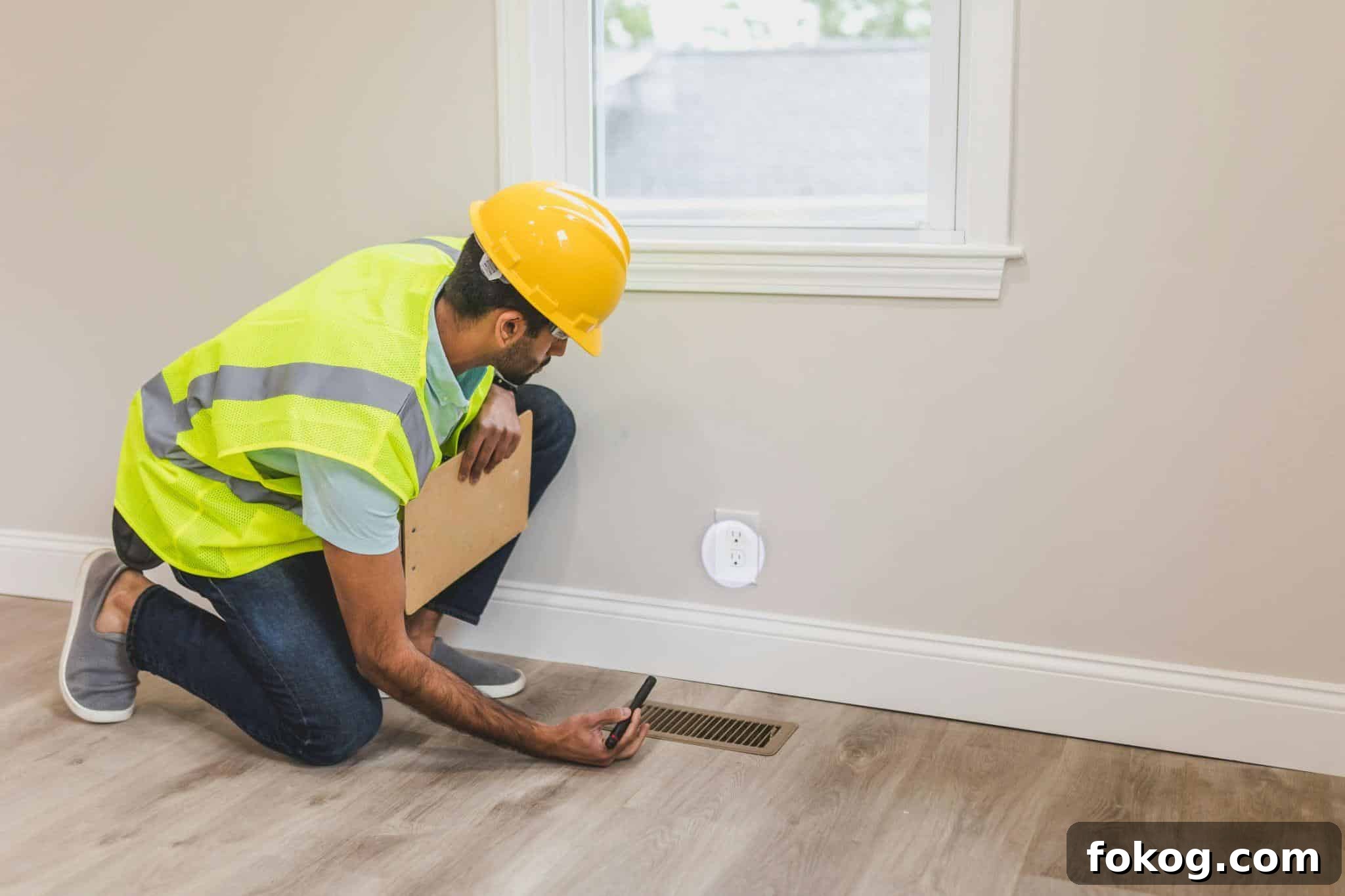
If you’ve owned a home for more than five minutes, you know the to-do list never ends. Something always needs fixing, replacing, or updating. While many repairs can wait, some should be handled immediately—especially if you live in the South, where humidity, heat, and storms speed up wear and tear.
This guide helps you prioritize: what demands attention now and what can wait until your schedule and budget allow.
Roof Repairs That Can’t Wait
Your roof protects the entire structure of your home. When it’s damaged or aging, that protection is compromised. Watch for these warning signs:
- Missing, cracked, or curling shingles
- Water stains on ceilings or attic walls
- Sagging areas or visible dips in the roofline
- Shingle granules collecting in gutters
- Daylight visible through attic roof boards
Even a small leak can lead to mold, wood rot, damaged insulation, and costly interior repairs. With frequent storms and heavy rain common in the Southeast, address roof issues quickly. Schedule an inspection at least once a year and always after major storms to catch problems early.
Fixing Leaks Before They Wreck Your Home
Water damage often hides behind walls, under sinks, or around windows until it’s severe. Common sources include:
- Leaky pipes or faucets
- Damp spots on walls or ceilings
- Musty smells in basements or crawl spaces
- Overflowing gutters or poor drainage near the foundation
In warm, humid climates, water problems worsen quickly—mold spreads fast and wood deteriorates when constantly wet. Address any leak immediately. Clearing clogged gutters and correcting drainage slopes are relatively simple fixes that can prevent foundation damage down the line.
Electrical Red Flags You Shouldn’t Ignore
Electrical issues are a safety hazard. If you notice any of these signs, get a licensed electrician to inspect the system:
- Lights that flicker or buzz
- Outlets or switches that feel warm to the touch
- A circuit breaker that trips frequently
- Burning or acrid smells near outlets or the panel box
These symptoms can indicate faulty wiring, outdated panels, or overloaded circuits and left unaddressed could cause fires. Professional evaluation and repair are strongly recommended for electrical concerns.
When Structural Issues Are Serious
Not all cracks mean doom—small, vertical hairline cracks are often just settling. But certain signs suggest more serious structural problems:
- Wide, horizontal cracks in walls
- Doors or windows that suddenly won’t close properly
- Sloping floors or leaning walls
- Cracks in the foundation or exterior brickwork
These can indicate foundation movement, significant settling, or wood rot. Structural issues rarely improve without professional intervention. If you see these signs, consult a structural engineer or foundation specialist to assess and recommend repairs.
The HVAC Hustle
Heating and cooling affect comfort, energy costs, and indoor air quality. In hotter climates, a failing HVAC system can quickly become a serious problem. Look for these indications:
- Unusual noises or persistent odors from the system
- Inconsistent temperatures or uneven airflow throughout the house
- A sudden, unexplained spike in energy bills
- An HVAC unit that’s more than 10 years old
Regular maintenance—clean filters, clear vents, and seasonal tune-ups—keeps systems running efficiently and extends their life. Have a technician inspect the system if you notice performance drops or strange symptoms.
Cosmetic vs. Critical: When You Can Chill on a Repair
Many projects are purely cosmetic: peeling paint, outdated cabinets, or a dated backsplash. These can wait because they don’t threaten safety or structure. Prioritize repairs that prevent damage or danger; save aesthetic upgrades for when time and money allow.
Group non-urgent tasks into seasonal projects—repaint in the off-season or update fixtures during slower home-improvement months. This approach spreads cost and keeps repairs manageable.
Know When to Call in the Pros
DIY can save money on simple jobs, but hire professionals when a project involves specialized skills, risk, or code compliance. Call a pro when:
- The work involves roofing, electrical, or major plumbing
- Permits or inspections are required
- You’re unsure how to fix the issue properly
- You want a warranty or insurance-backed workmanship
Professionals bring experience, proper tools, and safety protocols. They often complete work faster and with fewer mistakes, which can save money and stress over time.
Start with the big-ticket, high-risk items: roof damage, water intrusion, electrical hazards, structural problems, and failing HVAC systems. Cosmetic updates and minor improvements can wait until you have bandwidth.
Your home doesn’t need to be perfect—just safe, sound, and maintained in the right order. Prioritizing the repairs that protect your property and your family will make homeownership far less stressful.