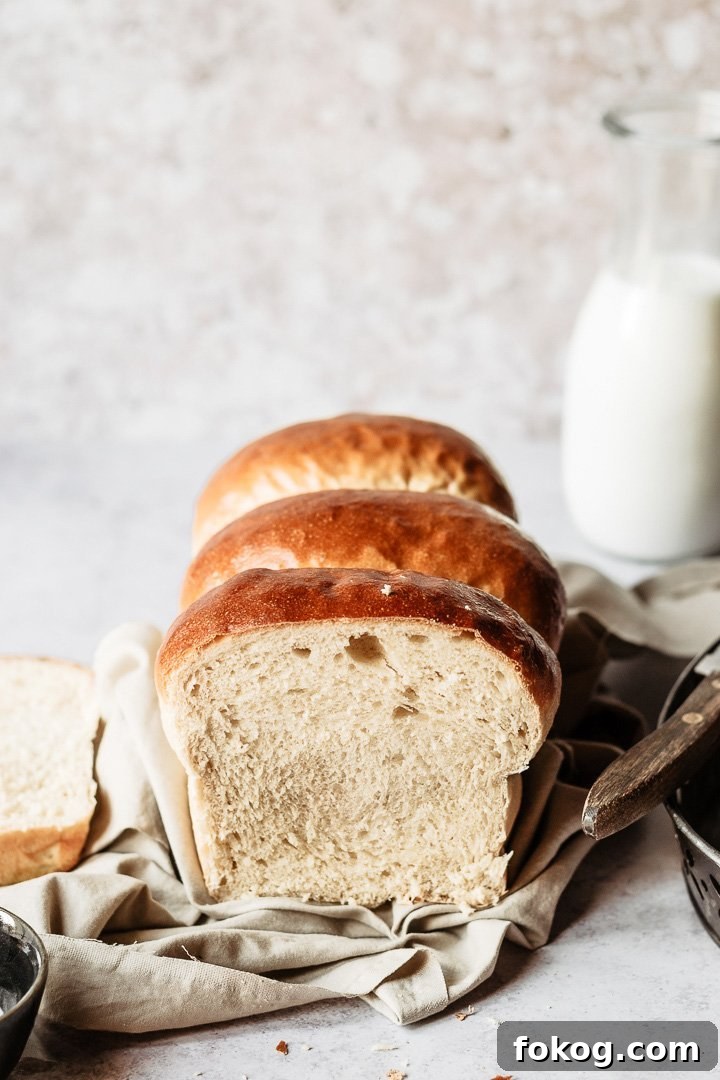
This is the recipe you’ve been waiting for if you follow me on Instagram.
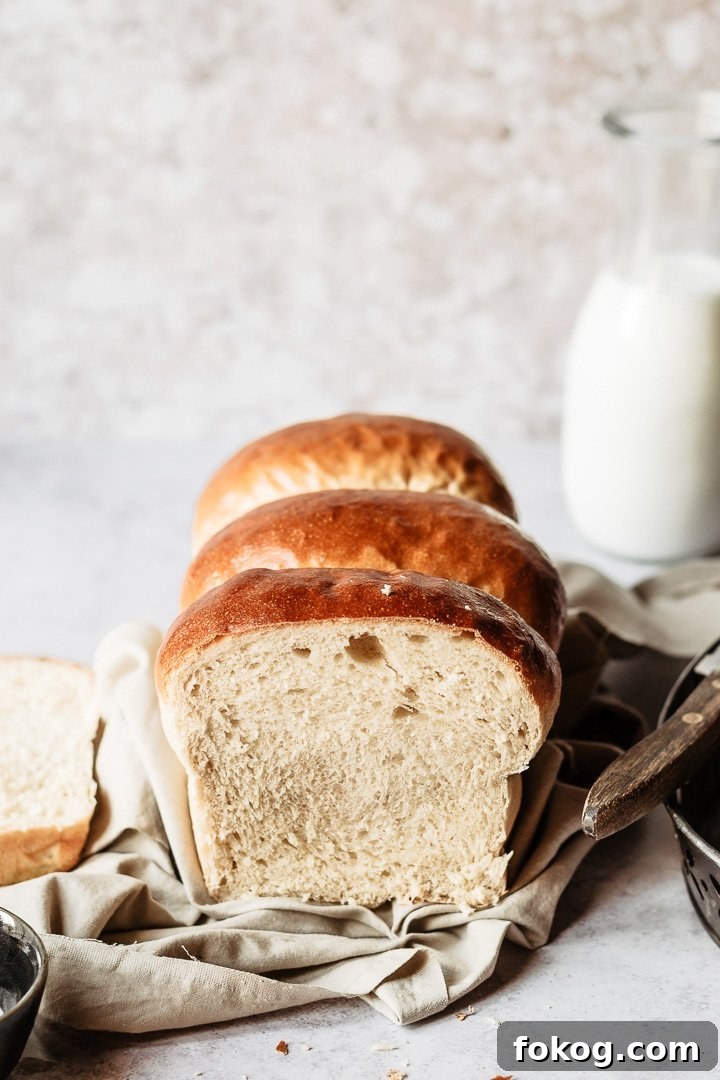
It’s the softest bread you’ll ever taste.
If you want to be swept away by tenderness, try my Hokkaido milk bread. I promise it will amaze you!
[Check my Instagram stories to see the method and understand the dough’s consistency]
Let’s all give a big thanks to Mr. MILK for this extraordinary softness.
Milk works wonders, and if you read the whole post you’ll understand why!
If you were looking for a mildly sweet idea for breakfast or a snack, this will likely become your new favorite recipe.
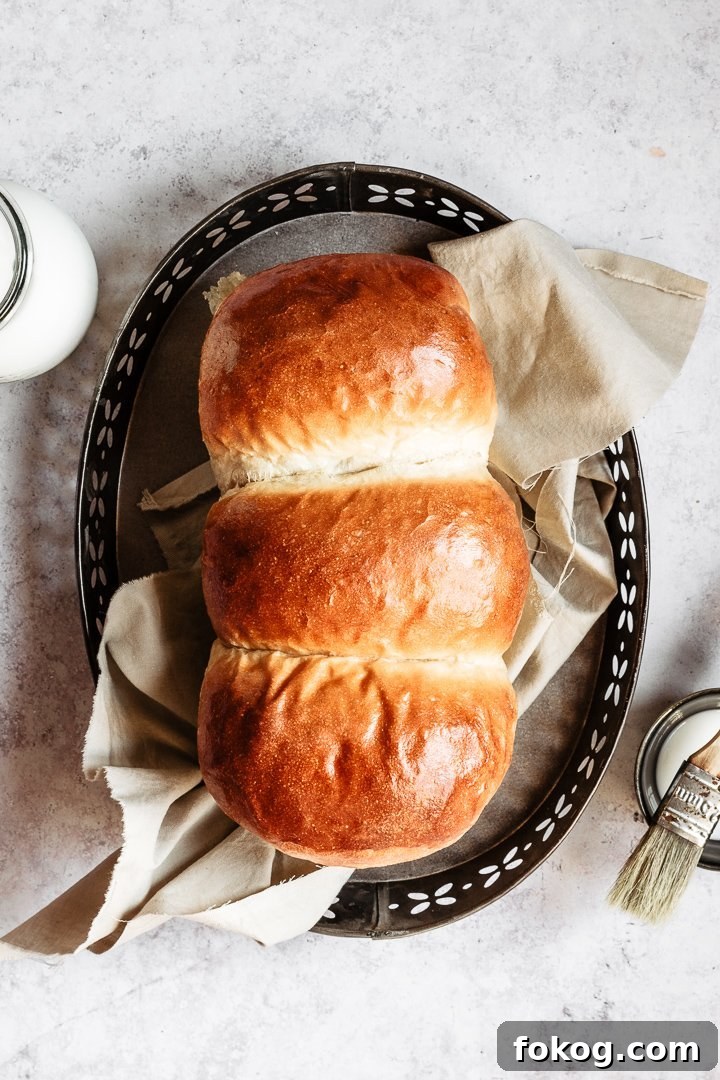
Hokkaido Milk Bread — soft as a pillow
I first saw this style of bread in early 2019 when I stumbled upon a Japanese baking video. I was enchanted within the first five seconds — I remember thinking, “Oh my, it looks like a pillow!” The softness was unbelievable.
As a lover of carbs and yeasted breads, I immediately wanted to recreate it. I researched different versions online to compare techniques and ingredients.
One issue: many recipes called for powdered milk (a common ingredient in traditional Hokkaido milk bread). I searched supermarkets without success, so I tried a version without it — and it turned out very good.
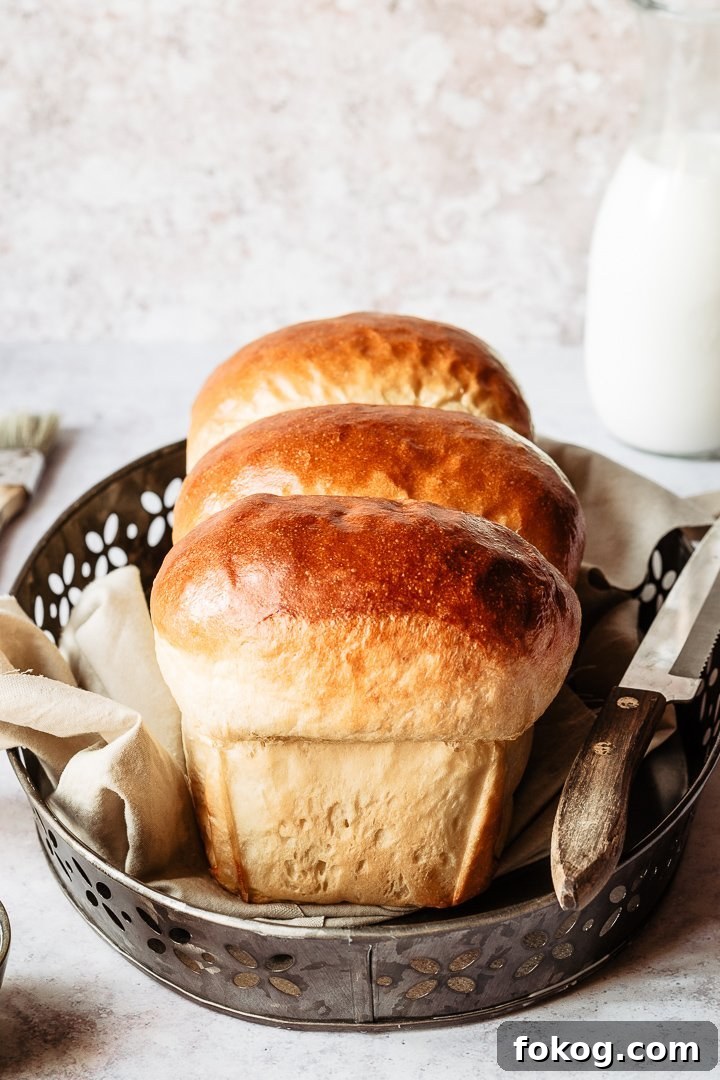
Then I had an idea: why not try condensed milk?
The aroma that filled my kitchen (and the whole house) was delightful. Condensed milk — essentially milk and sugar — gave the bread an extra sweet, milky note that I loved.
Although the added condensed milk is only a small amount in the whole dough, it does make a noticeable difference in flavor.
Ready to make the softest milk bread you’ve ever tried?
About the flavor
I admit I’m impatient with baked goods — I often cut into them before they cool (which you shouldn’t do!). The first time I baked this Hokkaido milk bread I tasted it right away. The first bite took me back to childhood memories of milk rolls my mother used to buy at the bakery: milky, slightly sweet, comforting — perfect for breakfast or as a simple sandwich bread.
Note: after more experimenting I eventually found powdered milk at a local store and now sometimes use that as well.
I also tried the recipe with chocolate chips to make sweet rolls (pangoccioli) — they were a hit with my nieces and nephews.
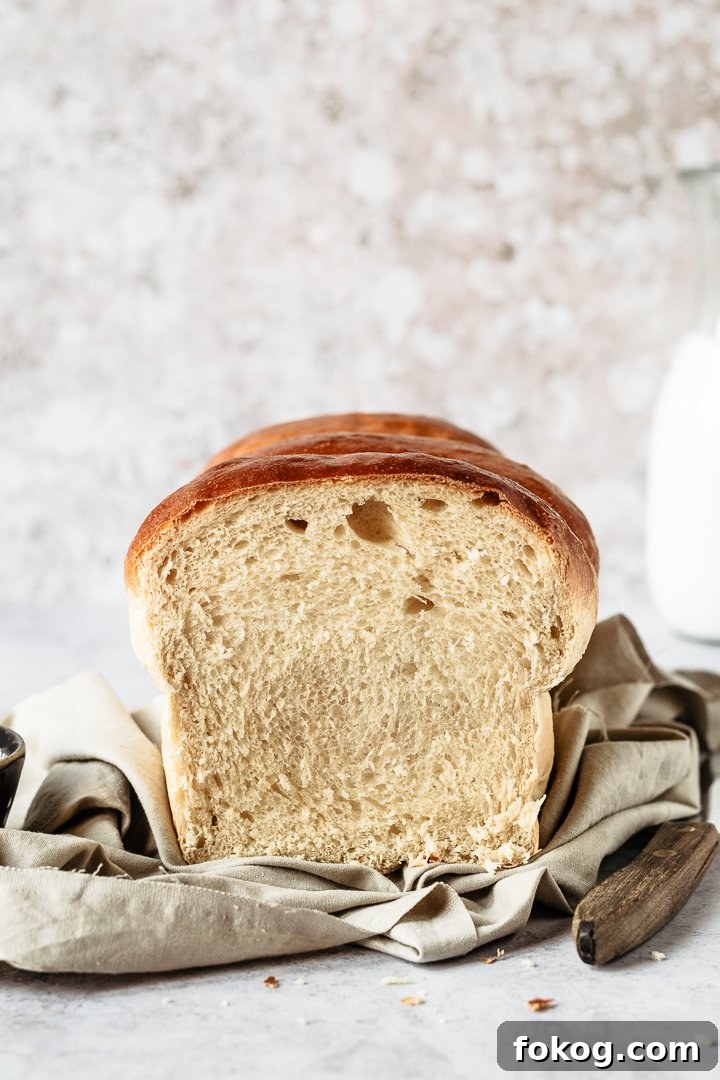
What is the Tangzhong method (water roux)?
The water roux is a simple gel made from flour and water (or milk and flour). You combine the two ingredients in a small saucepan and heat gently to about 65°C so the starches gelatinize and the mixture thickens into a paste.
When this gel is incorporated into the dough it helps the bread retain moisture and stay soft for longer than a loaf made without it.
Why does water roux make the bread so soft?
In short: the flour-water gel holds additional moisture in the dough, increasing hydration. During baking, that water vapor expands from within, helping the loaf rise and stay tender. The result is a wonderfully pillowy crumb.
What does milk (or condensed milk) do?
Milk and milk powder contribute to a softer crumb and add that distinctive milky, slightly sweet flavor. They also encourage a golden, lightly caramelized crust.
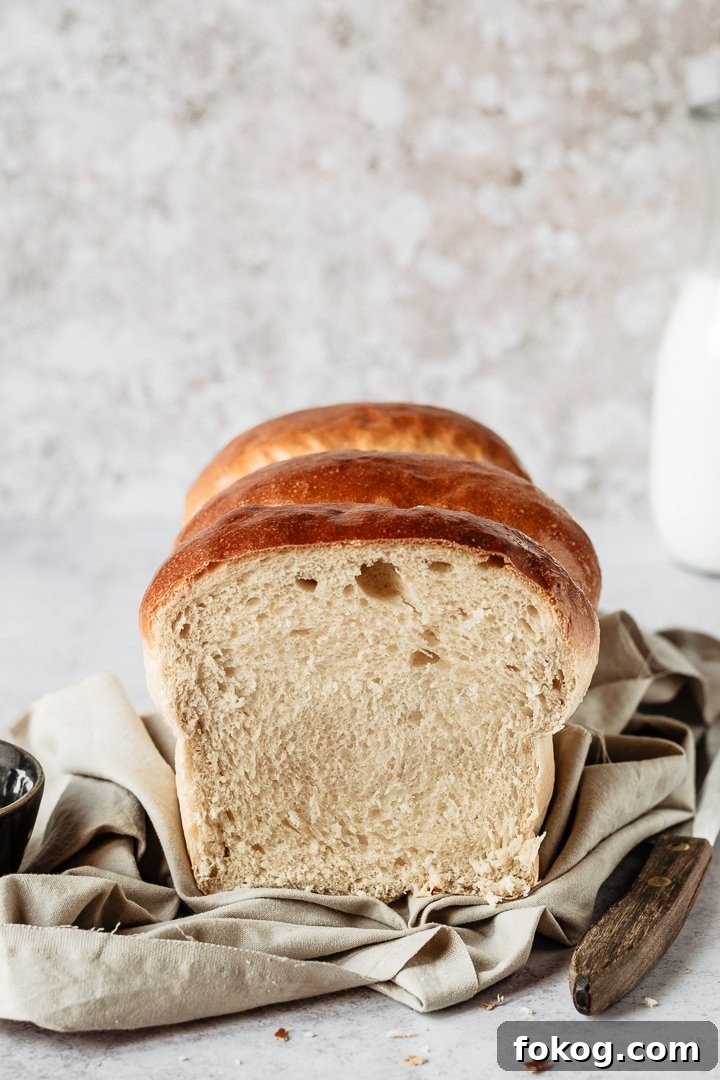
Two crucial steps for ultra-soft bread
After making this bread many times, I found two non-negotiable steps that give that pillow-like softness:
- Tangzhong is essential: this step is the secret to the texture and improves shelf life. Don’t skip it.
- Brush with milk right after baking: once the loaf comes out of the oven, brush it with a little milk for extra sheen and that milky finish.
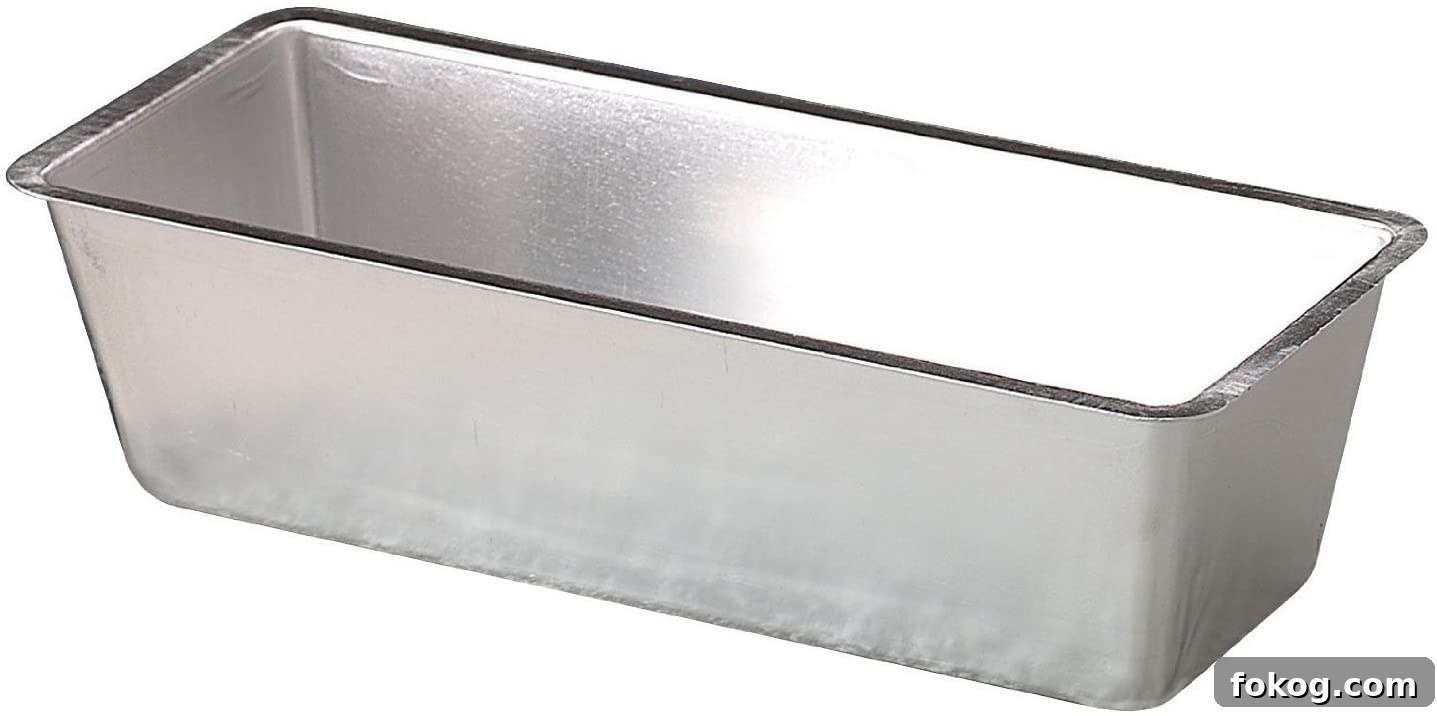
Pan and thermometer — tips
A good loaf pan makes shaping easier. A kitchen thermometer is inexpensive and useful for several baking tasks — consider getting one if you bake often.
If you enjoy this recipe, please leave a five-star review — it would make me very happy! 🙂

If you try this recipe or make your own version, tag me on Instagram or send a direct message — I love seeing your photos!
Pin this recipe and share!
HOKKAIDO MILK BREAD
30 minutes
20 minutes
1 hour 45 minutes
1 whole loaf (9 slices)
Roberta
Equipment
- Loaf (plumcake) pan
Ingredients
For the Tangzhong (water roux):
- 25 g all-purpose flour (type 0)
- 100 g water
For the bread:
- 320 g all-purpose flour (or 50/50 with whole wheat)
- 30 g brown sugar
- 5 g salt
- 5 g active dry yeast
- 120 g warm milk (about 35–40°C)
- 5 g condensed milk or milk powder (optional but recommended)
- 25 g egg (about half an egg)
- 25 g high-quality butter, softened (not melted)
For brushing:
- Milk
- Remaining half egg
Instructions
Tangzhong (water roux):
- Combine the flour and water in a small saucepan and whisk gently. Cook on low heat, stirring constantly with a spatula to prevent sticking, until the mixture thickens into a gel. Ideally heat to about 65°C so the starches gelatinize.
- Transfer the roux to a plate, cover with plastic wrap so the film touches the surface (this prevents a skin), and let it cool.
For the bread:
- In the bowl of a stand mixer (or by hand), combine flour, salt, and sugar and start mixing on medium speed. Add the yeast and warm milk (35–40°C).
- Gradually add half the beaten egg, the condensed milk (or milk powder, optional), and the cooled tangzhong. Mix to incorporate.
- Add the softened butter and knead for about 15 minutes until the dough is smooth and elastic.
- Shape the dough into a ball, place it back in the bowl, cover with plastic wrap, and let it rise in a warm place for about 50 minutes or until doubled.
- Gently deflate the dough, divide into 3 or 4 equal pieces, and shape into balls. Cover and rest 15 minutes.
- Roll each ball as shown in the reference video technique, then place the shaped pieces into a buttered loaf pan. Let rise until nearly doubled, about 40 minutes.
- For rolls instead of a single loaf: divide into 8 pieces, proof for about 45 minutes, then bake.
- Preheat the oven to 180°C (350°F).
- Mix the remaining egg with a splash of milk and brush the loaf. Bake for about 20 minutes, until golden.
- As soon as the loaf comes out of the oven, brush again with a little milk.
- Carefully remove the bread from the pan and cool on a wire rack. Store in an airtight container — it will stay soft for several days. You can also freeze it.
Notes
You can knead by hand, but it is important to develop the gluten network — knead until the dough is smooth and elastic.
This recipe is adapted from Umi’s Baking; I made a few small changes. Nutritional values are per slice when the loaf is cut into 9 slices.
Nutrition
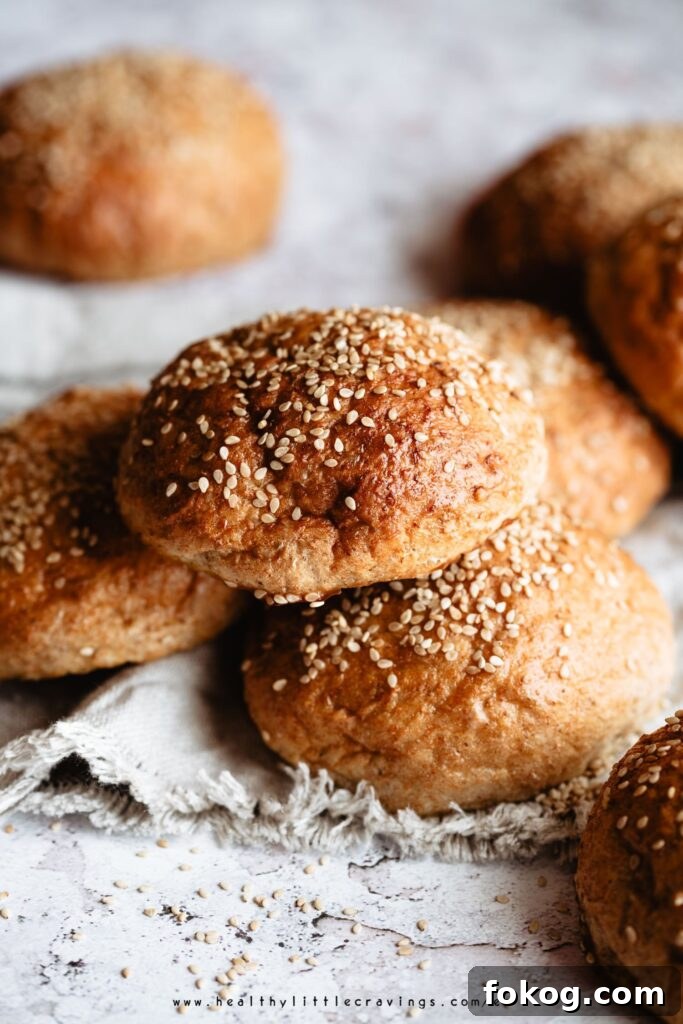
Like this recipe? You might also love these whole wheat burger buns made with the Tangzhong method
© Healthy Little Cravings – Roberta Dall’Alba. All content, texts, images, logo, artwork and graphic design are my property and protected by copyright. Please contact me before republishing material. If you republish a recipe, please rewrite the text and link to this post.