Baking powder and baking soda are two essential leavening agents in baking. Knowing how they work and when to use each one helps you achieve better texture, rise and flavor in cakes, cookies and breads.
Baking powder and baking soda are both chemical leaveners, but they are chemically different.
A chemical leavener is an ingredient added to batter or dough that produces a gas—usually carbon dioxide—during mixing or baking. Those gas bubbles expand in the heat of the oven, causing the baked good to rise. Leavening also contributes to tenderness and crust color.
WHAT IS BAKING SODA?
Baking Soda Formula: NaHCO3
Sodium bicarbonate, commonly called baking soda, has the chemical formula NaHCO3. It is a basic (alkaline) compound that requires an acid to react and produce carbon dioxide gas. In recipes, baking soda must be paired with an acidic ingredient for effective leavening.
When baking soda meets an acid, they react and release carbon dioxide bubbles that help lift and aerate the batter or dough. Typical acidic ingredients in baking include:
- buttermilk
- brown sugar
- molasses
- vinegar
- yogurt
- lemon or other citrus juice
- natural (non-Dutch-processed) cocoa powder
- certain chocolates
Because baking soda is a stronger leavener, it is about three times as effective as baking powder when an acid is present.
For example, cakes made with buttermilk often rely on baking soda for lift; the acid in the buttermilk activates the bicarbonate right away, producing a light crumb.
WHAT IS BAKING POWDER?
Baking powder contains baking soda plus one or more acidic components and usually a starch to keep the mixture dry. Because the acid is already included, baking powder can leaven batters that do not contain other acidic ingredients.
Most commercial baking powders are double-acting: one acid reacts when the powder is hydrated during mixing, and a second acid reacts when exposed to oven heat. This staged reaction provides a reliable rise through mixing and baking.
SUBSTITUTING BAKING SODA AND BAKING POWDER
Baking is precise, so substitutions should be handled carefully. Still, you can make reasonable swaps when needed if you understand how each ingredient behaves.
BAKING SODA SUBSTITUTE
If a recipe calls for baking soda but you only have baking powder, use about three times the amount of baking powder as the required baking soda. Because baking powder contains acid and starch, you may notice a slight change in flavor or texture, but it will provide lift.
BAKING POWDER SUBSTITUTE
If you need baking powder and have baking soda plus cream of tartar, make a quick substitute: combine one part baking soda with two parts cream of tartar (for example, 1 teaspoon baking soda + 2 teaspoons cream of tartar equals 1 tablespoon of baking powder substitute). If you plan to store the mixture, add a little cornstarch to prevent clumping and keep it in an airtight container.
If you lack cream of tartar but the recipe includes an acidic ingredient, you can often use baking soda alone, adjusting the quantity carefully to avoid a metallic or soapy taste.
BAKING POWDER RECIPE
To Make 1 Tablespoon of Baking Powder
- Measure 1 teaspoon baking soda and 2 teaspoons cream of tartar into a bowl.
- Mix until fully combined and use immediately.
To store homemade baking powder, stir in 1 teaspoon cornstarch per tablespoon of mix, then seal in an airtight container.
WHY SOME RECIPES USE BOTH BAKING SODA AND BAKING POWDER
Recipes call for both when there is some acid to neutralize but not enough to provide the total leavening needed. Baking soda neutralizes acid and contributes immediate lift, while baking powder adds additional, often heat-activated rise. Using both helps balance flavor, texture and final volume.
HOW TO TEST BAKING POWDER
Place 1/2 teaspoon baking powder into about 3 tablespoons of warm water. Fresh baking powder will fizz moderately. If there is little or no reaction, replace it.
HOW TO TEST BAKING SODA
Put 1/2 teaspoon baking soda into about 3 tablespoons of white distilled vinegar. Fresh baking soda reacts with rapid bubbling. If nothing happens, discard and buy a new package.
BAKING WITHOUT BAKING SODA OR BAKING POWDER
Some recipes work fine without chemical leaveners. Cookies, shortbreads and certain dense cakes can be made without them. When a recipe calls for eggs, you can separate and whip the egg whites to medium peaks and fold them in last; this traps air and provides rise in light batters (not suitable for very stiff doughs).
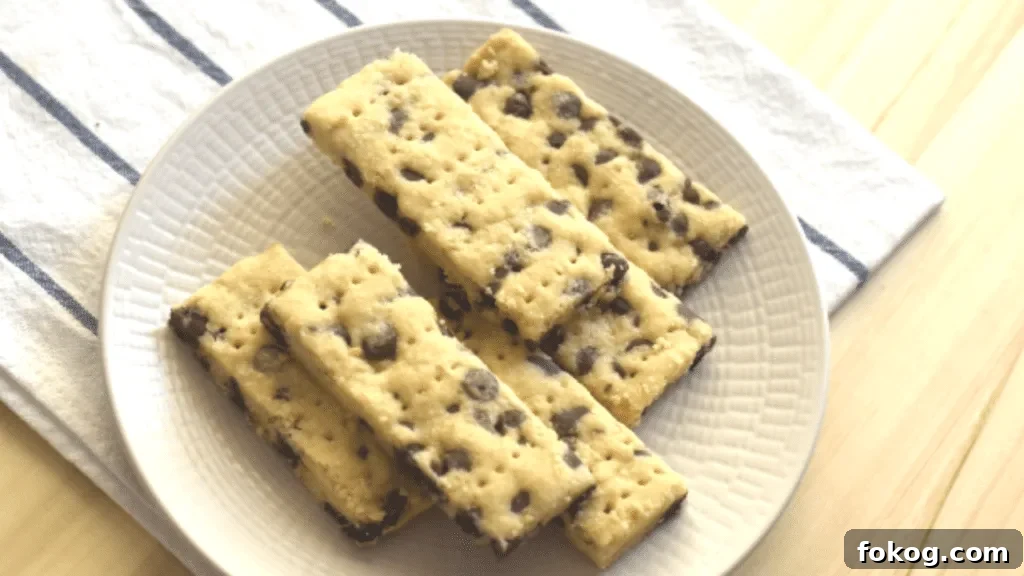
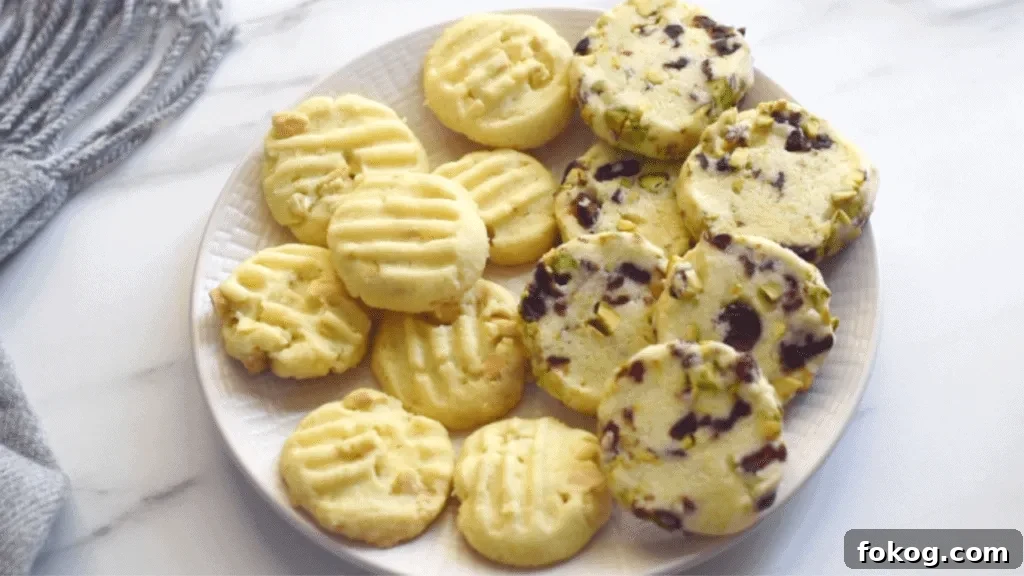
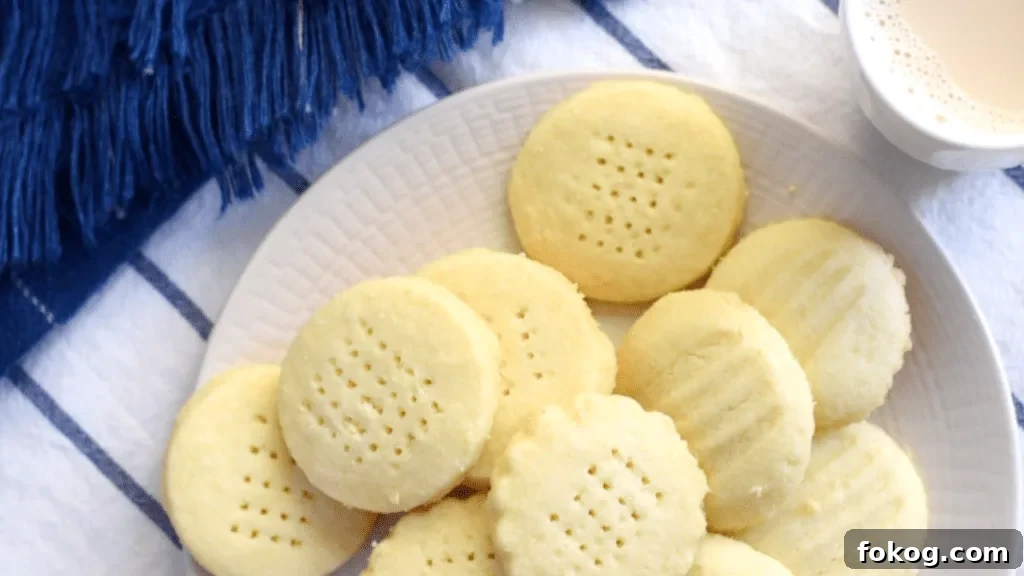
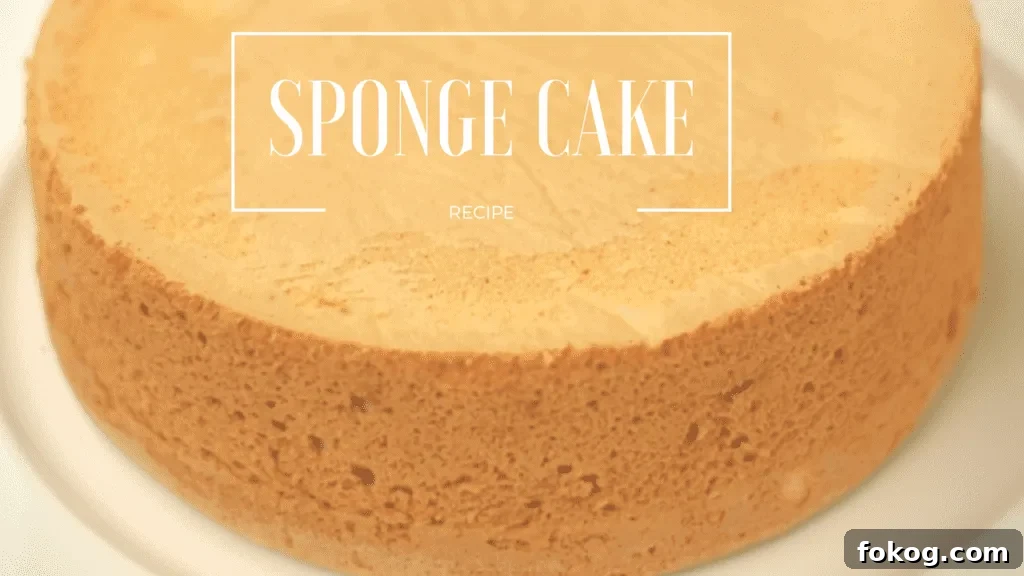
Light sponges and swiss rolls rely on whipped eggs rather than chemical leaveners. For these recipes, whipping the eggs properly and folding them gently is key to achieving volume and a tender crumb.