Wild animals inspire awe with the remarkable abilities that let them survive and thrive. Their strategies—behaviors, instincts, and physical traits—act like nature’s tools, showing how resilient and adaptable they are. Observing these creatures is a journey into a world of surprising feats and lessons. Whether you love nature or are simply curious about animal behavior, there’s plenty to explore. Below, we focus on one iconic species: the bison. Discover what bison taste like, how they live, what they eat, and why they remain one of North America’s most fascinating mammals.
Bison are often underestimated because of their rugged, plain appearance, but they are powerful, intelligent animals adapted to harsh environments. Historically widespread across North America, bison numbers plummeted after European settlement, though conservation efforts have helped some herds recover. Today, bison remain an important symbol of plains ecosystems and human history.
What does bison taste like?
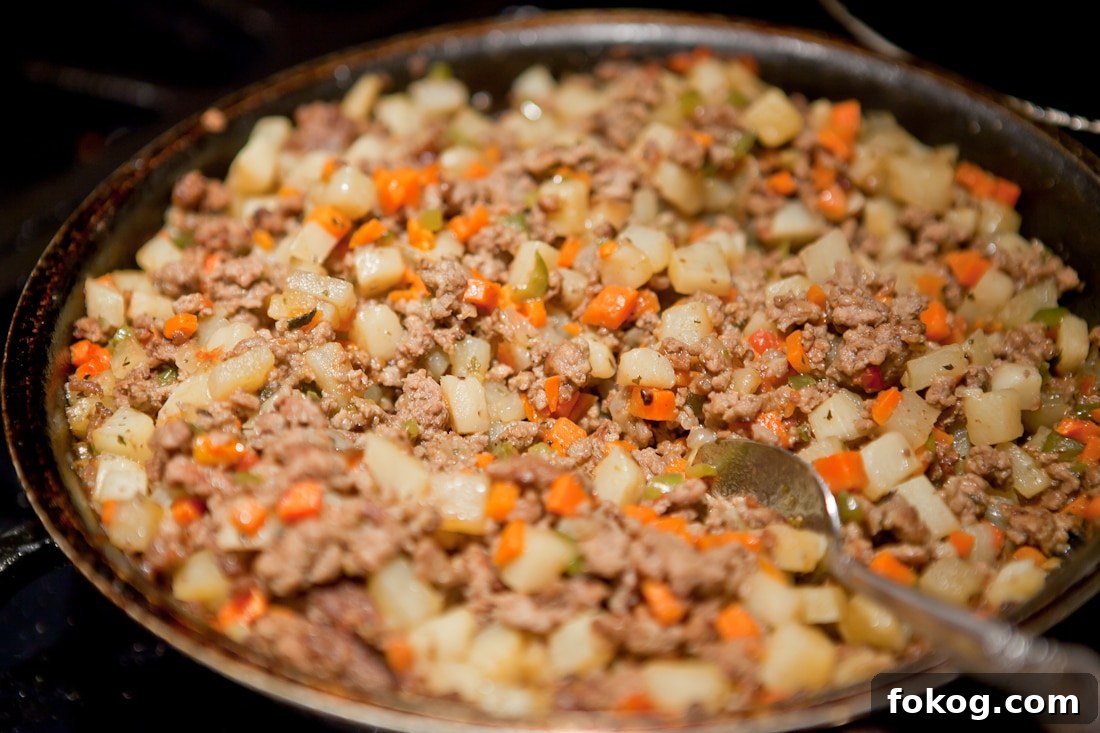
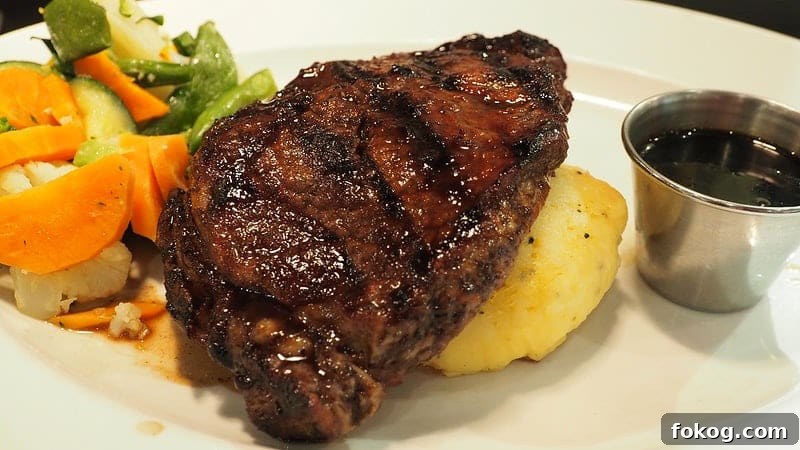
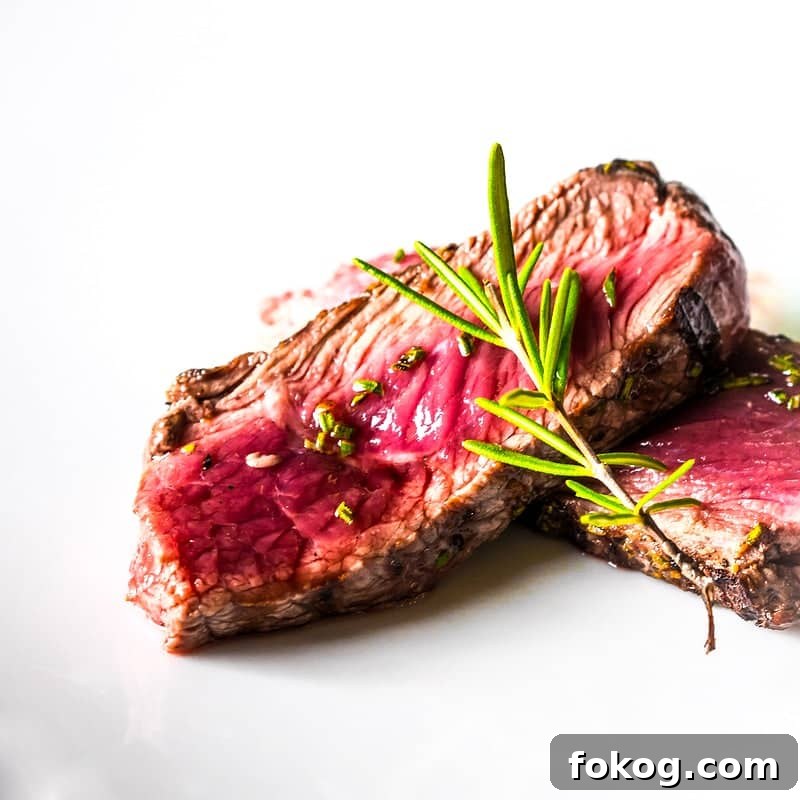
Bison meat is often compared to beef, but it has its own distinct profile. It’s generally leaner than beef, with a slightly sweeter, richer flavor and a clean, grassy finish that reflects the animal’s diet. The texture can be a bit firmer because of the lower fat content, but when cooked properly it becomes tender and flavorful. Bison works well in burgers, steaks, stews, and ground meat dishes—especially when care is taken to avoid overcooking, which can dry it out due to the low fat.
Many chefs and home cooks praise bison for its nutritional benefits: it is higher in protein and lower in saturated fat than many cuts of beef, and it often contains healthy micronutrients like iron, zinc, and certain B vitamins. These qualities make bison an appealing choice for those looking for a lean, nutrient-dense red meat option.
How do bison live?
Bison are large, grazing mammals that evolved to live on open plains and grasslands. Adult males typically weigh between 900 and 2,200 pounds (400–1,000 kg) depending on subspecies and region, while females are smaller. Two main types are often discussed in North America: plains bison and wood bison, each adapted to different habitats and climates.
Bison are social animals that form herds. Herd structure varies seasonally and by age and sex: cows and calves often travel together year-round, while bulls may form bachelor groups or live solitarily outside the breeding season. They are nomadic grazers, traveling to follow food, water, and favorable weather. Their thick coats, large shoulders, and strong neck muscles make them well-suited to breaking through snow and surviving cold winters.
What do bison eat?
Bison are herbivores with a diet dominated by grasses and sedges. They also browse on leaves, twigs, and bark when grass is scarce. Their digestive systems are adapted to process fibrous plant material, and during winter months they can survive on dormant grasses and woody browse. Bison obtain much of their moisture from the plants they eat, which helps them endure dry spells and winter conditions when open water is limited.
Grazing behavior influences prairie ecosystems: bison help maintain grassland diversity by grazing selectively, creating a mosaic of plant heights and habitats that benefits a wide range of species. Their wallows—shallow depressions they make in the ground—also create microhabitats that can support unique plants and animals.
What is the average lifespan of a bison?
In the wild, bison typically live around 12 to 20 years, though life expectancy varies with predation, disease, environmental conditions, and human pressures. Calf survival and herd density influence long-term population trends. Mature bison face threats from severe winters, droughts, and historically from overhunting, but conservation and managed herds have improved survival in many protected areas.
How much does a bison weigh?
Adult bison weight varies by sex, subspecies, and nutrition. Mature bulls commonly weigh between 1,000 and 2,000 pounds (450–900 kg), while cows usually range from 700 to 1,100 pounds (320–500 kg). Some individual animals recorded in exceptional cases reach higher weights, but these are outliers rather than the norm. Height at the shoulder for large plains bison can approach six feet (about 1.8 meters).
Meat quality and nutrition
Bison meat is prized for its lean profile and rich nutrient content. It is generally lower in fat and cholesterol than comparable beef cuts and offers a strong protein content along with iron, zinc, and B vitamins like B12. Bison also contains conjugated linoleic acid (CLA), a type of fatty acid linked in some studies to potential health benefits. Because of the low fat content, cooking methods that preserve moisture—such as quick searing, gentle roasting, or braising—work best.
Cooking tips
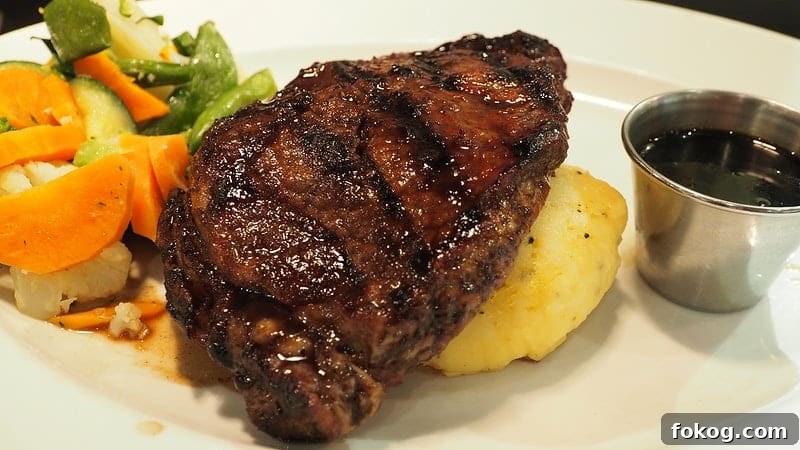
To make the most of bison meat, avoid overcooking. For steaks, aim for medium-rare to medium. Ground bison benefits from added fat or moisture in some preparations—mixing in a little olive oil, butter, or pork fat can help prevent dryness. Slow cooking and braising are excellent for tougher cuts, allowing connective tissue to break down and yield tender results. Season simply to let the natural flavor shine—salt, pepper, and herbs complement bison nicely.
Ground Bison Pasta Recipe
Bison pasta is a quick, satisfying weeknight dinner that highlights ground bison’s rich flavor. This simple recipe combines ground bison with onion, tomato sauce, and Italian seasoning for a hearty pasta topping.
Ingredients (serves 4)
- 1 tablespoon olive oil
- 1 medium onion, thinly sliced
- 1 lb ground bison
- 1 teaspoon kosher salt
- 1/4 teaspoon ground pepper
- 32 oz tomato sauce
- 1 teaspoon Italian seasoning
- 2 tablespoons butter
- 1 lb pasta
Instructions
- Bring a large pot of salted water to a gentle boil for the pasta.
- In a skillet, heat the olive oil and sauté the sliced onion until translucent.
- Add the ground bison and break it up, cooking until browned. Season with salt and pepper and taste to adjust seasoning.
- Stir in the tomato sauce and Italian seasoning, and simmer the sauce for about 10 minutes to develop flavor.
- Cook the pasta according to package directions until al dente. Reserve a cup of starchy pasta water before draining.
- Transfer the cooked pasta to the sauce using a slotted spoon or tongs, adding a splash of the reserved pasta water if needed to loosen the sauce.
- Remove from heat and whisk in the butter to finish the sauce. Serve immediately.
Nutrition (per serving, approximate)
Calories: 428 kcal • Protein: 26 g • Carbohydrates: 21 g • Fat: 28 g • Fiber: 6 g
Related Posts
Bibigo Mini Wontons Using Air Fryer
Gorton’s Fish Stick Air Fryer Style
Wheatgrass Juice Recipe

Giniling Recipe