Smoked ribs are a barbecue classic, but pork ribs come in many different cuts with unique textures and cooking methods. In this guide you’ll find clear, practical instructions for preparing and smoking the seven most common types of pork ribs — plus notes on beef ribs and rib roast. Each section covers trimming, seasoning, smoking temperatures and timing so you can get consistent, delicious results.
7 Types Of Pork Ribs
The seven most common pork rib cuts are baby back ribs, spare ribs, St. Louis style ribs, Kansas City style ribs, rib tips, riblets, and country-style ribs. Spare ribs are economical and include more bone and cartilage, while baby back ribs are leaner with more meat. St. Louis ribs are spare ribs trimmed to remove cartilage and tips and are commonly sauced. Kansas City style typically refers to spare ribs served with a sweet tomato-based sauce.
How To Trim Ribs Before Smoking
Proper trimming improves texture, presentation, and even cooking. Key steps:
- Remove the membrane (silver skin) from the bone side by loosening it with a knife, then gripping and pulling it off with a paper towel.
- Trim excess fat from the meat side, leaving a thin layer for flavor.
- Shape racks into uniform sizes so multiple slabs cook evenly; remove stray bits of meat or bone.
- Season the ribs with a dry rub or marinade after trimming, coating all exposed meat.
Applying The Rub: Season Like A Pro
Make your rub by mixing spices and herbs, then apply evenly to both sides of the ribs. Let ribs rest in the refrigerator for a few hours or overnight to let flavors penetrate. Preheat the smoker to the desired temperature before cooking. Use your hands or a brush to press the rub into the meat for better adherence.
Aaron Franklin’s Rib Rub Recipe
Here is a simple, well-known rib rub you can use as a base:
- 1/2 cup paprika
- 1/4 cup coarse salt
- 1/4 cup garlic powder
- 1/4 cup onion powder
- 1/4 cup chili powder
- 1/4 cup black pepper
Mix ingredients and store in an airtight container. Generously coat both sides of the ribs and let sit several hours or overnight before smoking.
Simple All-Round Homemade Rub Recipe
Standard Barbecue Rub
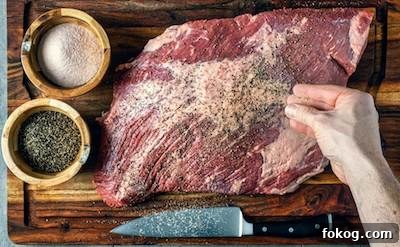
A balanced all-purpose rub works well on ribs, brisket, and pork shoulder. Adjust the balance of salt, sweet and heat to taste.
10 minutes
10 minutes
Ingredients
- – ½ Cup Paprika
- – ½ Cup Salt
- – ½ Cup Sugar
- – ½ Cup Granulated Garlic
- – ¼ Cup Granulated Onion
- – ¼ Cup Chili Powder
- – ¼ Cup Cumin
- – 2 Tablespoons Black Pepper
- – 2 Tablespoons Dry Mustard
- – 1 Tablespoon Cayenne Pepper
Instructions
- Combine all spices in a large bowl and mix thoroughly.
- Store in airtight containers or shakers.
- Use liberally on ribs and press into the meat before smoking.
Use A Binder So the Rub Sticks
Many pitmasters use a thin binder — yellow mustard, olive oil, or a light oil — to help the rub adhere and form a consistent bark. The binder’s flavor usually fades during a long smoke, while its primary role remains to help create texture and help the rub cling. Mustard tends to produce a slightly softer bark than oil, and foil-wrapping can soften bark further. If the bark becomes limp after wrapping, briefly return the ribs to direct smoke to firm it up before serving.
How To Test Ribs For Tenderness: Tips From The Pros
Common tenderness tests used by BBQ experts:
- Bend test: Pick up the rack with tongs and see if it bends and starts to separate at the bones — an easy bend usually indicates doneness.
- Probe test: A toothpick or sharp knife should slide into the meat with little resistance when ribs are done.
- Push test: Press the top of the ribs with your thumb — the meat should yield and feel tender.
- Bounce test: Gently bounce the ribs on the counter; a slight give and bounce-back indicates proper texture.
Baby Back Ribs
Baby back ribs come from the top of the rib cage and are prized for their tender meat. They typically contain 8–13 bones and pair well with mild woods like fruitwood or pecan. A popular method is the 2-2-1 approach: smoke 2 hours, wrap in foil for 2 hours, then unwrap and finish for 1 hour while glazing or saucing.
| Step | Description |
|---|---|
| 1 | Remove membrane. |
| 2 | Apply a binder such as mustard or oil. |
| 3 | Coat with rub and let rest for a few hours. |
| 4 | Preheat smoker to ~230°F and add mild wood like cherry. |
| 5 | Smoke and mop or spritz hourly. |
| 6 | At 2 hours, wrap in foil and return to smoker. |
| 7 | After foil time, test for tenderness and rest 20–30 minutes before serving. |
2. Spare Ribs
Spare ribs come from the lower ribcage and have more fat, cartilage, and flavor. They are larger and often meatier after cooking than baby backs. Remove the membrane and trim before seasoning.
How to Smoke Spare Ribs – 10 Steps
Slow-cook spare ribs for tenderness and flavor:
| Step | Description |
|---|---|
| 1 | Preheat smoker to 250–275°F and add pork-friendly wood. |
| 2 | Place ribs meat-side down and smoke for 2 hours. |
| 3 | Spritz with apple cider vinegar or apple juice and apply sauce sparingly. |
| 4 | Grill a short time until sauce sets, then wrap in foil with a spritz and return to smoker for 2 hours. |
| 5 | Check for a good bark and tenderness; rest 20–30 minutes before serving. |
3. St. Louis Ribs
St. Louis style is a trimmed spare rib with rib tips and cartilage removed. They are commonly finished with a thick barbecue sauce.
How to Smoke St. Louis Ribs – 13 Steps
| Step | Description |
|---|---|
| 1 | Trim spare ribs to St. Louis cut. |
| 2 | Apply a binder and your rub. |
| 3 | Preheat smoker to ~250°F and add apple or cherry wood. |
| 4 | Smoke, mop or spritz after the first hour and continue for ~2 hours. |
| 5 | Wrap in foil, finish another hour, then unwrap and glaze if desired. |
| 6 | Rest 20 minutes before slicing. |
4. Kansas City Style Ribs
Kansas City style typically uses spare ribs cut like St. Louis and finished with a sweet, tomato-based sauce. The cook emphasizes a balanced smoke and a caramelized glaze.
How to Smoke Kansas City Spare Ribs – 11 Steps
| Step | Description |
|---|---|
| 1 | Remove membrane and apply binder. |
| 2 | Apply rub and let rest for several hours. |
| 3 | Smoke at 250°F, spritz hourly. |
| 4 | At around 4 hours, apply Kansas-style sweet tomato sauce and return to heat to caramelize. |
| 5 | Rest before serving. |
5. Rib Tips
Rib tips are the shorter, cartilage-rich sections trimmed from spare ribs or produced when cutting St. Louis ribs. They are flavorful and can be cut into 2-inch pieces for smoking. Cook low and slow until tender, then glaze and finish with a short rest.
How to Smoke Rib Tips – 6 Steps
| Step | Description |
|---|---|
| 1 | Season rib tips with rub. |
| 2 | Heat smoker to 250–275°F. |
| 3 | Smoke for about 3 hours, adding wood for smoke. |
| 4 | Apply sauce and return to smoker for an additional hour. |
| 5 | Rest briefly before serving. |
6. Riblets
Riblets are smaller pieces cut from a full rack and make excellent finger food and appetizers. They cook more quickly than full racks and respond well to bold rubs and sticky glazes.
7. Country Style Ribs
Country-style ribs come from the shoulder area and are meatier, resembling small pork chops. They take well to a straightforward rub and low-and-slow smoking at 225–230°F. Because they are mostly meat, cook until the internal temperature reaches a safe level (use a thermometer) and rest before serving.
8. Button Ribs
Button ribs are small strips with little meat attached to the back of ribs. They may be sold as riblets or small cuts at the butcher. Treat them like riblets when smoking for excellent results.
9. Beef Ribs
Beef ribs require lower-sugar rubs and sauces to avoid burning. Long (back) ribs contain tender rib-eye meat between bones; short ribs are meatier in a different profile. Pecan, oak or hickory pair well with beef. Maintain a steady 250°F smoke, wrap if desired, and rest the meat before serving.
Beef Ribs in 10 Steps
| Step | Instructions |
|---|---|
| 1 | Apply a binder and a sugar-free rub; leave membrane on beef ribs. |
| 2 | Season with salt, pepper and aromatics. |
| 3 | Smoke at 250°F with compatible wood. |
| 4 | After several hours, wrap and optionally add butter or spritz. |
| 5 | Finish until meat is tender, then rest 30 minutes. |
10. Rib Roast
A whole standing rib roast (prime rib) is an elegant cut — a bone-in rib-eye roast. Tie the roast for even cooking, season well, and smoke at moderate temperatures until the desired internal temperature is reached (typically medium-rare for prime rib). Rest at least 30 minutes before carving for a clean presentation and juicy slices.
How to Smoke Rib Roast
- Coat roast with olive oil and tie with twine to hold shape.
- Season generously with salt, pepper and a beef rub; add fresh herbs if desired.
- Preheat smoker to around 275°F and use oak, hickory or pecan.
- Smoke to internal temp: 130°F for medium-rare, 150°F for well done.
- Rest at least 30 minutes before slicing.
Hanging Ribs in a Smoker
Hanging ribs expose more surface area to smoke and heat. Use sturdy S-hooks or a bacon hanger and position hooks under bones (avoid the first bone). Space slabs to avoid contact and rotate the hanger periodically for even cooking. If ribs become too tender and fall, consider using a rib rack or laying them flat for the final stage.
Hanging Ribs in an Ugly Drum Smoker
UDS smokers provide deep cooking space for hanging ribs. Use a hanging ring and strong hooks inserted under a middle bone to support weight. After two hours, wrap ribs in foil and finish on the grill for a final hour to adjust tenderness and bark.
Smoking Racks
Rib racks let you cook multiple slabs upright to save space, but heat distribution can be uneven; racks on the edges may cook faster. If using one, monitor internal temperatures and rotate slabs when necessary.
Best Wood for Smoking Ribs
Wood selection influences flavor. Popular options for pork and beef include:
- Cherry
- Hickory
- Oak
- Pecan
Smoking Ribs in an Electric Smoker
Electric smokers are convenient and can follow the same low-and-slow methods used with charcoal smokers. The 3-2-1 or 2-2-1 wrapping approaches work well. To boost smoke intensity, use a smoke tube filled with pellets to supplement the built-in chip tray.
Tips for Smoking Ribs
Perfecting ribs takes practice. Pay attention to meat quality, wood choice, rub composition, smoking temperature, wrapping technique and rest time. Keep notes and tweak methods to match your taste. Experiment with binders, sauces and woods until you find your preferred balance of smoke, bark and tenderness.
My Favorite Meat Smoking Tools
Reliable thermometers, butcher paper, and good smokers make a big difference. A dual-probe thermometer lets you monitor smoker and meat temps; an instant-read helps verify doneness; and quality butcher paper or foil improves finishing. Choose tools that fit your setup and cooking style, and always rely on internal temperature and feel rather than only time.
Meat Thermometers – Your Most Important Tool
A quality thermometer is essential for consistent results. Monitor internal temperatures during the cook and rest before carving to ensure tender, safe, and flavorful ribs.