
The International Cuisine Connection
Today marks the start of a special culinary journey around the globe. I have been planning this series for some time because I believe food offers a direct connection to people, culture, and tradition. By preparing and sharing meals from different countries, I hope readers will gain a deeper appreciation for the people behind each cuisine and the stories their food tells.
Choosing a single dish to represent a whole nation is always a challenge because regional variations are so rich. To create representative menus, I focus on the flavors, spices, staple ingredients, and culinary traditions that are most common across each country. This provides a balanced, authentic picture of a nation’s food.
No journey is complete without sharing. I research each cuisine, prepare a generous meal, and post recipes so anyone can recreate the experience at home. Your reflections, suggestions, and memories shared along the way will enrich the series and help shape future installments.
Our Journey to Afghanistan
We began our series in Afghanistan, a country whose recent history includes deep hardship. Regardless of the political or social circumstances, people everywhere share family life, seasons of celebration, and cherished culinary traditions. Afghan cuisine reflects that resilience and hospitality.
So the journey begins.
Afghanistan, located in southwestern Asia, is a landlocked country bordered by Turkmenistan, Uzbekistan, Tajikistan, China, Pakistan, and Iran. Over centuries, these neighbors and historic trade routes have influenced Afghan cooking. Rather than relying on heavy heat, Afghan food is known for rich, balanced flavors built from herbs and spices such as mint, saffron, coriander, cilantro, cardamom, and black pepper.
A wide range of vegetables and fruits are grown across the country’s varied regions. Staples include garlic, onions, tomatoes, potatoes, eggplant, and many types of nuts. Afghanistan is also known for its fruit: grapes, pomegranates, apricots, berries, and plums are commonly used in both savory dishes and desserts.
Lamb is the most commonly consumed meat, with chicken and beef also popular. Being a predominantly Muslim country, pork is not part of the cuisine.
Rice dishes play a central role in Afghan meals, and three types of bread—naan, lavash, and obi non—are commonly served. Fresh yogurt is another staple, often prepared as a refreshing yogurt drink mixed with water and mint, known locally as shomleh or shlombeh. This cooling beverage is one of the most popular drinks throughout Afghanistan.
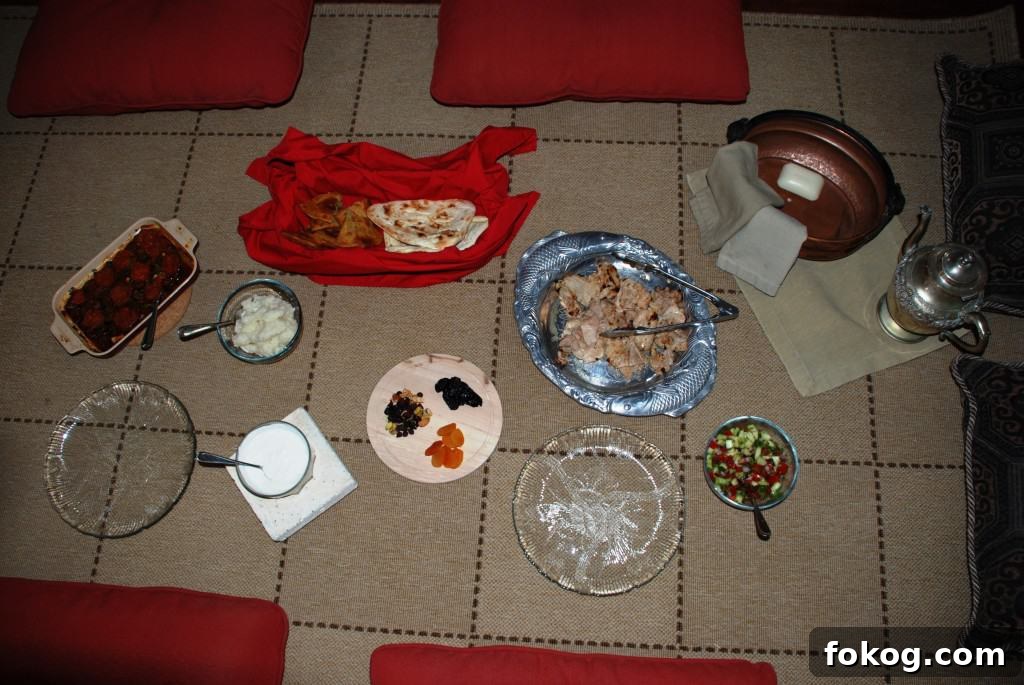
The Dastarkhan—a floor spread set on a rug with cushions—is a central element of Afghan hospitality. When invited to someone’s home, you remove your shoes, sit cross-legged on the cushions, and share a communal meal. Food is served family-style on the Dastarkhan, and guests are often offered an aftahbah wa lagan, a copper basin and pot of warm water with soap and a towel, to wash their hands before dining. It is customary to eat with the right hand.

The Menu
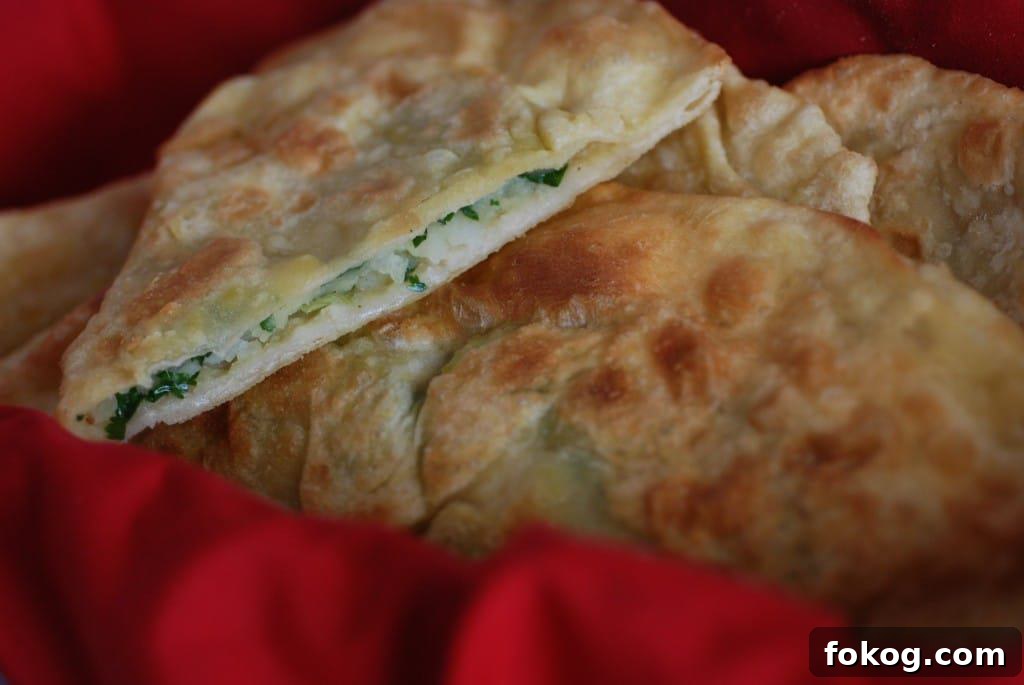
Bolani
Afghan flatbread stuffed with potatoes, scallions, and cilantro
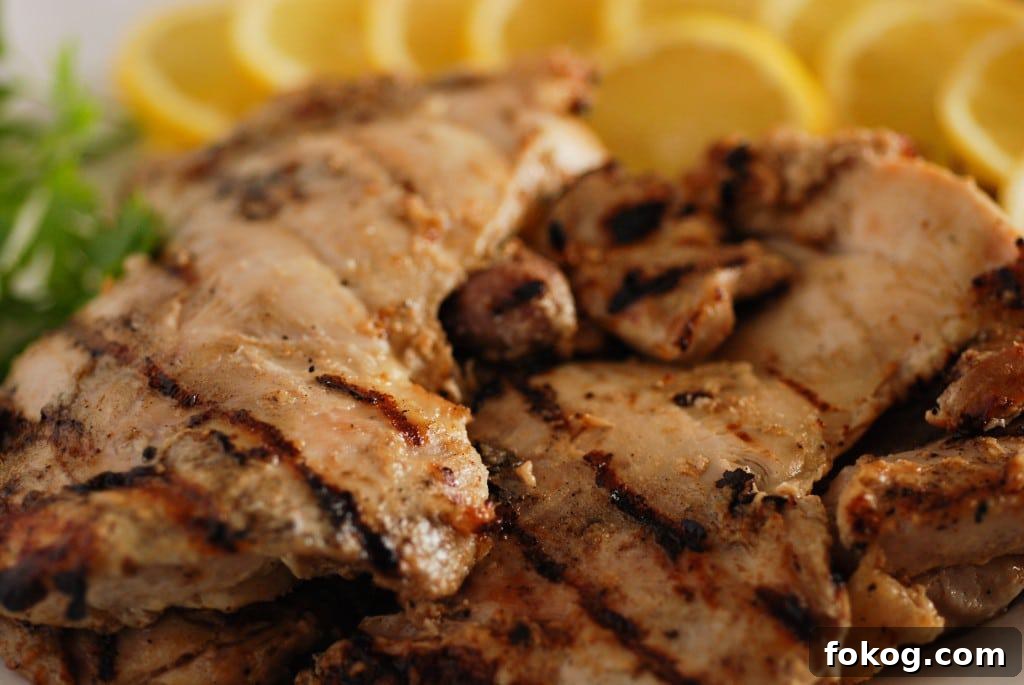
Kebab e Murgh
Chicken kebab marinated in a yogurt and cumin sauce
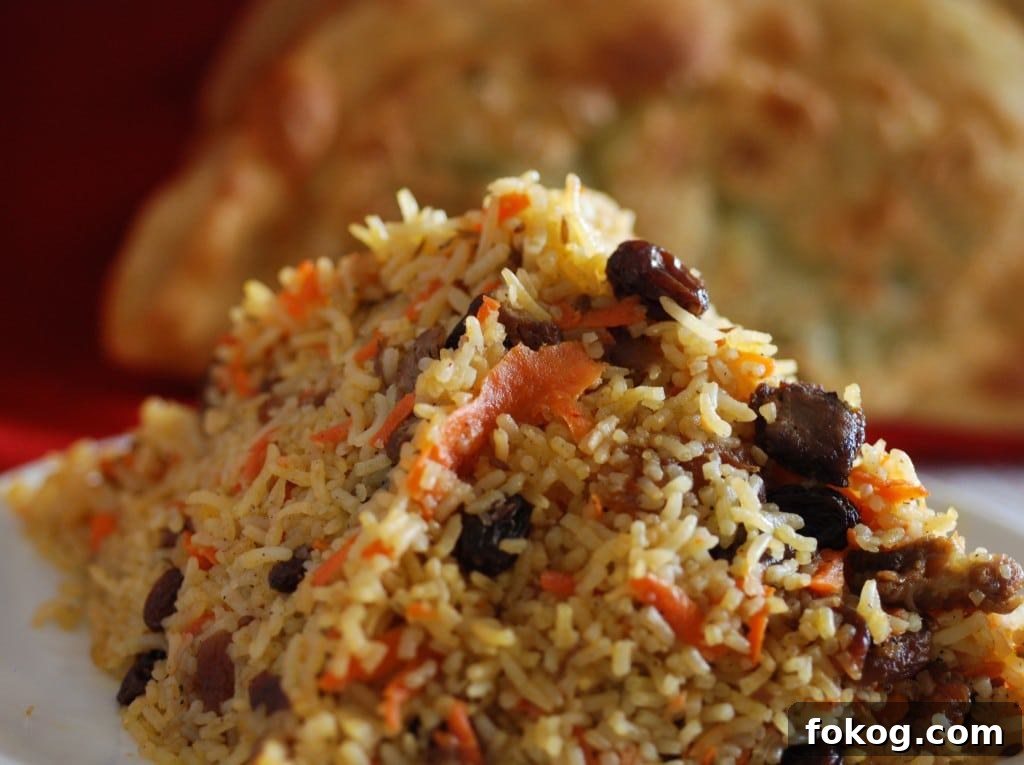
Kabuli Pulao
Afghan rice pilaf with lamb, carrots, raisins, and apricots
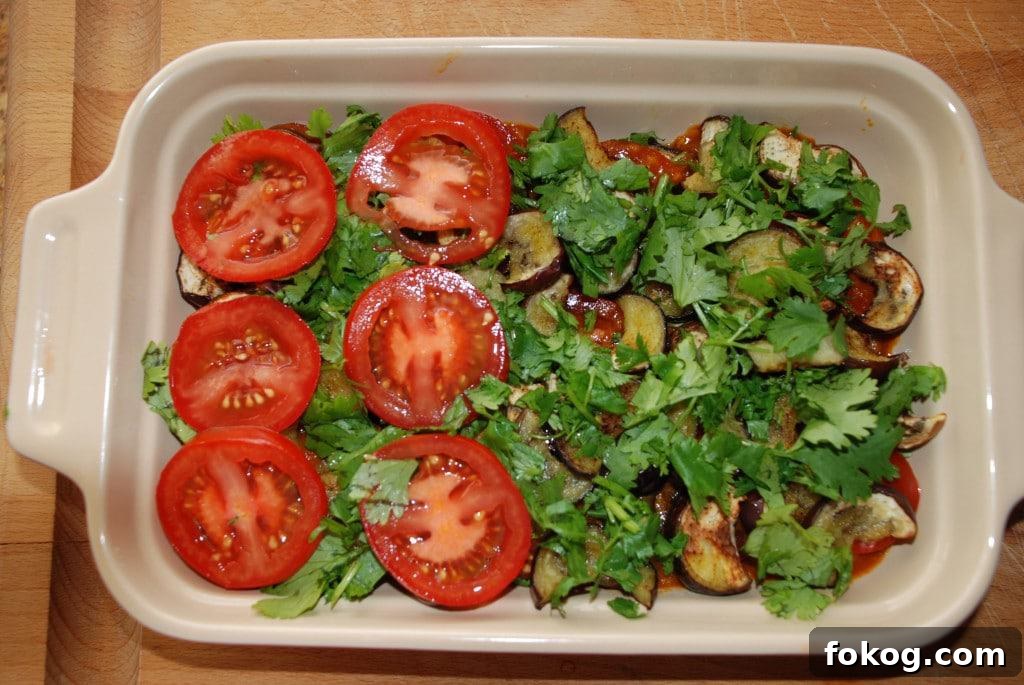
Borani Banjan
Eggplant baked in a tangy tomato sauce and served with a garlic yogurt topping
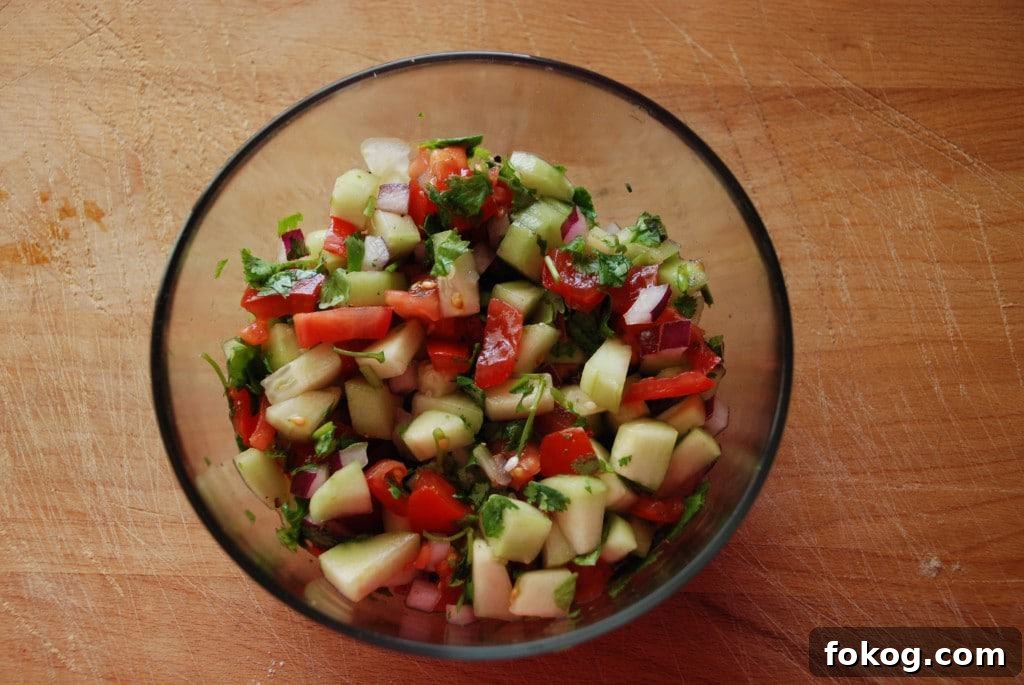
Salata
Fresh tomatoes, cucumbers, and onions dressed with lemon
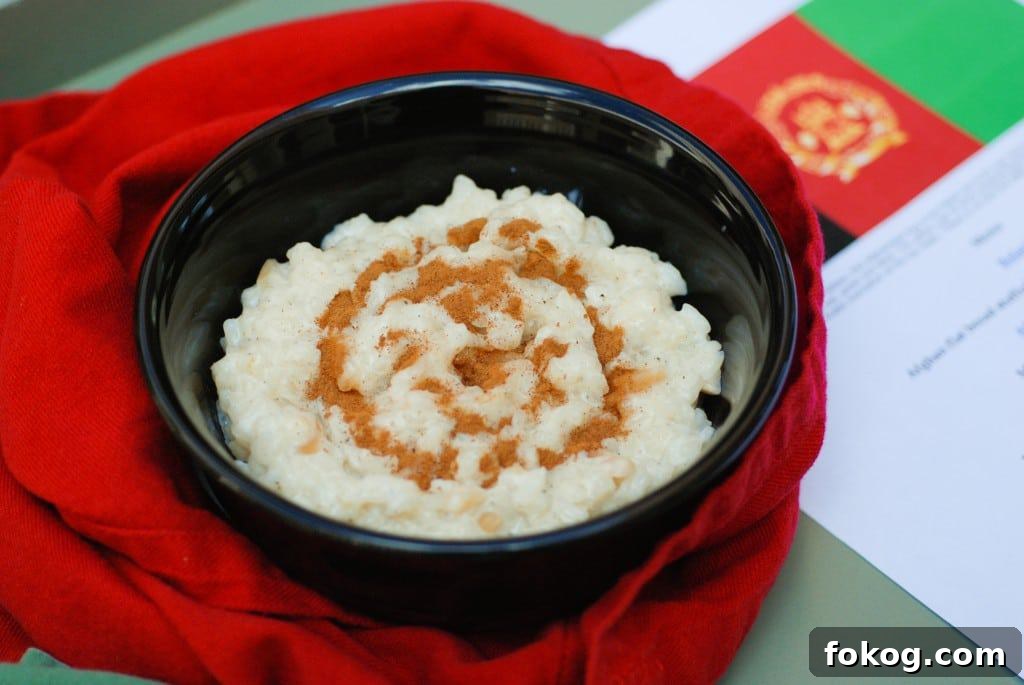
Dessert – Sheer Birinj
Rice pudding flavored with almonds and cardamom
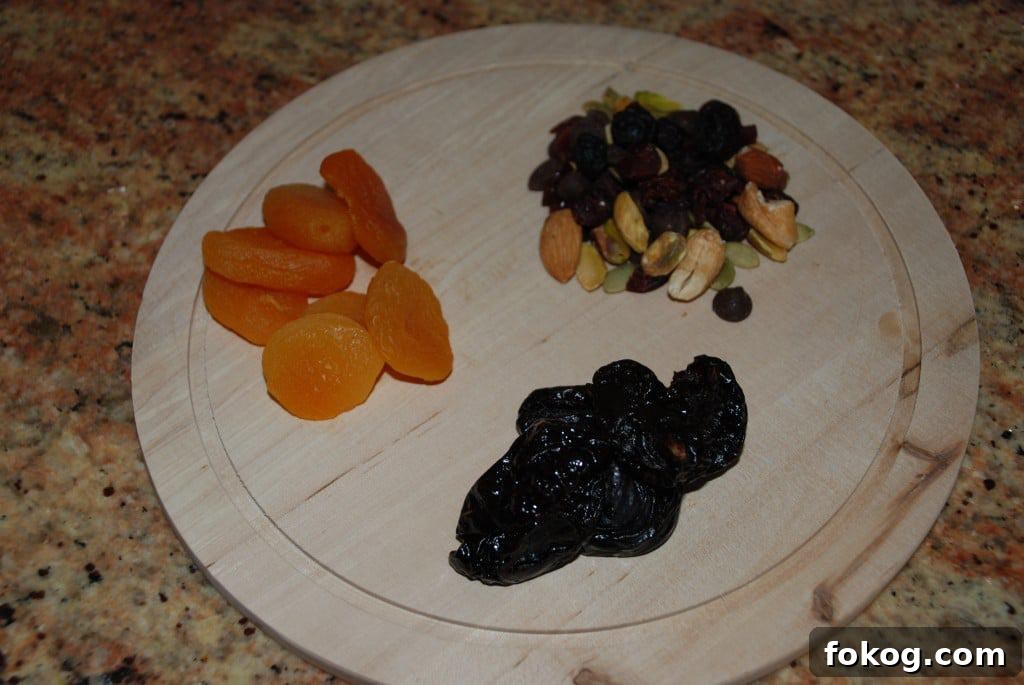
Accompanied by a platter of dried fruits and nuts
For our meal, gentle Afghan music played as we settled onto the Dastarkhan. I wore a traditional dark scarf, and after removing our shoes my husband Dan and I washed our hands with the aftahbah wa lagan before sitting. The dishes were placed in the center to be shared. Between bites we refreshed our palates with the cool, minty shomleh. Each course showcased distinct flavors: the savory breads and fillings, the fragrant spices in the kebab and pulao, and the bright freshness of the salata.
We finished with herb tea, the creamy rice pudding, and a lingering plate of dried fruits and nuts. To honor the meal and the culture that inspired it, we offered a simple expression of thanks in Dari: “dastetoon dard nakone, kheili khoshmaze bood” — thank you, it was very delicious. Our first stop has been a rewarding introduction, and I look forward to bringing you more cuisines and recipes on the next leg of the International Cuisine journey.
Warmest regards,
Darlene