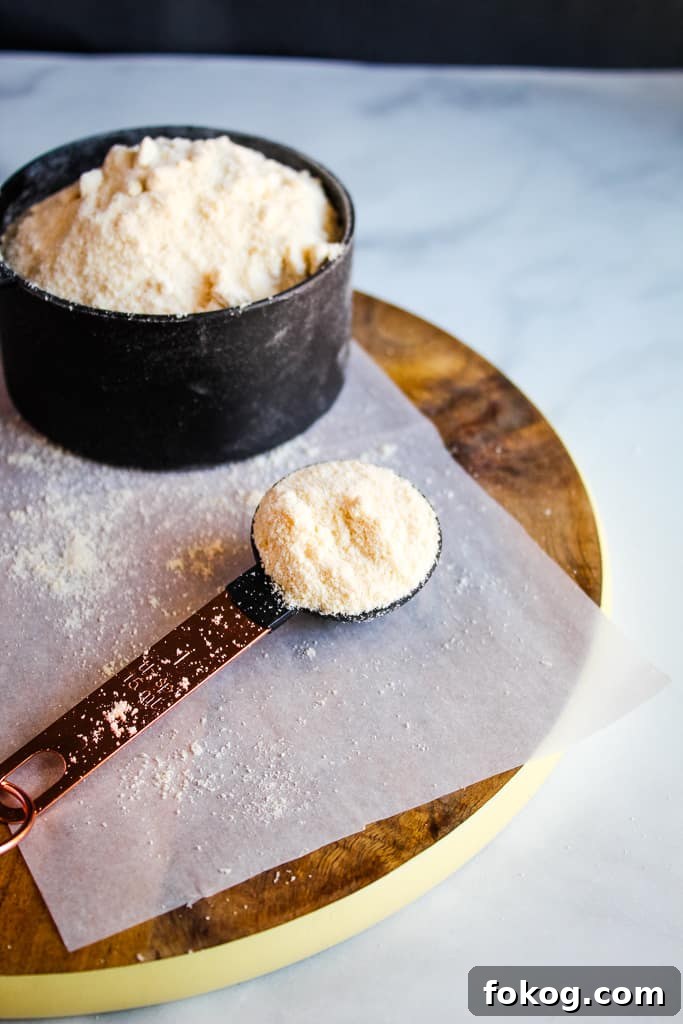
Struggling to choose the best coconut flour substitutes? Coconut flour isn’t a simple 1:1 swap—its high fiber content and unique behavior require different ratios and hydration adjustments to avoid dry, dense, or crumbly results.
This guide outlines reliable alternatives with practical conversion ratios, targeted recommendations for pancakes, cookies, cakes, and keto baking, plus troubleshooting tips to fix common substitution mistakes.
Table of Contents
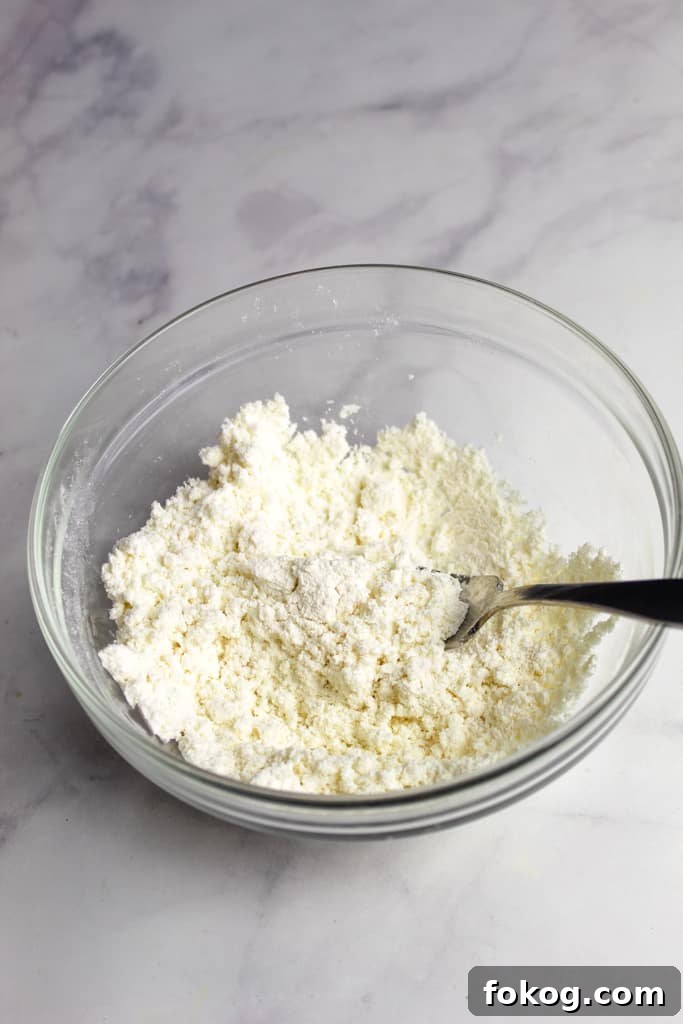
If you want a broader overview of how alternative flours behave and why they perform differently, start with a general guide to gluten-free flour substitutes. Below are specific strategies and practical tips that will help you succeed when replacing coconut flour.
Why Coconut Flour Is Unique And Why Recipes Fail
Coconut flour behaves differently from most other flours. Its composition changes how batters hydrate, bind, and rise, which explains why straightforward substitutions often fail without careful adjustments.
Extremely High Fiber Content
Coconut flour is mostly fiber rather than starch. That fiber soaks up liquid aggressively and holds it tightly, acting more like a sponge than traditional flours. Because it locks in moisture quickly, batters can become thick, dry, or crumbly if you don’t increase liquid appropriately.
High Liquid Absorption
Even a small quantity of coconut flour requires significant hydration. A typical example: 1/4 cup can demand several eggs plus extra liquid to make a workable batter. Eggs contribute moisture, binding, and lift that coconut flour alone can’t provide.
Low Elasticity
Coconut flour contains no gluten and very little natural elasticity. It can’t trap air or stretch without support from eggs or other binders; without that support, baked goods usually turn out dense or compact.
Cannot Be Replaced 1:1
Coconut flour is not a 1:1 substitute for other flours. Its high fiber and strong liquid absorption mean equal-volume swaps often produce dry, crumbly, or weak results. Successful substitutions require changing both flour volume and hydration rather than swapping equal cups.
Quick Coconut Flour Conversion Chart (Easy Swaps That Work)
Use this quick conversion table as a starting point when replacing coconut flour. Exact substitute volumes help you avoid overly dry, dense, or under-hydrated batters.
| Replace 1/4 Cup Coconut Flour With | Amount Needed | Extra Liquid Needed? | Best For |
|---|---|---|---|
| Almond flour | 3/4–1 cup | Yes | Cakes, cookies, muffins |
| Oat flour | 1–1¼ cups | Yes | Soft bakes, pancakes |
| All-purpose flour | 3/4–1 cup | Some | Everyday bakes |
| Sunflower seed flour | 3/4–1 cup | Yes | Keto + nut-free |
| Cassava flour | 1/2–3/4 cup | Yes | Chewier, gluten-free breads |
“Amount Needed” shows the starting volume to replace 1/4 cup of coconut flour. “Extra Liquid Needed?” indicates whether hydration adjustments are usually required. Use this chart as a quick reference and adjust liquids gradually based on batter feel.
The 5 Best Coconut Flour Substitutes
These alternatives are practical replacements for coconut flour, with clear ratios and realistic expectations so you can swap with confidence.
Almond Flour (Best Overall Substitute)
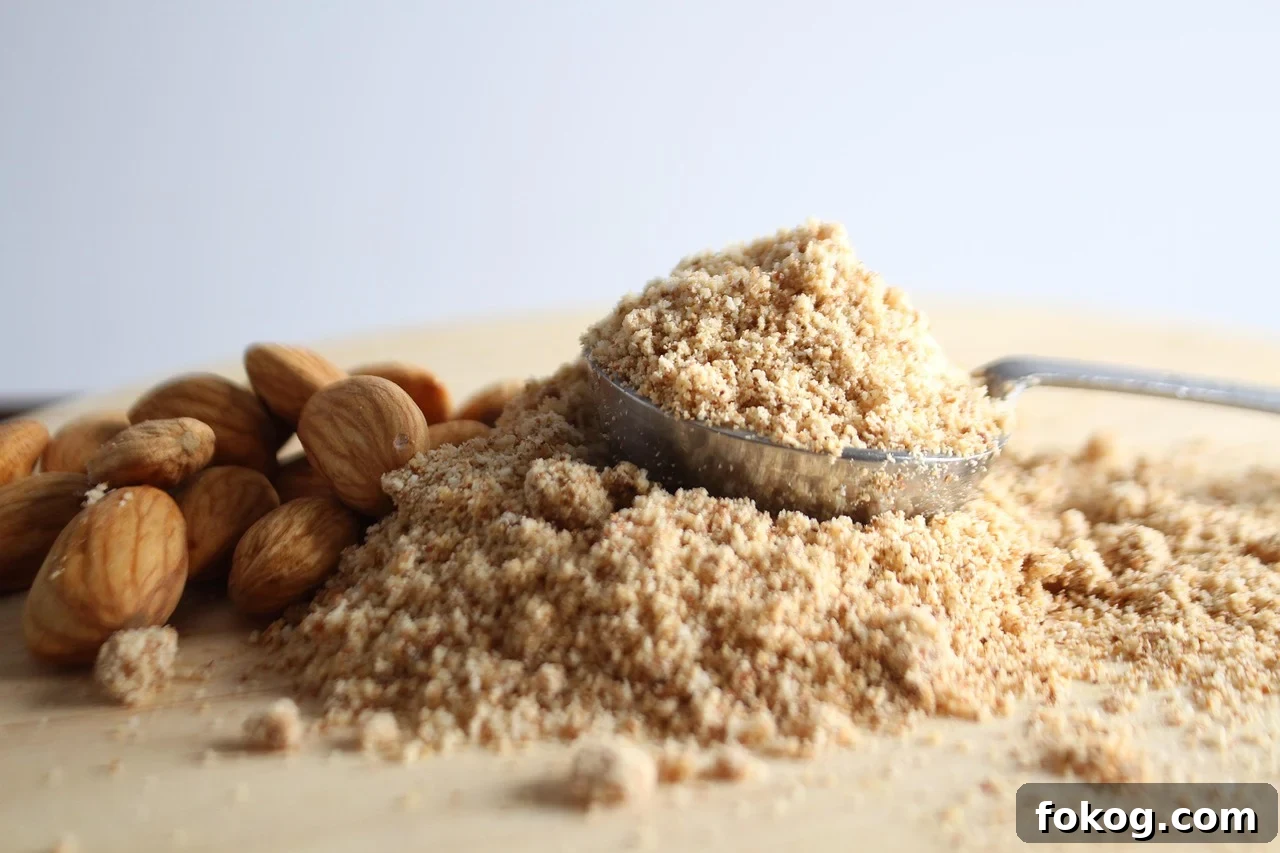
Almond flour requires more volume and less structural support than coconut flour. Use 3/4–1 cup almond flour for every 1/4 cup coconut flour, and adjust liquids gradually until the batter is smooth and workable. Almond flour produces a moist, tender crumb with a mild nutty flavor and works well in cookies, tortillas, muffins, pancakes, and quick breads. It’s also a strong keto-friendly option due to its low net carbs.
Pro Tip: Lightly press thicker batters into the pan to improve structure and encourage even rise.
Oat Flour (Best for Soft Bakes)
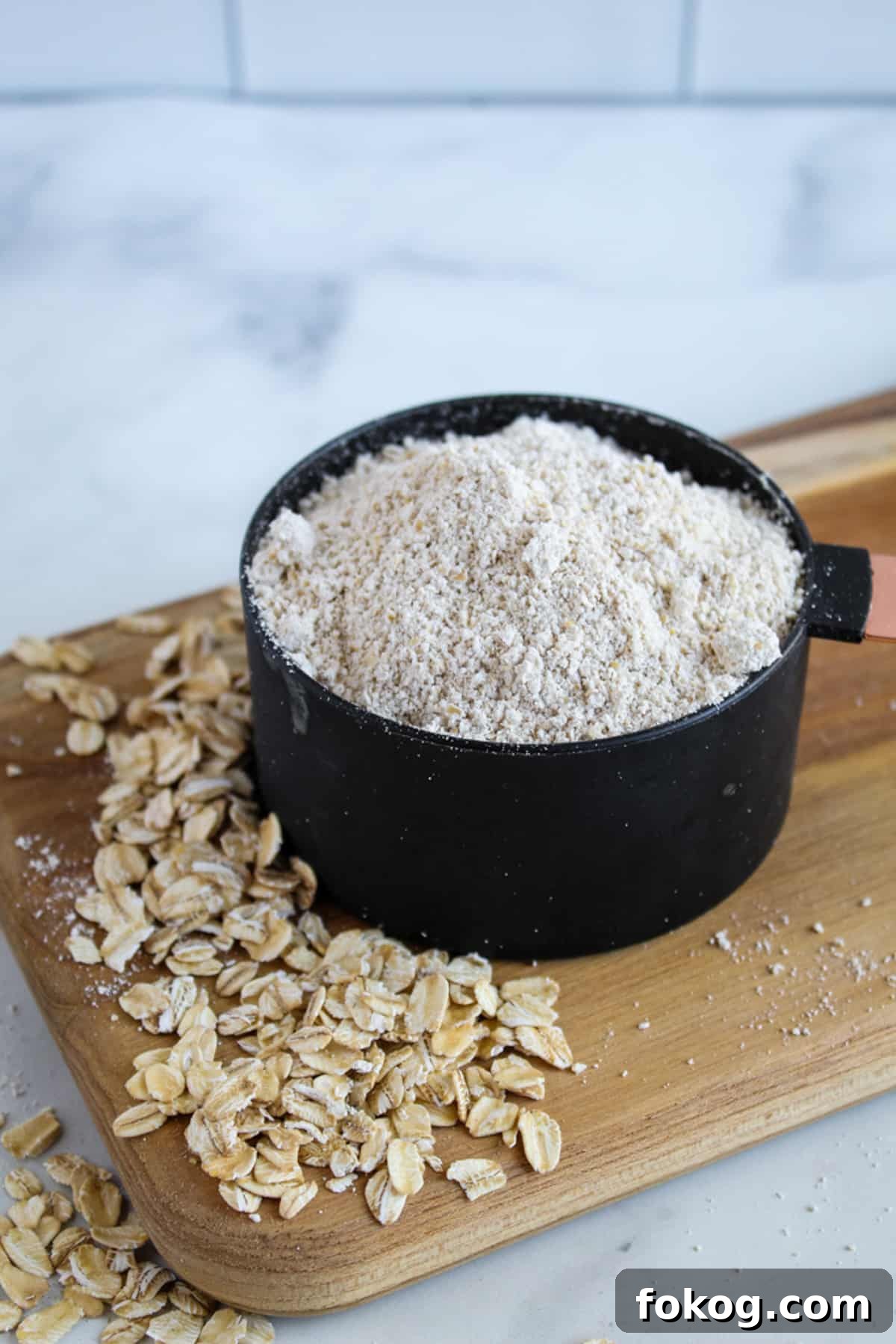
Oat flour creates a softer, tender crumb and requires ratio adjustments to maintain structure. Substitute 1–1¼ cups oat flour for every 1/4 cup coconut flour, then fine-tune liquids as needed. It’s ideal for soft baked goods like pancakes and cakes but is higher in carbs, so it’s not suitable for strict keto diets. For gluten sensitivity, use certified gluten-free oat flour.
All-Purpose Flour (Easiest Structural Swap)
All-purpose flour supplies gluten-based strength that coconut flour lacks. Use 3/4–1 cup all-purpose flour for every 1/4 cup coconut flour and reduce liquid slightly. This works well in recipes with fewer eggs when a lighter, lifted crumb is desired. Note: it is not gluten-free.
Sunflower Seed Flour (Nut-Free Keto Option)
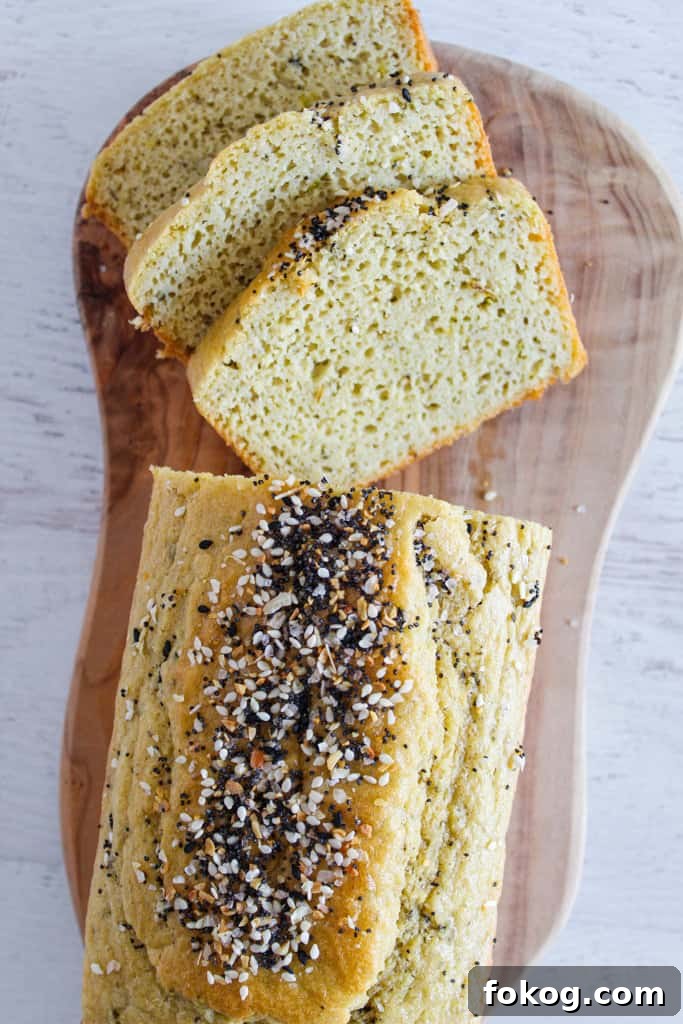
Sunflower seed flour behaves similarly to almond flour in richness and structure. Replace 1/4 cup coconut flour with 3/4–1 cup sunflower seed flour, adjusting liquids as needed. It’s suitable for keto baking and is a good nut-free alternative; a harmless green tint can appear during baking due to natural reactions.
Cassava Flour (Gluten-Free with Structure)
Cassava flour delivers more chew and structure than coconut flour. Start with 1/2–3/4 cup cassava flour for every 1/4 cup coconut flour and adjust hydration until the batter feels balanced. It’s great for gluten-free breads and sturdier baked goods, but it’s higher in carbs and not ideal for keto baking.
Nutritional Snapshot of Common Coconut Flour Substitutes
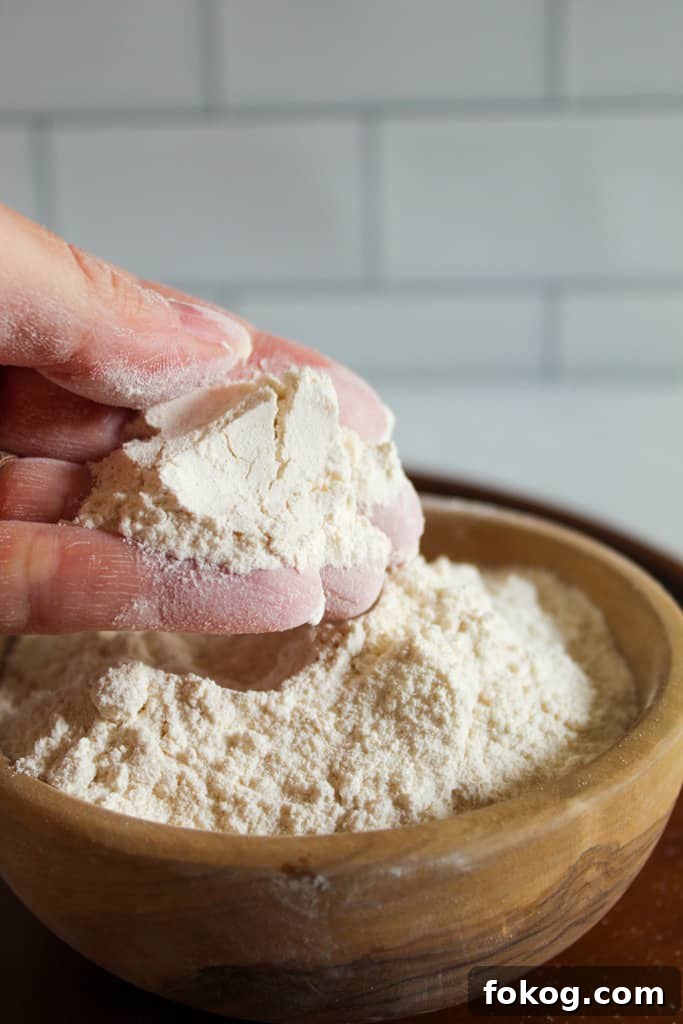
Understanding nutritional differences helps you choose substitutes based on recipe performance and dietary goals—protein, fiber, carbs, or calories. High-level comparisons:
- Almond Flour: High in healthy fats, protein, and fiber; lower net carbs—good for low-carb or keto diets.
- Oat Flour: Balanced carbs, protein, and fiber with soluble fiber benefits; higher in carbs than almond flour.
- All-Purpose Flour: Higher carbs, lower fiber and fat; provides gluten-based structure but fewer nutrients per serving.
- Sunflower Seed Flour: Good protein content and moderate carbs; useful in gluten-free and higher-protein recipes.
- Cassava Flour: High in carbohydrates and fiber, lower in protein and fat; gluten-free but not low-carb.
- Coconut Flour: Extremely high in fiber and lower in net carbs than wheat flour; its absorbency strongly affects hydration needs.
Additional Coconut Flour Alternatives Worth Knowing
Beyond the five main options, legume flours and specialty flours can replace coconut flour in certain recipes. They may need testing but perform well when matched to the right application.
Soy Flour
Soy flour is high in protein and moderately absorbent. It works well in structured baked goods like breads or dense muffins. Because of its flavor, consider using it as a partial substitute and adjust liquids gradually.
Chickpea Flour
Chickpea flour has protein and fiber that provide binding strength. It’s better suited to savory recipes or flatbreads than delicate sweets because of its bean-forward flavor. Expect a denser crumb and increase liquid slightly.
Fava Flour
Fava flour is fiber-rich and highly absorbent, offering strong structure but a pronounced flavor. Best in hearty recipes where its taste blends well with other ingredients.
White Bean Flour
White bean flour has a milder taste than chickpea or fava flour. It absorbs well and can replace coconut flour in muffins or quick breads when paired with enough liquid and eggs.
Gluten-Free Flour Blend
A standard gluten-free flour blend can substitute for coconut flour, but you’ll generally need more volume and less liquid. It’s useful in cakes and cookies where an even crumb matters.
Psyllium Husk Fiber
Psyllium husk isn’t a direct flour replacement, but it mimics coconut flour’s binding and hydration properties when combined with another flour. Use it to improve elasticity and structure in gluten-free bakes.
Ground Flax Seeds
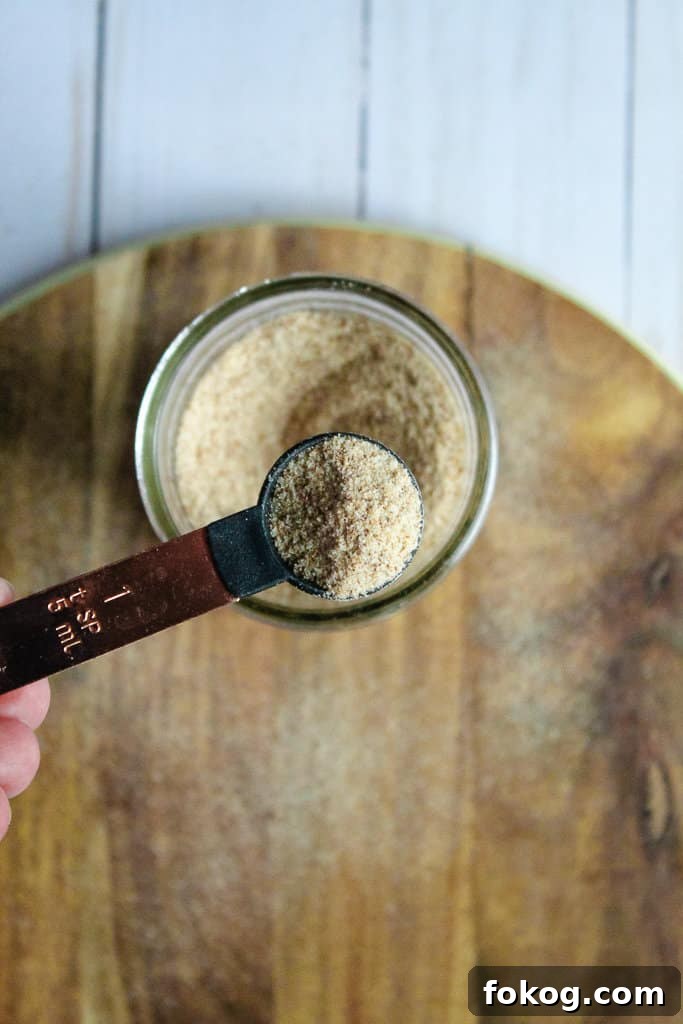
Ground flax adds fiber and binding. It works best combined with almond or oat flour rather than as a full replacement for coconut flour.
Buckwheat Flour
Buckwheat has a strong, nutty flavor and moderate absorbency. It’s good for pancakes and rustic breads but can overpower delicate recipes.
Teff Flour
Teff is nutrient-dense and moderately absorbent. It produces darker, richer baked goods and performs best in structured or hearty recipes.
Application-Based Recommendations
Choose a coconut flour substitute based on how you want the finished bake to perform:
Best Substitute for Pancakes
For tender, fluffy pancakes, use oat flour. It absorbs less than coconut flour and keeps batter soft without heavy binders.

Best Substitute for Cookies
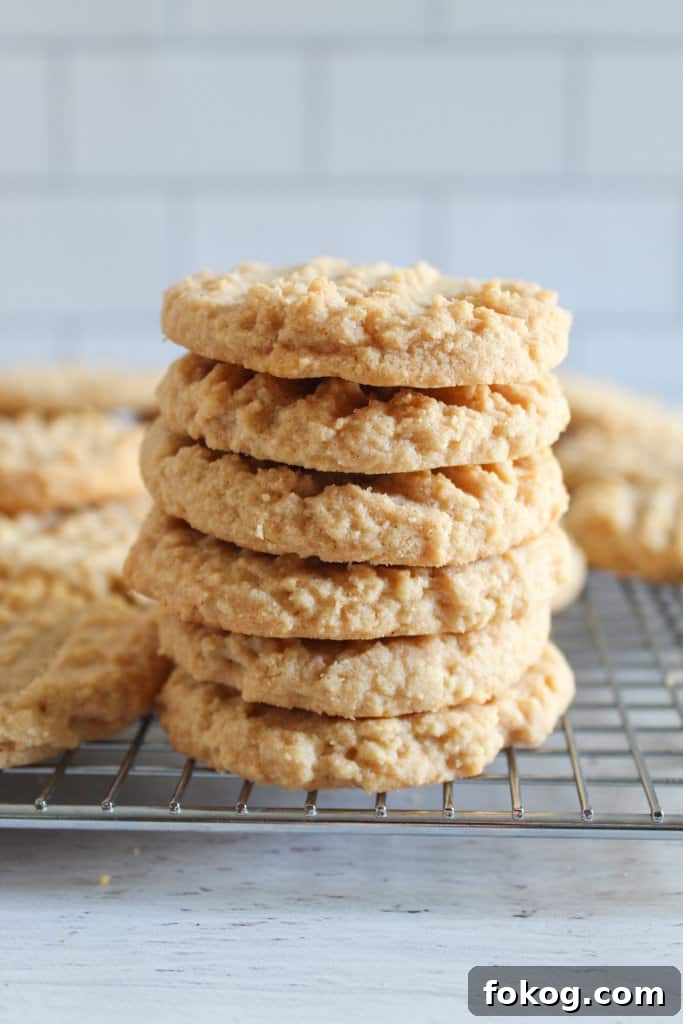
For cookies that hold shape with controlled spread, almond flour is a strong choice. Its fat and moderate absorbency help cookies stay moist without flattening excessively.
Best Substitute for Muffins
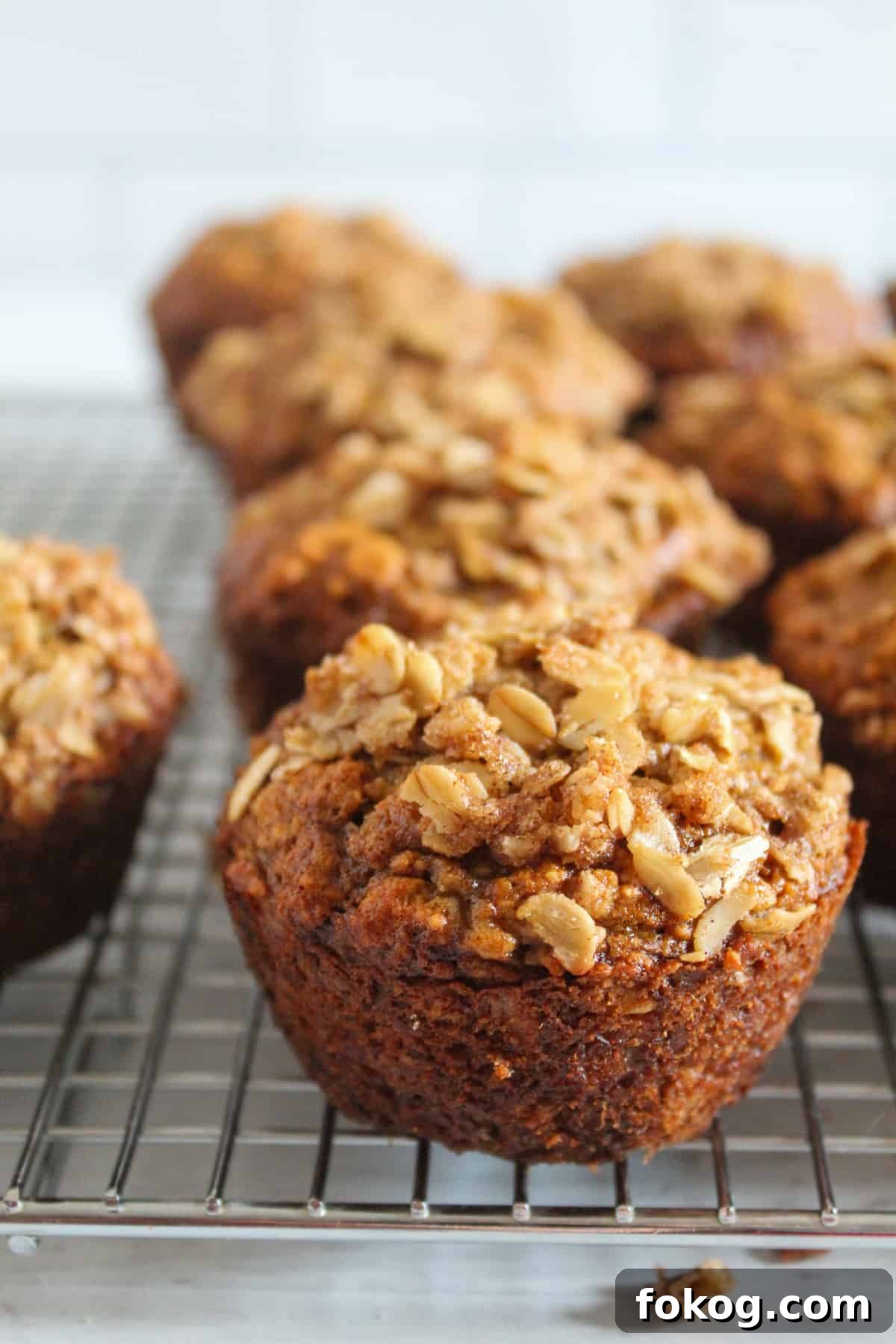
To keep muffins moist, use oat flour or a blend of oat and almond flour. These absorb less liquid than coconut flour and help maintain a soft crumb.
Best Substitute for Cakes
For lighter cakes, all-purpose flour adds structure and lift because of gluten. Reduce the liquid slightly since all-purpose flour absorbs less than coconut flour.
Best Substitute for Breading
For crisp breading or coating, cassava flour gives a starchy texture that browns and crisps well. You may need egg or another liquid to help it adhere.
Best Substitute for Keto Baking
For low-carb and keto baking, almond flour or sunflower seed flour are the best options. Both keep net carbs low while providing structure and moisture without coconut flour’s extreme absorbency.
Solutions to Common Coconut Flour Substitute Mistakes
When substitutes fail, the issue is usually ratio, liquid balance, or structure adjustments rather than the substitute itself. Below are common problems and simple fixes.
Why Your Recipe Turned Dry
Dry baked goods are common when replacing coconut flour. Because coconut behaves differently, moisture balance and correct ratios matter more than usual.
Too Much Substitute
- Reduce the substitute amount: Don’t replace coconut flour volume-for-volume. Use the conversion chart instead.
- Check ratios before mixing: Start with recommended volumes and add liquid gradually.
Not Enough Liquid
- Increase liquids gradually: Add water, milk, or eggs a tablespoon at a time until the batter is moist but not wet.

Incorrect Egg Ratio
- Match eggs to flour behavior: Some substitutes need fewer eggs than coconut flour. Reduce egg count if the batter feels too stiff.
Why It Collapsed
If baked goods rise in the oven but sink afterward, the problem is usually structural or binding-related. Coconut flour relies heavily on eggs and absorbency to hold structure.
Wrong Structure
- Add structural support: Incorporate a bit of all-purpose or a structured gluten-free flour to improve lift.
Insufficient Binding
- Increase binders: Add eggs or use flax or chia gel to stabilize batter and prevent collapse.

Why It’s Gritty
A gritty texture usually stems from coarse flour or incorrect bake time. Coarser grains absorb unevenly and can leave a grainy mouthfeel.
Coarse Almond Flour
- Use finer flour or sift: Choose finely ground almond flour or sift coarse flour before mixing to improve texture.
Incorrect Bake Time
- Check doneness earlier and often: Both under- and over-baking can worsen grainy textures—remove the bake as soon as it’s set.
Why It’s Too Dense
Density usually means the batter didn’t trap enough air. Small changes can help lighten texture.
Over-mixing
- Mix less: Over-stirring pushes out air and compresses batter. Stir only until combined.
Wrong flour blend
- Balance the blend: If one substitute is too heavy, add a lighter flour or use a blend (for example, oat plus a bit of gluten-containing flour) for better lift.
Keto & Low-Carb Coconut Flour Substitutes
For low-carb and keto baking, pick substitutes that keep net carbs low while providing structure and moisture.
Best Keto Substitutes
Almond flour and sunflower seed flour are the most reliable keto-friendly options. Both have low net carbs and maintain structure without adding carbohydrate load. Use the conversion chart ratios and adjust liquids gradually.
Net Carb Comparison Table
| Flour | Net Carbs per 1/4 cup | Keto Friendly? |
|---|---|---|
| Almond flour | Low | Yes |
| Sunflower seed flour | Low | Yes |
| Oat flour | Moderate | No |
| Cassava flour | High | No |
| All-purpose flour | High | No |
When to Avoid Oat Flour in Keto Recipes
Although oat flour yields a soft crumb, its higher net carb content makes it unsuitable for strict keto plans. For low-carb baking, stick with almond or sunflower seed flour paired with appropriate binders.
Can You Mix Flours When Replacing Coconut Flour?
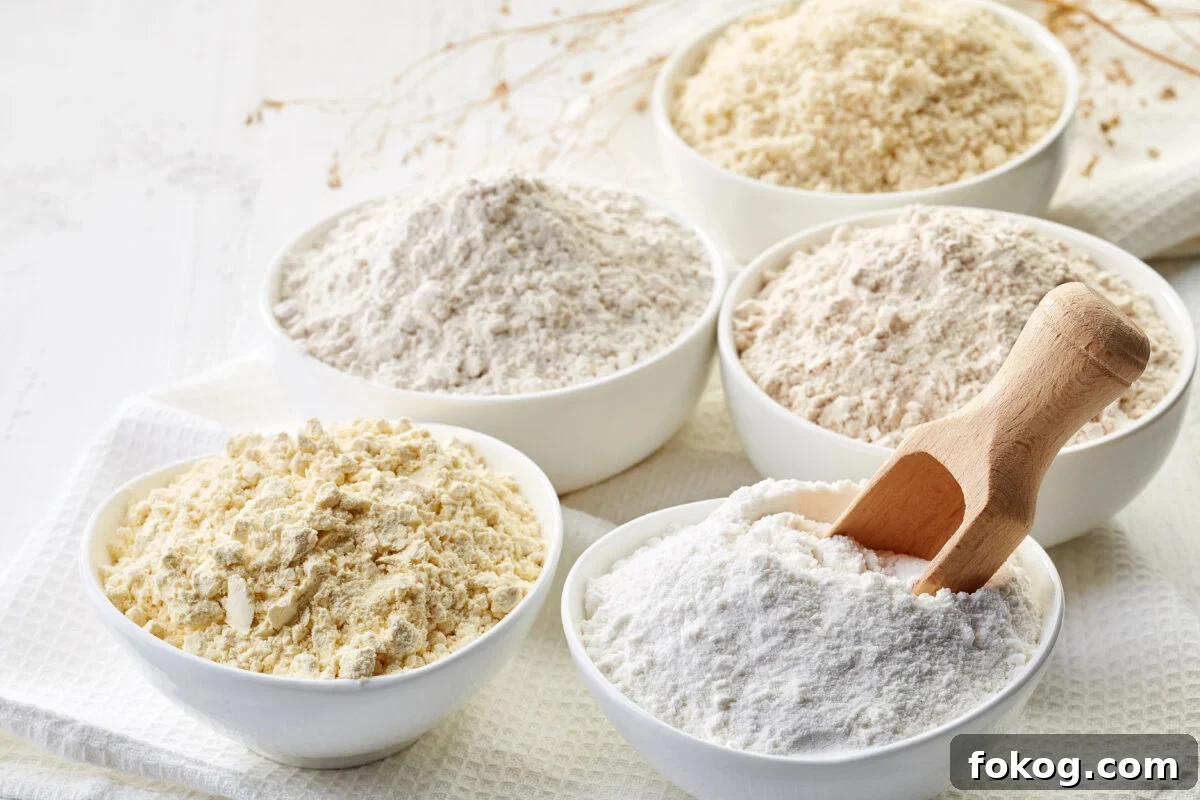
Yes. Blending flours is often the most effective approach because no single substitute perfectly mimics coconut flour. Combining flours lets you balance moisture, texture, and binding to fit the recipe.
Why Blend Flours
Single substitutes can leave doughs too dry, dense, or gummy. Blending lets you use each flour’s strengths—almond for richness and low carbs, oat for tenderness—so the final texture is balanced.
Example Blend Ratio
A reliable starting blend is 2 parts almond flour to 1 part oat flour. To replace 1/4 cup coconut flour, try 1/2 cup almond flour + 1/4 cup oat flour, then adjust liquid until the batter feels moist but not wet. This mix improves crumb and reduces dryness common with single substitutes.
How Blending Helps
Blends can be tweaked to meet goals: more almond flour lowers carbs and enriches crumb; more oat flour softens texture. Always test small batches to fine-tune ratios and hydration before scaling up.
Quick Decision Guide for Coconut Flour Substitutes
Choose your substitute by matching key recipe characteristics:
Egg Content
- Recipes with many eggs perform best with almond flour.
- Recipes with few eggs work better with all-purpose flour.
Dietary Needs
- For keto, use almond flour or sunflower seed flour.
- For gluten-free baking, choose oat flour or cassava flour.
Texture and Structure
- For more structure and stability, use cassava flour.
- For a softer, more tender texture, use oat flour.
Follow these criteria to pick a substitute that aligns with your recipe goals and start with the recommended option, adjusting liquids and binders as needed.
Frequently Asked Questions
Common questions about coconut flour substitutions are answered below. If your question isn’t listed, leave it in the comments.
Can I Substitute Almond Flour 1:1?
No. Almond flour absorbs far less liquid than coconut flour. Start with 3/4–1 cup almond flour per 1/4 cup coconut flour and adjust liquids or eggs so the batter isn’t dry or dense.
Why Does Coconut Flour Need More Eggs?
Coconut flour lacks gluten and elasticity, so it depends on eggs for structure and binding. Without enough eggs, batters will collapse or crumble.
Can I Mix Different Flours?
Yes. Blending flours like almond and oat helps balance absorption and texture better than a single substitute. Test small batches to find the right mix for your recipe.
Can I Use Protein Powder Instead?
Not by itself. Protein powder doesn’t absorb liquid or provide structure like flour. If used, combine it with other flours and adjust liquid carefully.
Is Coconut Flour Gluten Free?
Yes, coconut flour is naturally gluten-free. If you have celiac disease or gluten intolerance, choose certified gluten-free products.
What Works Best for Keto?
Low-net-carb options like almond flour and sunflower seed flour work best for keto baking. Avoid oat and cassava flours for strict keto plans.
Can I Use Self-Rising Flour?
You can, but reduce or remove added baking powder and salt in the recipe to avoid excessive rise or salty flavor. Standard all-purpose flour often gives more predictable results.
What If I Only Have All-Purpose Flour?
Use 3/4–1 cup all-purpose flour for each 1/4 cup coconut flour and reduce liquid slightly. It provides structure but is not gluten-free.
Why Is Coconut Flour So Dry?
Its high fiber content absorbs large amounts of liquid and retains it tightly, leaving batter dry unless you add extra liquid and eggs.
Can I Freeze Baked Goods Made with Substitutes?
Yes. Wrap tightly to prevent freezer burn. Texture may change slightly, but gentle reheating often restores moisture.
What’s the Closest Taste Match?
Almond flour has the mildest, most compatible flavor closest to coconut flour’s subtle sweetness among common substitutes.
Which Substitute Rises Best?
All-purpose flour rises most due to gluten. For gluten-free options, well-balanced blends with proper hydration and leavening rise most consistently.
Can I Reduce Eggs When Swapping?
Sometimes. Substitutes like almond flour bind better than coconut flour, so you may need fewer eggs—test small batches first to confirm.
Related Flour Substitute Guides
Explore guides that complement coconut flour substitution strategies and broaden your understanding of flour behavior:
- Comparisons between almond and oat flour help clarify texture, hydration, and best uses.
- Guides on starches explain when to use tapioca and other starches for desired texture.
- Articles on binding agents compare xanthan gum and arrowroot for gluten-free baking.
- Recipe examples showcase how alternative flours perform in finished bakes.
Join the Conversation
Tried one of these substitutes or adapted a recipe? Share your results below. If you have a substitution question or need help with a specific bake, ask in the comments.
Use the guidance above to choose a substitute that matches your recipe goals, and remember to adjust liquids and binders gradually for the best results.