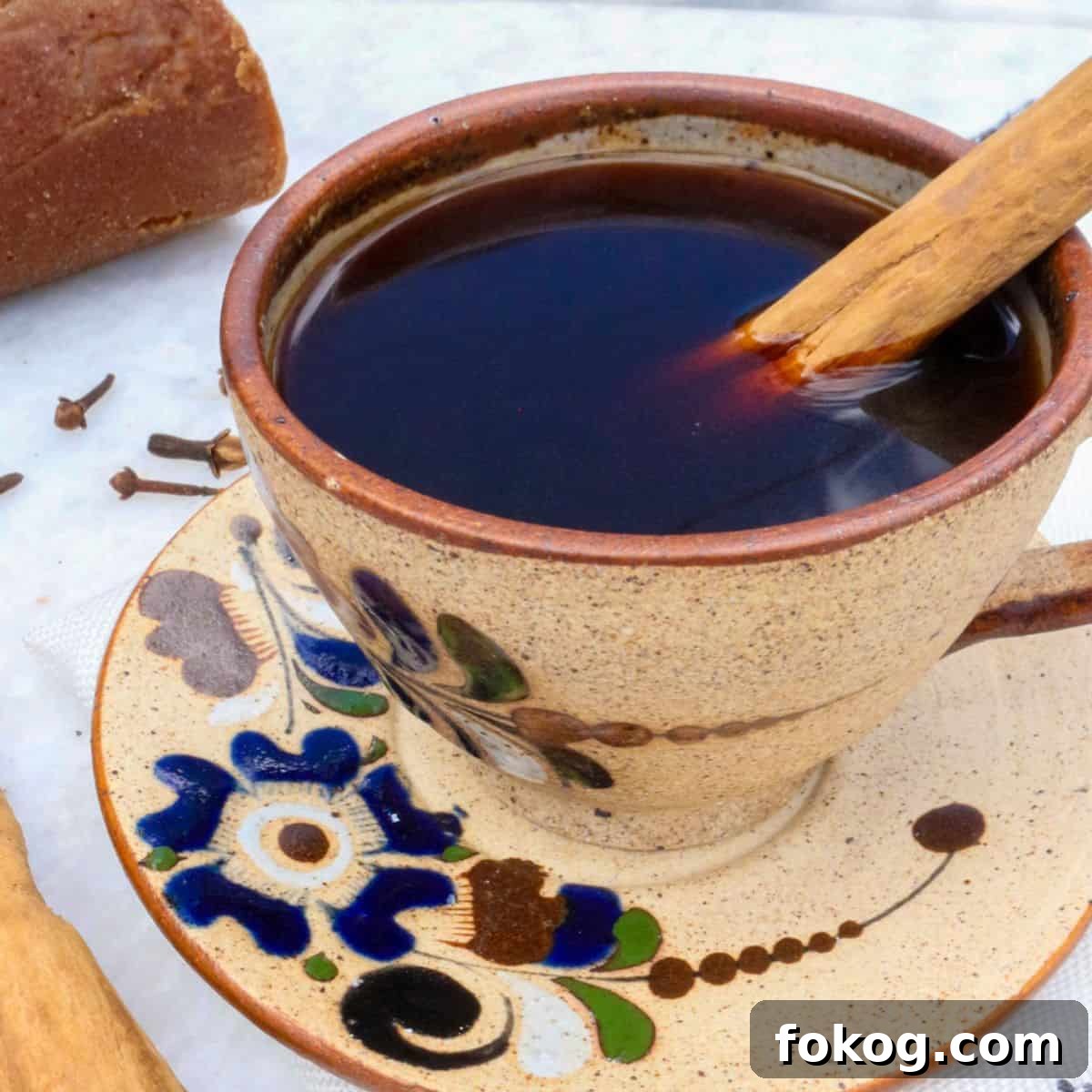
This Authentic Café de Olla Recipe blends bold coffee with the deep, caramel-like sweetness of piloncillo and the warm aromatics of cinnamon and cloves. It’s a traditional Mexican coffee that’s easy to make and delightful any time of day. Below you’ll find tips for variations and serving suggestions to make it your own.
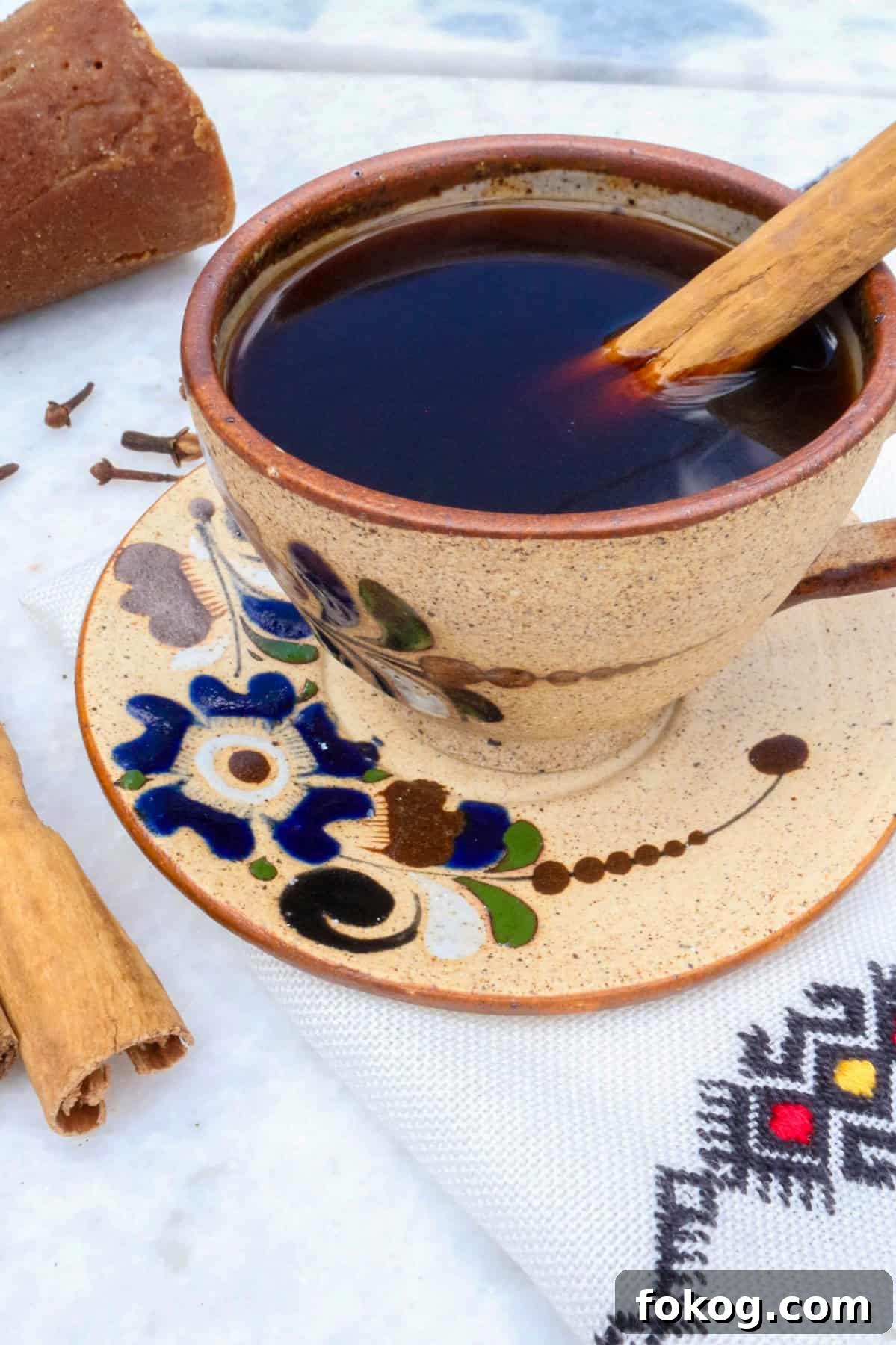
Have you tried café de olla? This fragrant Mexican coffee is defined by the cozy aroma of simmering cinnamon and piloncillo. Historically brewed in clay pots, its spice-forward profile evokes comforting mornings and slow conversations around the table.
What makes café de olla special is its simplicity: a few pantry ingredients combined with gentle simmering create a complex, comforting drink. You can keep it traditional, serve it over ice, or add a splash of milk or cream to mellow the flavors.
Below is a clear, SEO-friendly guide to making authentic café de olla at home, plus ideas for optional additions and how to store leftovers.
For other warming beverages, try a peppermint hot chocolate or a frothy mocha latte.
What is Café de Olla?
Café de olla literally means “coffee from the pot.” Traditionally it’s brewed in a clay pot called an olla de barro, which can contribute a subtle earthy note. The drink dates to the Mexican Revolution, when women known as soldaderas prepared spiced coffee to nourish and comfort troops. Recipes vary by region and family — some keep it simple with just cinnamon and piloncillo, others add chocolate, star anise, or citrus. Whether made in clay or in a saucepan, café de olla remains a beloved staple of Mexican home cooking.
Ingredients & Substitutions
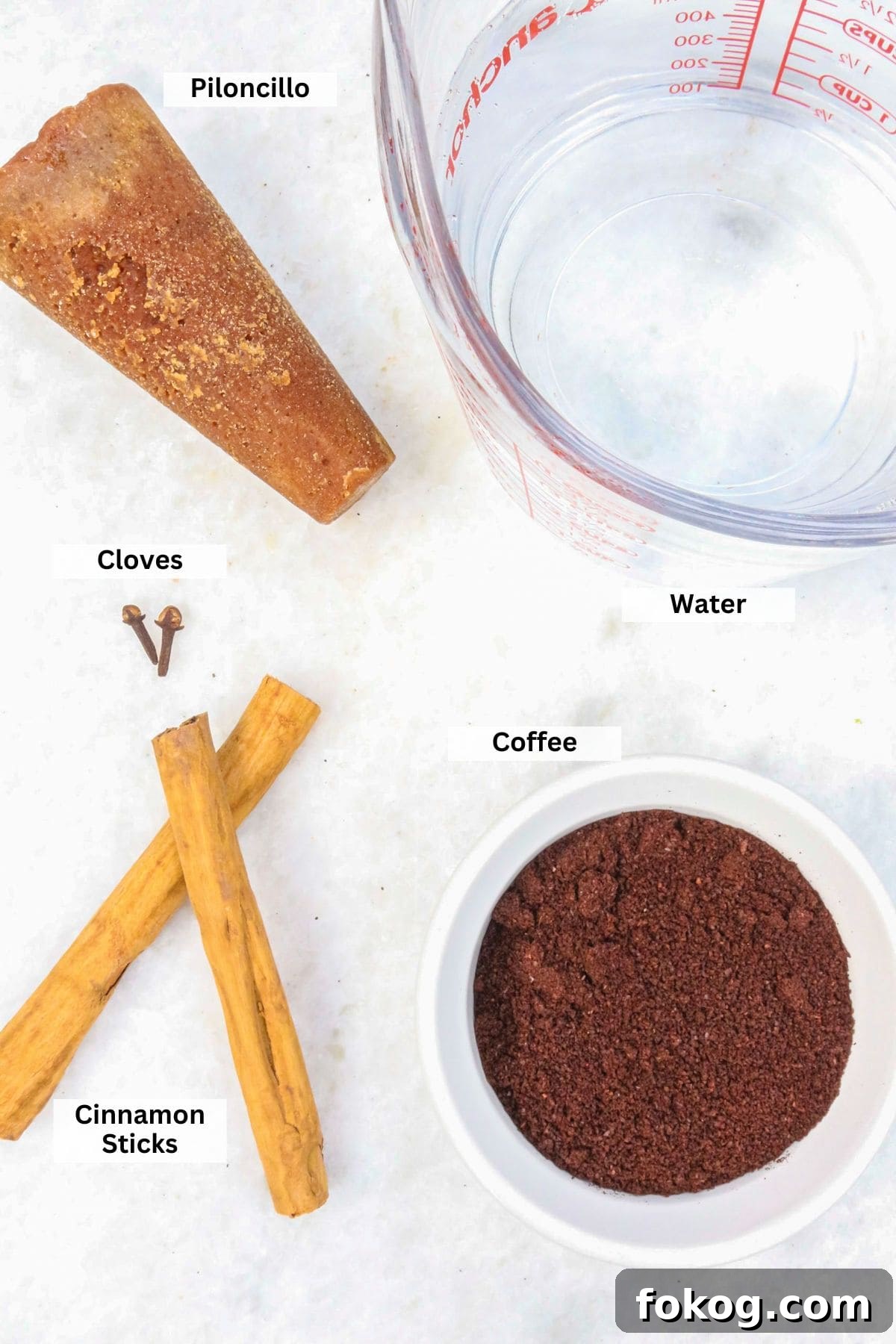
The classic version uses just a few ingredients:
- Piloncillo — an unrefined cane sugar with rich, caramel-like flavor. If unavailable, substitute dark brown sugar or coconut sugar.
- Ceylon cinnamon stick (Mexican canela) — offers a warm, smooth aroma distinct from regular cassia cinnamon.
- Whole cloves — add a gentle, spicy note.
- Dark roast ground coffee — for bold body and lower acidity; a Mexican or Latin American blend works especially well.
- Filtered water
Step-by-Step Instructions
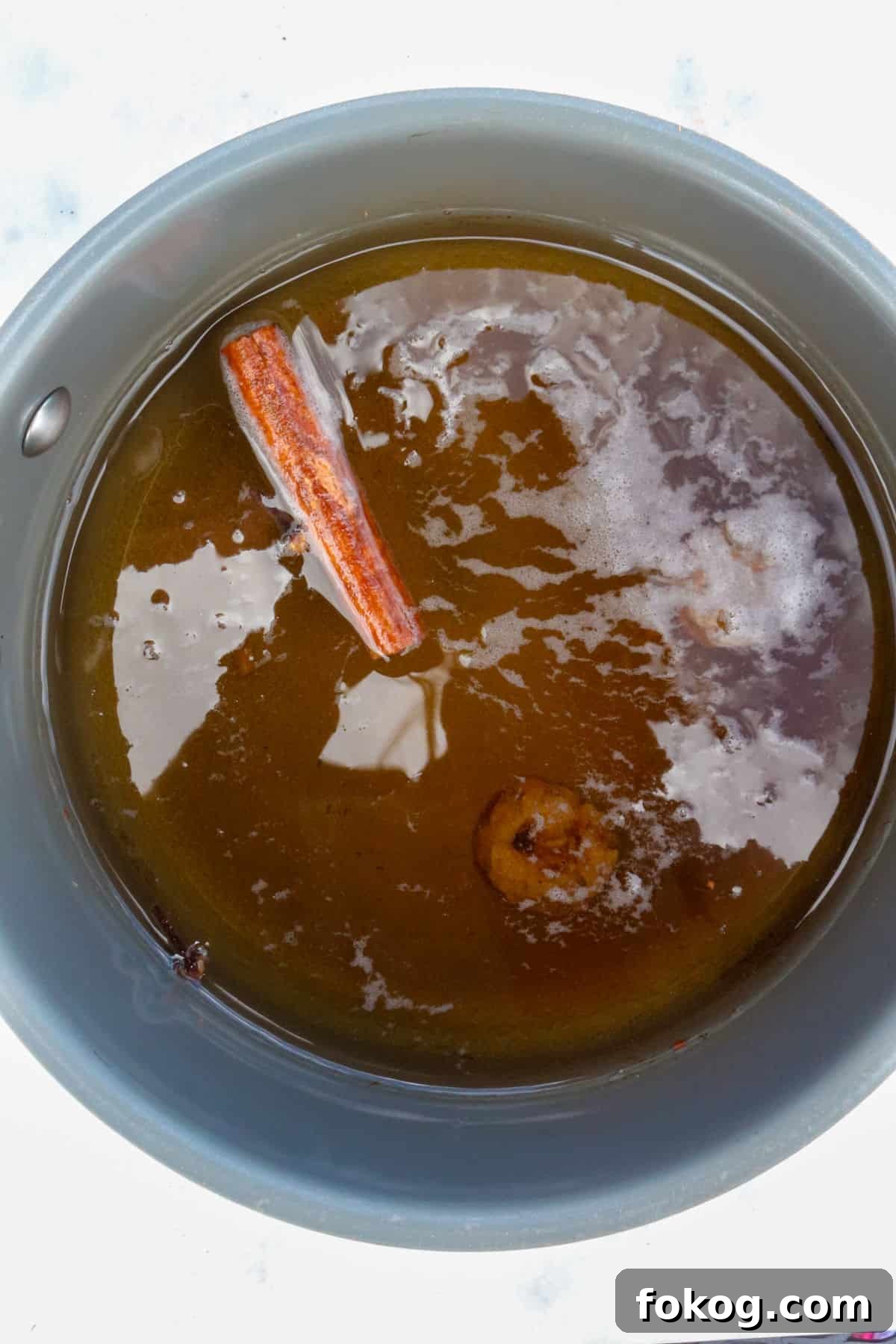
- Simmer the spices: Add 4 cups filtered water to a medium pot or olla de barro. Add the cinnamon stick, cloves, and piloncillo. Bring to a low simmer and cook for about 5 minutes, stirring occasionally so the piloncillo dissolves.
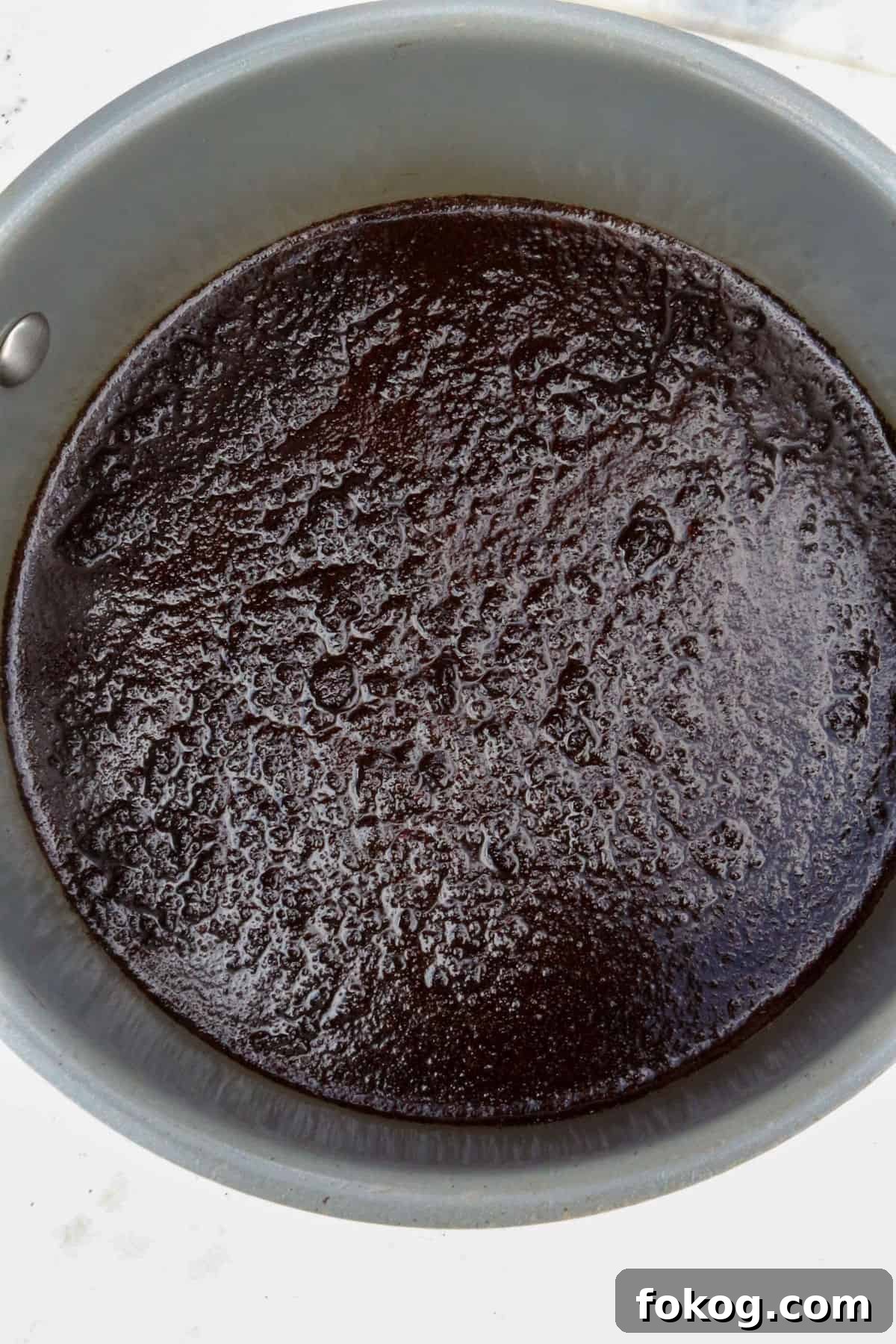
- Steep the coffee: Remove the pot from the heat and stir in 1/2 cup ground coffee. Cover and let it steep for 5 minutes. Do not boil the coffee after adding grounds to avoid bitterness.
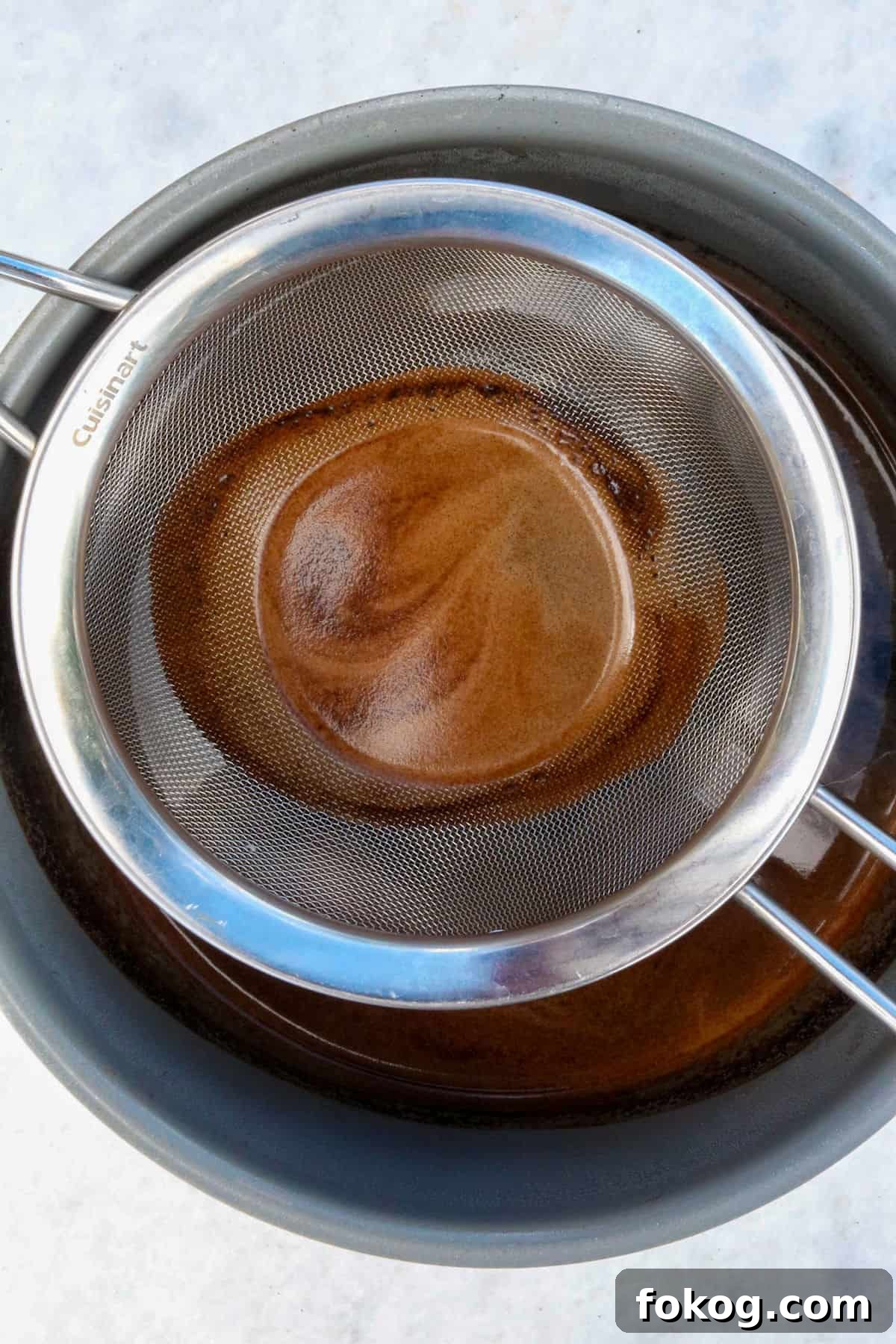
- Strain and serve: Strain the coffee through a fine mesh strainer into a pitcher or heatproof container. For extra clarity, place cheesecloth over the strainer to catch any fine grounds. Serve immediately, black or with a splash of milk or creamer.
Optional Flavor Additions
- Add 2 ounces of semi-sweet or Mexican chocolate to the simmering spices for a richer, mocha-like version — this mirrors some historic recipes.
- Include one star anise for a licorice-like note.
- Add a 2-inch strip of orange peel (no pith) to the simmering water for a bright citrus accent, or grate a bit of orange zest into each cup when serving.
Recommended for This Recipe
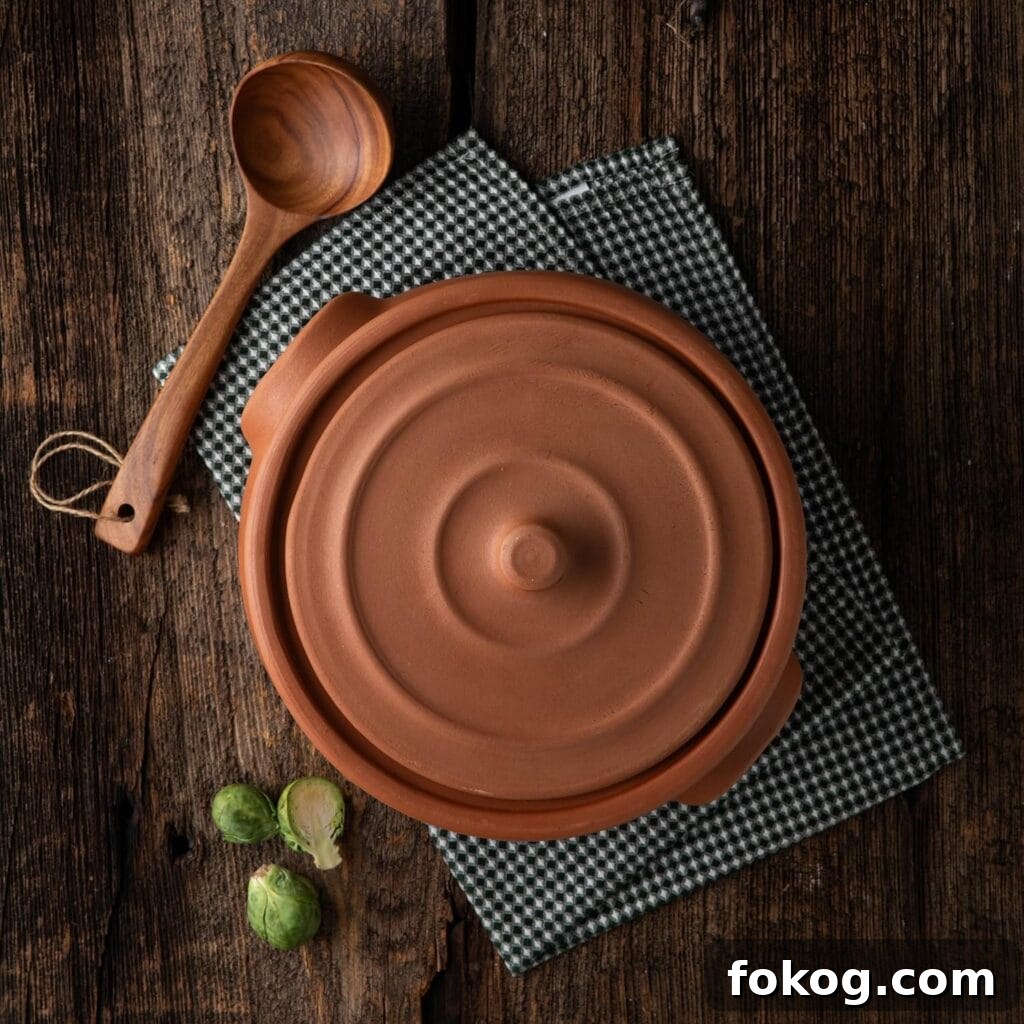
Clay Pot
Brewing in a food-safe clay pot enhances the traditional aroma and lends a subtle earthy character. If you want an authentic touch, use an olla de barro that’s been properly prepared for cooking.
How to Serve
Traditionally, café de olla is served black in decorated clay mugs called jarritos. You can also add a splash of milk, almond milk, or a touch of cream for a smoother cup. It pairs beautifully with pan dulce and a variety of sweet pastries or cakes.
- Empanadas de piña
- Tres leches cake
- Gluten-free lemon berry dump cake
- Powdered donuts
- Chocolate chip oatmeal cookies
- Apple oat muffins
Storing and Reheating
Store leftover café de olla in an airtight container in the refrigerator for up to one week. Reheat gently on the stove or in the microwave until hot but not boiling. Chilled coffee can be poured over ice for a refreshing iced café de olla.
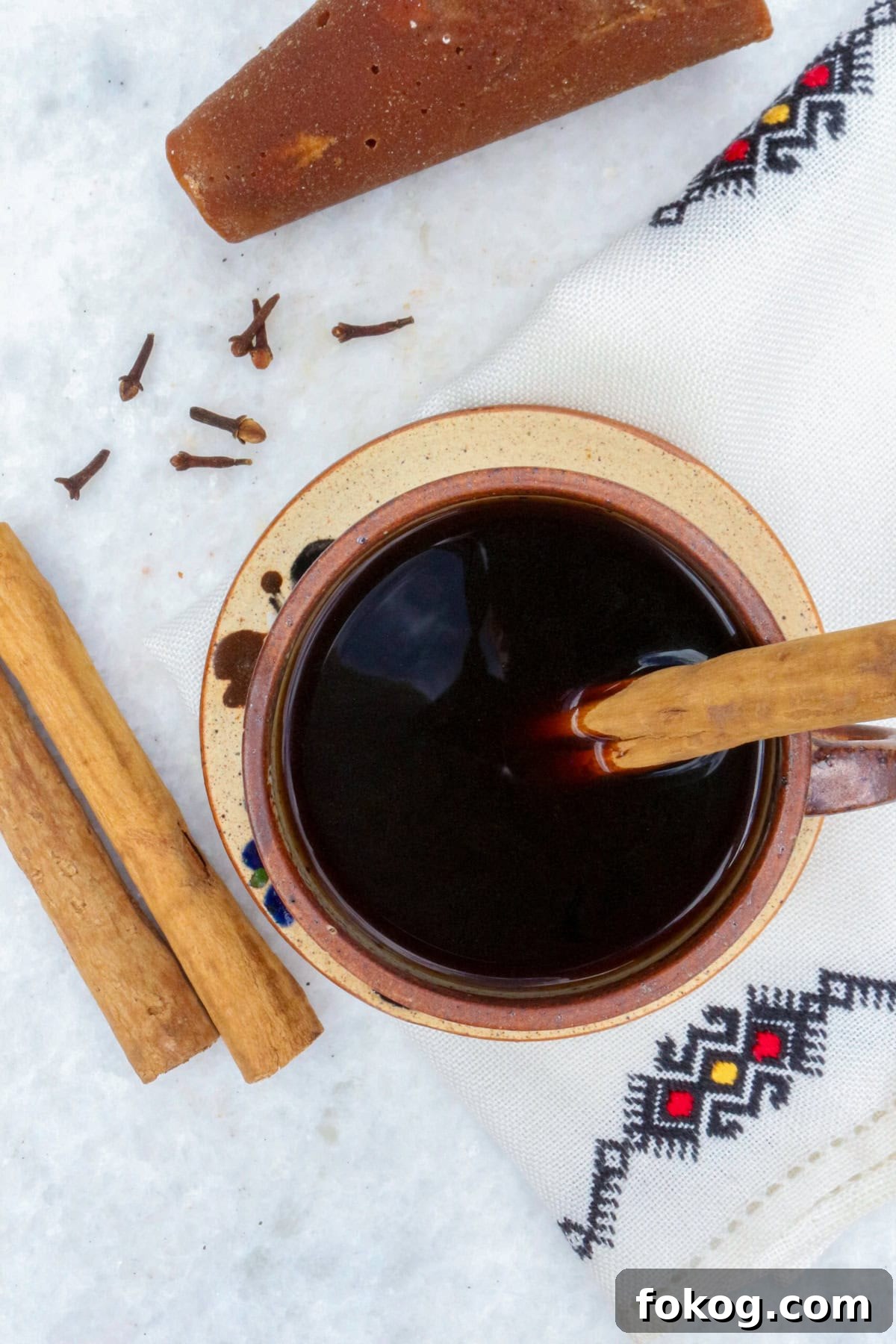
If you make this recipe, please leave a comment and rating. Enjoy your café de olla!
Recipe
Authentic Café de Olla Recipe
This authentic café de olla combines bold coffee with piloncillo and warming spices for a comforting, aromatic drink. Simple to make and easy to customize.
Prep Time: 10 mins · Cook Time: 5 mins · Total Time: 15 mins · Servings: 4 cups · Calories: 53 kcal
Equipment
- Olla de barro or small pot
- Mesh strainer
- Cheesecloth (optional)
Ingredients
- 4 cups filtered water
- 2 whole cloves
- 1 medium stick Ceylon cinnamon (or half of a larger stick)
- 2 oz piloncillo (see notes) — substitute 1/4 cup dark brown sugar or coconut sugar if needed
- 1/2 cup dark roast ground coffee
Instructions
- Add the water to a medium pot or olla de barro.
- Add the cloves, cinnamon, and piloncillo.
- Bring to a low simmer for 5 minutes, stirring occasionally so the piloncillo dissolves.
- Stir in the coffee grounds and remove from heat. Avoid boiling after adding the coffee to prevent bitterness.
- Cover and steep for 5 minutes.
- Strain through a mesh strainer into a pitcher. For a clearer brew, line the strainer with cheesecloth.
- Serve black or with a splash of milk or creamer.
Notes
- If you cannot find piloncillo, use 1/4 cup dark brown sugar or coconut sugar as a substitute.
- See the flavor additions section above for variations like chocolate, star anise, or orange peel.
Nutrition (per serving)
Calories: 53 kcal · Carbohydrates: 13 g · Sugar: 12 g · Fiber: 1 g · Sodium: 5 mg
Originally published September 23, 2022. Updated post November 2025.