My fiancé’s sister teaches elementary school in Seattle, WA. She told us her students were curious because her big brother had moved from Portland, OR to Cape Town, South Africa. They asked a number of thoughtful questions about life there. Below are our answers, written by both of us. We tried to be clear and honest — the last question was one of our favorites!
How is daily life in South Africa different from here?
Daily life in Cape Town differs from life in the U.S. in many small but meaningful ways. Time and phrasing can be different — for example, when someone says “just now” they often mean “in a little while,” while “right now” still means immediately. Drivers tend to be more aggressive, and of course everyone drives on the left side of the road. Simple conveniences feel different: pizza tastes different, and electricity is purchased in advance at stores, so people are generally more mindful about usage because power can be limited. Power outages do happen. One of the biggest practical differences for us has been much slower and less reliable internet.
Although English is widely spoken, many place names and signs use Afrikaans or other local languages, which can be tricky to pronounce — examples include Bloubergstrand and Smitswinkelbaai. Household and food names vary too: ketchup is often called tomato sauce, tomato sauce may refer to tomato puree, barbecues are called braais, sausages are boerewors, and Diet Coke is Coke Light.
There are many positives. Cape Town’s climate is pleasant much of the year — what locals call “cold” can still be around 65°F with wind. Life has a slower pace in many settings, which encourages you to relax and savor experiences, especially meals. The exchange rate usually stretches a dollar further, and the region offers endless outdoor options: beaches, waterfronts, hiking trails, game reserves, and frequent festivals.
Do they have any unusual foods?
South African cuisine includes items you might not see every day in the U.S. We’ve tried ostrich and springbok (similar to venison) and noticed menus sometimes list warthog or crocodile. Local fish varieties include hake, line fish, and snoek. Boerewors sausages are common and very flavorful. The country grows many fruits and vegetables like cape gooseberries, dragon fruit, litchi, baby marrows (small squash), avocados, and mangoes. Corn-based dishes are central to many diets — maize meal, called pap, is similar to grits. South Africa’s food is a rich blend of traditions influenced by Dutch, Malay, British, and many African cultures, which makes dining here especially interesting.
What are the animals like there? Have you seen any wild animals?
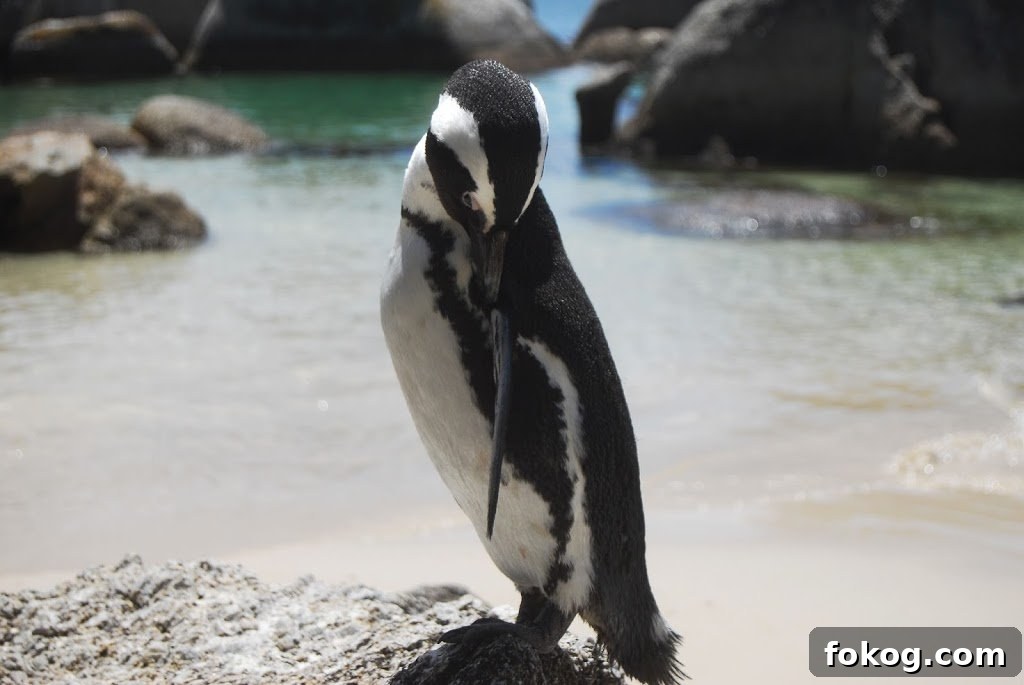
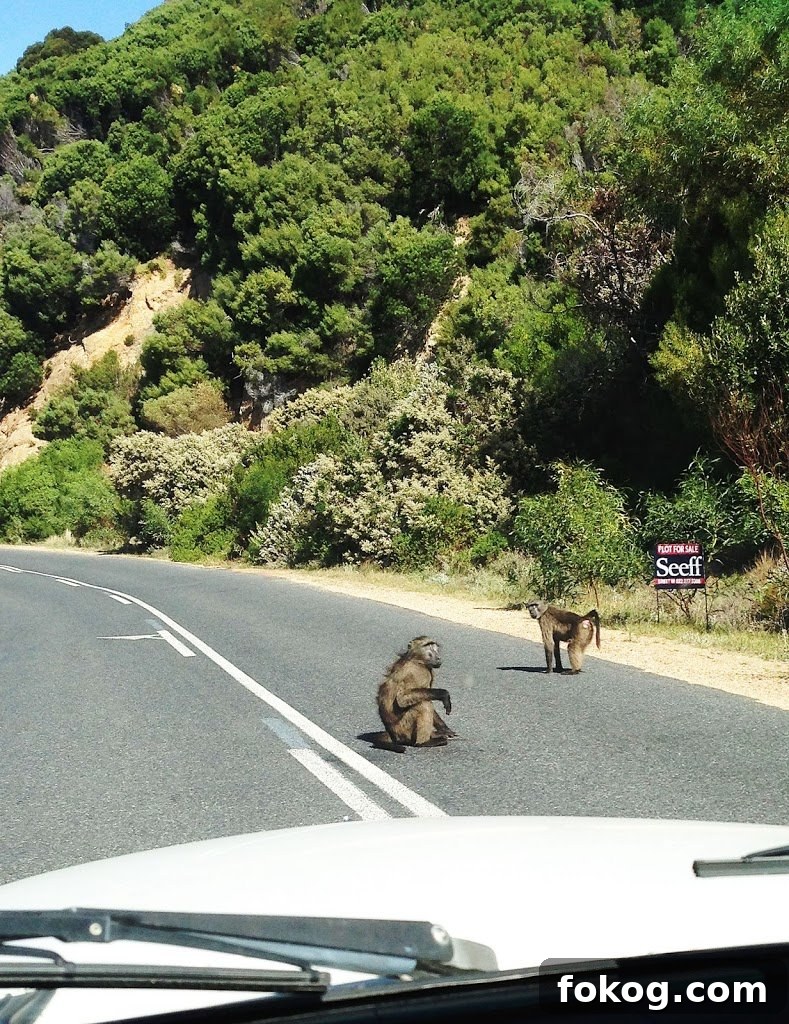
Wildlife is one of the highlights. There’s a beach near us that’s home to a colony of African penguins, and seeing them among beachgoers is delightful. We’ve also encountered baboons while driving and on hikes; signs warn visitors not to feed them. In other regions, private game reserves protect larger species such as lions, rhinos, elephants, and cheetahs, and it’s common to see wildlife on guided tours.

Roadside wildlife encounters are exciting but come with cautions: animals can be unpredictable, and local officials advise keeping distance and not offering food.
What are the houses like?
Many houses in Cape Town display Cape Dutch architecture, a legacy of early Dutch settlers. These homes and buildings often feature whitewashed walls, ornate gables, and plaster or cement construction with decorative details. A notable area is Bo-Kaap, famous for its brightly painted houses and a strong Cape Malay cultural presence.
Close to downtown Cape Town are numerous townships. These urban residential areas are often under-resourced and can lack reliable access to services such as clean water, electricity, and waste management. Townships are a visible reminder of South Africa’s history of racial and economic inequality. Millions of South Africans live in these communities, and many organizations work on improving infrastructure and services.
What is the culture like?
South Africa is exceptionally diverse. Rather than a single national culture, the country is a mosaic of many traditions and languages. There are 11 official languages; some of the most widely spoken include Xhosa, Zulu, Sotho, Tswana, Afrikaans, and English. This diversity is an essential part of what makes South Africa unique, expressed in music, food, festivals, and daily life.
What is the coolest thing you have seen since living there?
Chelsea: The best view I’ve experienced is from the top of Table Mountain. The mountain’s flat summit provides a stunning panorama of Cape Town, the coastline, and the surrounding nature. The cableway up is fun, and the summit features unique flora, lizards, and walking paths. Watching the city and ocean from that vantage point is unforgettable. The penguins remain a close second.
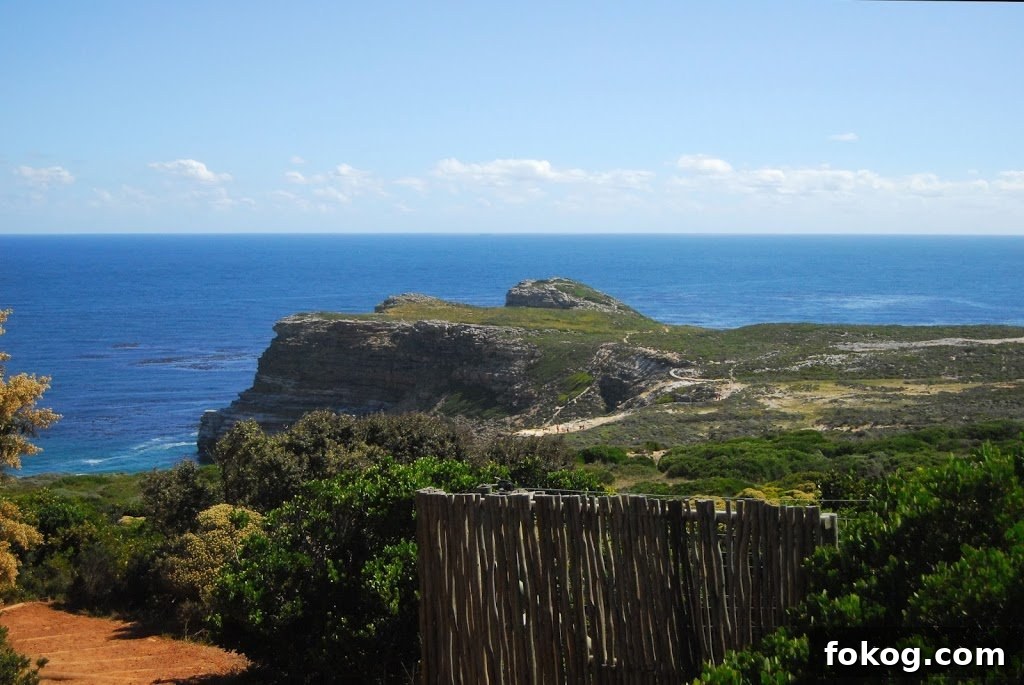
Fiancé: Standing at the tip of the Cape Peninsula, surrounded by ocean on three sides, was an incredible feeling. The geography is dramatic and knowing that the vast Southern Ocean stretches from that point is awe-inspiring. Seeing penguins and baboons in their natural environment has also been a highlight.
What do you miss most about the U.S.?
Chelsea: Besides family and friends, I miss fast, reliable internet. We depend on it for video calls, blogging, and staying in touch, and spotty connections make that difficult. I also miss having more television options; local channels often offer limited programming that doesn’t match what I’m used to.
Fiancé: I miss my family and friends too. I also miss watching my favorite basketball team live. For sports updates I rely on online recaps and highlights when live viewing isn’t possible.
What is the money called?
The currency is the South African Rand, shown as R17.99, for example. Roughly ten rand equal one U.S. dollar, though rates fluctuate. Banknotes feature Nelson Mandela’s portrait on the front and animals from Africa’s “Big Five” on the back: lion, leopard, Cape buffalo, rhinoceros, and elephant.

What is the government like?
South Africa operates differently than the United States in several ways. It functions largely as a unitary state, meaning that national government holds broad authority compared with a federal system where states share power. The country uses a proportional representation electoral system: voters choose parties, and parliamentary seats are allocated based on each party’s share of the vote. Parliament then elects the president. This system results in multiple political parties being represented in parliament.
Are there different jobs?
Many jobs are similar to those in the U.S., but some roles are more common. For instance, private security is widely employed, and “car guards” are often present in parking areas to help protect and direct vehicles, usually expecting a small tip. The country also supports employment in private game reserves, where staff help care for and protect wildlife. Overall, though, the range of occupations is familiar.
In general, life in Cape Town offers a mix of natural beauty, cultural richness, and everyday practical differences that make living there a distinct and rewarding experience.
Are the schools like schools here?
Primary and secondary schools differ in some ways. Many schools have uniforms and several are single-gender. Outside major cities, some schools are under-resourced and in need of repairs; in a few cases, access to basic services like toilets can be limited.
Do they play different sports?
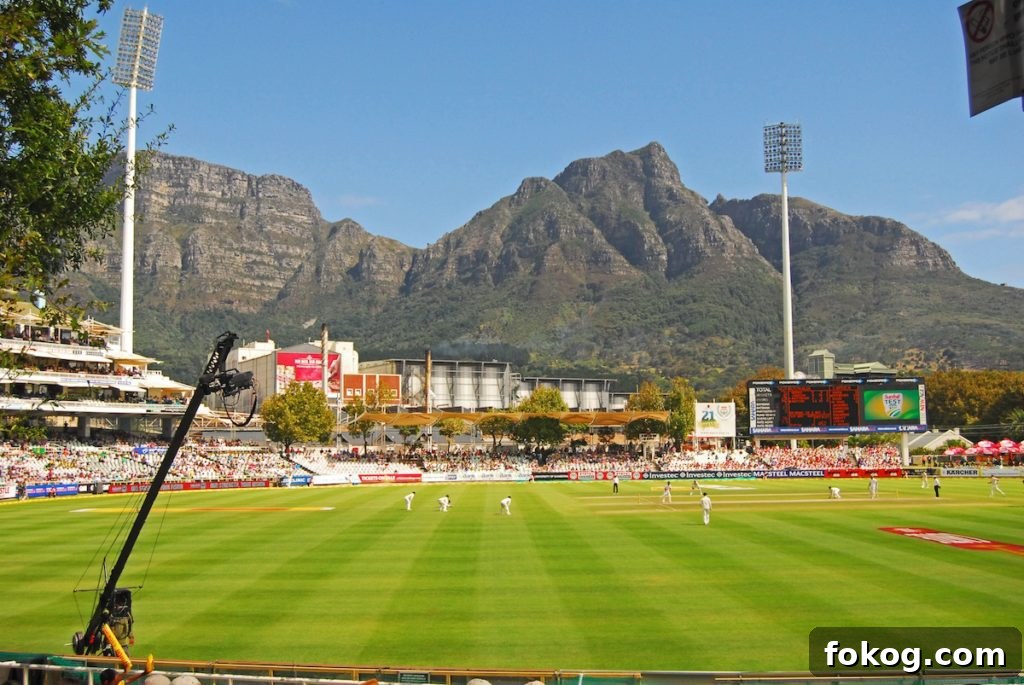
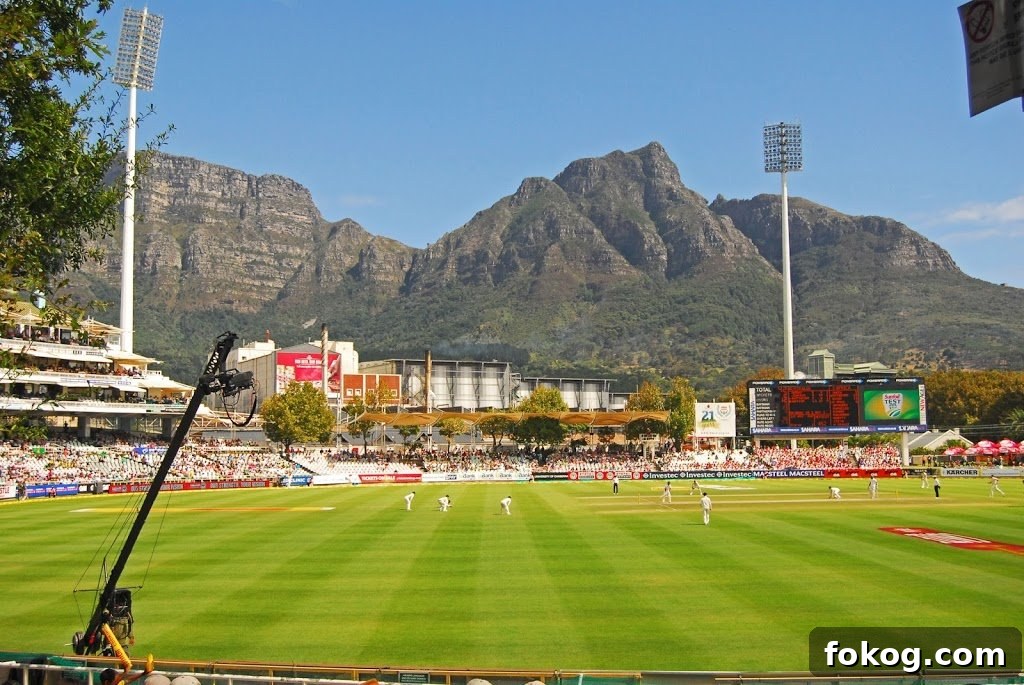
Popular sports include soccer, rugby, and cricket rather than American football or professional basketball. Cricket resembles baseball in some ways, while rugby has elements of both soccer and football. Fans are passionate, and attending a match is a lively cultural experience.

What pets do people have?
Pets are similar to those in the U.S., with many homes having dogs and cats. We haven’t encountered exotic household pets yet, but local wildlife and farm animals are part of everyday life in surrounding areas.
Did you watch the Seahawks win the Superbowl?
We missed watching the Seahawks win the Super Bowl live. We had just arrived in Cape Town and didn’t yet have internet or local access to the game on TV. We followed the news and saw many photos and highlights afterward, though — it was exciting to read about the celebration back home.