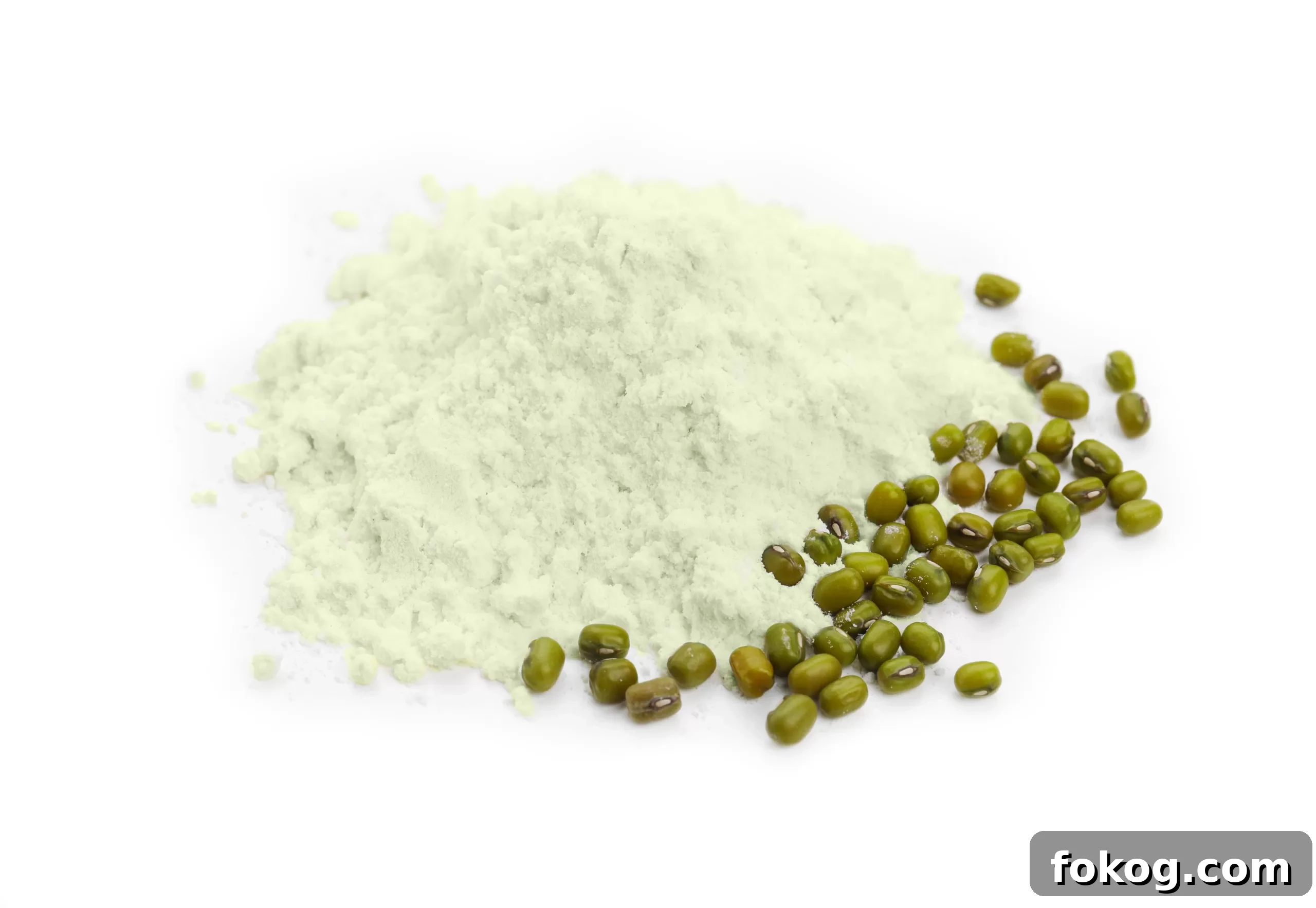
So you bought a bag of mung bean flour for pancakes or another recipe and now you’re wondering how long it will stay fresh. Here’s a clear, practical guide to help you get the most out of your flour.
In general, mung bean flour keeps for about 6–12 months, but actual longevity depends on whether the package is opened, how it’s stored, and the environment.
Read on for shelf-life estimates, how to recognize spoiled flour, and the best storage practices.
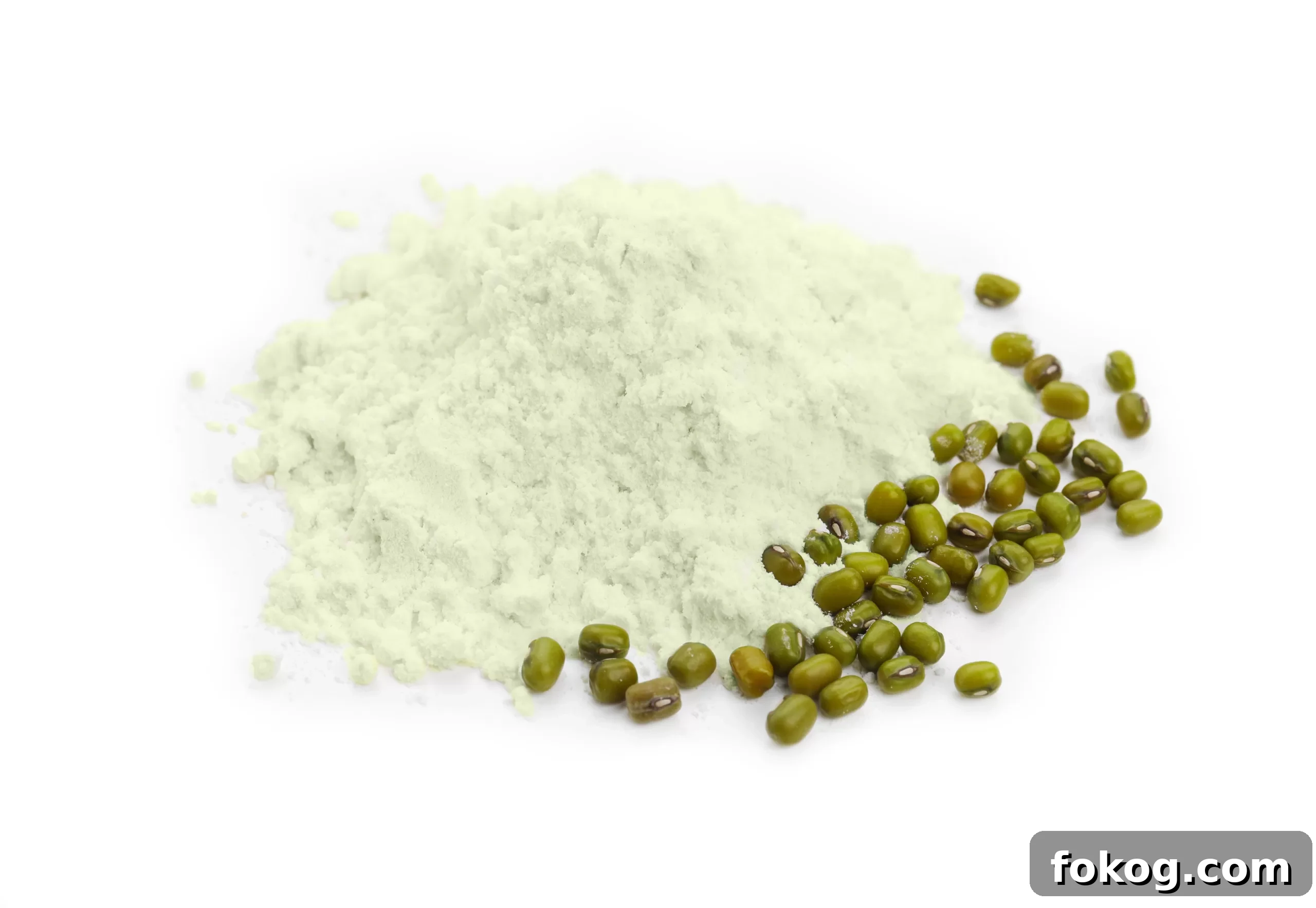
What is the shelf life of mung bean flour?
Mung bean flour, like other legume-based flours, generally has a shorter shelf life than highly processed wheat flours. This is due to its higher oil and protein content and lower level of refining. When kept in a sealed, airtight package and stored in a cool, dry place away from direct sunlight, unopened mung bean flour commonly lasts up to a year or slightly longer past the printed date.
How long does mung bean flour last after opening?
After opening, exposure to air, humidity, and temperature changes shortens the flour’s usable life. Use the table below as a guideline for typical storage scenarios.
| Pantry | Fridge | Freezer | |
| Sealed mung bean flour | 6–12 months | 1–2 years | 1–2 years |
| Opened mung bean flour | About 6 months | 6–12 months | 1–2 years |
At room temperature in an airtight container, opened mung bean flour typically stays good for around six months. Storing opened flour in the refrigerator can extend its shelf life to about 6–12 months. For longest storage, freeze the flour in a tightly sealed container or double-bagged freezer bag; properly frozen mung bean flour can remain usable for one to two years.
Can you use mung bean flour after its expiration date?
The printed date is a quality guideline rather than an absolute safety cutoff. If the flour has been stored properly and shows no signs of spoilage, it may still be usable after the date. However, flavor and performance can decline over time, so always check the flour before using.
How to tell if mung bean flour has gone bad
Use these simple sensory checks to decide whether your flour is still good:
- Smell: A fresh flour has a neutral or mild bean-like aroma. A rancid, sour, or musty smell indicates spoilage.
- Texture: Fresh flour is smooth and powdery. Clumping, hard lumps, or a gritty feel can mean moisture exposure or staling.
- Color: Mung bean flour is usually pale green. Noticeable darkening, discoloration, or unusual spots suggests it should be discarded.
- Taste: If everything else seems fine, try a tiny taste. A bitter or off flavor means it’s past its prime.
When in doubt, throw it out—food safety is worth the waste.
What’s the danger in using mung bean flour after it’s gone bad?
Using spoiled flour can ruin the taste and texture of your recipes and may cause digestive upset. In rare cases where flour is contaminated with harmful microorganisms or mold, it could lead to foodborne illness. Avoid using flour that shows any signs of spoilage.
Best storage practices for mung bean flour
Follow these tips to maximize freshness and shelf life:
- Transfer opened flour to a clean airtight container or resealable bag to block moisture and air.
- Store in a cool, dark place. A pantry works well in temperate climates; in hot or humid regions, use the refrigerator or freezer.
- Keep containers dry and always use dry utensils to scoop flour to avoid introducing moisture.
- Label containers with the date you opened them so you can track age easily.
- When freezing, double-bag or place in heavy-duty freezer bags to prevent freezer burn and protect flavor.
FAQs
Yes. Bean flours can spoil, especially if exposed to moisture, heat, or air. Proper storage and regular checks will help maintain quality.
Shelf life varies by storage conditions. Unopened bean flour can last up to a year or more; opened flour generally lasts six months at room temperature, longer in the fridge or freezer.
If the flour shows no signs of spoilage it may be usable, but quality may be reduced. Always check smell, texture, color, and taste before using older flour.