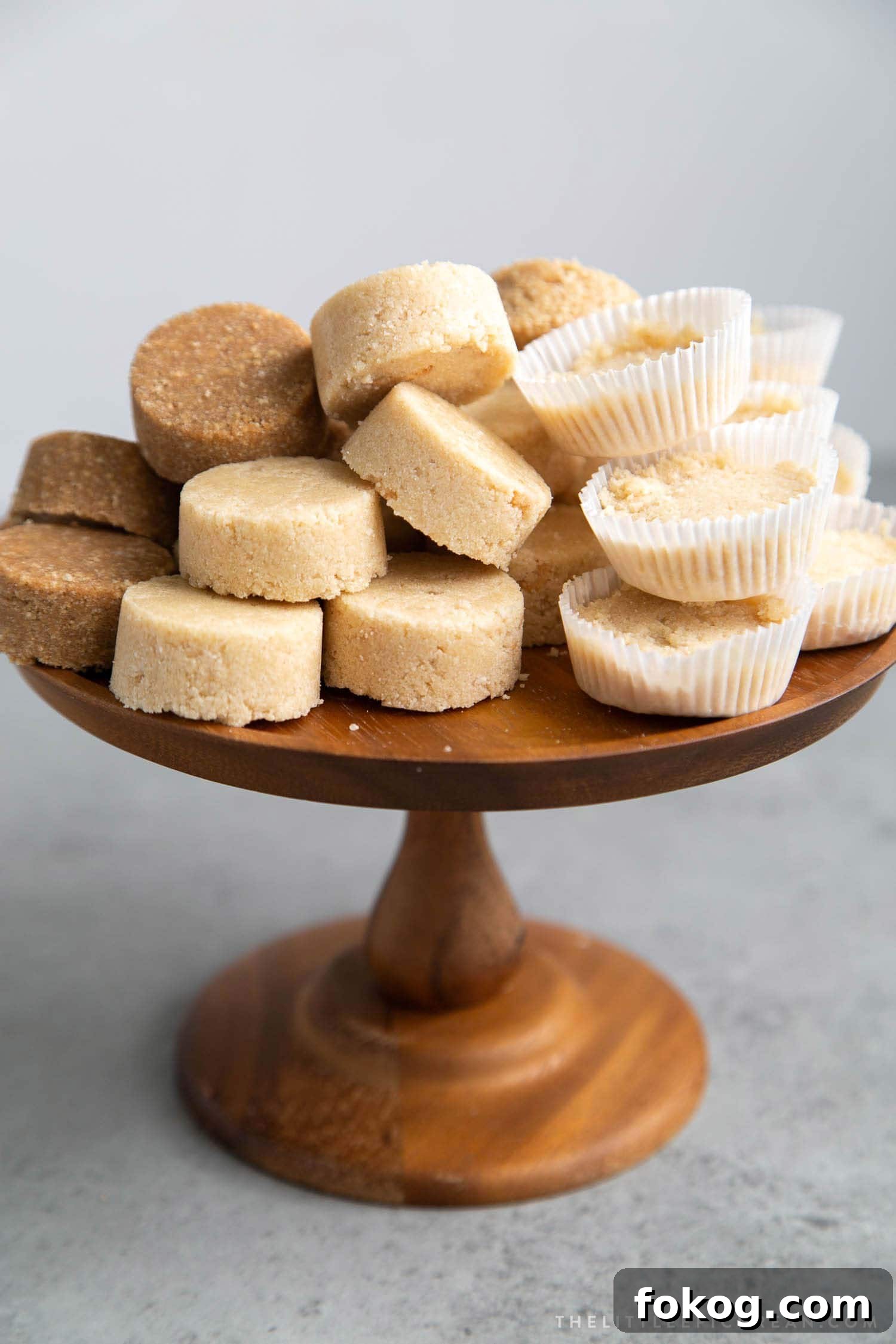
Polvoron is a Filipino shortbread made from toasted flour, powdered milk, butter, and sugar.
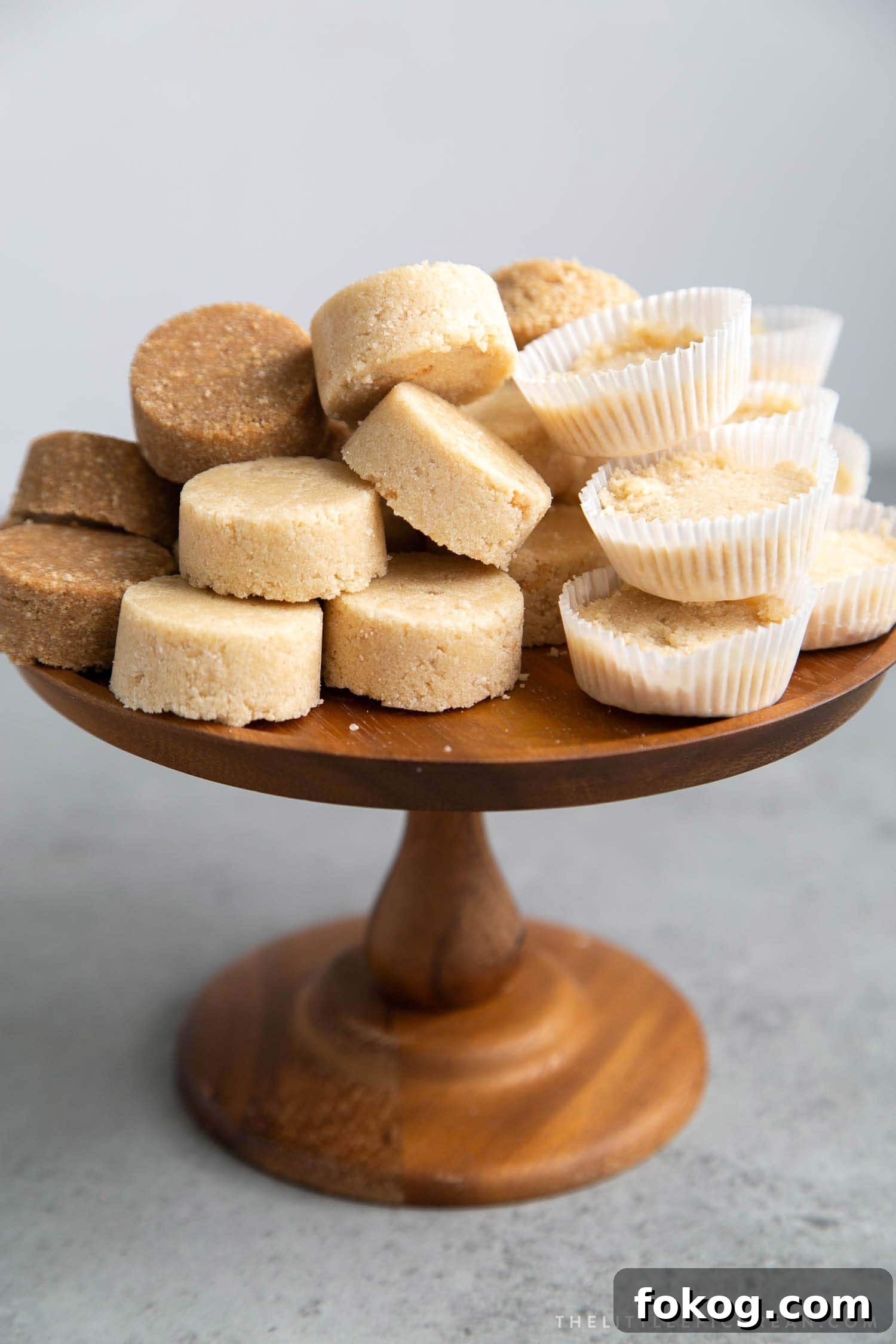
These bite-sized, crunchy, and crumbly sweets are irresistibly sweet and addictive. Polvoron is also spelled pulburon or polboron and is sometimes called Filipino milk candy. One piece rarely satisfies — expect to reach for another after the first bite.
Homemade Pulburon
Filipino polvoron is adapted from the Spanish polvorones, a shortbread traditionally served at Christmas. The name comes from the Spanish word polvo, meaning dust or powder, which describes the cookie’s fine, crumbly texture. The Tagalog word pulbo has a similar meaning.
The Philippines was a Spanish colony for more than three centuries (1521–1898), and many Spanish recipes were adapted using local ingredients and tastes. Polvoron is one of those recipes that took root and evolved into a Filipino favorite.
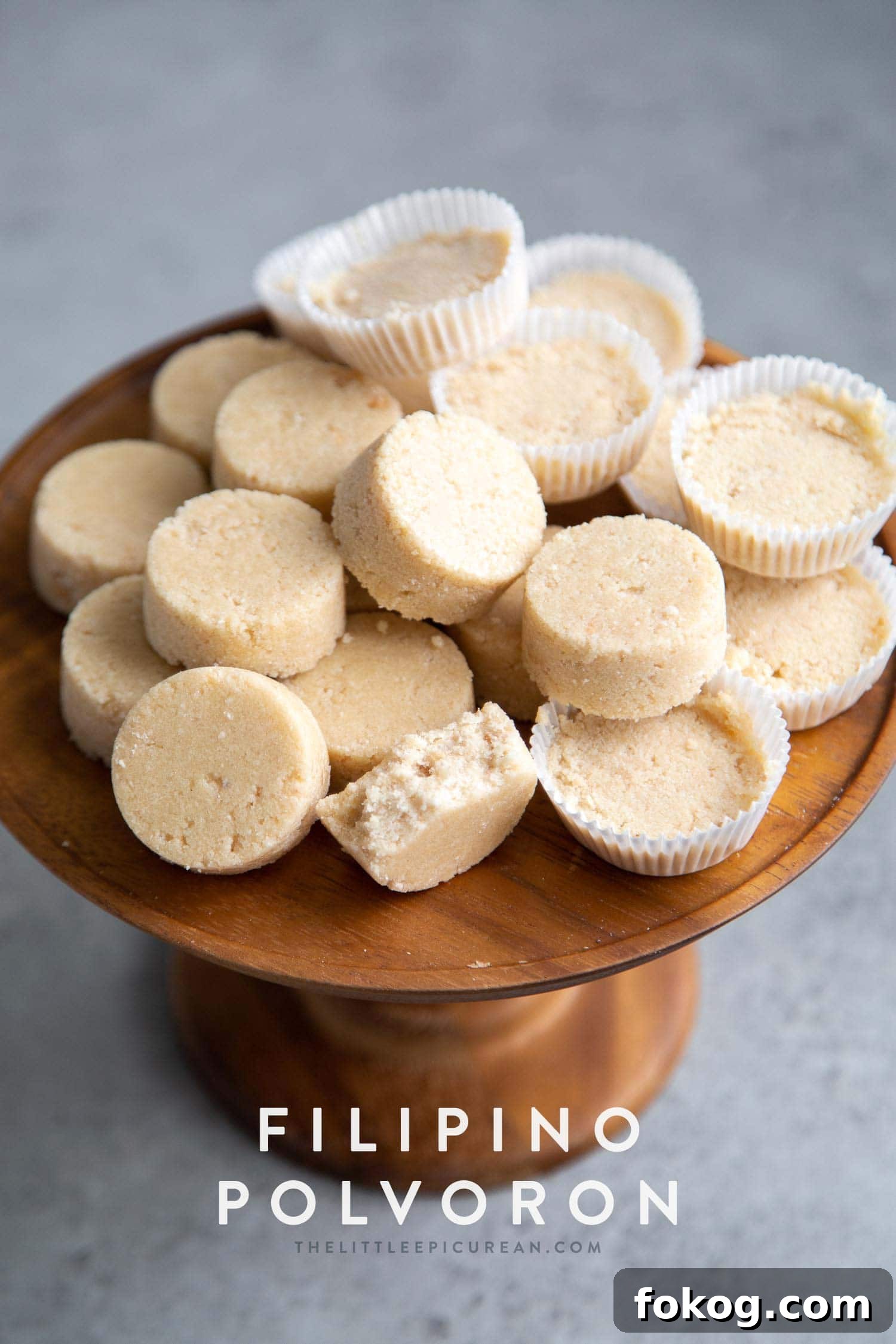
Is it easy to make polvoron cookies?
Yes. These cookies require only a few ingredients and minimal technique. Traditional polvoron shapes are made with an oval stamper, which can be hard to find and expensive online. If you don’t have one, you can shape polvoron with silicone molds, mini muffin tins, or even compact discs using common kitchen tools — options described below.
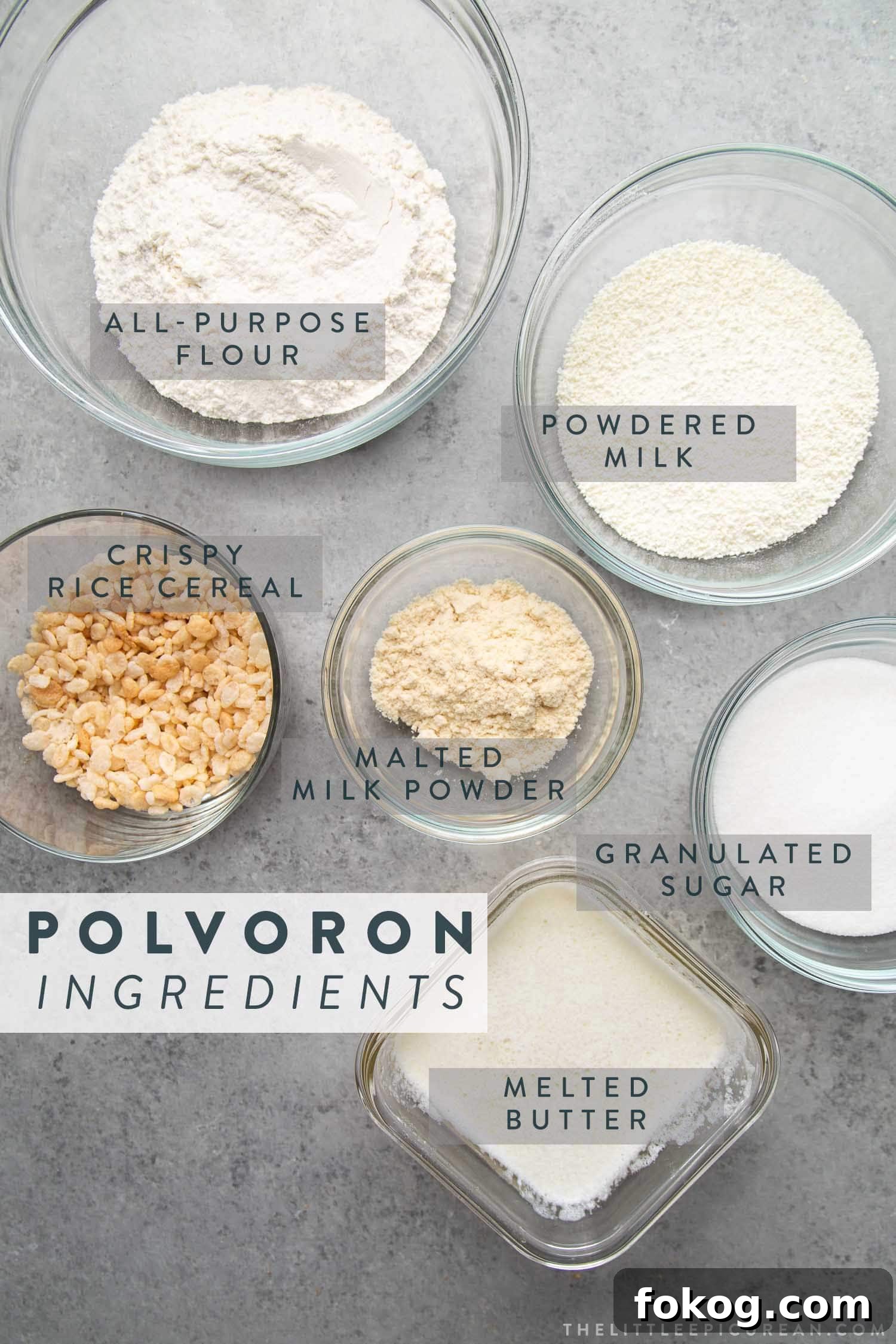
Required Ingredients vs Optional Mix-Ins
The basic polvoron list is short: toasted all-purpose flour, powdered milk, sugar, and unsalted butter. Because the recipe relies on so few ingredients, use the freshest, highest-quality flour and butter you can find.
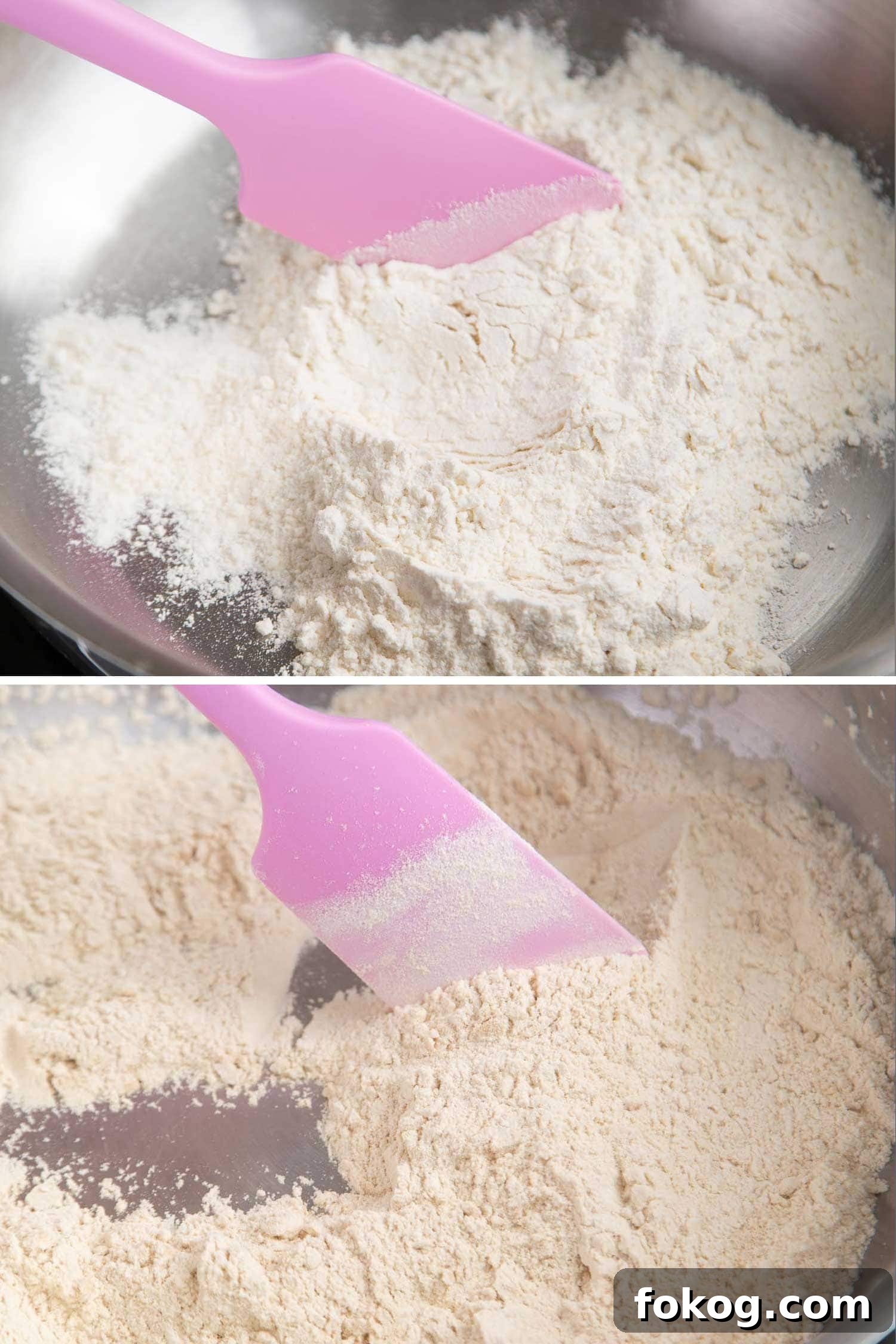
- Toasted Flour
Use plain all-purpose flour. Toasting the flour is essential for flavor and food safety (raw flour can contain harmful bacteria). Toast the flour in a shallow skillet over medium heat, stirring frequently so it browns evenly without burning. Toast to a light tan for a milder flavor or to a deeper golden brown for more toasty notes — just don’t let it scorch.
- Powdered Milk
Whole milk powder yields the creamiest, richest polvoron. If you only find nonfat instant milk powder, it will still work but won’t be as rich. If the powdered milk is flaky or clumpy, pulse it in a food processor to achieve a fine, powdery texture for the best melt-in-your-mouth result.
- Unsalted Butter
Butter is the binder that brings the dry ingredients together. Use fresh, good-quality butter for the best flavor. While margarine, shortening, or vegan butter can produce a shelf-stable version, they change the flavor and texture; shortening-based polvoron tends to be firmer and less flavorful than butter-based versions.
Optional Ingredients
- Malted milk powder for extra toasty sweetness
- Crispy rice cereal or pinipig (toasted young rice) for crunch
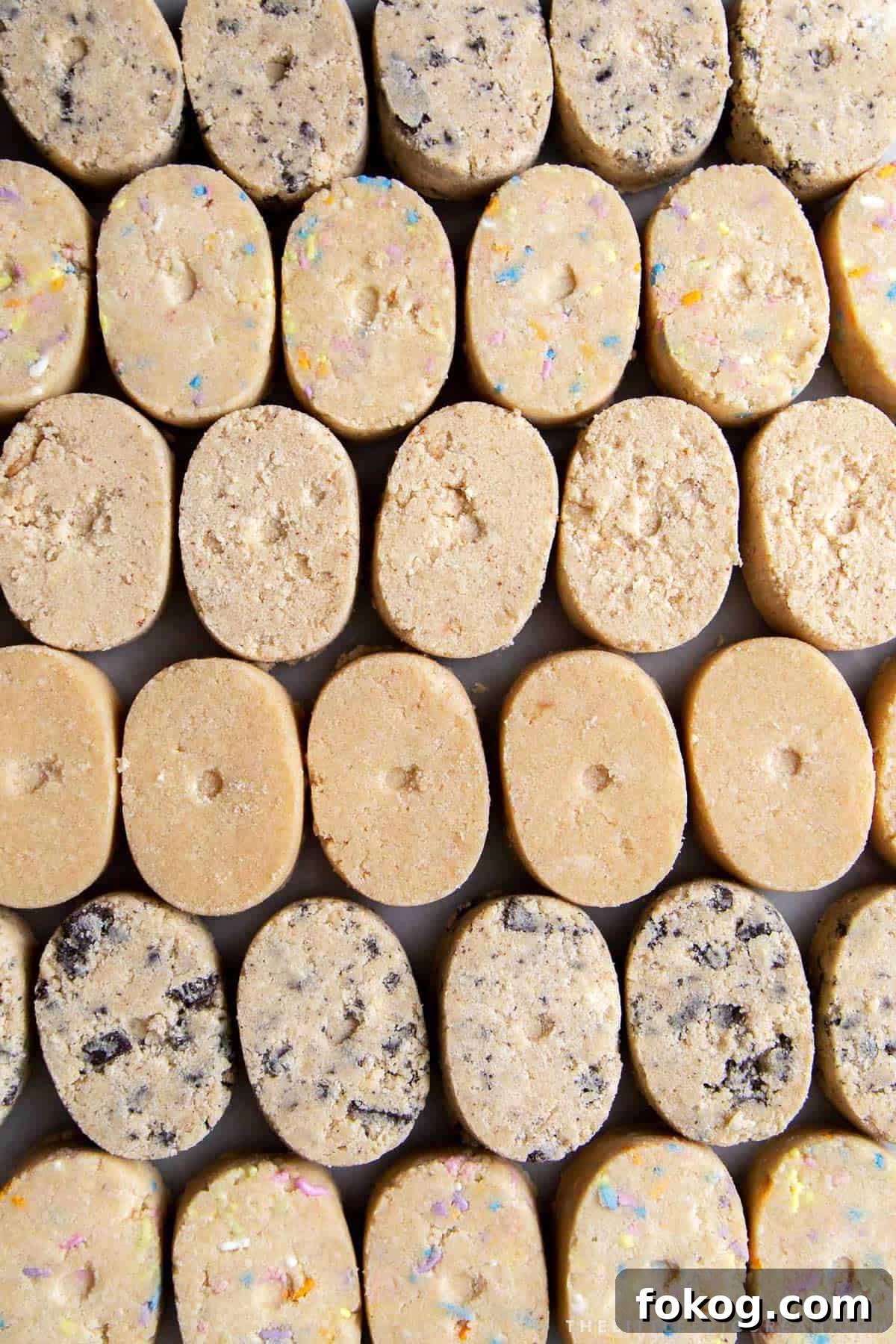
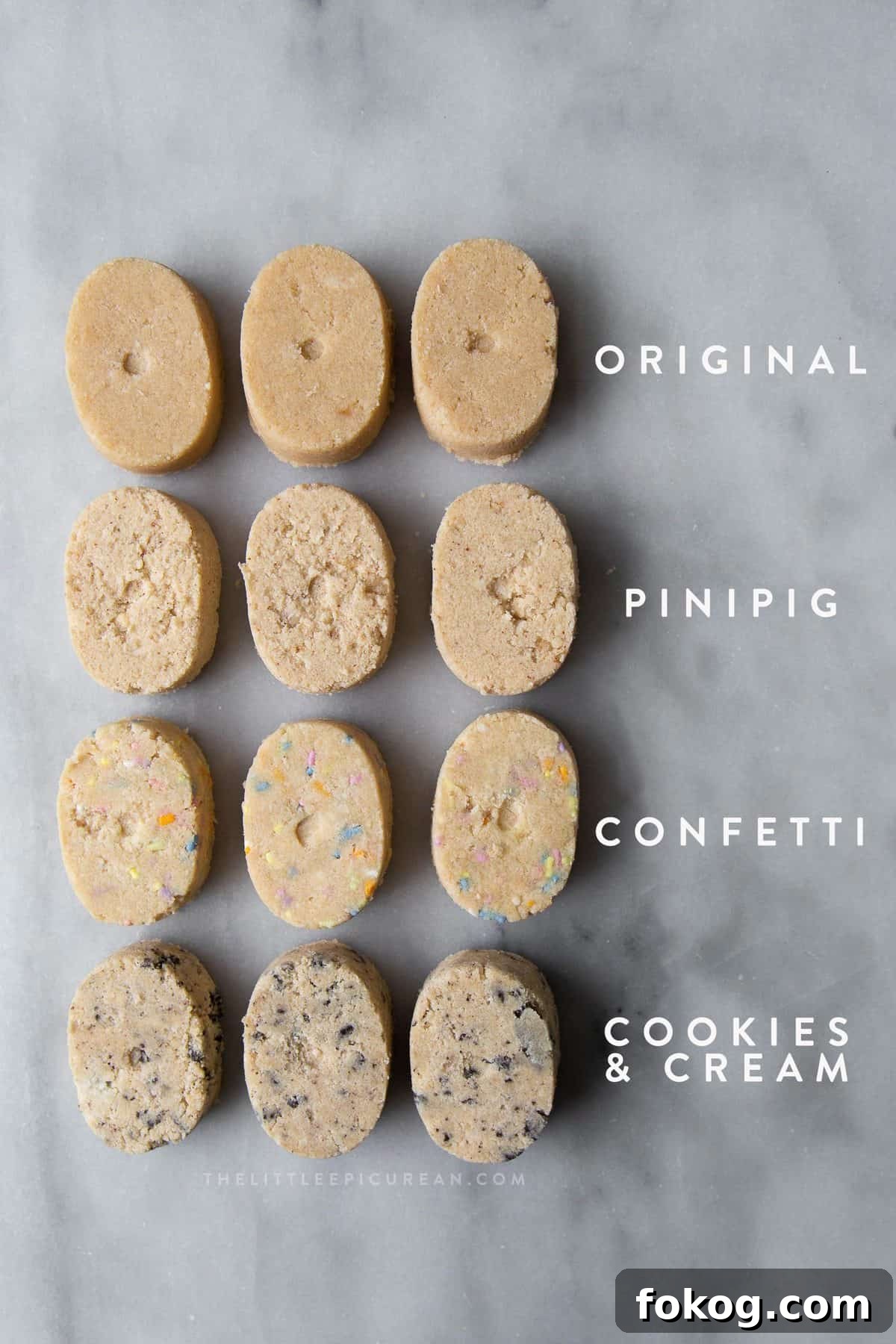
- Flavor mix-ins like ube halaya, crushed Oreos, freeze-dried fruit, or sprinkles
- Chopped or powdered nuts: peanuts, pecans, cashews
Adding one mix-in at a time keeps the texture balanced. Malted milk powder is a great optional addition for extra depth and sweetness.
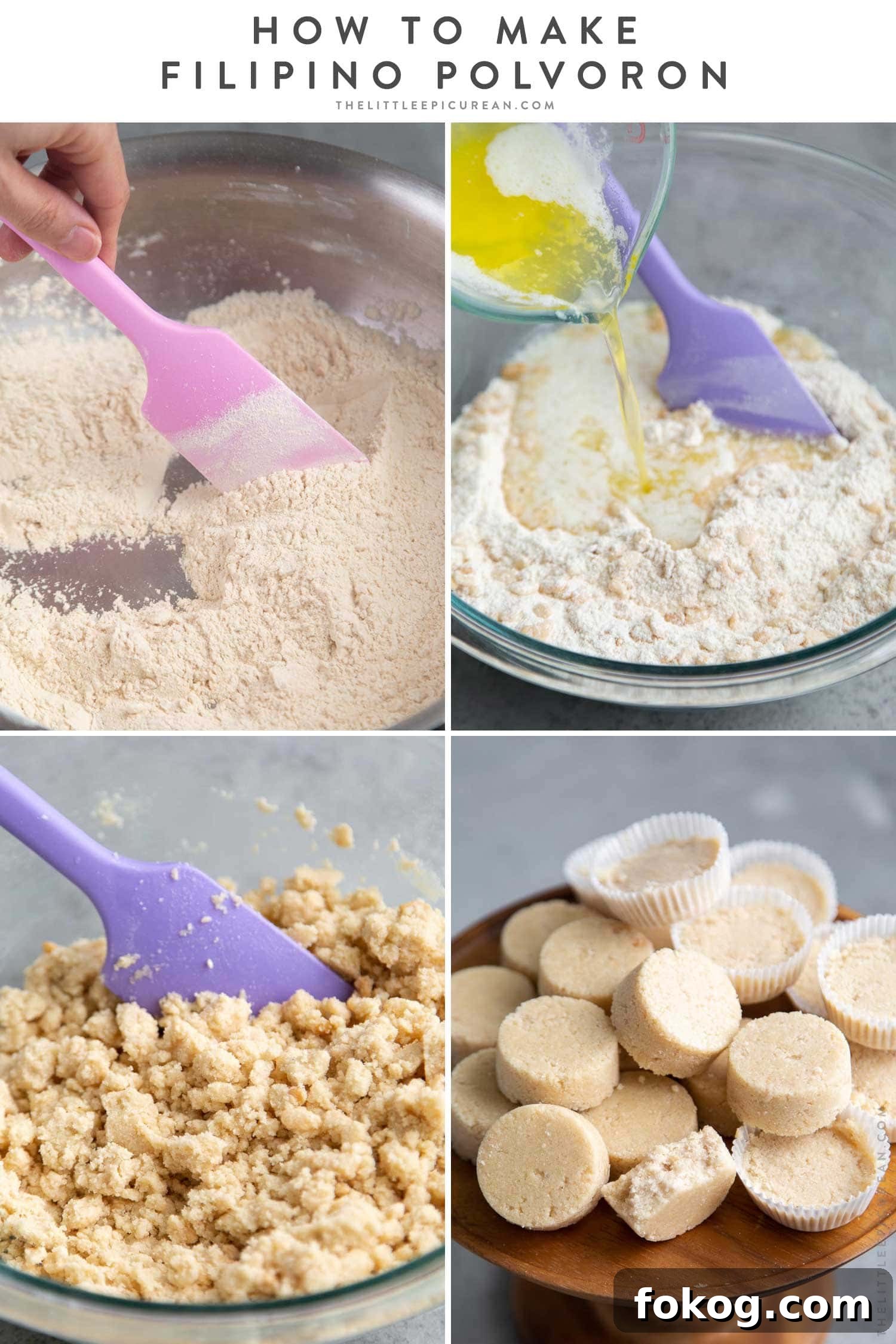
- Toast the flour, then mix it with the powdered milk, sugar, and any dry mix-ins.
- Add warm melted butter and fold until the mixture becomes crumbly but holds together when pressed.
- Shape the polvoron using an oval stamper, silicone molds, or mini muffin liners.
- Let shaped polvoron harden at room temperature, or speed up the process in the refrigerator or freezer.
Pinipig Alternative
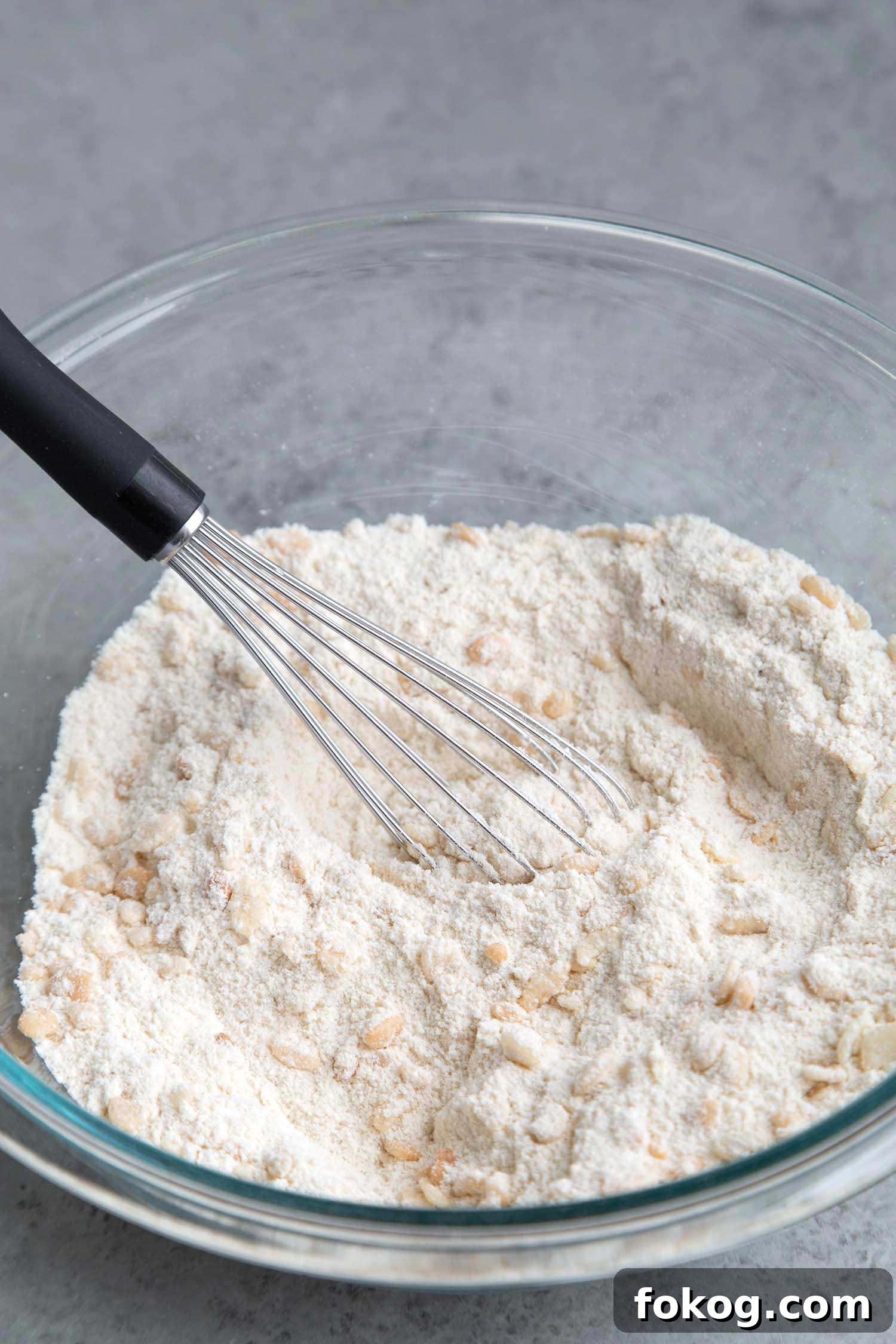
Pinipig is toasted, pounded young rice that adds a pleasant crunch. If you can’t find pinipig, use rice crispy cereal as a readily available substitute — it delivers a similar texture and light crunch in the finished cookie.
Oval Stampers and Other Alternatives
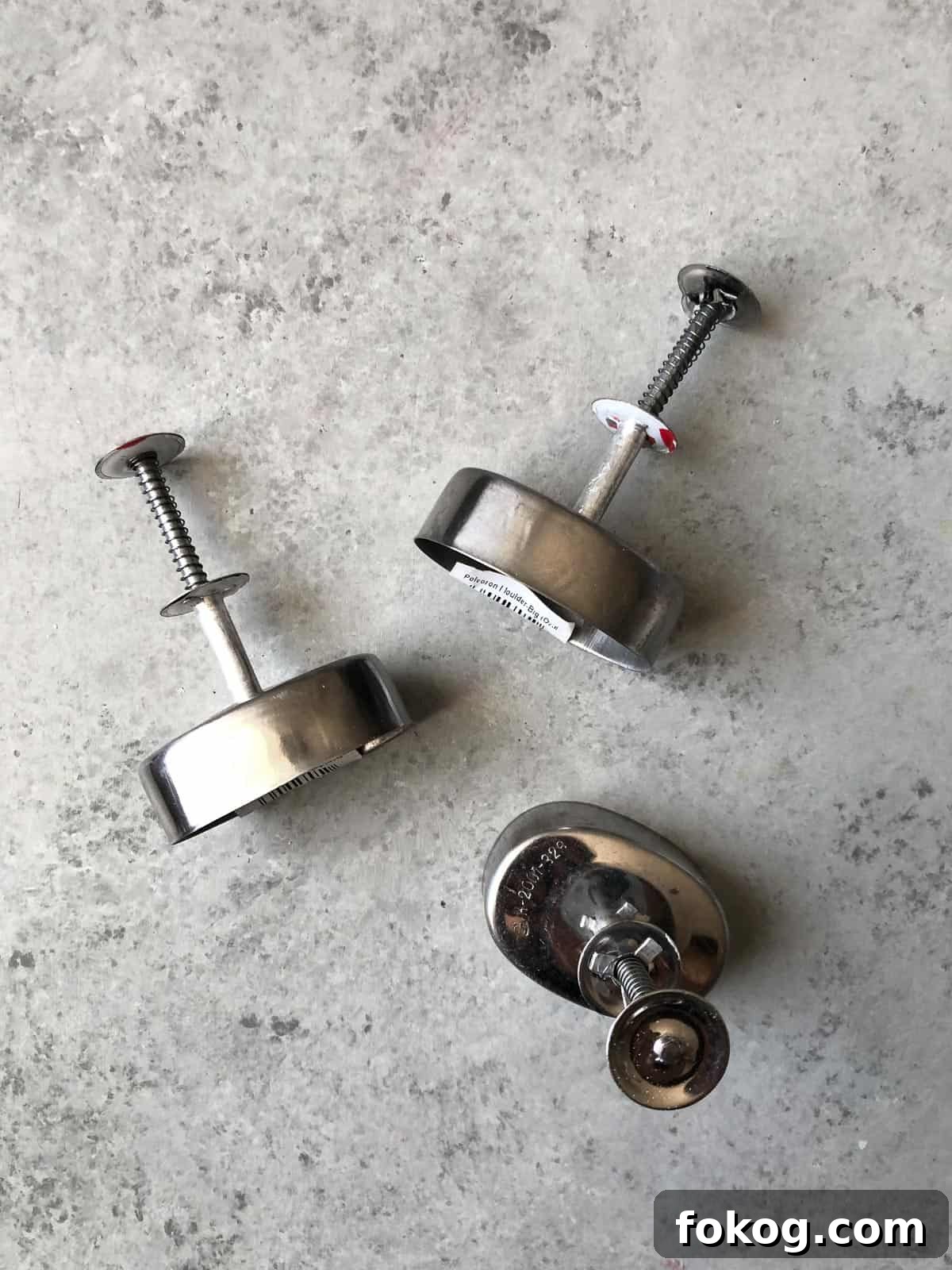
Classic polvoron are oval-shaped using a special stamper. If you don’t have one, the following alternatives work well:
- Flexible silicone molds (many shapes and cavity sizes work).
- Mini cupcake or mini muffin tins with paper liners for easy unmolding.
Silicone Molds
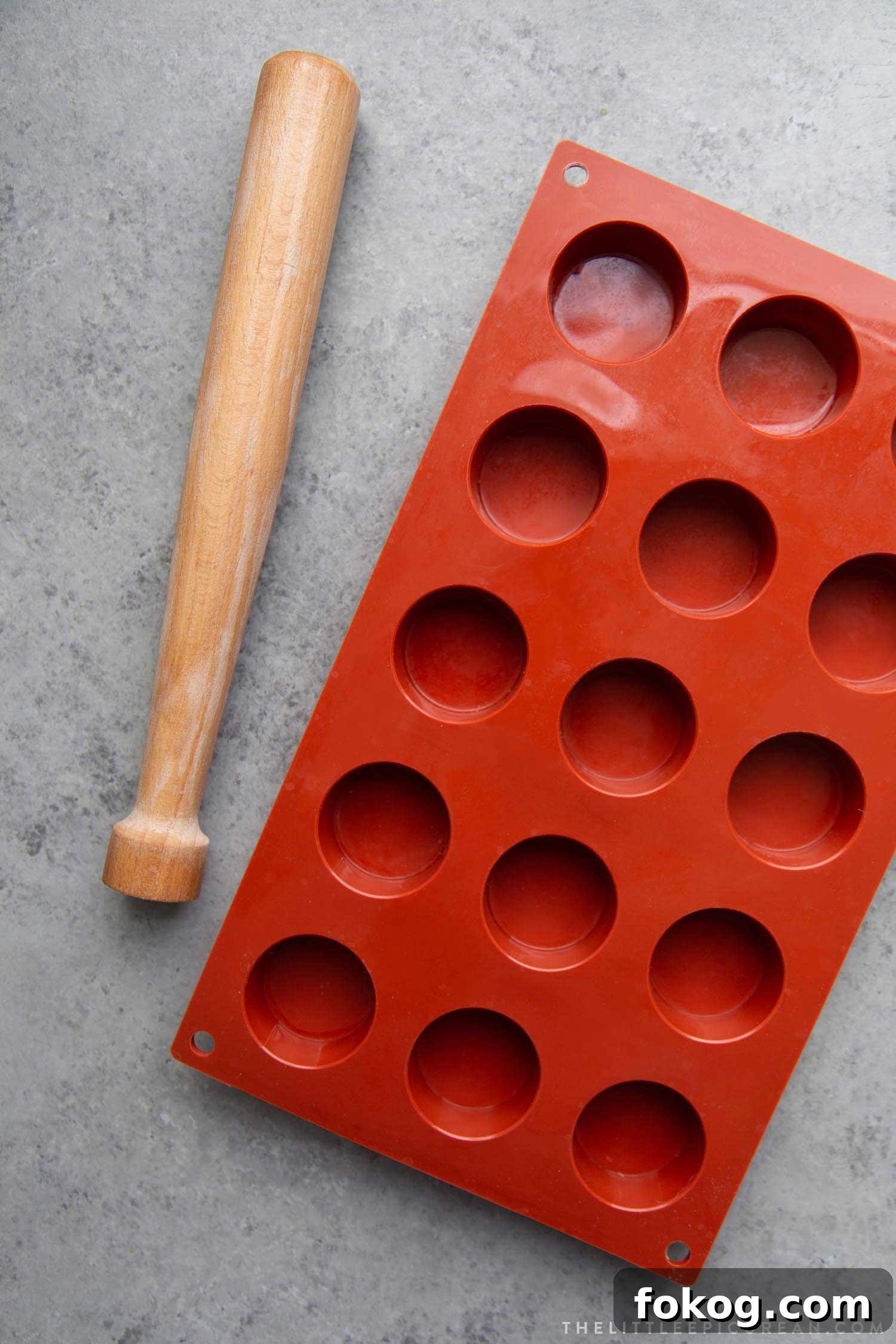
Silicone molds are flexible and make unmolding simple. Place the mold on a flat surface, spoon in the mixture, and use a tamper or the back of a spoon to press the dry mixture into compact shapes. Chill briefly to set, then pop the polvoron out.
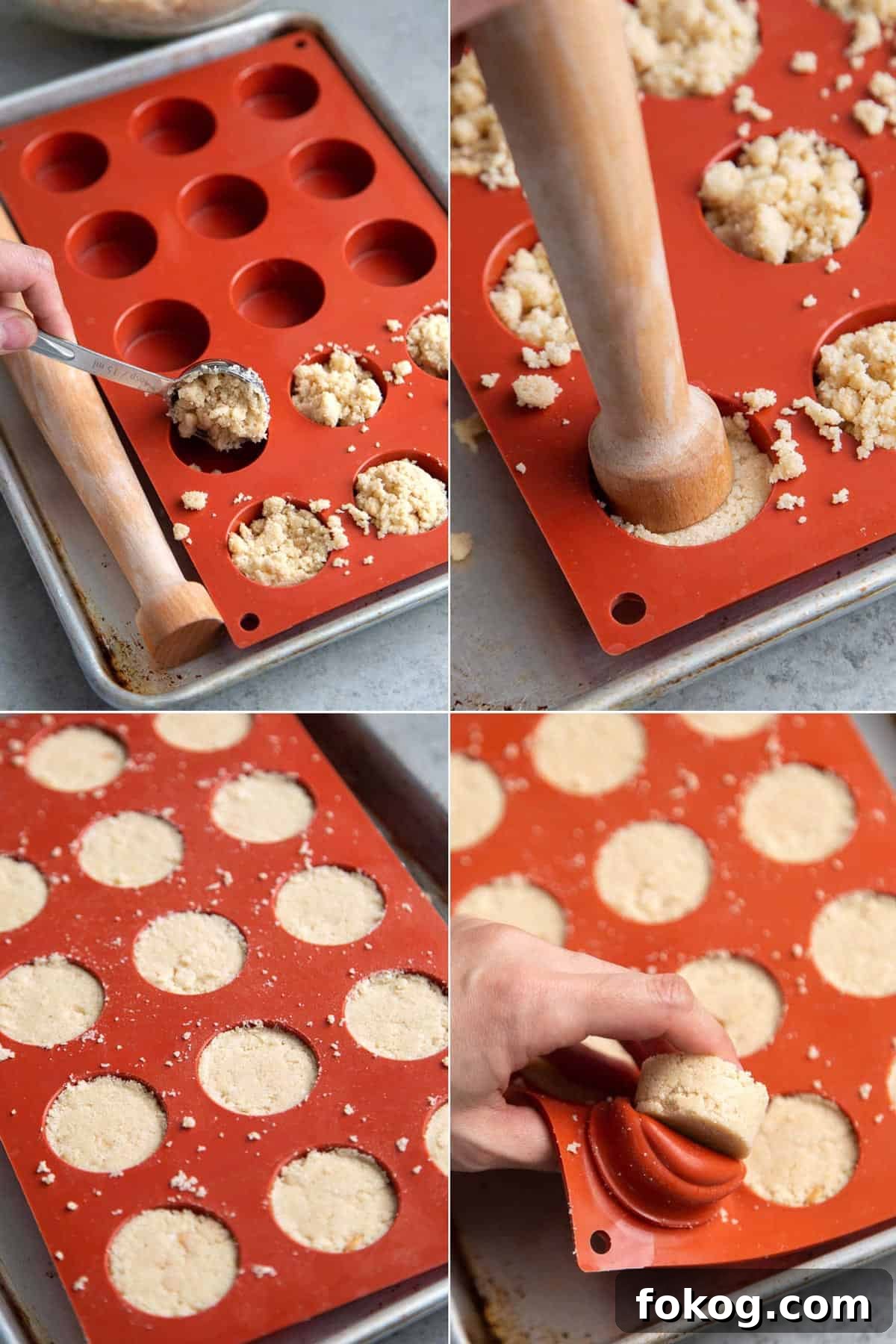
How to use flexible silicone molds for polvoron
- Place the silicone mold on a flat baking sheet. Spoon in the mixture.
- Compress the mixture with a tamper or spoon until compact.
- Chill briefly at room temperature, in the fridge, or in the freezer to set.
- Invert and pop the polvoron from the mold.
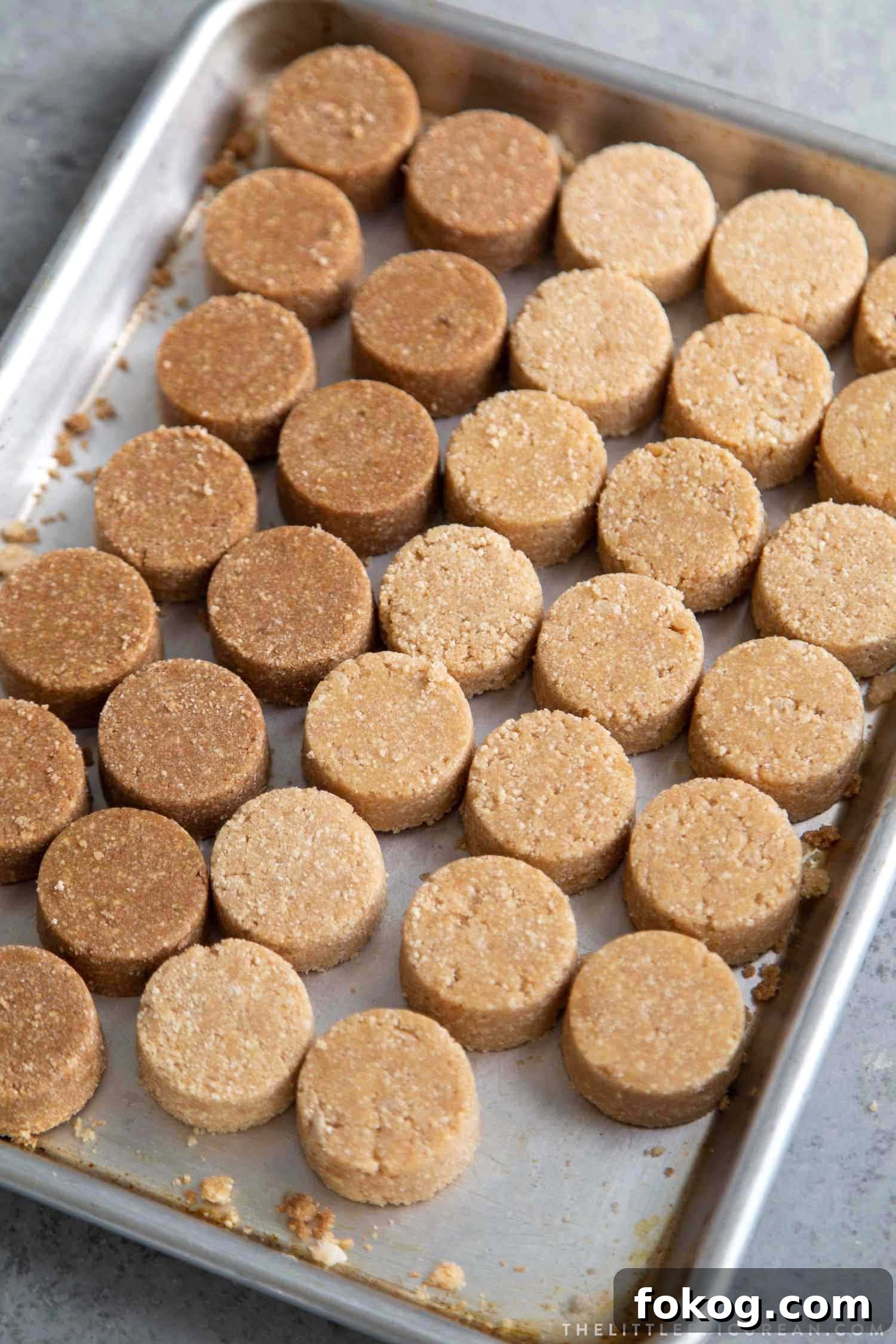
The toasted flour color determines the shade of the final polvoron: lighter toasty flour gives a pale cookie while deeper toasting produces a richer brown color.
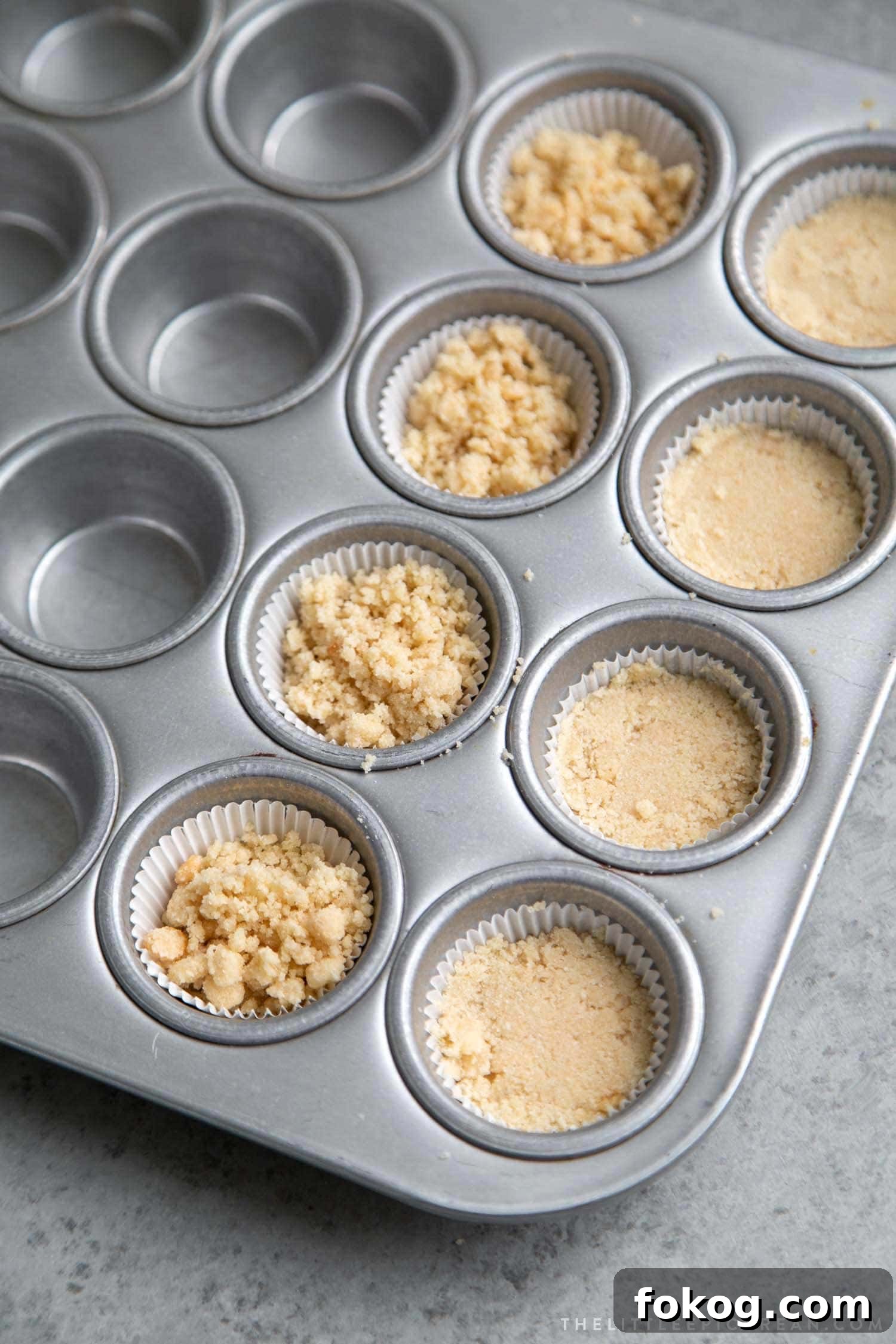
Mini Cupcake Pan
Mini muffin tins or mini cupcake pans (usually 24 cavities) can be lined with mini paper liners or reusable silicone cups. Press the mixture into the liners with a tamper to form compact discs. Paper candy cups also work if you prefer shallower cookies.
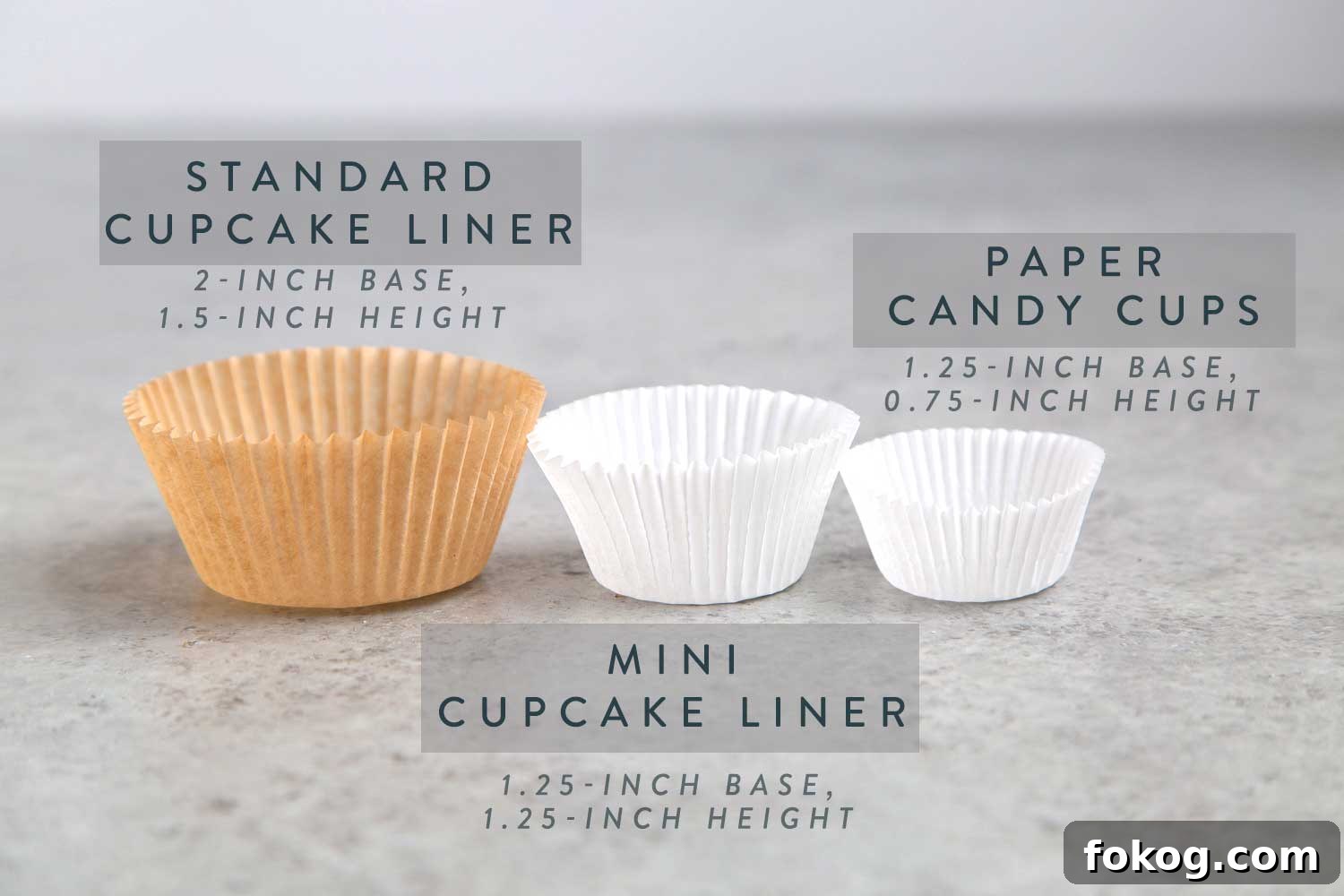
Cupcake Liners
Use liners sized for mini muffin pans for the best fit, or use small paper candy cups for a slightly shorter profile.
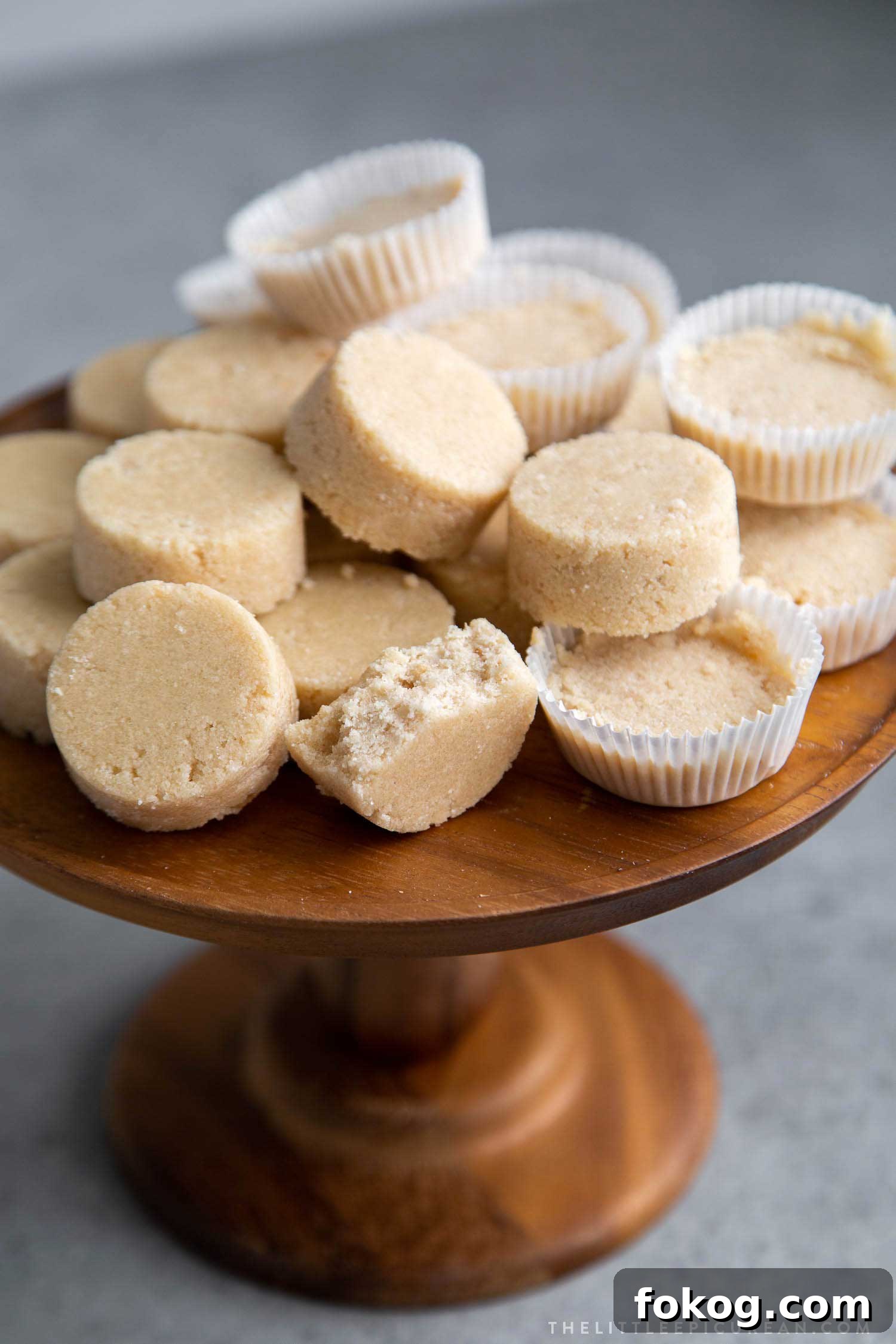
How to serve Filipino Polvoron
Serve polvoron at room temperature so they crumble and melt in your mouth. They are enjoyed as snacks or desserts and are especially popular during the Philippines’ long holiday season (September through January) as well as at celebrations like Easter and birthdays.
If stored in the refrigerator or freezer, allow polvoron to warm to room temperature before eating; straight from cold they will be hard until the butter softens.
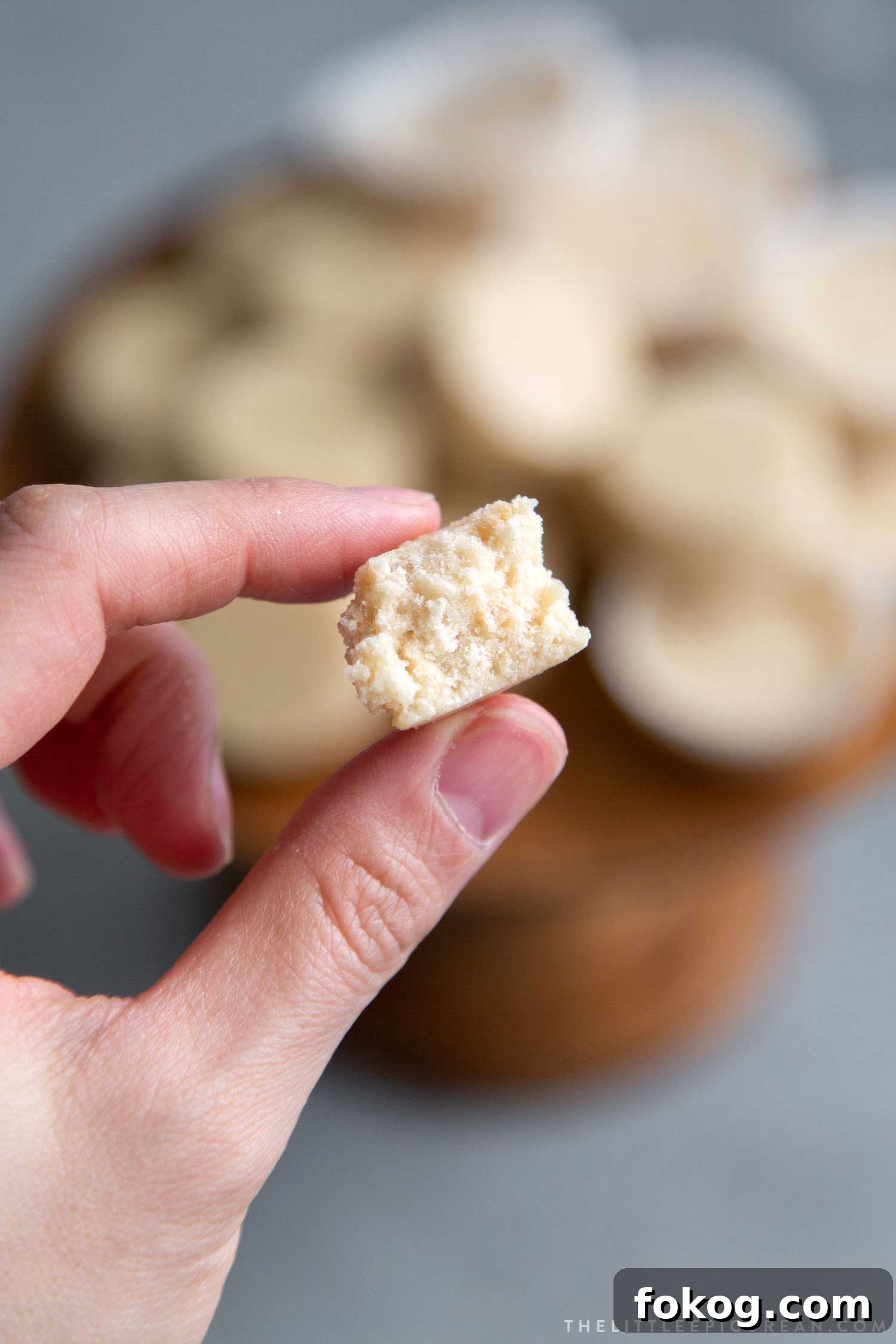
Shelf Life of Homemade Polvoron
Store homemade polvoron in an airtight container to prevent fridge or freezer odors from affecting the butter. In the refrigerator, they keep about one month. In the freezer they remain good for roughly three months. Always bring chilled polvoron to room temperature before serving.
Commercial shelf-stable polvoron often use shortening instead of butter; shortening is 100% fat while butter is about 80% fat with 15–20% moisture. You can substitute shortening or margarine, but expect a difference in flavor and mouthfeel compared to butter-based polvoron.

Filipino Polvoron
Ingredients
- 1 cup all-purpose flour (130 g) — toasted
- 1/2 cup granulated sugar (100 g)
- 1/2 cup powdered whole milk (60 g)
- 3 Tbsp malted milk powder (35 g) — optional
- Pinch kosher salt
- 10 Tbsp unsalted butter (142 g), melted and warm
Optional Mix-Ins
- 60 g chopped Oreo (about 5 cookies)
- 35 g sprinkles (about 3 Tbsp)
- 18 g rice crispy cereal (about 1/2 cup)
Instructions
- Toast the flour: place a large shallow skillet over medium heat and add the flour. Stir constantly with a small whisk or silicone spatula so it browns evenly and doesn’t burn. Cook until fragrant and lightly tan (or deeper brown, to taste). Transfer to a heat-safe bowl and cool 5–10 minutes.
- In a separate bowl, whisk together sugar, powdered milk, malted milk powder (if using), and salt. Add to the cooled toasted flour and mix well.
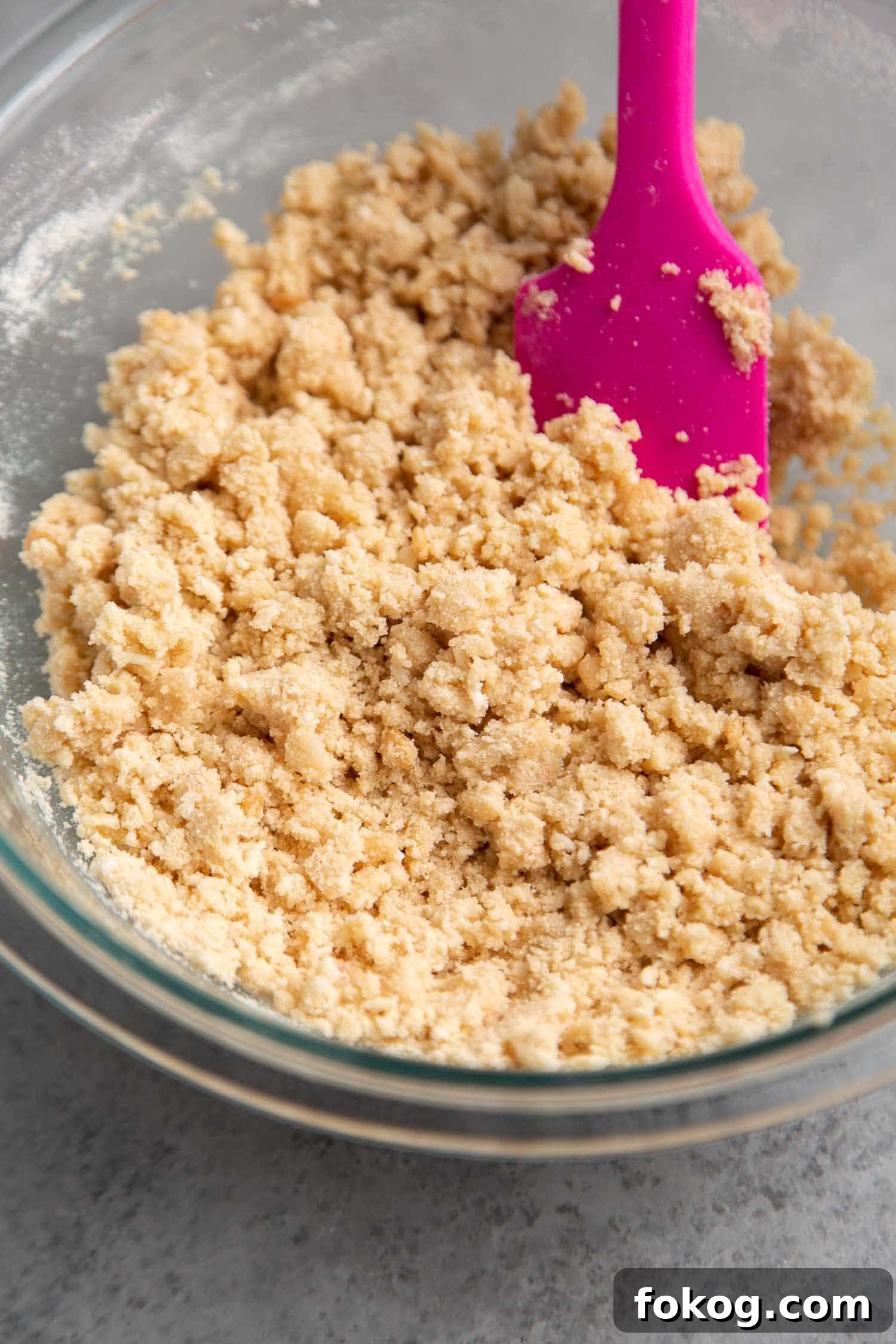
- Add warm melted butter and fold with a spatula until the mixture becomes crumbly but also holds together when pressed.
- Shape the polvoron using an oval stamper, silicone mold, or mini muffin method. Press firmly to compact.
- Place formed polvoron on a parchment-lined sheet and allow to set at room temperature, or speed up setting in the refrigerator or freezer. Serve at room temperature.
Notes
- Because the recipe uses few ingredients, use the freshest flour and best-quality butter possible.
- Whole milk powder is recommended for richness, though instant nonfat milk is an acceptable substitute.
- If powdered milk is flaky, pulse in a food processor until fine.
Shelf life and storage:
- Store in an airtight container in the fridge for up to one month or in the freezer for about three months. Bring to room temperature before serving.
- Commercial shelf-stable polvoron often use shortening instead of butter, which changes texture and flavor.
Nutrition (per cookie, approximate)
Calories: 210 kcal; Carbohydrates: 25 g; Protein: 3 g; Fat: 11 g; Saturated Fat: 7 g; Sugar: 15 g. Nutrition values are estimates and should be used as a guideline only.