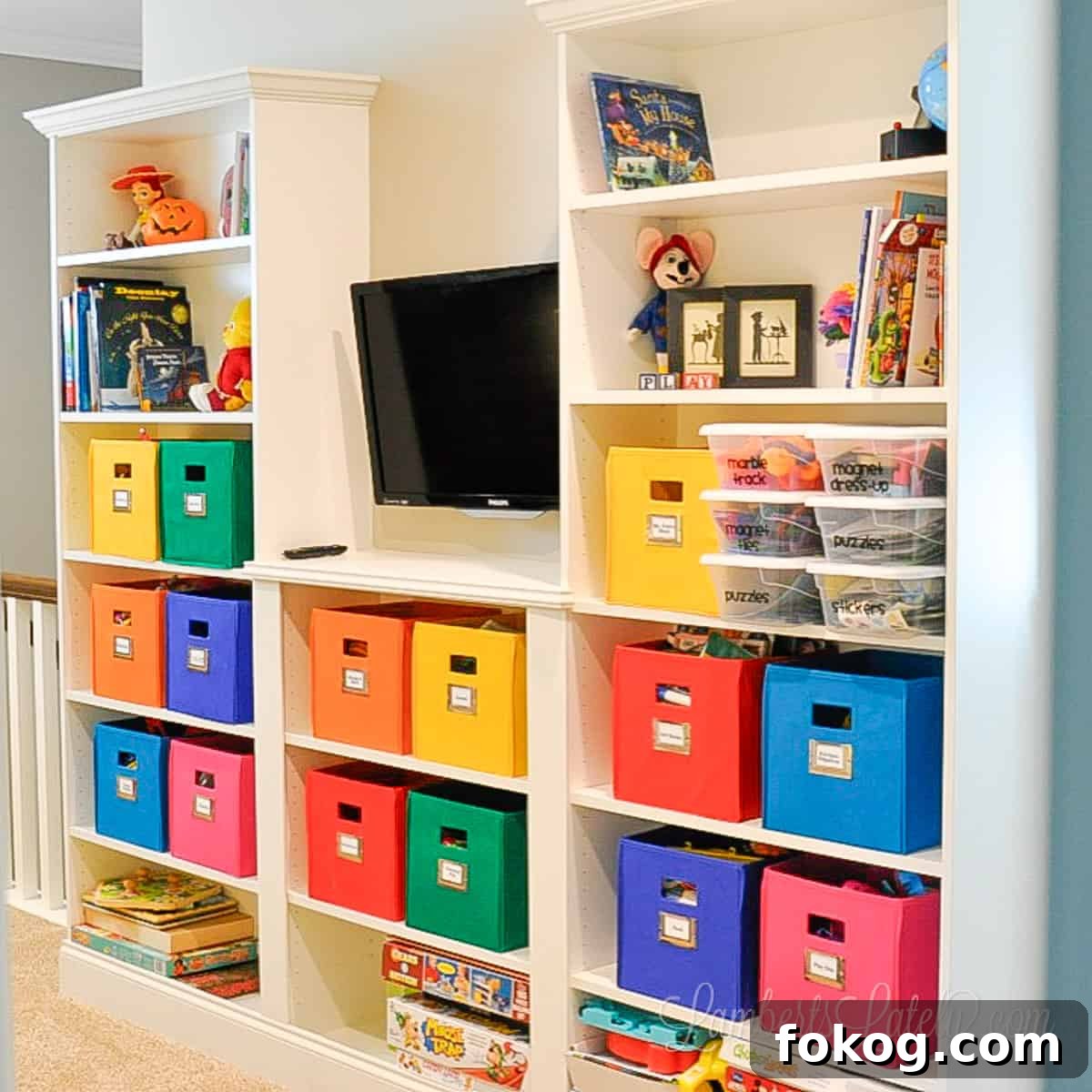
This is the ultimate DIY Ikea built-in hack: use Billy Bookcases to install custom cabinets. It’s an affordable storage solution for a playroom, bedroom, or office.
Paid links used in this post. Read more about my link usage policies.
Before Installing Built-Ins
When we moved into our home in 2017, the playroom’s storage was a clear problem. The room is fairly small, so maximizing storage required thinking vertically rather than relying only on floor space.
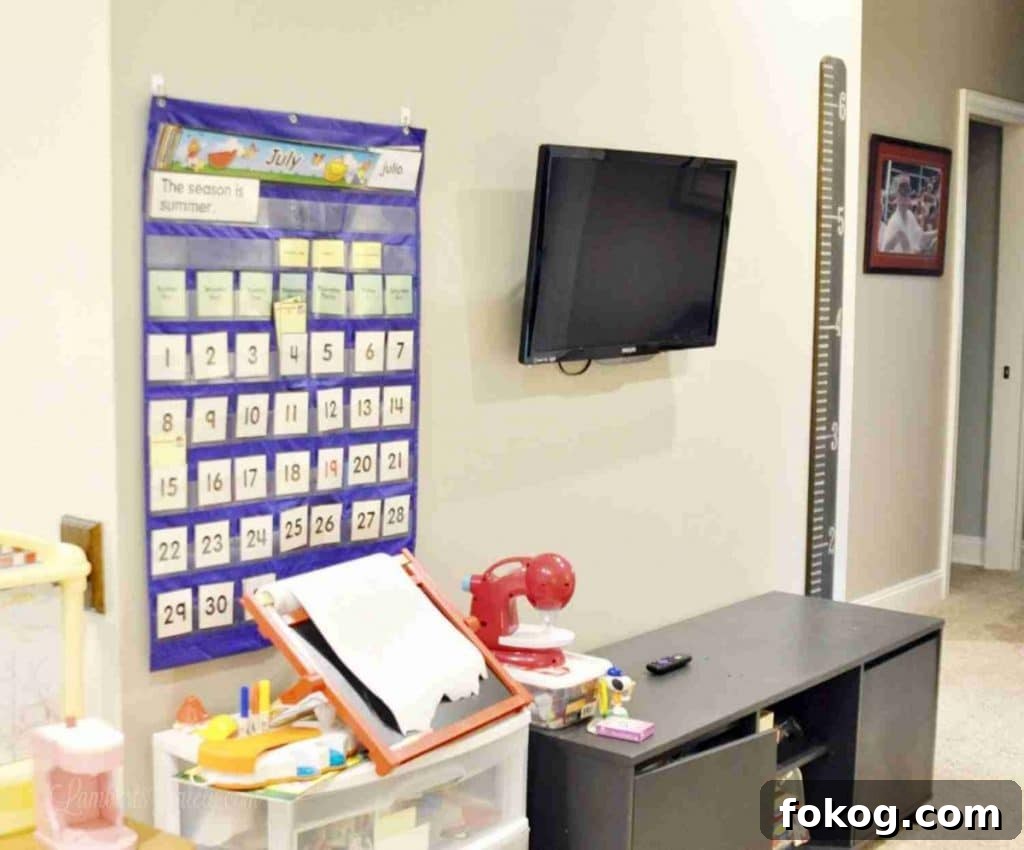
We had a lot of wall space and very little usable floor storage. Converting that TV wall into vertical storage made the most sense.
We didn’t want to pay for custom built-ins, but we needed something durable and attractive that would add real storage. After a few weekends of work, we transformed that underused wall into built-in-style cabinets using Ikea Billy bookcases. The result felt high-end and added much-needed organization.
Here’s how we put it together.
Supplies Needed
- Ikea Billy Bookcases (sizes noted in Step 1)
- Drill (for shelves and brackets)
- Miter saw
- 1″ white finishing nails
- Nail punch
- At least 8′ of crown molding (we used 3.265″ tall molding)
- Baseboard to cover the front and sides of the shelves (depending on whether you can reuse existing trim)
- Caulk
- Wood filler
- Sandpaper
- Particle board for covering shelf tops
- 1″ chair rail molding
- Semi-gloss or gloss white paint
Total Project Cost
We completed this in 2018, so prices have increased since then. I estimate the project cost around $400, not including larger tools you may already own.
Step 1: Measure your available wall space and plan, plan, plan.
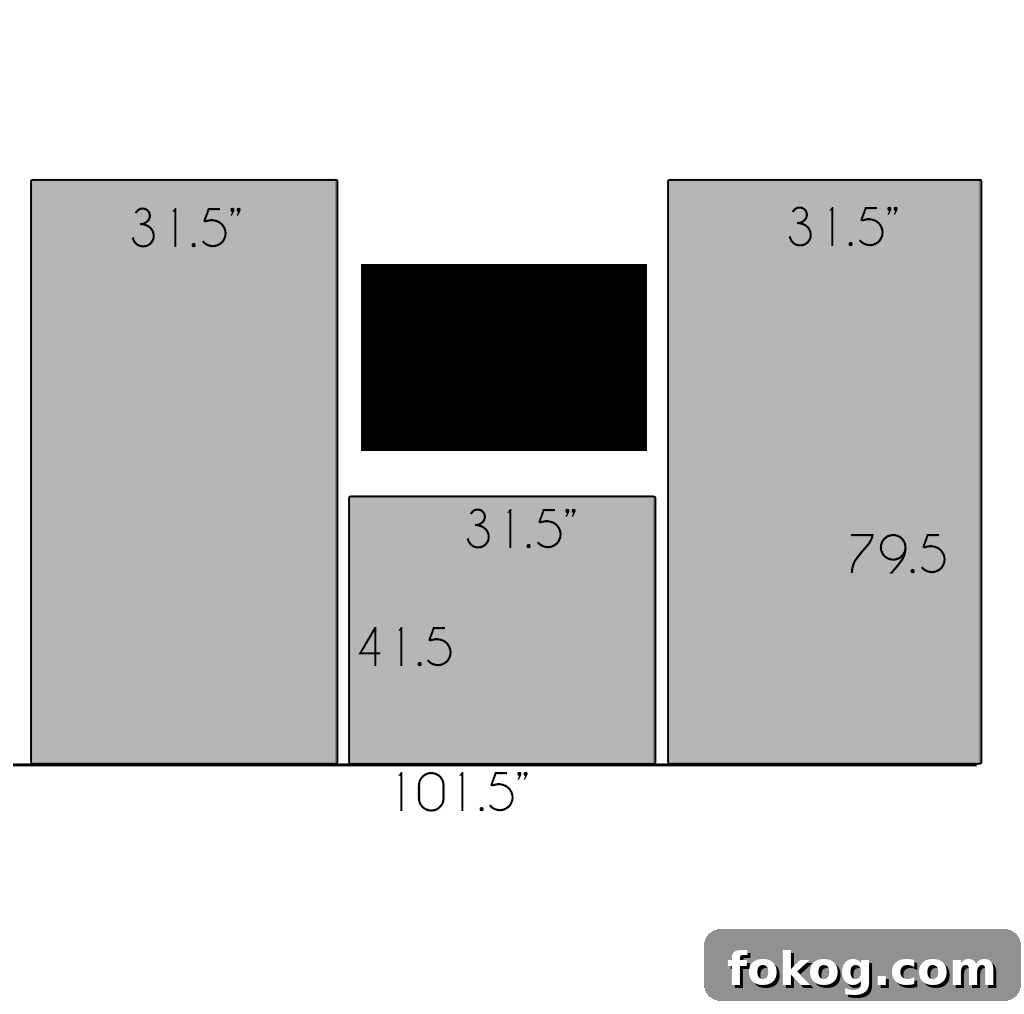
Measure both the width and the height of your wall space and note obstacles like a TV. For our built-ins we had 101.5″ of width and 9′ ceilings.
The two taller side Billy bookcases we used are 31.5 x 79.5″ and the center bookcase is 31.5 x 41.5″. Plot the total width and arrange the pieces on paper before buying.
We placed the bookcases a couple of inches apart to allow space for the flat-screen TV. If your TV is 26″ or wider and you use a similar layout, account for room to see and move the TV. Small gaps between cabinets can be covered later.
Cabinet Height Tip
We wish we’d raised the bookcases by 2–3 inches to avoid the baseboard overlapping lower shelves. You can add height extenders—pieces of plywood or shims under the cabinets before securing them—to prevent that lip.
On a similar project, we placed wood under each cabinet before mounting and avoided gaps entirely.
Step 2: Build the Billy bookcases.
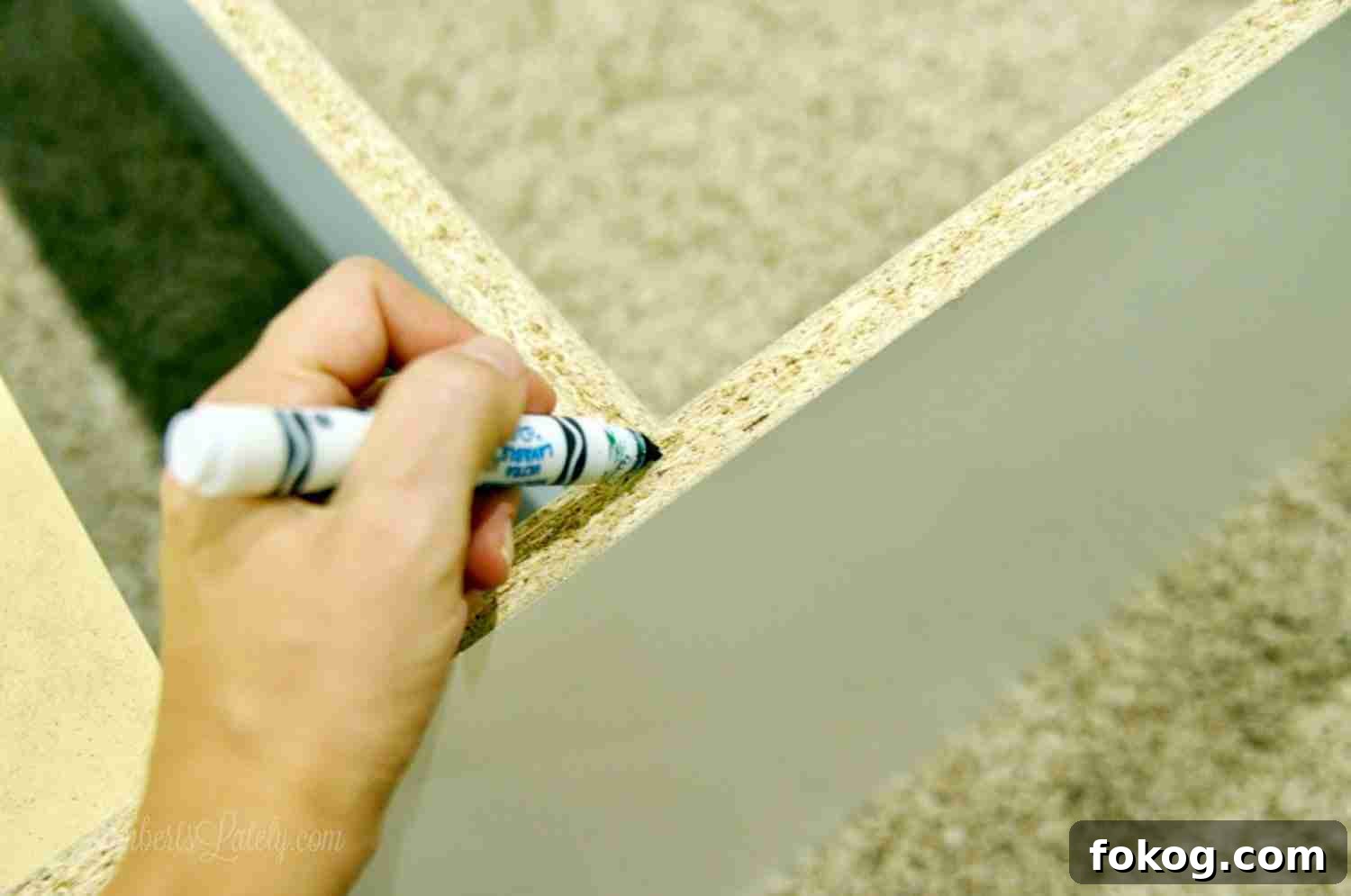
Assembling the Billy bookcases is straightforward. One tip: before attaching the solid back panel, mark the location of the middle shelf on the back. That way, when you nail the back panel, you can ensure the nails go into the shelf and remain hidden.
Step 3: Eyeball how the shelves look against the wall.
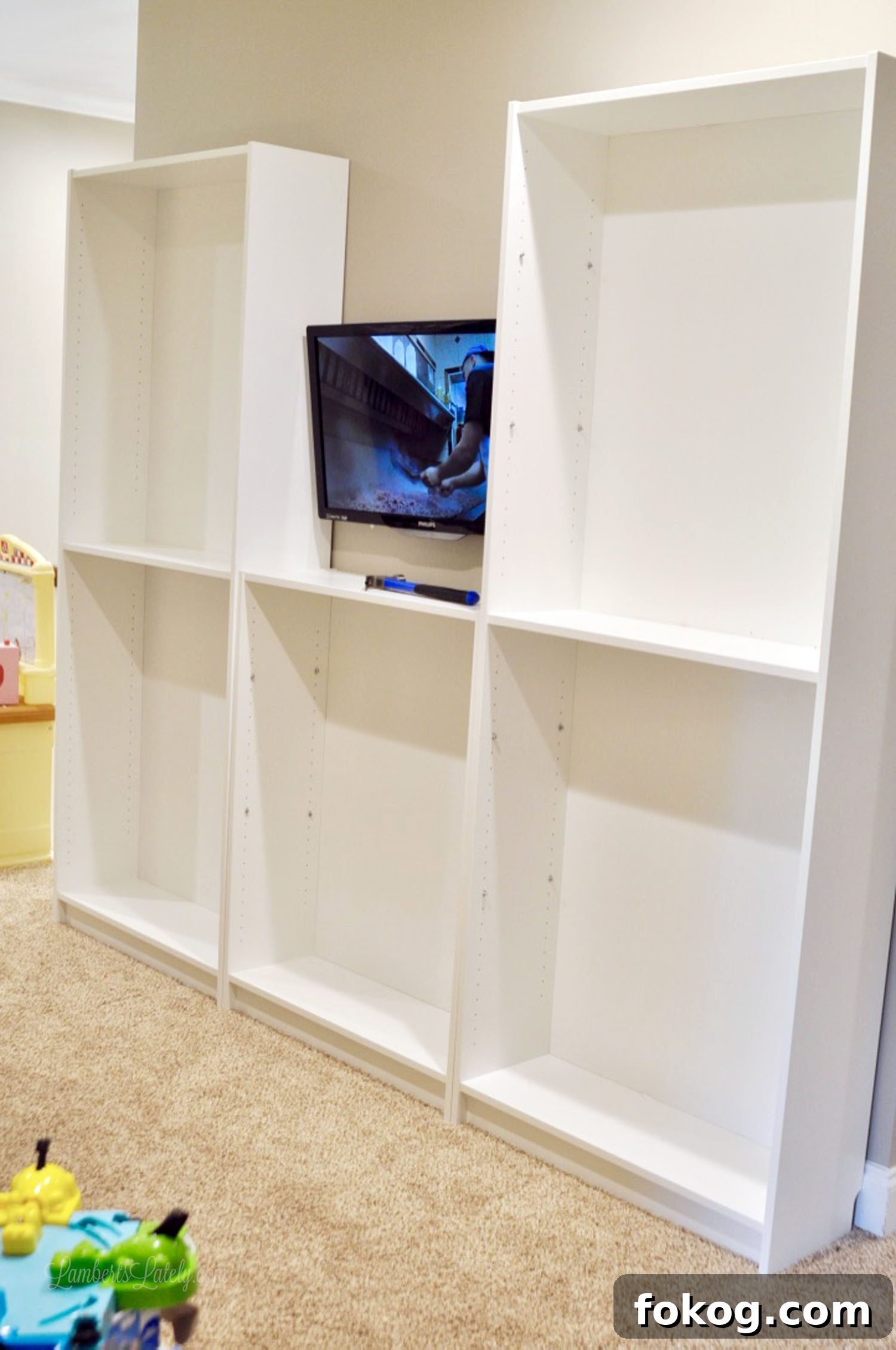
Position the assembled bookcases where they’ll live. Check whether your base molding fits into the recessed cut-outs at the bottom of the Billy bookcases. If it fits, great—you can skip removing trim. If not, you’ll remove and later reinstall or replace baseboard.
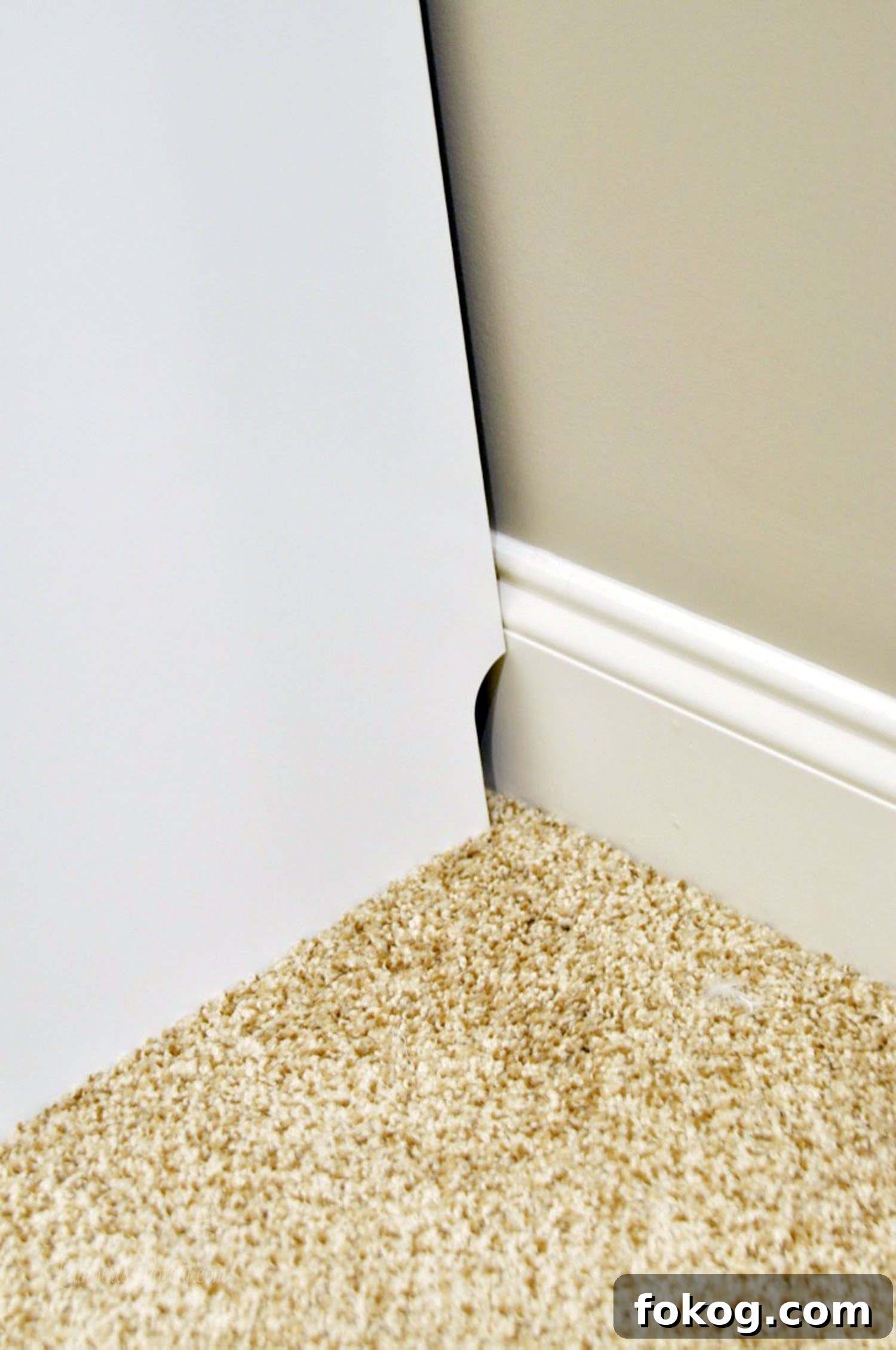
Step 4: Remove baseboards if needed.
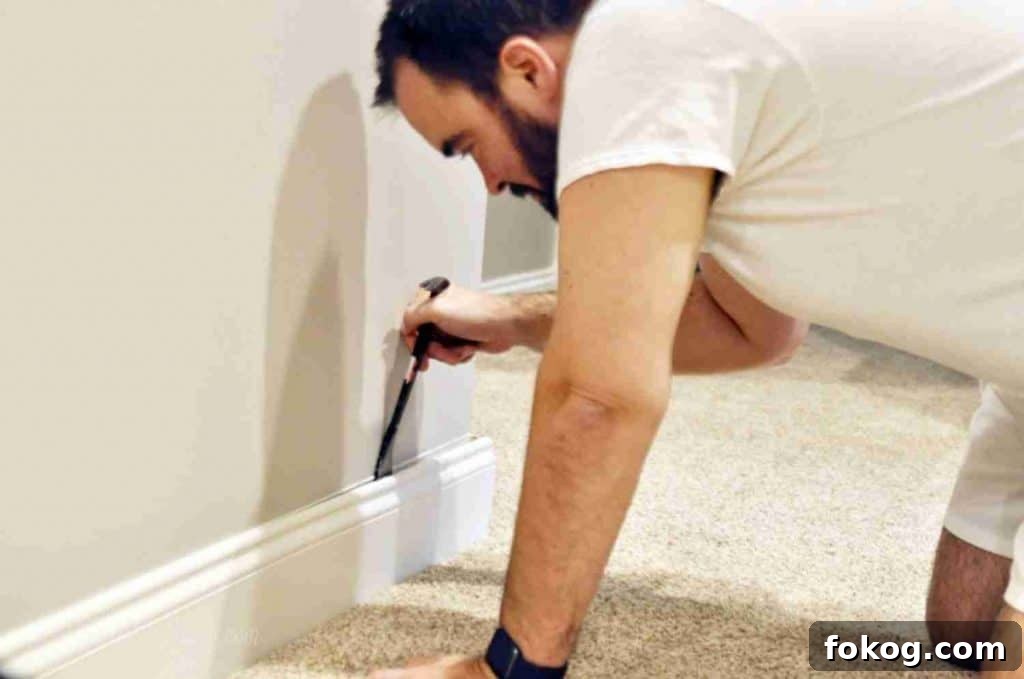
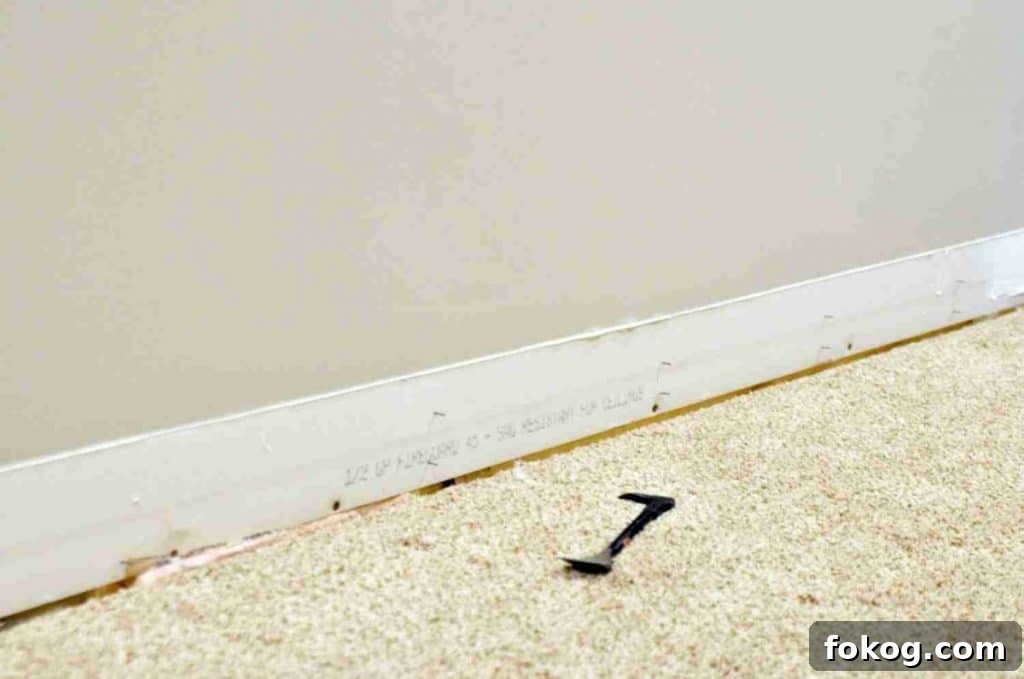
If the trim won’t fit in the bottom notch, carefully pry the base molding off the wall. We were able to reuse our original molding because it came off intact. Remove any protruding nails from the wall before continuing.
Step 5: Secure Ikea bookcases to the wall.
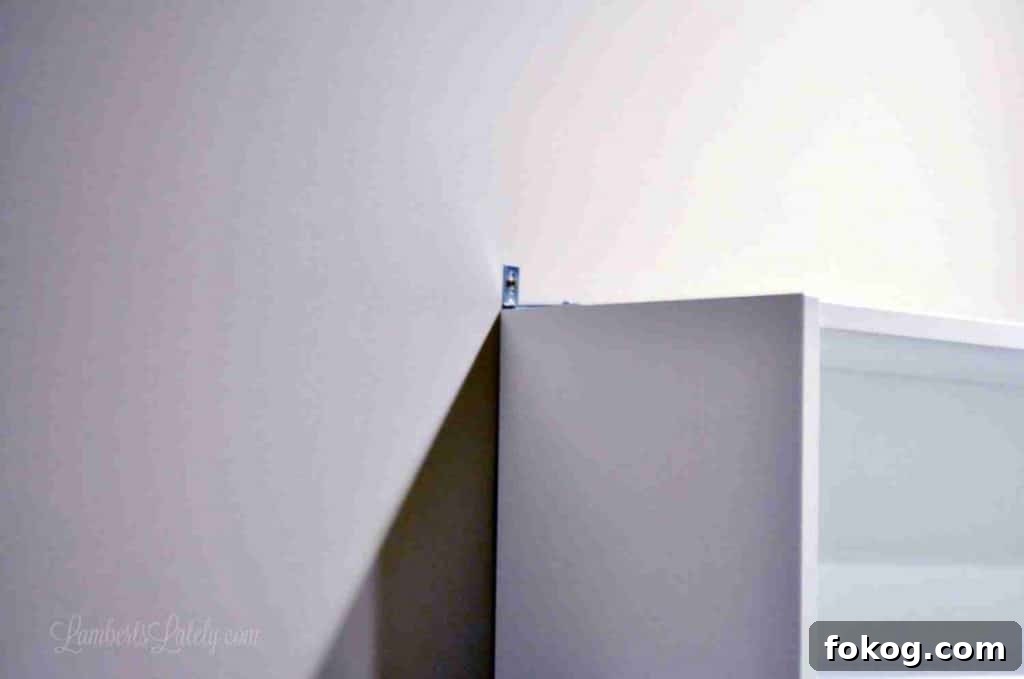
Use the L-brackets that come with the Billy bookcases to attach them to studs in the wall. Securing to studs is essential for safety and for achieving a built-in appearance. Don’t worry about visible brackets—they’ll be covered by crown molding later.
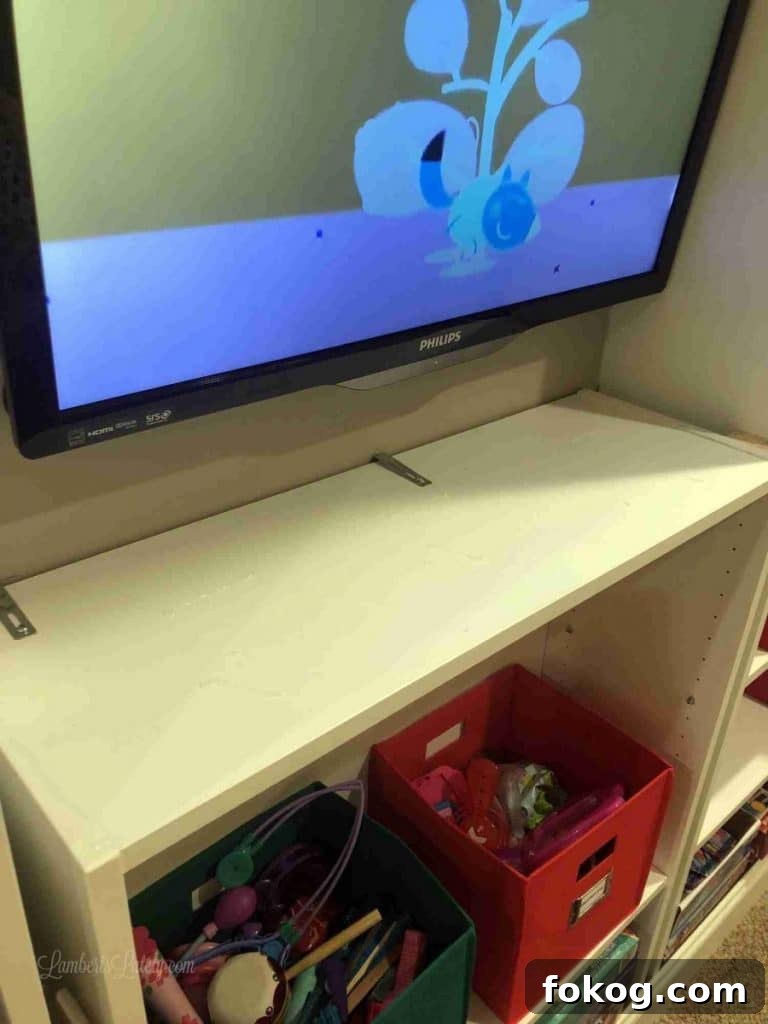
We attached brackets to the center bookshelf and planned to cover the top with MDF, so bracket appearance didn’t matter at this stage.
Step 6: Attach crown and base trim.
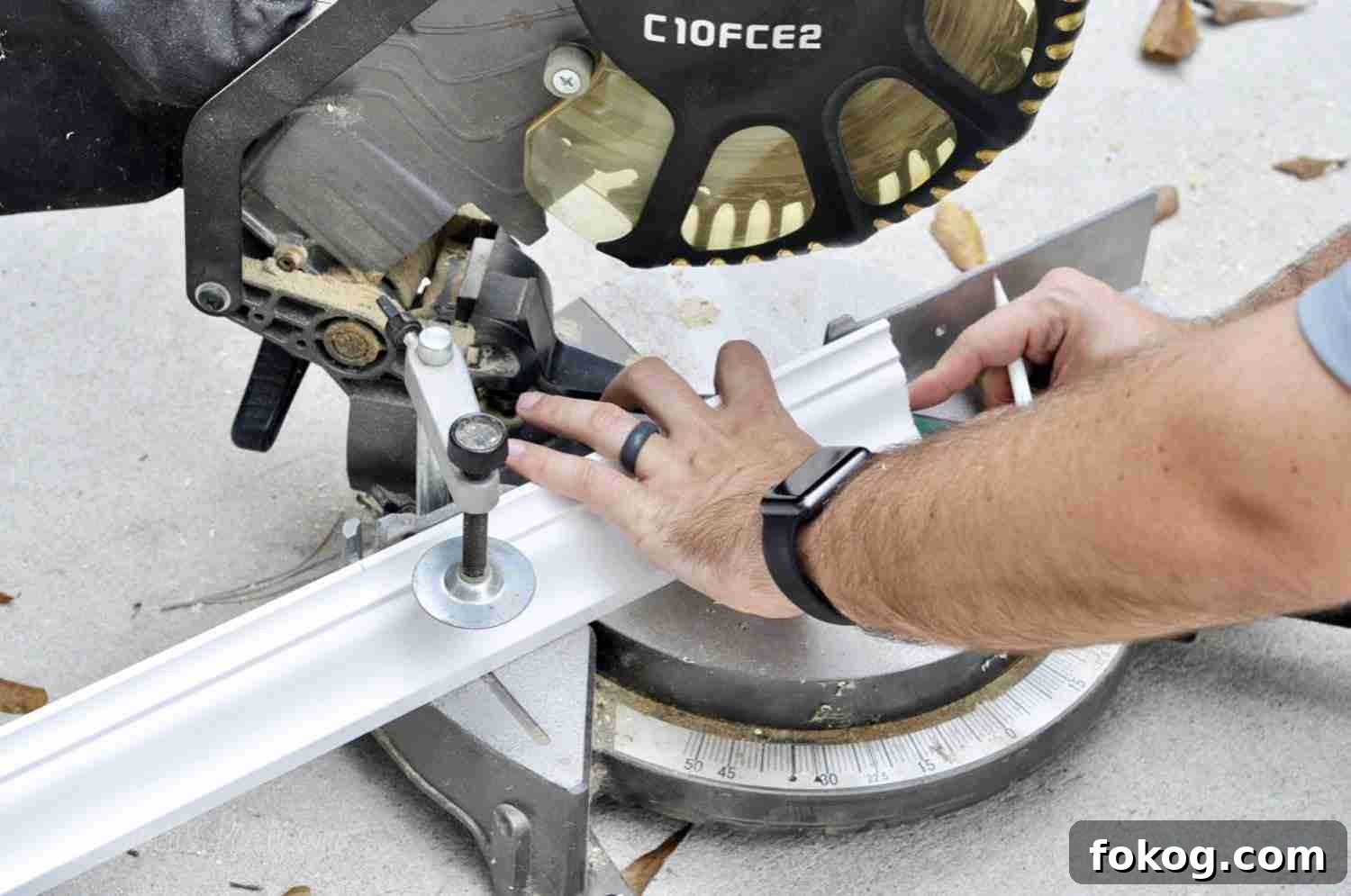
With the bookcases secured, add crown and base trim to give a custom look. Cutting crown molding can be tricky; using a miter saw helps. Position the molding upside down on the saw for more accurate cuts and cut 45-degree angles for corners.
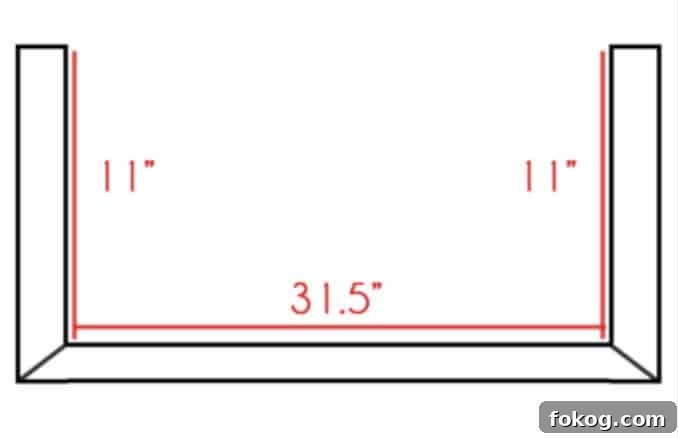
Measure the back of each molding piece carefully—the piece on the front should measure roughly the width of the cabinet back (about 31.5″ in our case), and the side pieces will be a bit over 11″ from the wall to the inside of the angle. Measurements can vary, so double-check before cutting.

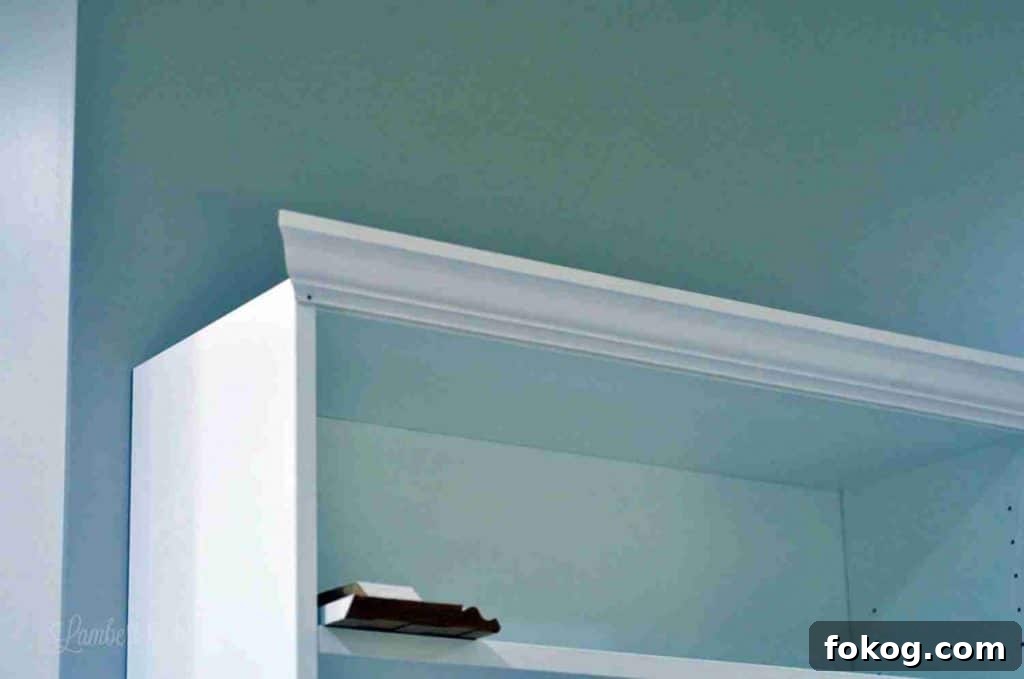
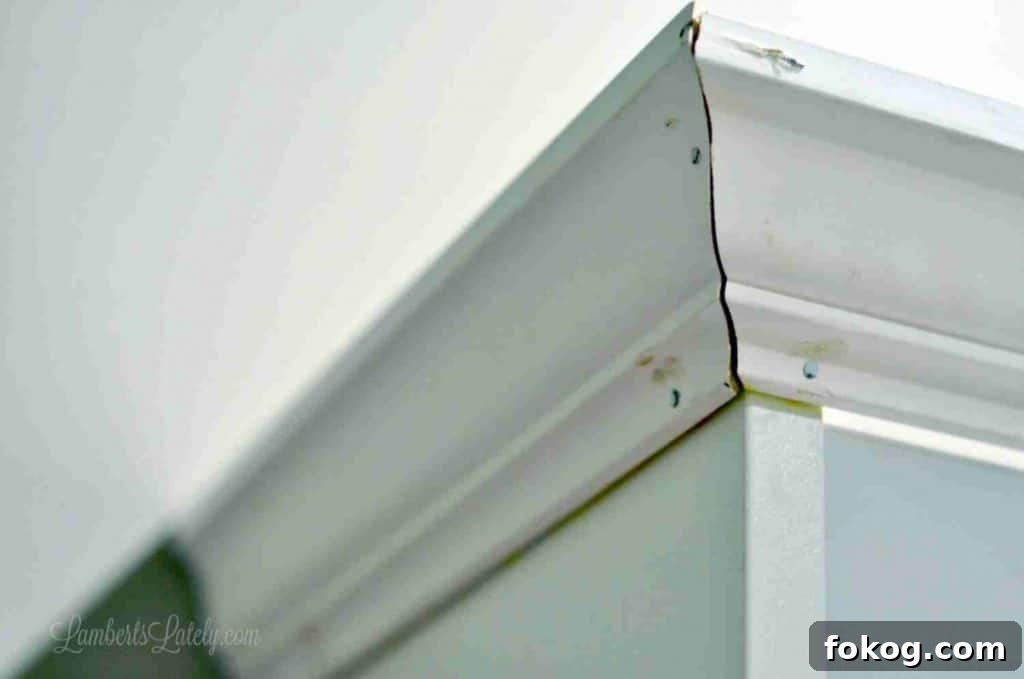
Apply wood glue at the mitered joints and against the cabinet surface, then secure with 1–2 nails at each end. Use a nail punch to sink nails below the surface so they are easy to fill later. The molding doesn’t need to be perfect at this stage—we’ll clean it up.
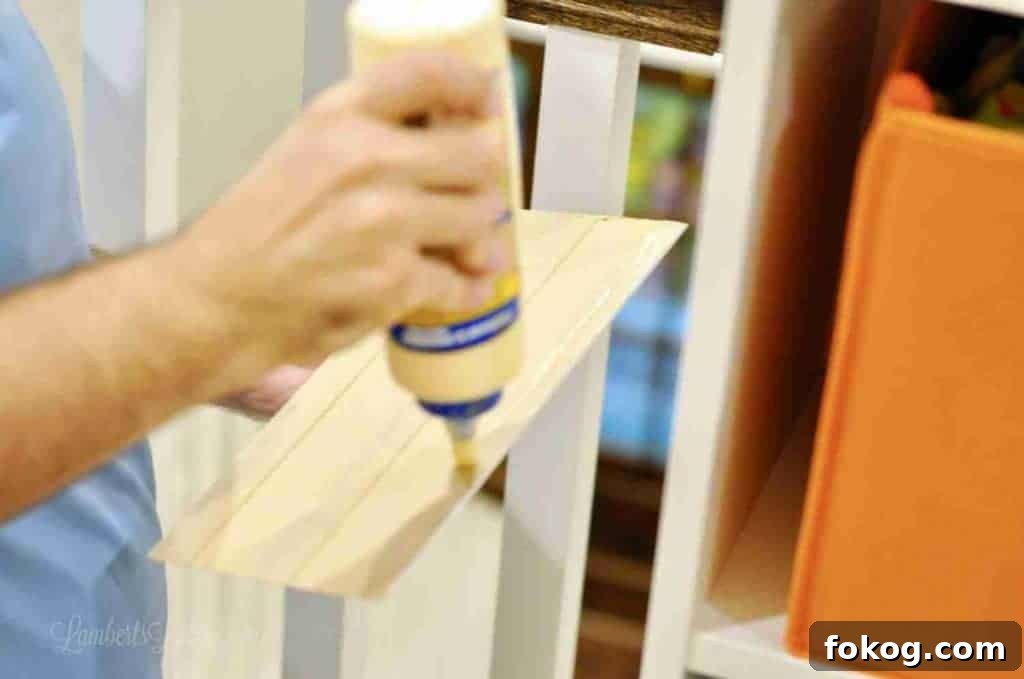
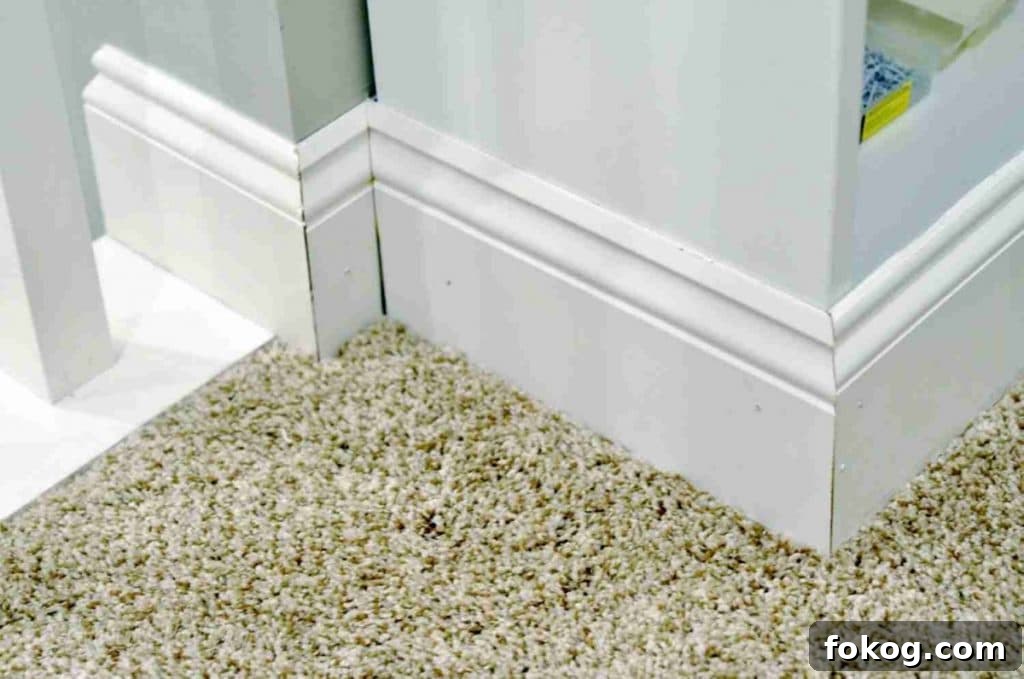
Base molding is easier to cut—simple 45-degree joints. We reused the existing baseboard for the front piece and cut new pieces for the sides. Use wood glue and nails about every foot, then punch the nails below the surface for patching. A pneumatic nail gun speeds this up if you have one.
Step 7: Attach the middle shelf topper and cover any gaps.
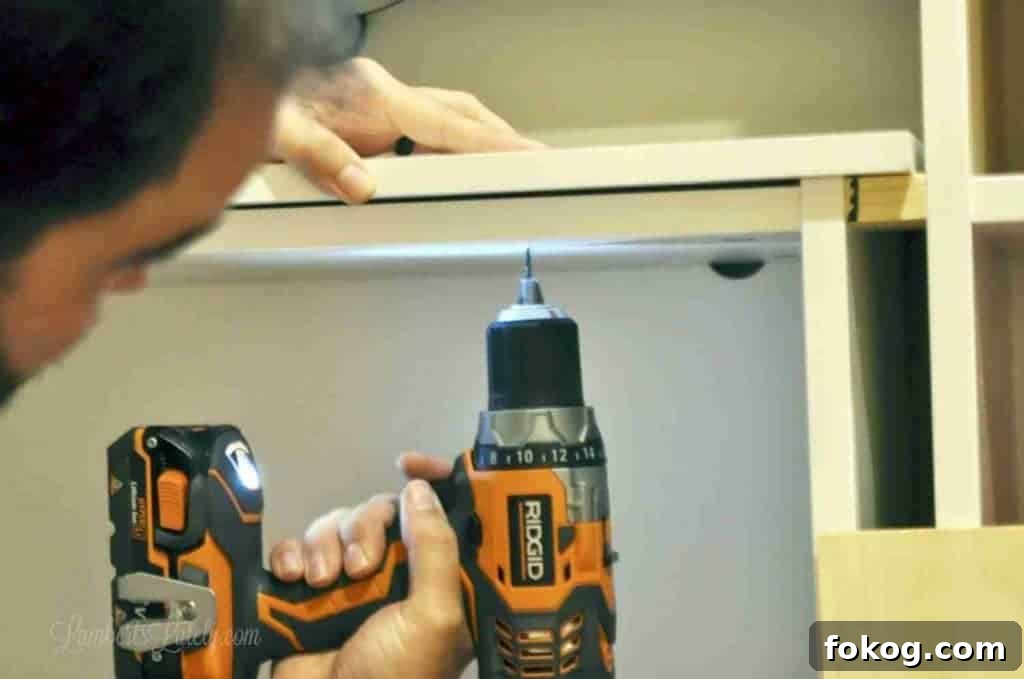
Cut a piece of particle board or MDF to cover the top of the center shelf and bridge gaps between cabinets so the top reads as one continuous shelf. Glue it in place and add screws from underneath for extra security—use screws that are long enough to hold but not long enough to pierce the top surface.
To cover vertical gaps between bookcases we used 3/8″ x 3″ poplar strips cut to fit. The 3/8″ thickness lined up nicely with our baseboard height. Attach these strips and sink nails for later patching.
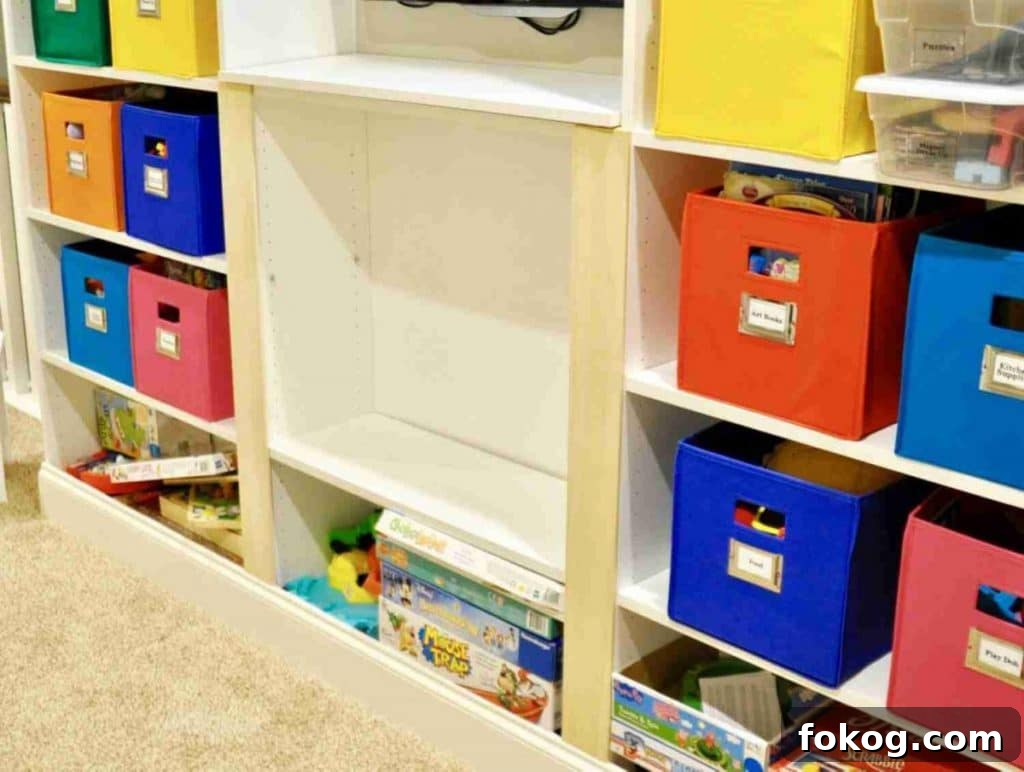
We added small square trim pieces to tidy the edges of the particle board and used 1″ chair rail along the front to coordinate with the rest of the molding. Glue and caulk these details for a seamless look.
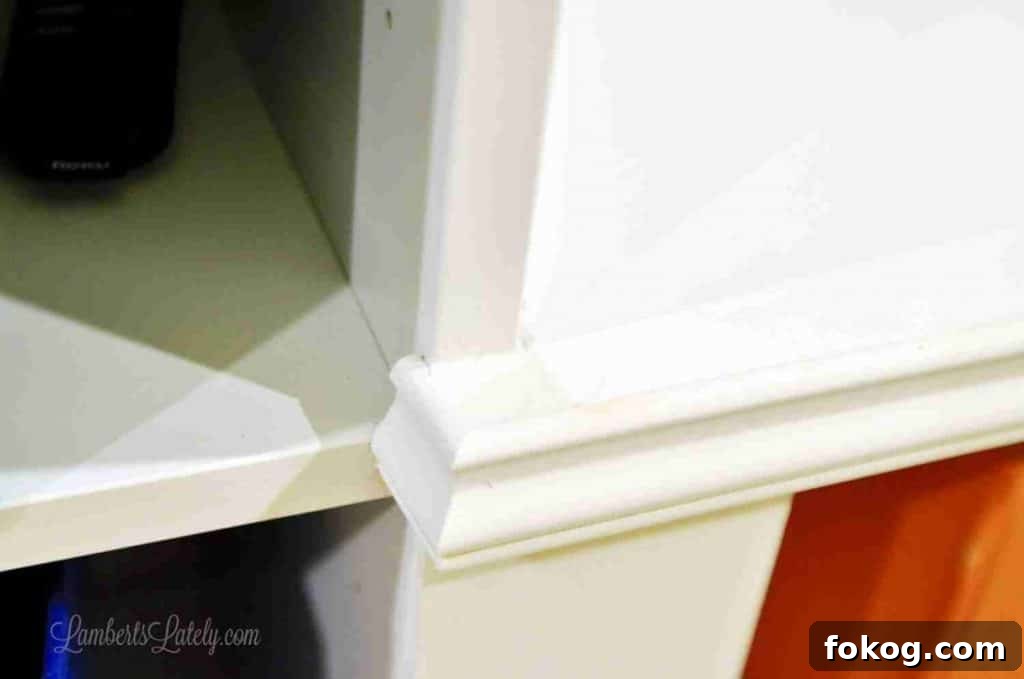
Step 8: Caulk gaps and patch nail holes.
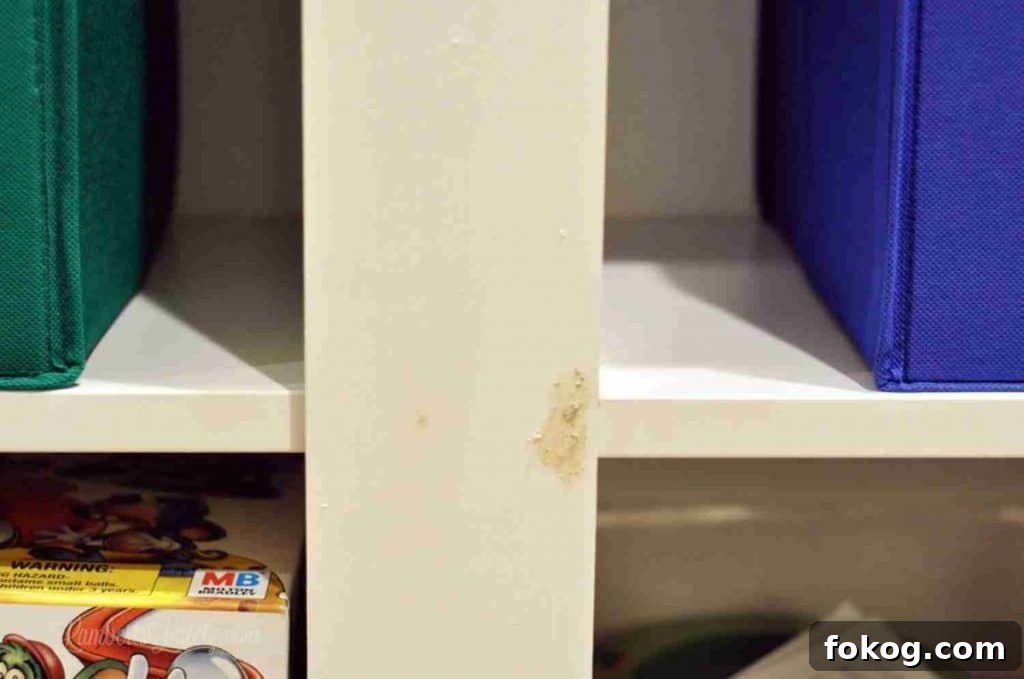
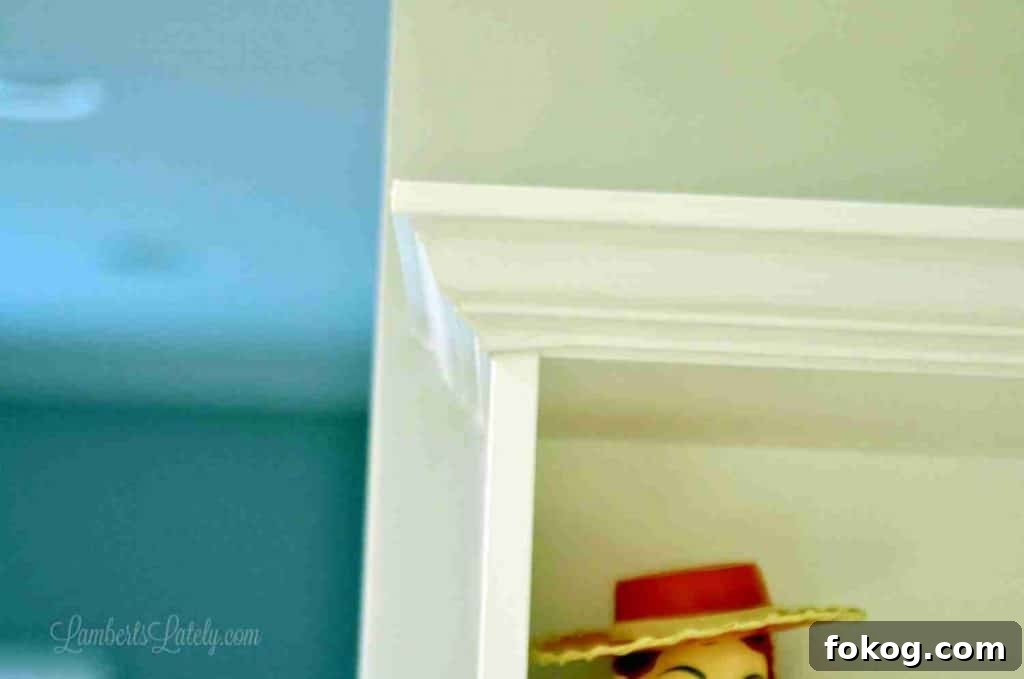
This step makes the installation read as one continuous built-in. Fill nail holes with wood filler, let dry, then sand smooth. Run a bead of caulk along every edge where the cabinets meet the wall and along all molding joints. Smooth the caulk with a finger or a damp paper towel to remove excess and create clean seams.
Step 9: Paint trim to match bookcases.
Finish the project by painting all trim and added pieces to match the Billy bookcases. Use 100% white paint—many “white” trims vary in tone and might not match. We found true white necessary to blend everything seamlessly. Choose semi-gloss or gloss to match the factory finish of the bookcases.
Final Results
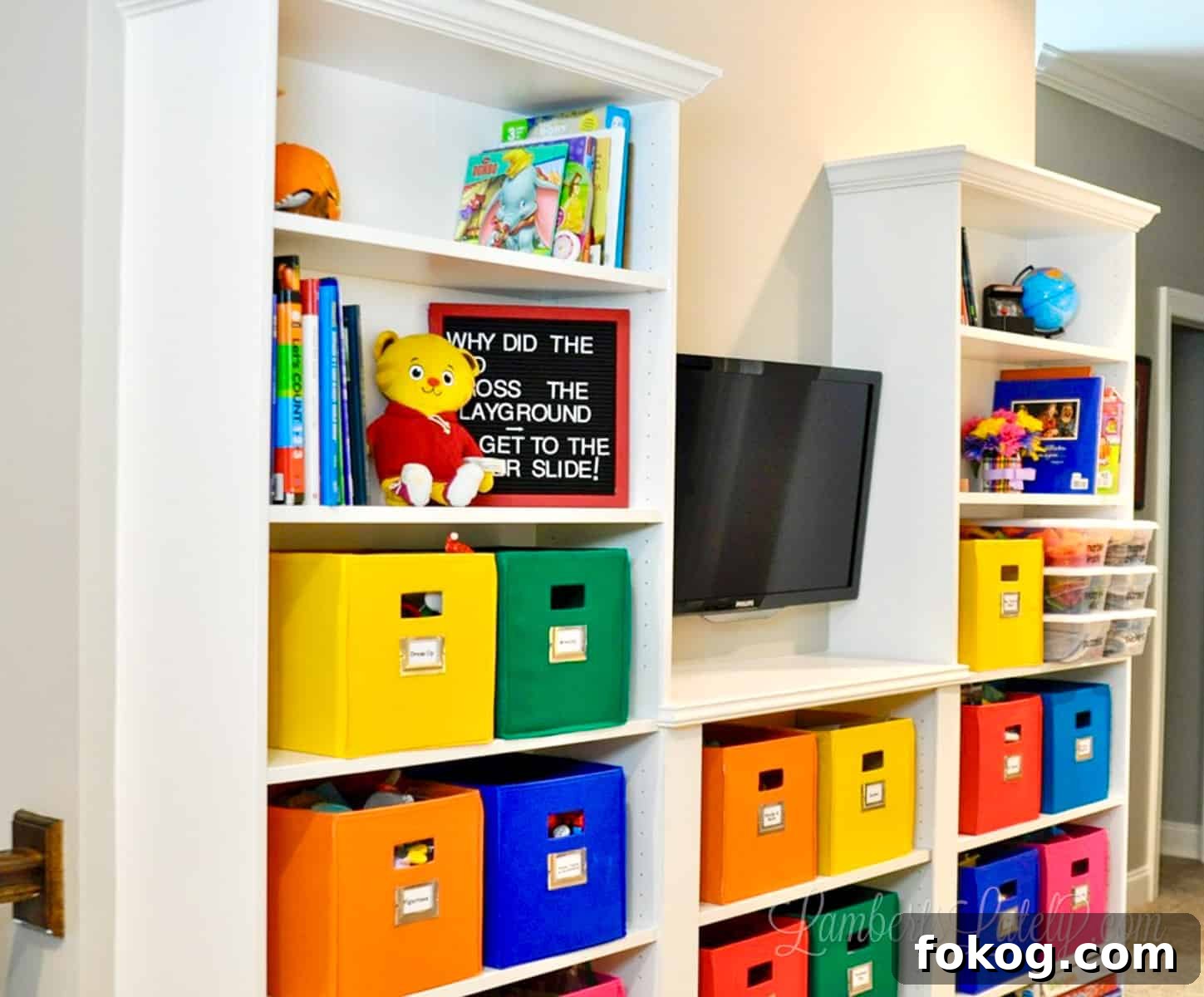
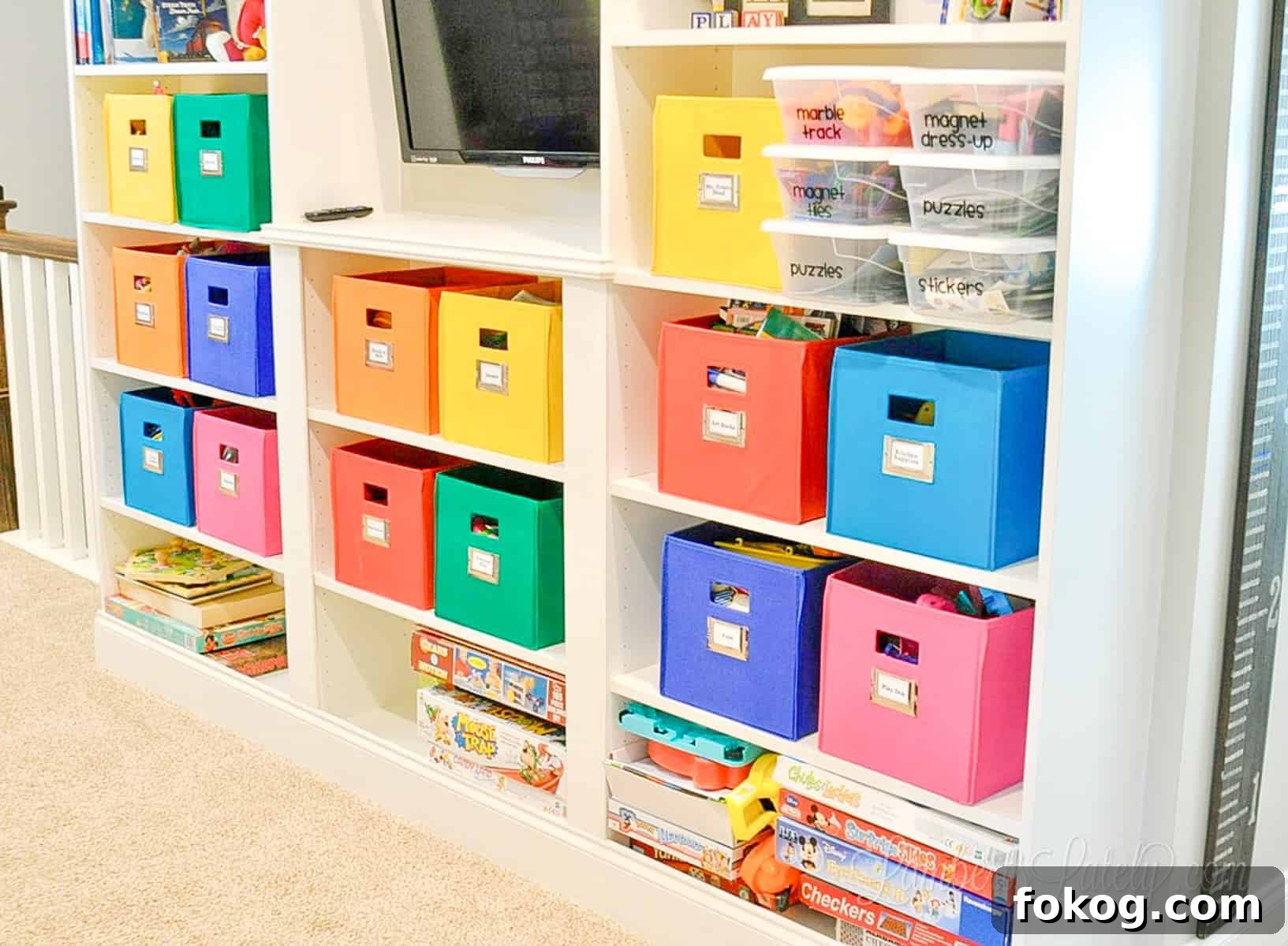
I’m thrilled with how this Ikea built-in hack turned out. For under $400 and a few weekends of work, we created attractive, functional storage that anchors the playroom and adds a focal point to the space.
More Home DIY Projects
-
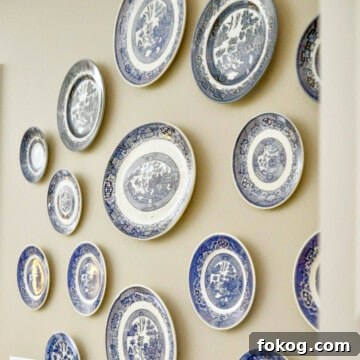
How to Hang Plates on the Wall
-
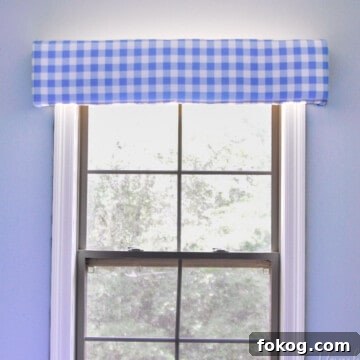
DIY Window Cornice Board with Foam Board
-
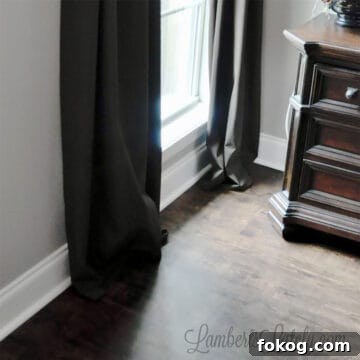
How to Hem Curtains with Tape
-
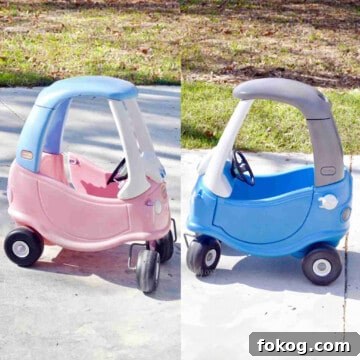
Little Tikes Cozy Coupe Makeover
Thanks for stopping by today! I’d love to see your Ikea built-in creations. Tag me on social media 📸 @lambertslately with your projects.