
Raisin scones are a timeless treat. This old-fashioned recipe isn’t overly sweet or butter-heavy; it delivers the right crumb and a gentle sweetness that makes the scones delicious on their own. I prefer making small scones, but size is up to you. They freeze well unbaked, so you can bake fresh scones on demand whenever you like.
A good scone is simple, but it benefits from a few key habits: use very cold ingredients, handle the dough lightly, and don’t overwork its rough texture. All the essential tips are included here so your scones turn out tender and flaky—even if you’re a beginner.

British bakery recipe
Before the internet, I used to ask coffee shops and bakeries for their recipes while traveling. This particular scone recipe came from a visit to London and reflects a vintage British style: less rich than cream-based mini scones and lighter than American baking powder biscuits. They’re ideal for brunch, a coffee break, or a classic afternoon tea served with clotted cream and jam or lemon curd.
Scone-making is almost a family ritual for me. My Irish great-grandmother was said to have “the” recipe, but results varied from person to person. Over the years I’ve developed my own reliable scone approach—one that balances tradition with consistent results.
Testing notes
Baking powder: Make sure your baking powder is fresh. It’s essential for proper rise.
Very cold ingredients: Use very cold butter; I cut the butter and chill the pieces in the freezer briefly before using them. Keep liquid ingredients refrigerated until you add them.
Don’t overwork the dough: The dough should come together but may still show floury patches. It doesn’t need to be smooth—those irregularities create tender, flaky scones.
Chill before baking: Cold butter produces the best lift. Freeze the tray of cut scones for 15 minutes or refrigerate for 30 minutes before baking.
High initial oven heat: A hot oven jump-starts the rise. If you forget to preheat, keep the scones chilled while the oven reaches temperature.

FAQ
Can I use yogurt instead of sour cream?
Yes. Plain regular or Greek yogurt works well and provides a similar texture and gentle tang while helping with tenderness.
Can I freeze raisin scones?
Yes. Freeze unbaked, cut scones on a tray until firm, then store in a freezer-safe bag. Bake from frozen at 375°F (190°C), allowing a few extra minutes for baking.
Yes—experiment. Try citrus zest (orange is lovely), seeds, vanilla, warm spices like cardamom or cinnamon, mini chocolate chips, dried cranberries, or chopped apricots. Keep additions moderate so they don’t overwhelm the dough.
Process steps
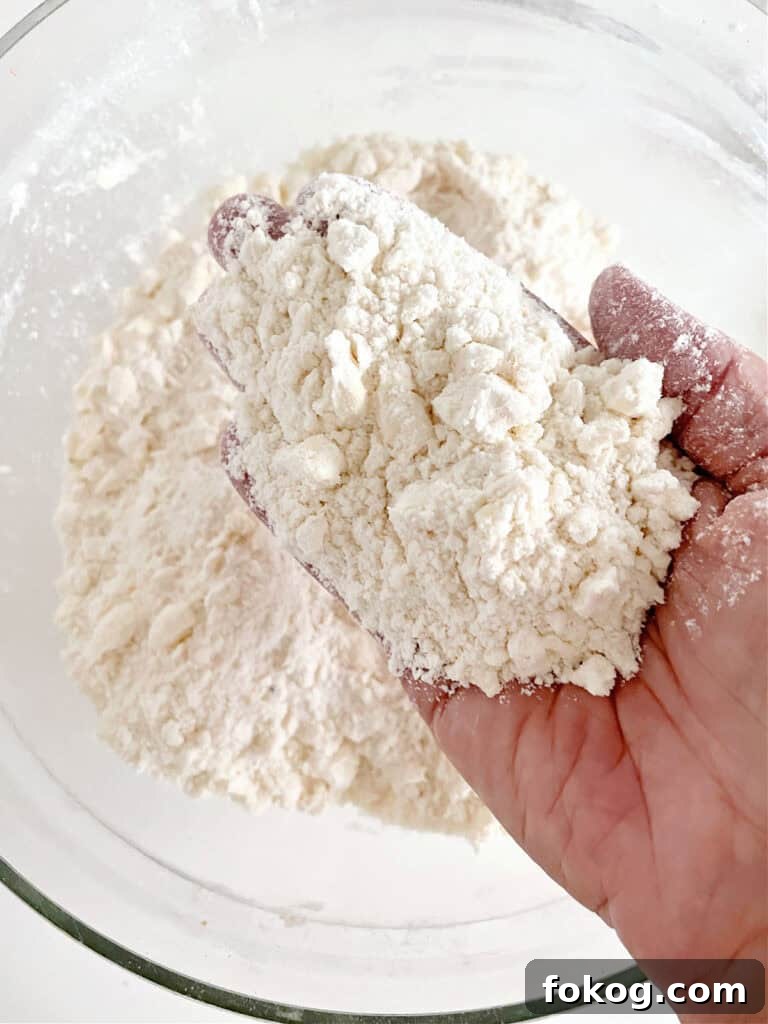
Work in the butter
Combine the dry ingredients in a large bowl, then scatter cold butter pieces on top. Use a pastry cutter or your fingertips to rub the butter into the flour until the mixture resembles coarse crumbs, with some pea-sized butter bits remaining. These help create flakiness—work quickly to keep the butter cold.
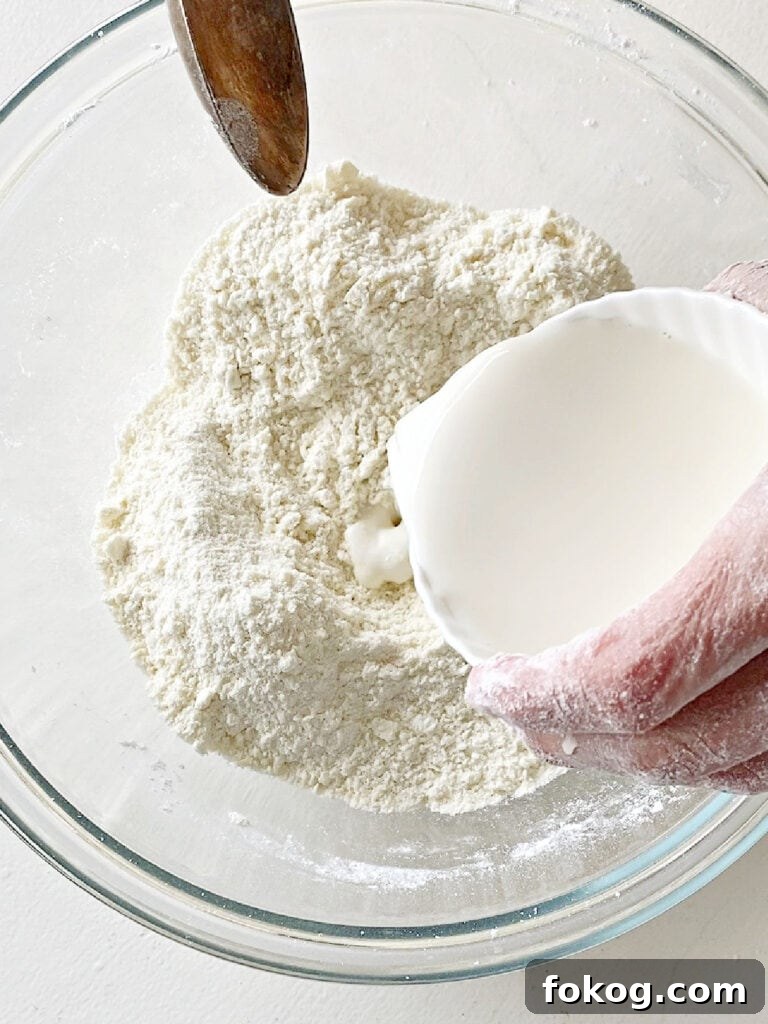
Add wet ingredients
Stir together cold milk and sour cream, then add to the dry mixture. Mix gently with a fork or spoon until most of the flour is combined but a few dry spots remain. Avoid overmixing—the dough should stay a bit shaggy.
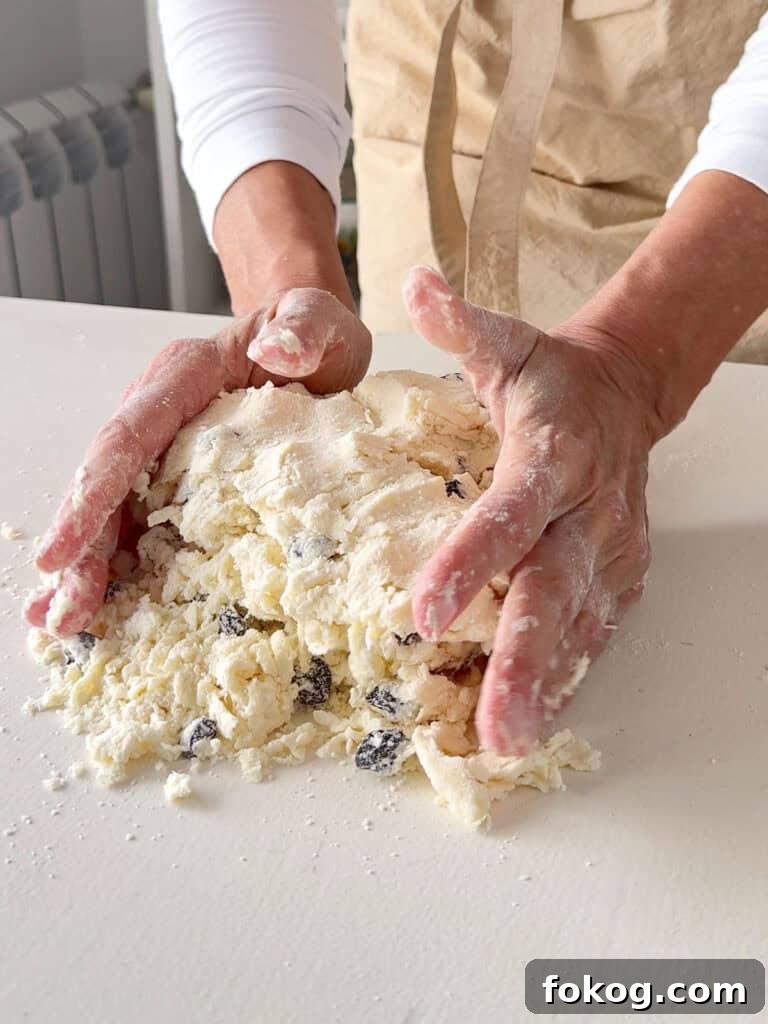
Add raisins
Fold in the raisins while the dough still has some floury patches. Transfer the dough to a lightly floured surface and gather it into a disc, folding it onto itself a few times to create layers. Pat it lightly; avoid working it too much to keep the scones tender.
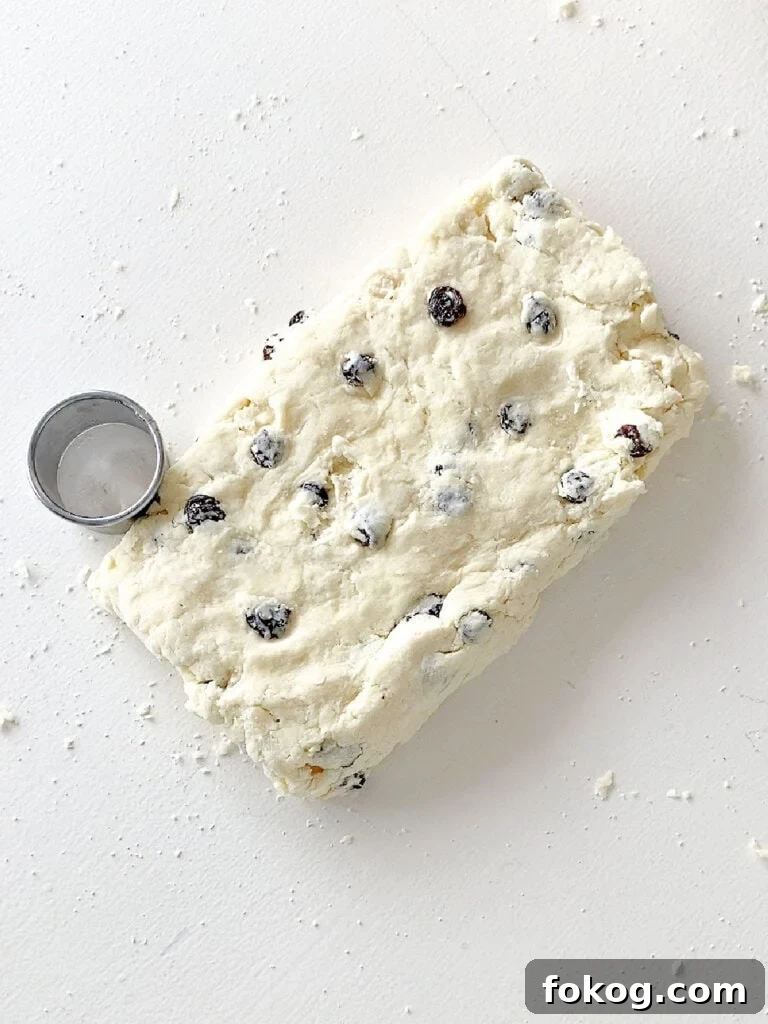
Make a rectangle
Shape the dough into a rough rectangle about 1/2 inch thick. It will be a little uneven, and that’s fine. Use a round cutter to plan how many scones you’ll get and avoid cutting above the cutter’s height so you can press cleanly through the dough.
Cut the scones
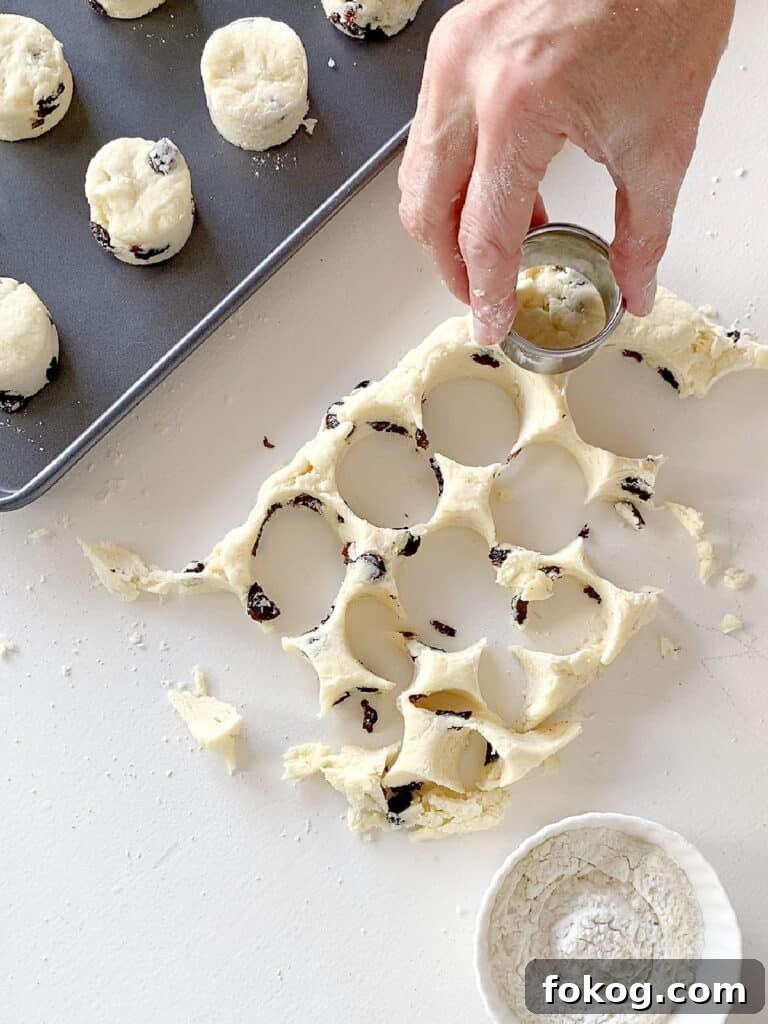
Use a medium plain round cutter and press straight down—don’t twist. Twisting seals the edges and can prevent a full rise. Dip the cutter in flour if it sticks between cuts. Gather scraps and re-pat lightly; second-round scones may be slightly less tender but will still be very good. For wedges, use a knife or dough scraper.

Egg wash or plain?
Both finishes work. For a matte, traditional look, leave them plain. For a shinier, browned top, brush with an egg wash (one egg beaten with a tablespoon of water or milk) and sprinkle sugar for extra crunch.
Use parchment or lightly butter the baking sheet if you prefer, though properly handled scones shouldn’t stick after baking.

Baking
Bake until the scones have risen and are lightly golden. To confirm they’re done, open one slightly with a fork; the interior should be dry, not wet. Serve warm with butter, clotted cream, sour cream, or jam.
Large batch
To double or triple the recipe, you can mix the dry ingredients and butter in a food processor for step 1. Pulse briefly so the butter pieces remain irregular—about pea to bean size—then continue with the recipe. Don’t over-process or the scones will become tough.

If you try this recipe and enjoy it, please leave a comment and a rating. If you run into any problems, tell me so we can troubleshoot together.
As an Amazon Associate, I earn from qualifying purchases.

Old Fashioned English Scones with Raisins
Ingredients
For scone dough:
- 2 cups self-rising flour
- 1 teaspoon baking powder
- ¼ cup sugar
- ⅛ teaspoon salt
- 4 tablespoons unsalted butter, cold, cut into small pieces
- ⅓ cup regular sour cream, cold
- ⅓ cup milk, cold
- ½ cup raisins
Egg wash:
- 1 egg
- 1 tablespoon milk
Instructions
-
In a large bowl, combine 2 cups self-rising flour, 1 teaspoon baking powder, ¼ cup sugar, and ⅛ teaspoon salt.
-
Scatter 4 tablespoons cold, small pieces of unsalted butter over the dry mix.
-
Rub the butter into the flour with fingertips or a pastry cutter until the mixture resembles coarse crumbs, leaving some pea-sized butter bits. Work quickly to keep the butter cold.
-
Stir together ⅓ cup cold sour cream and ⅓ cup cold milk in a small bowl until combined.
-
Make a well in the dry mix, add the wet ingredients, and mix just until combined. The dough will remain a bit floury and irregular—this is correct.
-
Fold in ½ cup raisins while some dry patches remain.
-
Turn the dough onto a floured surface and fold it onto itself a few times, then pat into a rectangle about ½ inch thick. Avoid kneading; handle as little as possible.
-
Cut rounds with a medium plain cutter and place them on a greased or parchment-lined baking sheet. Press straight down—do not twist. Recombine scraps and re-pat lightly for additional scones.
-
Chill the cut scones in the refrigerator for 20–30 minutes. Preheat the oven to 350°F (180°C) while they chill.
-
For the egg wash, beat 1 egg with 1 tablespoon milk and brush the tops of the scones. Sprinkle sugar if desired.
-
Bake for 15–20 minutes until puffed and lightly golden. Serve warm with butter, clotted cream, or jam.