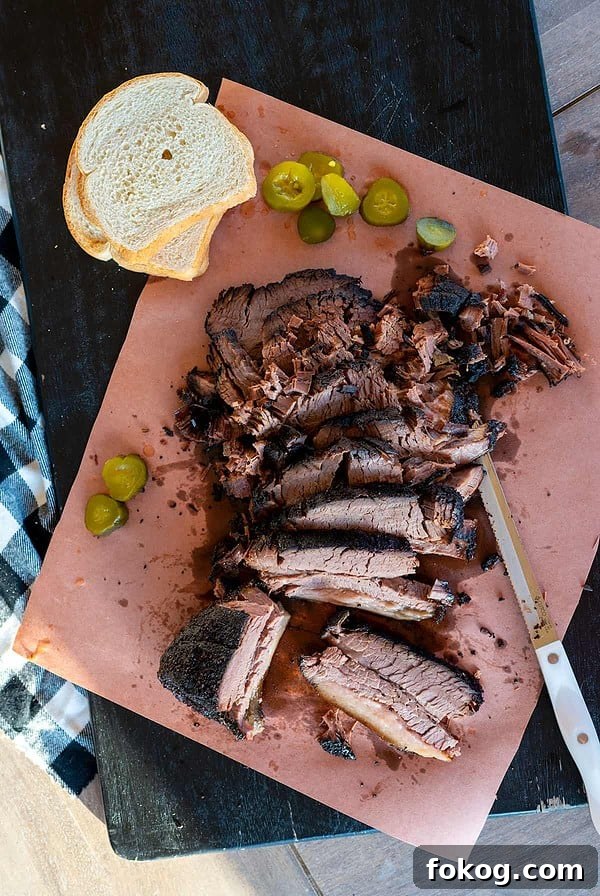
If your brisket appears dark but the bark feels soft, squishy, or greasy rather than firm and crusty, you’re not alone.
Soft bark typically results from excess moisture or insufficient exposure to dry heat. This guide explains the common reasons bark softens and offers practical steps to keep it crisp next time.
See the full Brisket Troubleshooting Guide
PRO TIP: For a reliably moist brisket, follow every step in the no-fail brisket recipe.
What Causes Bark to Turn Soft?
Bark needs dry heat to remain firm. When moisture becomes trapped on the surface—whether from wrapping, resting, or steam—the bark will absorb that moisture and lose its crusty texture.
Common Reasons Your Bark Is Soft
You Wrapped the Brisket Too Early
Wrapping traps steam. If the bark wasn’t fully set before wrapping, the trapped moisture will soften it quickly.
You Wrapped in Foil
Foil seals in nearly all moisture. While it speeds the cook, it also steams the surface and commonly softens bark.
You Added Too Much Liquid in the Wrap
Pouring broth, tallow, or other liquids directly onto the bark can wash out or soften it instead of improving the texture.
You Rested the Brisket While Wrapped
Resting tightly wrapped traps steam that can condense back onto the surface and soften the bark during the hold.
You Cooked in a Very Humid Environment
High ambient humidity reduces evaporation, which makes it harder for the bark to stay dry and firm.
The Brisket Sat Too Long Before Slicing
Long holds—especially in insulated coolers or fully sealed wraps—allow moisture to redistribute and can soften the bark over time.
How to Keep Bark Firm Next Time
You don’t have to trade tenderness for good bark. Small adjustments during the cook and rest will help the bark set and stay that way.
Wait Until the Bark Is Fully Set Before Wrapping
The surface should look dark, dry, and slightly rough. If it smears when touched, it needs more time in dry heat.
Use Butcher Paper Instead of Foil
Butcher paper breathes enough to release steam while still protecting the meat. If foil is your only option, leave a small vent so steam can escape.
Keep Liquid Away from the Bark
If you add liquid during the wrap, pour it under the brisket or along the edge of the foil so it doesn’t contact the bark.
Vent the Brisket During the Rest
Crack the wrap or briefly uncover the brisket while resting so trapped steam can dissipate rather than condense on the surface.
Unwrap and Re-Set the Bark
If the bark softens late in the cook, unwrap the brisket and return it to dry heat for 20–30 minutes to firm the surface again.
How to Fix Soft Bark Right Now
If the brisket is still hot:
- Unwrap it
- Raise the pit temperature slightly
- Stop adding moisture
- Let the dry heat firm the surface
If the brisket is already sliced, you can’t fully restore crisp bark, but chopping into smaller pieces, briefly returning slices to dry heat, or using sauce and seasoning can improve the texture and eating experience.
When This Problem Usually Happens
Soft bark most often occurs when brisket is wrapped too early, wrapped in foil, rested too long without venting, or cooked in very humid conditions.
Brisket Guides
This BBQ tip is part of the Ultimate Brisket Guide, which covers everything from anatomy and trimming to cooking technique.
Explore more brisket fundamentals:
- Why Does My Brisket Have No Bark?
- Why Is My Brisket Tough?
- Why Is My Brisket Dry?
- What Is the Texas Crutch?
- What Is the Brisket Stall?
- When to Wrap Brisket
- Hot and Fast Brisket Guide
- Brisket Anatomy Explained
For a full overview:

My Go-To Brisket Rub for Building Flavor and Bark
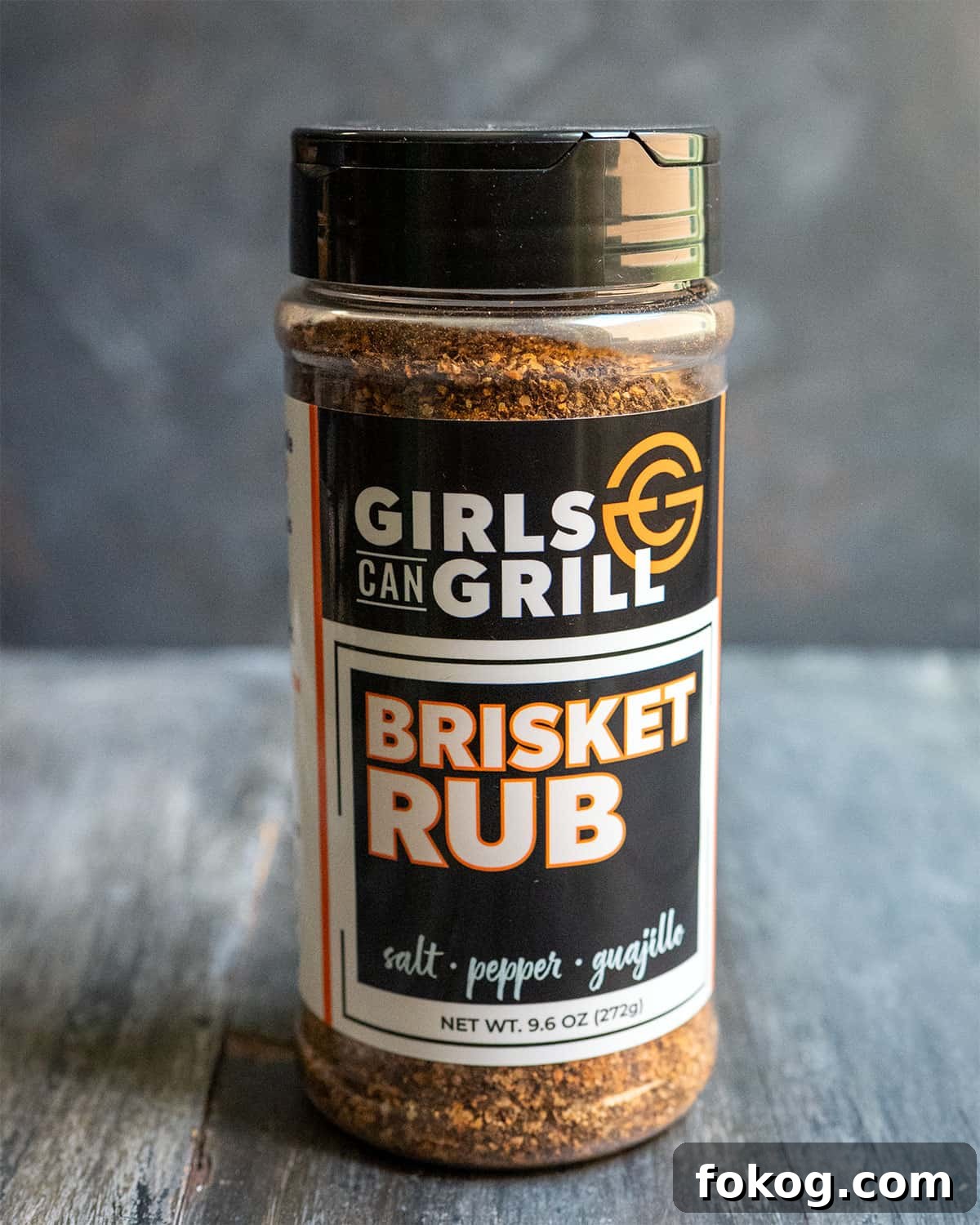
I use Girls Can Grill Brisket Rub on all my briskets. The blend of salt, pepper, garlic, and savory spices highlights the beef while helping the bark develop evenly.
Brisket Recipes
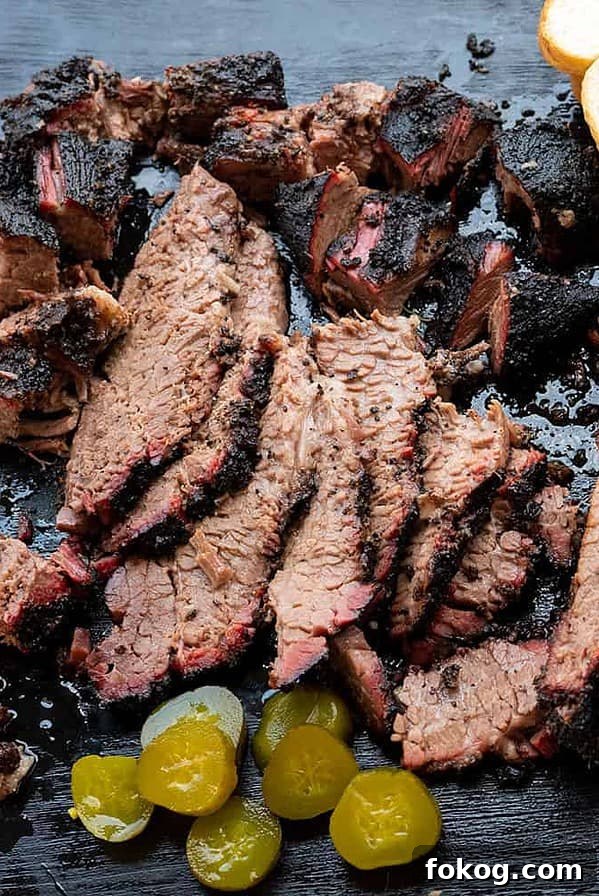
The No-Fail Way to Make Smoked Brisket
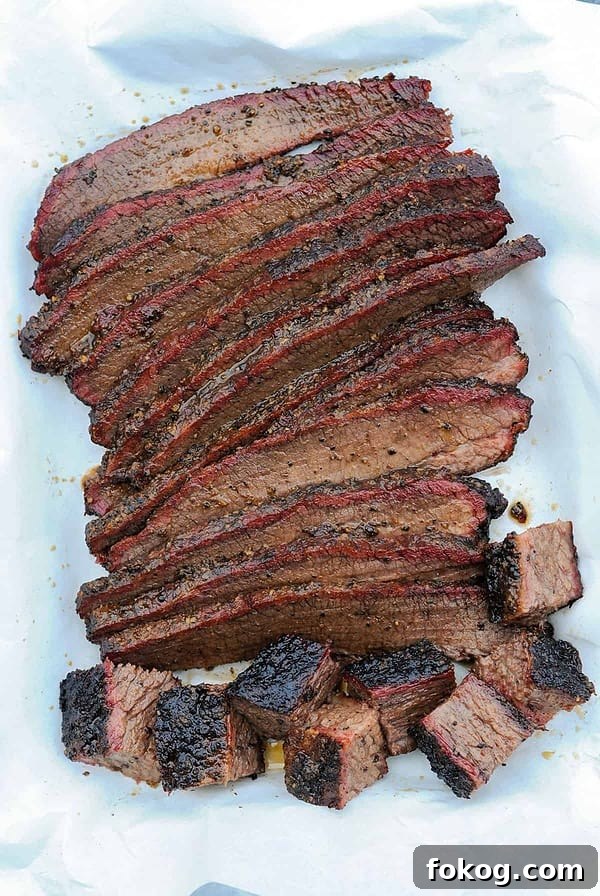
Hot and Fast Brisket