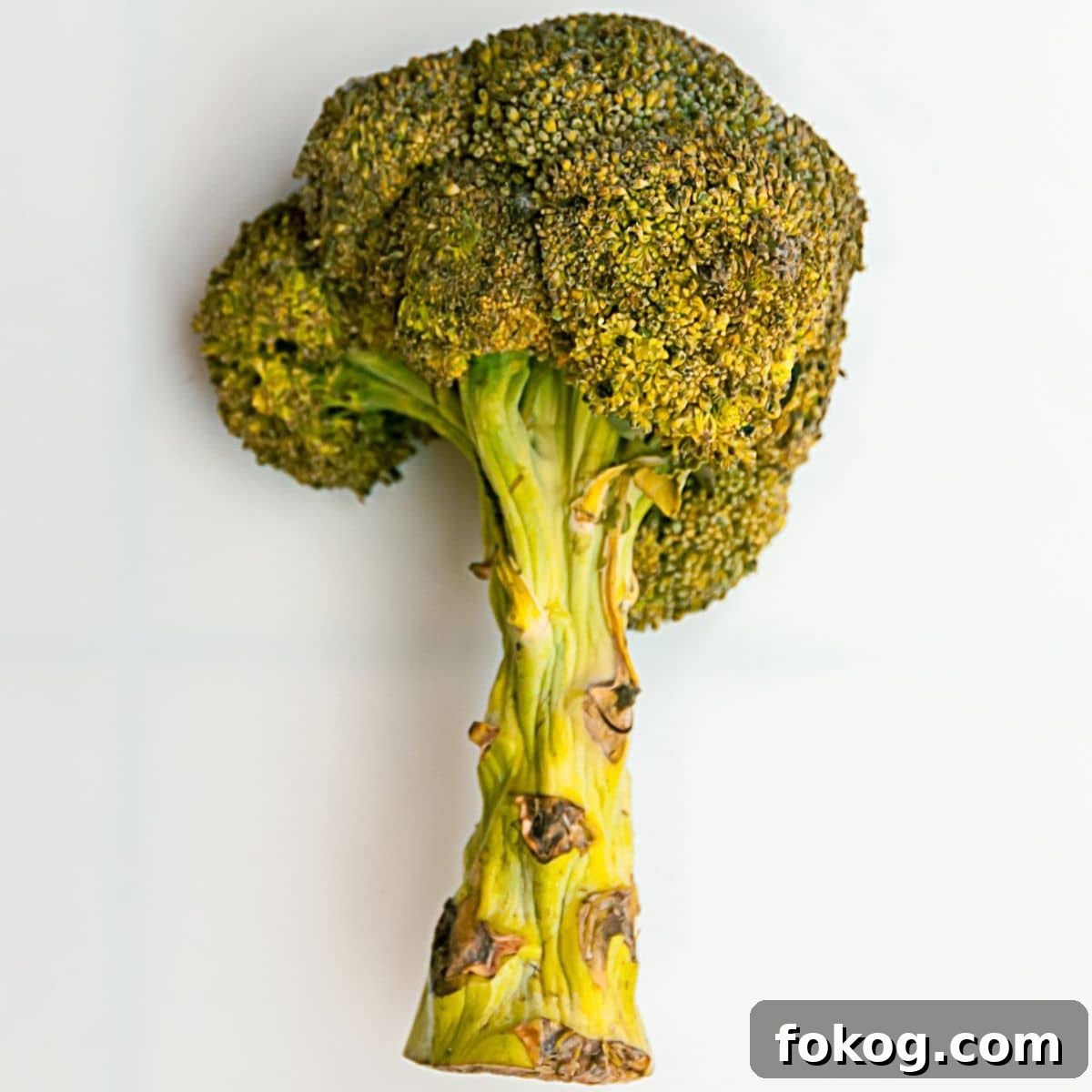
My broccoli is turning yellow! Is it still good and, more importantly, will it make me sick? Read on to learn when yellow broccoli is safe to eat and what to do with it.
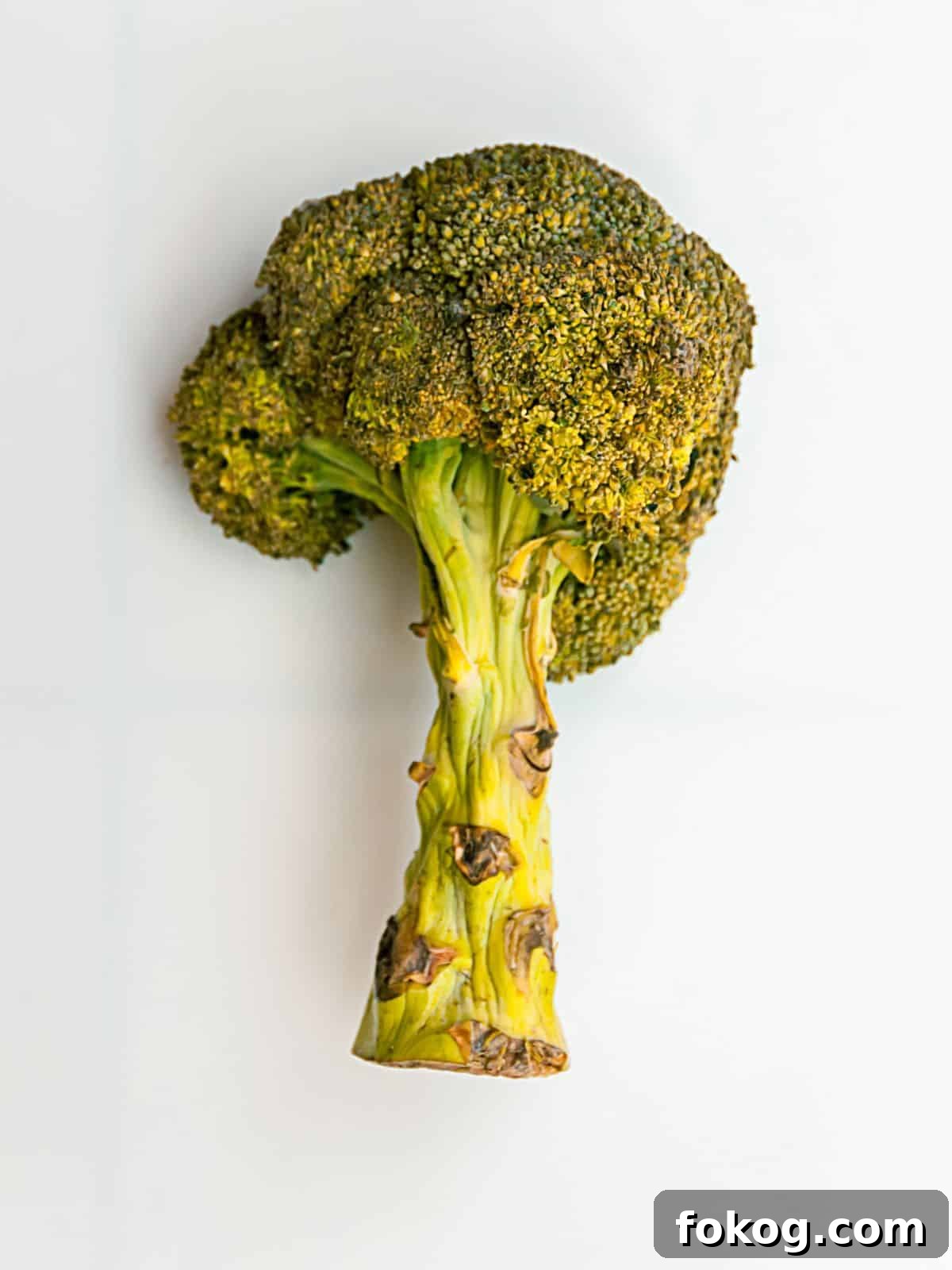
Is yellow broccoli safe to eat?
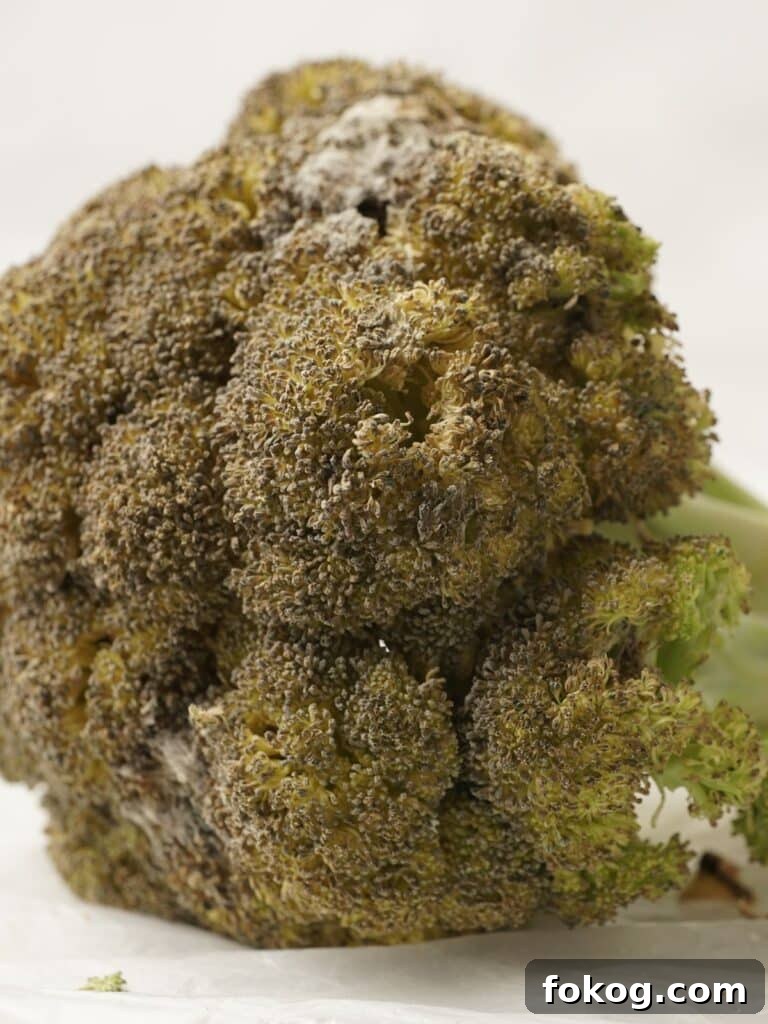
Yellow broccoli is not poisonous, but the change in color signals aging and often a decline in flavor and texture. As broccoli loses its vibrant green, it typically becomes more bitter and less crisp. Eating slightly yellowed florets usually won’t make you sick, but if the texture is mushy or you see mold—white, black, or fuzzy patches—discard it.
If only a small portion of the head has turned yellow, trim off the affected sections and taste a small piece. If the remaining broccoli tastes and feels normal, you can use it. When the entire head is yellowed and limp, it’s best to throw it away rather than risk an unpleasant meal.
Why does broccoli turn yellow?
Broccoli contains chlorophyll, the pigment that gives it a rich green color. Over time and with exposure to air, light, and natural enzymatic processes, chlorophyll breaks down and other pigments become visible, causing florets to yellow. This is simply a sign of age—not an indication of toxins.
Because broccoli is perishable, it only stays fresh in the refrigerator for a limited time. A few yellow specks are a cue to use it soon; widespread yellowing suggests the vegetable is past peak quality.
Can I cook yellow broccoli?
You can cook yellow broccoli, but aroma, bitterness, and texture may be less appealing after cooking. If the broccoli still tastes acceptable raw and shows no signs of spoilage, prepare it the same way you would fresh broccoli. Bitter notes can be balanced by strong flavors—mixing it into casseroles, sautés with garlic and soy, or tossing it with salty Parmesan or a creamy cheese sauce.
If you find visible mold or the broccoli is slimy or soft, do not cook or eat it—discard it immediately.
How to prevent broccoli from turning yellow
To keep broccoli fresh and slow yellowing, follow these tips:
- Buy fresh heads. Choose broccoli that is firm and deep green. Avoid stalks that are yellowing or limp.
- Use it quickly. Broccoli is best within a few days of purchase. Move it into meals within 2–3 days for optimal texture and flavor.
- Store properly. Refrigerate broccoli, but allow it to breathe. Don’t seal it tightly; loosely wrap it in plastic or keep it in an open bag to maintain humidity without trapping moisture.
- Freeze before it spoils. If you won’t cook it soon, blanch and freeze broccoli to preserve color and nutrients for months.
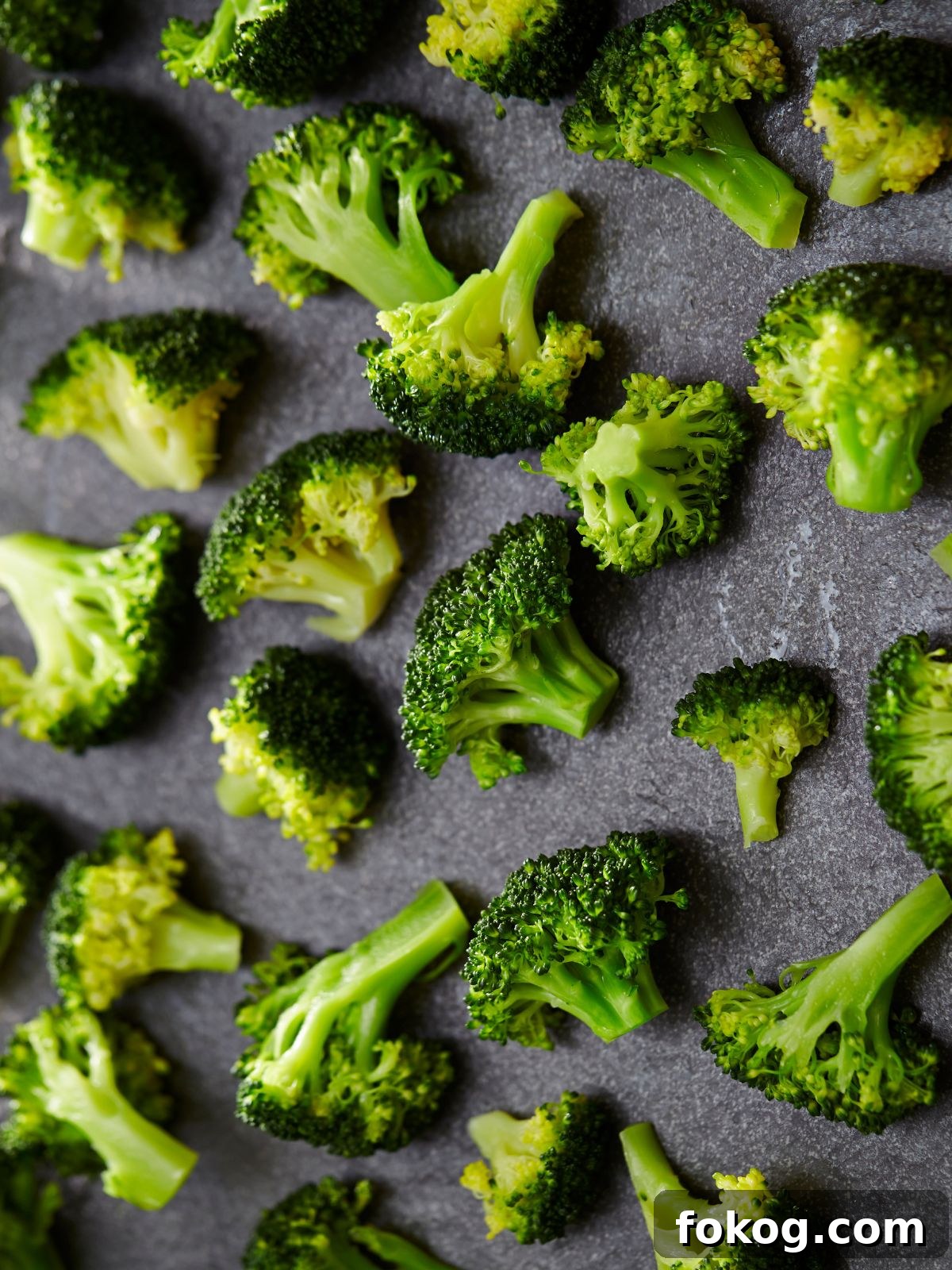
How to freeze broccoli before it goes bad
Freezing broccoli extends its shelf life and preserves most nutrients. Follow these simple steps:
- Cut the head into florets.
- Bring a large pot of water to a boil.
- Blanch florets in boiling water for 2–3 minutes, until bright green and just tender.
- Transfer immediately to a bowl of ice water to stop cooking.
- Drain well in a colander to remove excess water.
- Spread florets in a single layer on a sheet pan and freeze for about 2 hours to prevent clumping.
- Move frozen florets to airtight freezer bags or containers and store for up to six months.
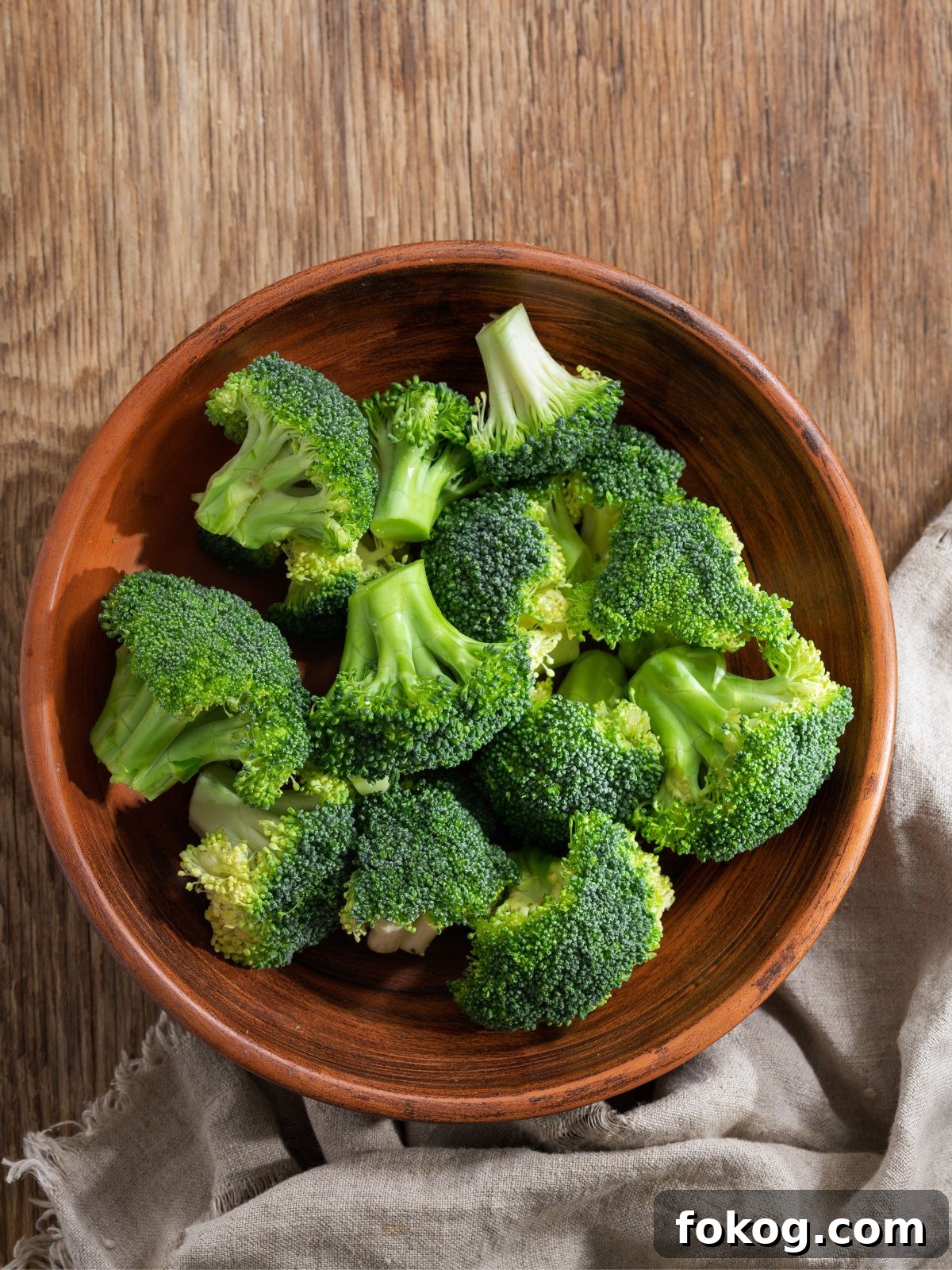
Health benefits of broccoli
Fresh broccoli is nutritious and versatile. It belongs to the brassica family alongside cabbage, kale, cauliflower, and Brussels sprouts. While raw or gently steamed broccoli retains the most nutrients, cooking methods vary depending on taste and recipe.
- High in vitamins and minerals, including vitamin C, vitamin K, fiber, potassium, and iron.
- Low in calories—a cup of broccoli is roughly 31 calories—making it a nutrient-dense choice.
- Good source of dietary fiber, which supports digestive health.
- Relatively higher in plant-based protein than many vegetables—about 3 grams per cup.
FAQs
If the yellowing is minimal and the broccoli tastes fine, combine it with other ingredients or serve with a flavorful dip. Strong flavors help mask any slight bitterness that might be more noticeable when eaten plain.
Yellowing indicates age and declining quality, not necessarily spoilage. Check for mold, sliminess, or an off smell. If none of those are present, trim and taste a small piece to decide whether to use it.
Broccoli recipes
- One Pan Chicken Broccoli Pasta Bake
- Crispy Tenderstem Broccoli