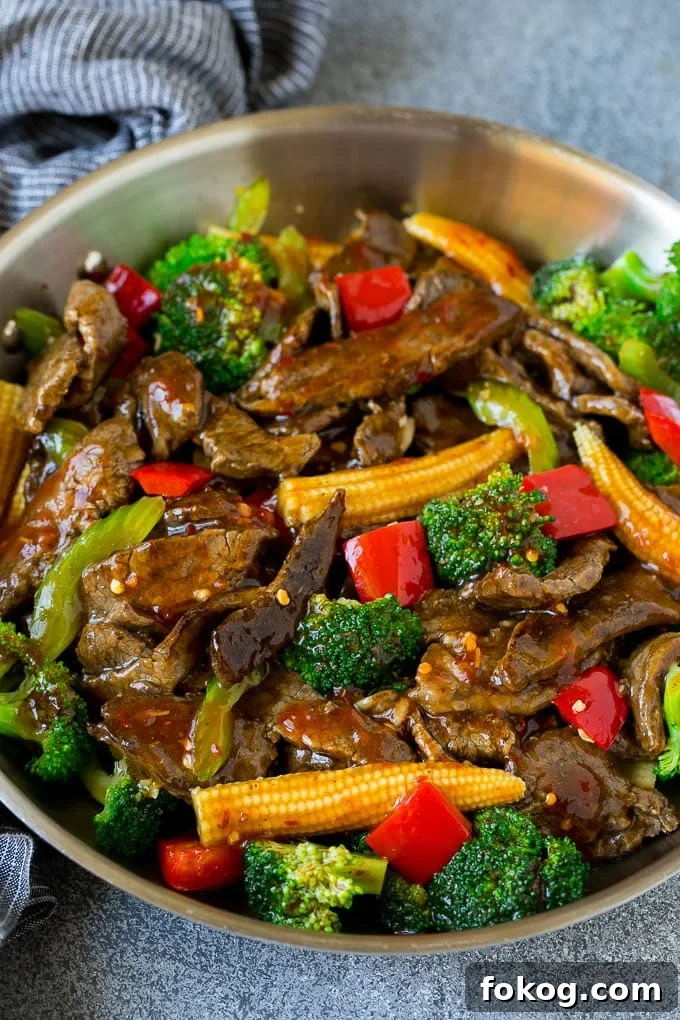
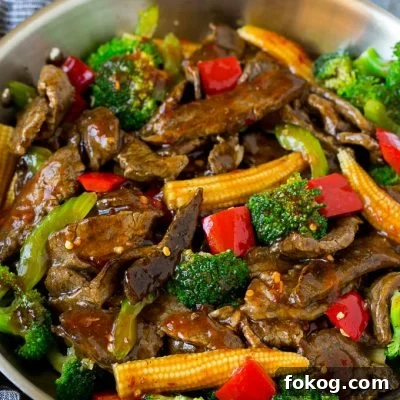
This Hunan beef is thinly sliced steak stir-fried with colorful vegetables in a spicy, savory sauce. A Chinese takeout classic that’s easy to prepare at home.
My family adores Chinese food and often asks me to make dishes like beef and broccoli, crab rangoon and this spicy Hunan-style beef.
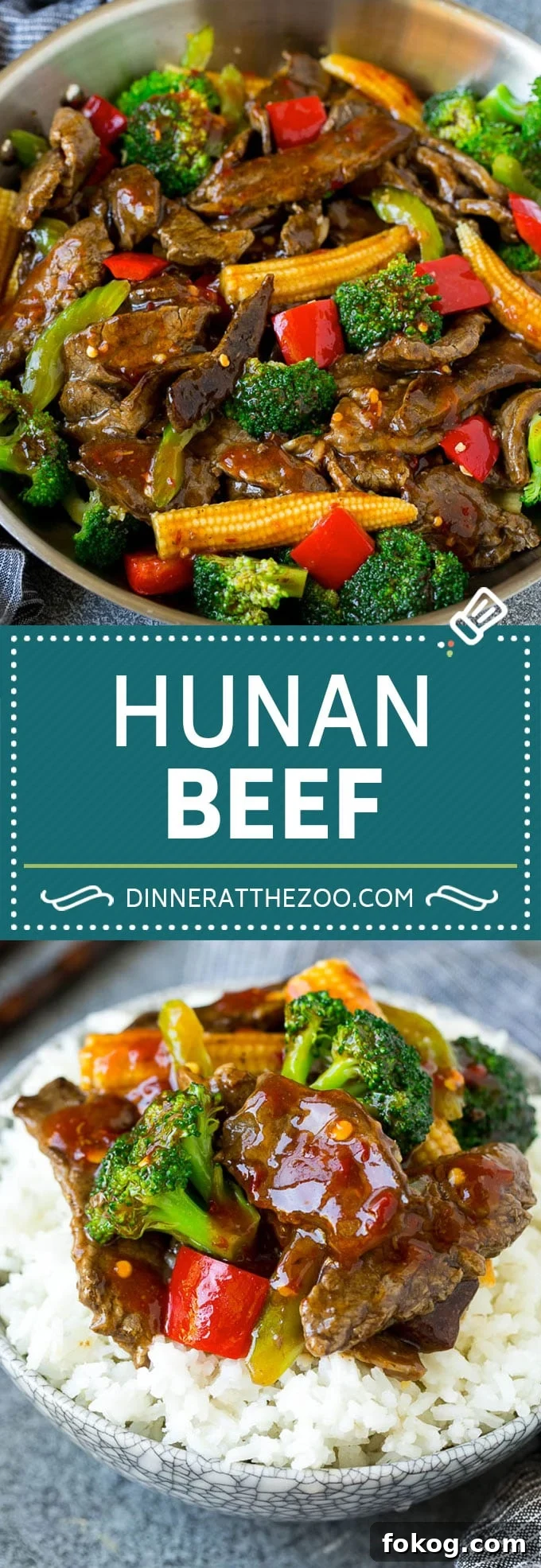
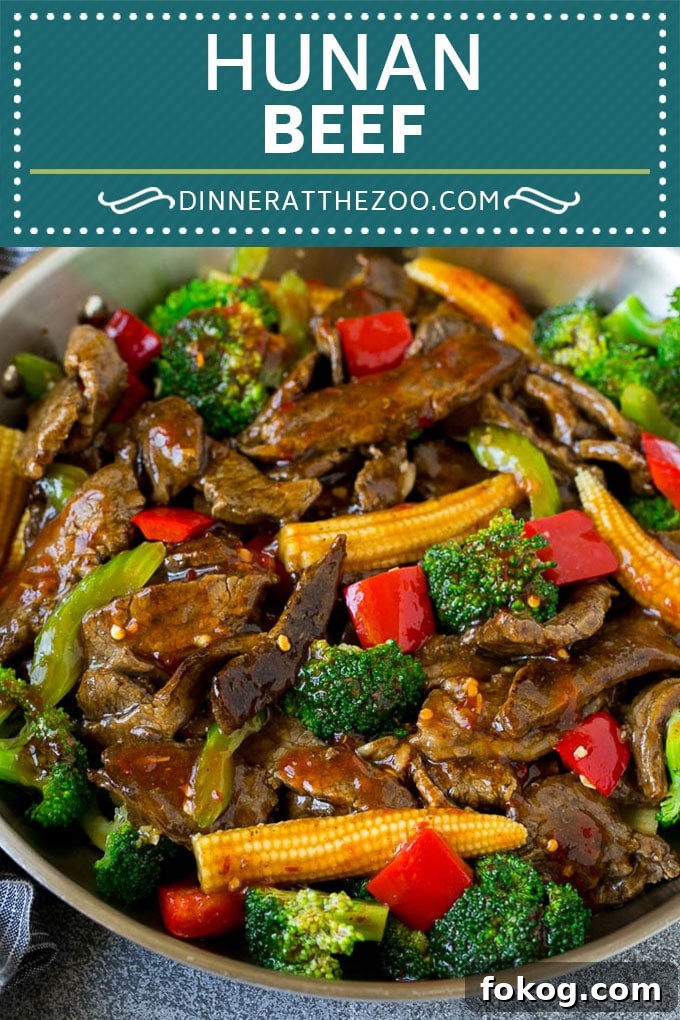
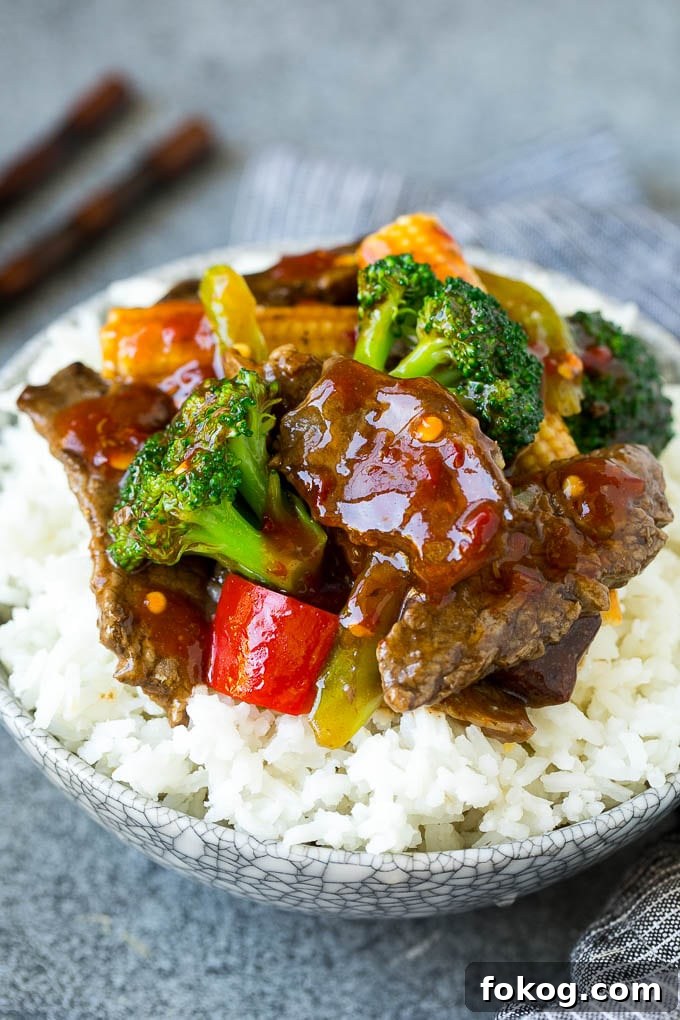
Whenever I visit my local Chinese restaurant I always order Hunan beef — the combination of tender steak, crisp vegetables and a spicy sauce is unbeatable. This homemade version is simple to make; serve it over steamed rice and enjoy.
What is Hunan beef?
Hunan beef originates from Hunan province in south-central China, a region known for bold, spicy and sour flavors and an emphasis on vegetables. The dish highlights those characteristics by pairing thinly sliced beef with vibrant vegetables in a bright, spicy sauce. You can easily adjust the heat by varying the amount of chili paste used.
How to make Hunan beef
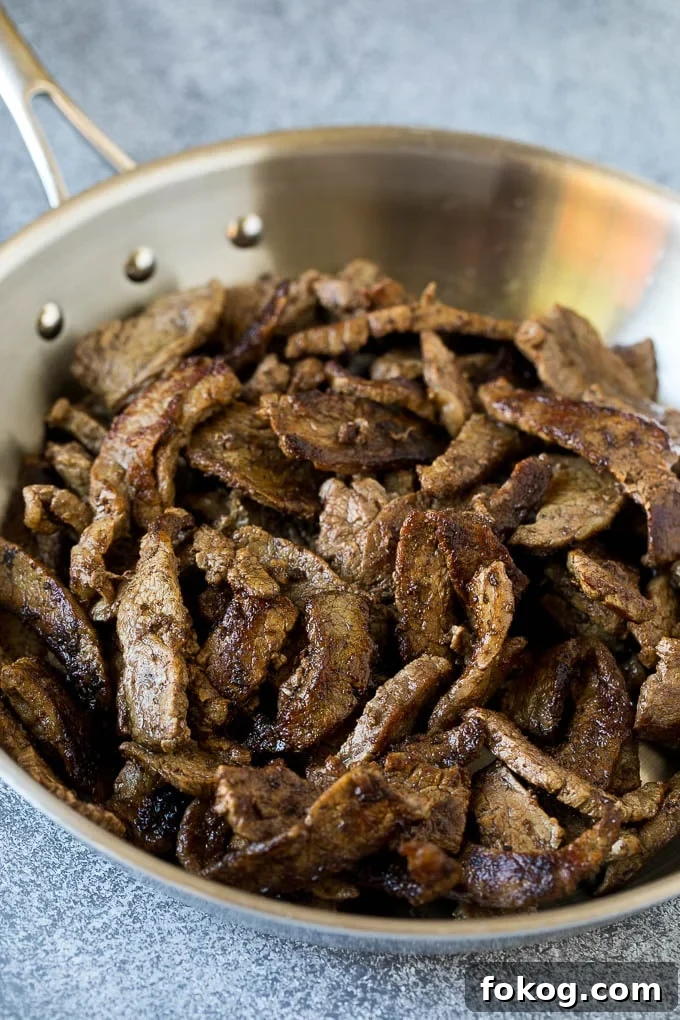
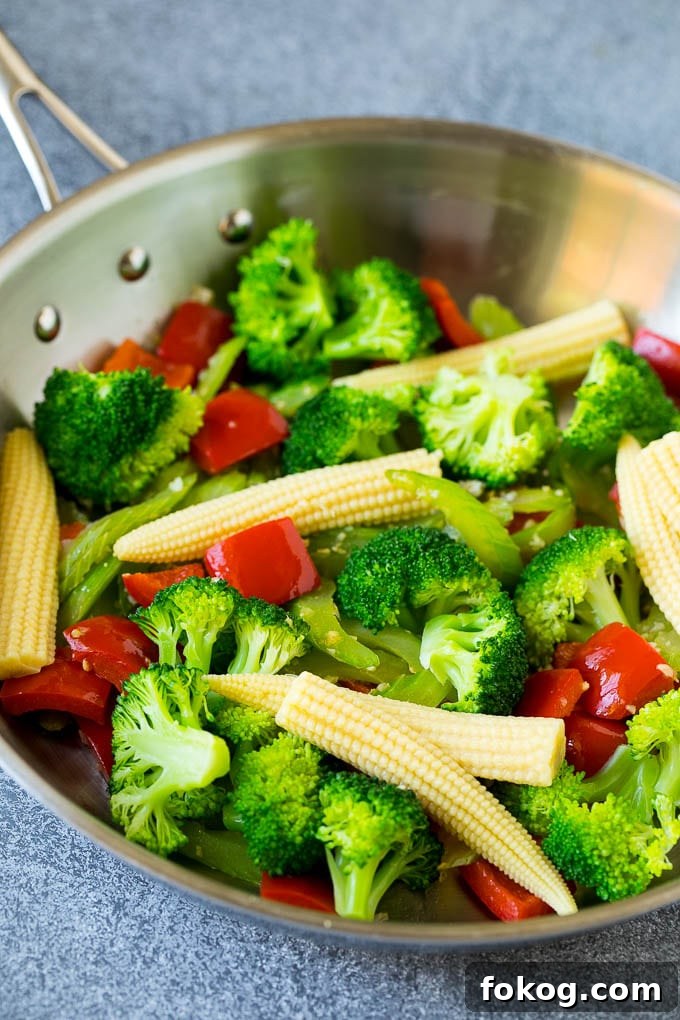
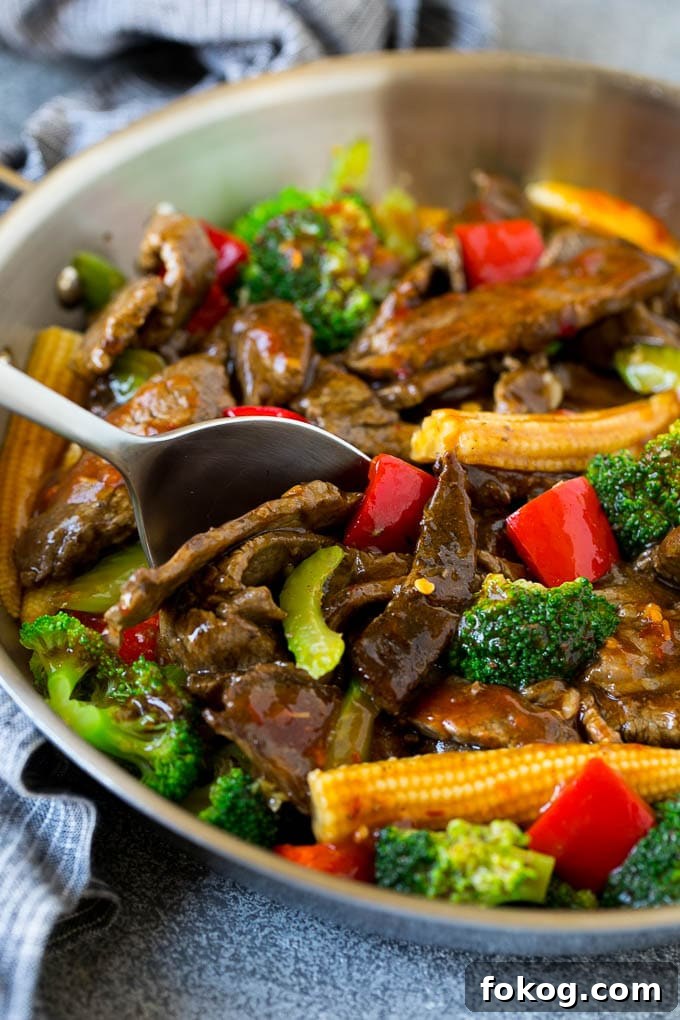
This recipe uses flank steak, quickly browned in a hot pan. After removing the meat, sauté a mix of colorful vegetables, then return the beef to the pan. Whisk together beef broth, soy sauce, oyster sauce, rice vinegar, honey, chili paste and cornstarch for the sauce, pour it over the meat and vegetables, simmer until it thickens, and serve.
Tips for the best Hunan beef
- Cut vegetables to a similar size so they cook evenly.
- Choose your preferred chili paste—sambal oelek works well. You can also use chili garlic sauce, hot chili oil or sriracha.
- Cook the steak in a single layer so it browns instead of steams. If necessary, cook in batches for a better sear.
- Baby corn adds a pleasant texture and can be found canned in the ethnic or canned vegetable aisle.
What is Hunan sauce made of?
Hunan sauce for this recipe is made from beef broth, soy sauce, oyster sauce, rice vinegar, honey, chili paste and cornstarch. Together these ingredients create a rich, balanced sauce that coats the beef and vegetables. The recipe calls for 2 teaspoons of chili paste for moderate heat; increase up to 1 tablespoon if you prefer it spicier.
Variations
The recipe is flexible—swap ingredients to suit your taste:
- Vegetables: substitute or add carrots, snow peas, water chestnuts, bok choy or mushrooms.
- Protein: use thinly sliced chicken or pork instead of beef.
- Nuts: toss in cashews or sliced almonds for extra crunch.
Hunan beef is an excellent way to enjoy a spicy, vegetable-forward stir-fry that comes together quickly and satisfies like takeout.
More great Asian recipes
- Orange Chicken
- Cashew Chicken
- Hot and Sour Soup
- Sesame Chicken
- Slow Cooker Mongolian Beef
Hunan Beef
Pin
Time
Ingredients
- 1 tablespoon vegetable oil
- 1 pound flank steak, thinly sliced
- Salt and pepper to taste
- 1 cup broccoli florets, cut into 1-inch pieces
- 1/2 cup celery, thinly sliced
- 1 medium red bell pepper, cored, seeded and diced
- 1 cup canned baby corn, drained and halved
- 1 1/2 teaspoons minced garlic
- 1/2 cup beef broth
- 2 tablespoons soy sauce
- 2 tablespoons oyster sauce
- 2 teaspoons rice vinegar
- 1 teaspoon honey
- 2 teaspoons chili paste (such as sambal oelek)
- 2 teaspoons cornstarch
Instructions
- Heat the vegetable oil in a large pan over high heat.
- Add the steak in a single layer and season with salt and pepper.
- Cook 3–4 minutes per side until browned. Cook in batches if necessary.
- Remove the beef and keep warm.
- Add broccoli, celery and bell pepper to the pan; cook 4–5 minutes until tender. Season with salt and pepper. Stir in baby corn and add garlic, cooking 30 seconds more.
- Return the beef to the pan with the vegetables.
- Whisk together beef broth, soy sauce, oyster sauce, rice vinegar, honey, chili paste and cornstarch in a small bowl.
- Pour the sauce over the steak and vegetables, bring to a simmer and cook 1–2 minutes until sauce thickens. Serve immediately over rice if desired.
Nutrition
| Carbohydrates: 8 g
| Protein: 26 g
| Fat: 10 g
| Saturated Fat: 6 g
| Cholesterol: 73 mg
| Sodium: 1007 mg
| Potassium: 639 mg
| Fiber: 1 g
| Sugar: 4 g
| Vitamin A: 1165 IU
| Vitamin C: 62.9 mg
| Calcium: 24 mg
| Iron: 1 mg