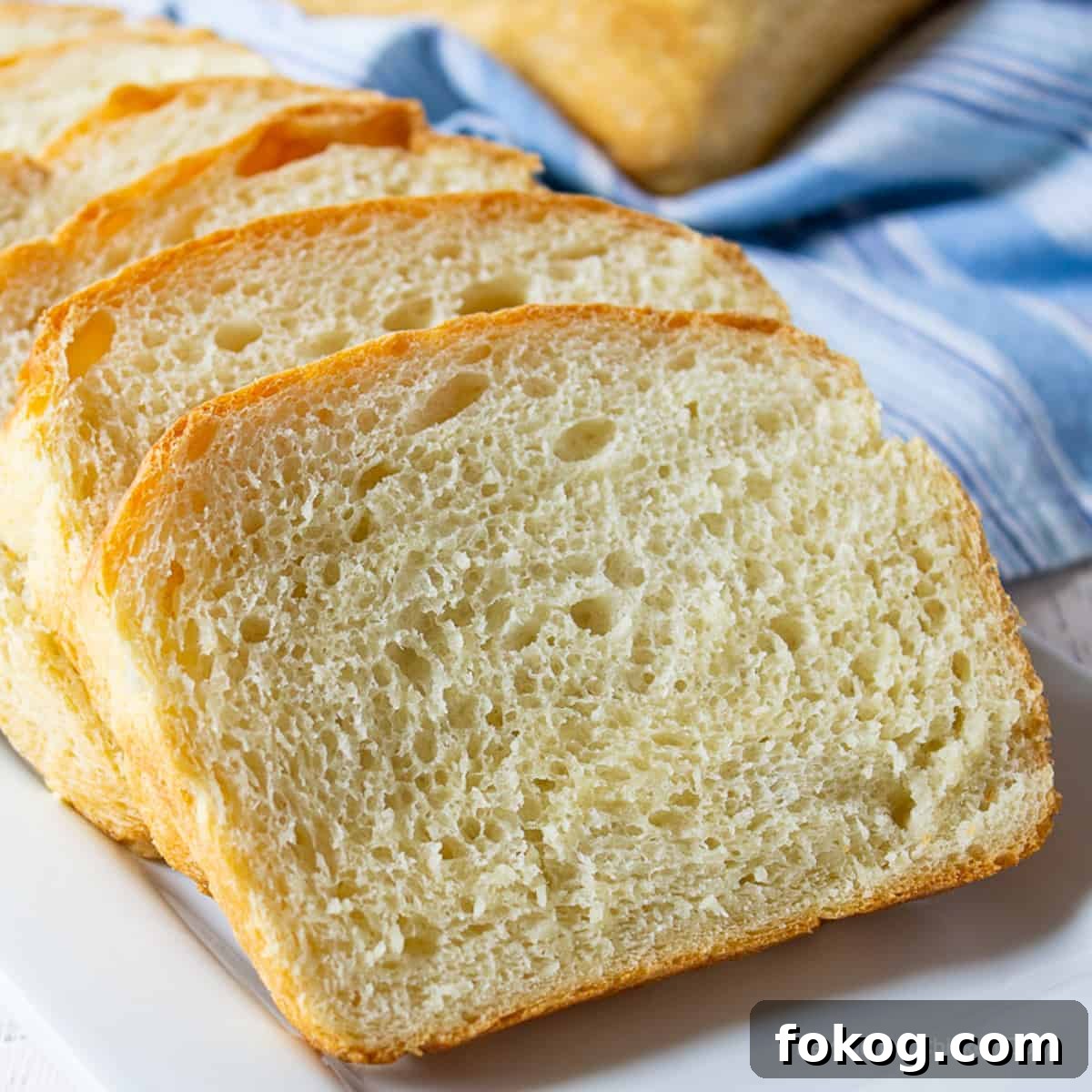
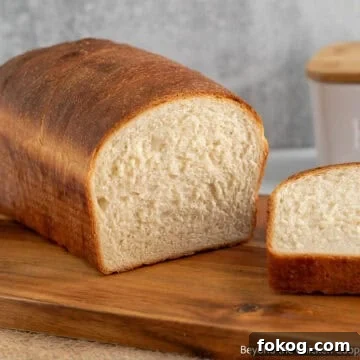
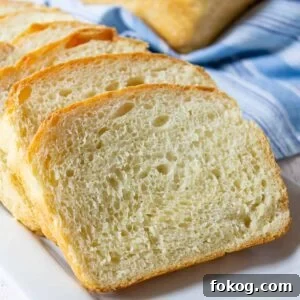
Light, fluffy potato bread is a simple and delicious homemade loaf. Slice it for sandwiches, toast it for breakfast with butter and honey, or sprinkle with cinnamon sugar for a sweet treat.
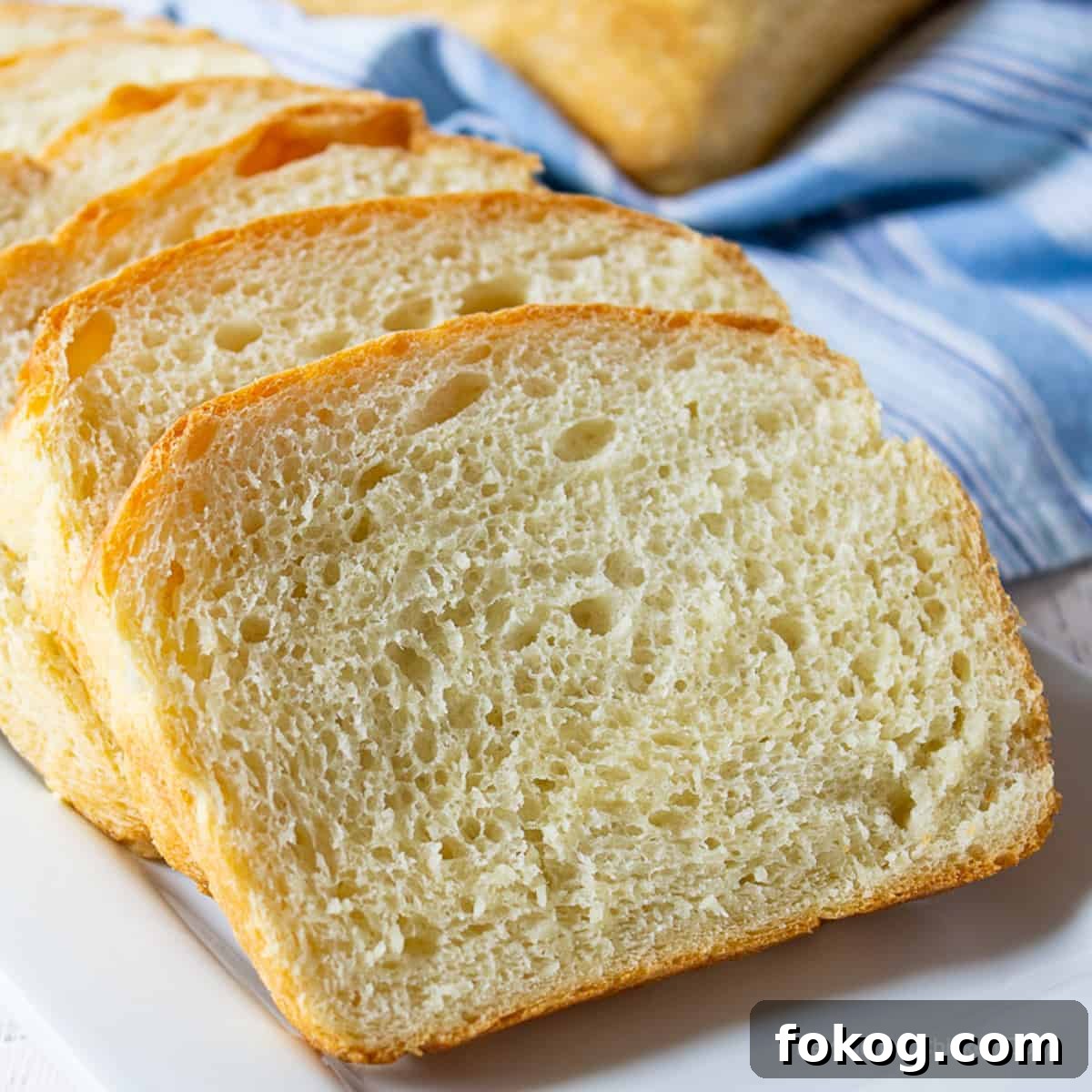
Pillowy Soft Potato Bread
This recipe uses a cooked russet potato that is mashed and folded into the dough. The potato adds extra starch and moisture, resulting in a tender, pillow-soft loaf with a light crumb.
Although the addition is straightforward, the potato makes a noticeable difference in texture and keeps the bread soft for several days.
Potato Bread Recipe Ingredients
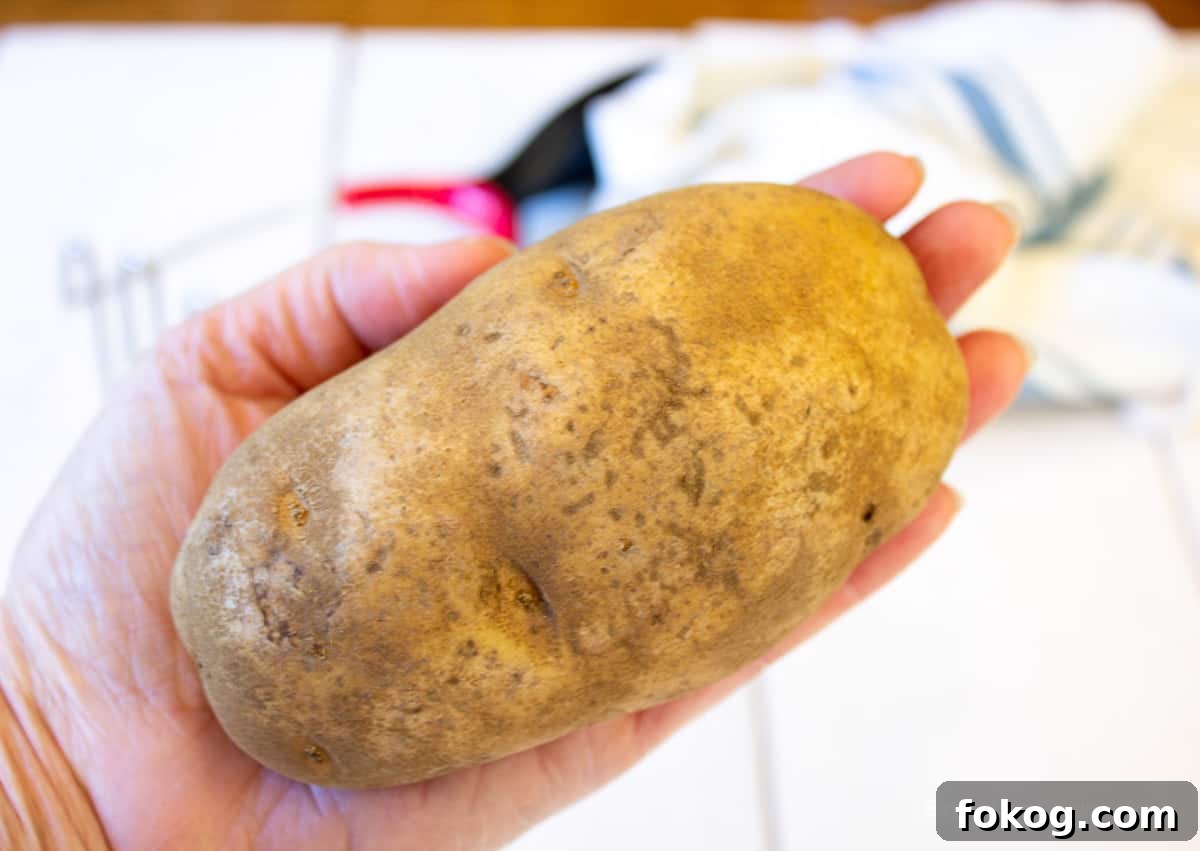
- Potato – 1 medium russet potato (about 1 cup mashed).
- Potato water – Reserve the water used to boil the potato; it adds flavor and extra starch to the dough.
- Flour – All-purpose flour is used in this recipe.
- Milk – Whole milk or 2% milk, warmed.
- Yeast – Active dry yeast (you can substitute instant yeast in the same amount; skip proofing if using instant).
- Honey – A tablespoon to gently sweeten the dough. You can use sugar instead if preferred.
- Oil – A mild-flavored oil such as vegetable or canola oil.
- Salt – For seasoning.
What type of potato is best?
Russet potatoes work well because they mash easily and provide the right amount of starch. A Yukon Gold or red potato will also work. Avoid potatoes with deeply colored flesh that could tint the bread. Instant potato flakes are not recommended for this recipe.
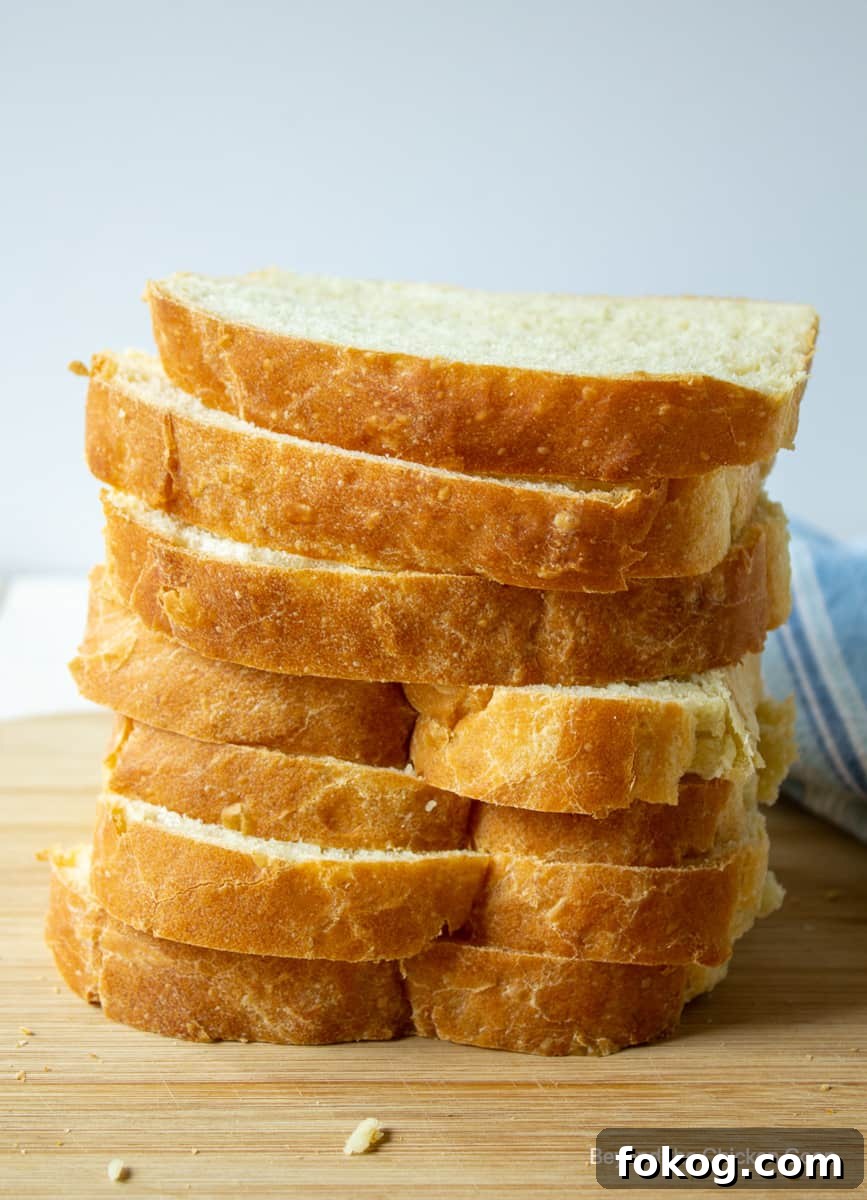
How to Make Potato Bread
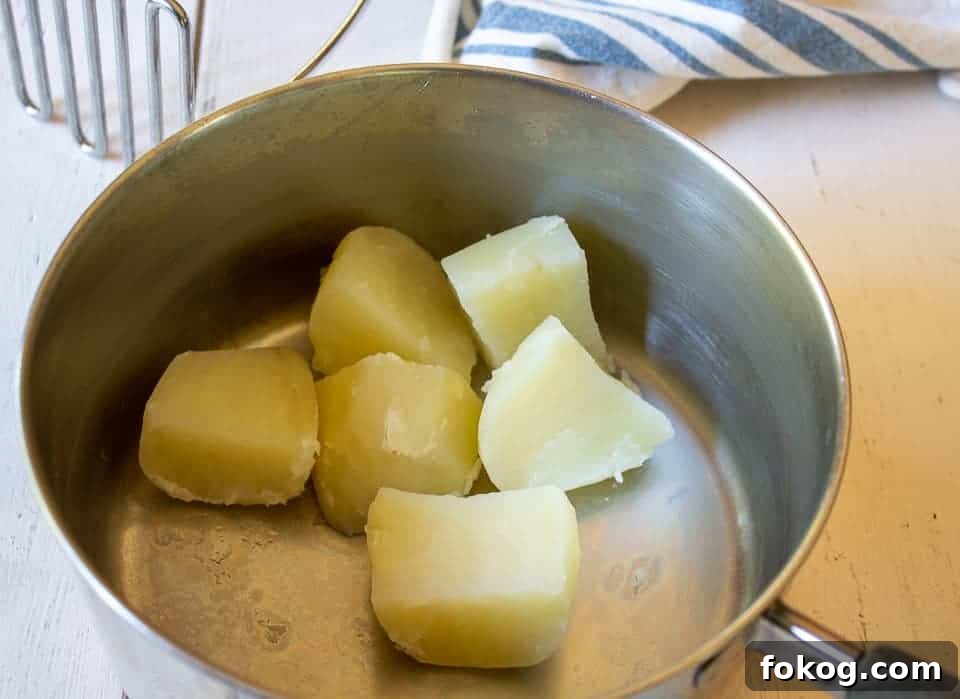
- Peel and cut the potato into large chunks.
- Boil until tender. Drain, reserving about 1/2 cup of the potato cooking water.
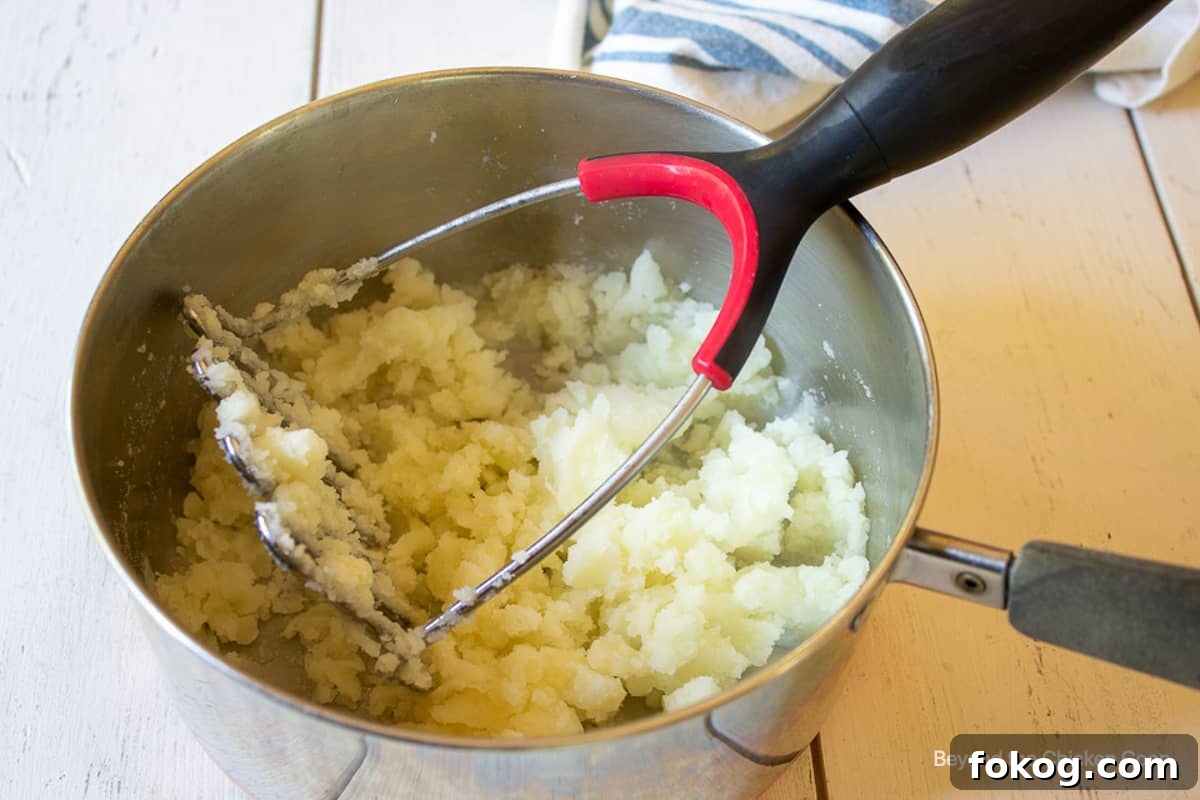
- Mash the potato and let it cool until warm. You want roughly 1 cup mashed.
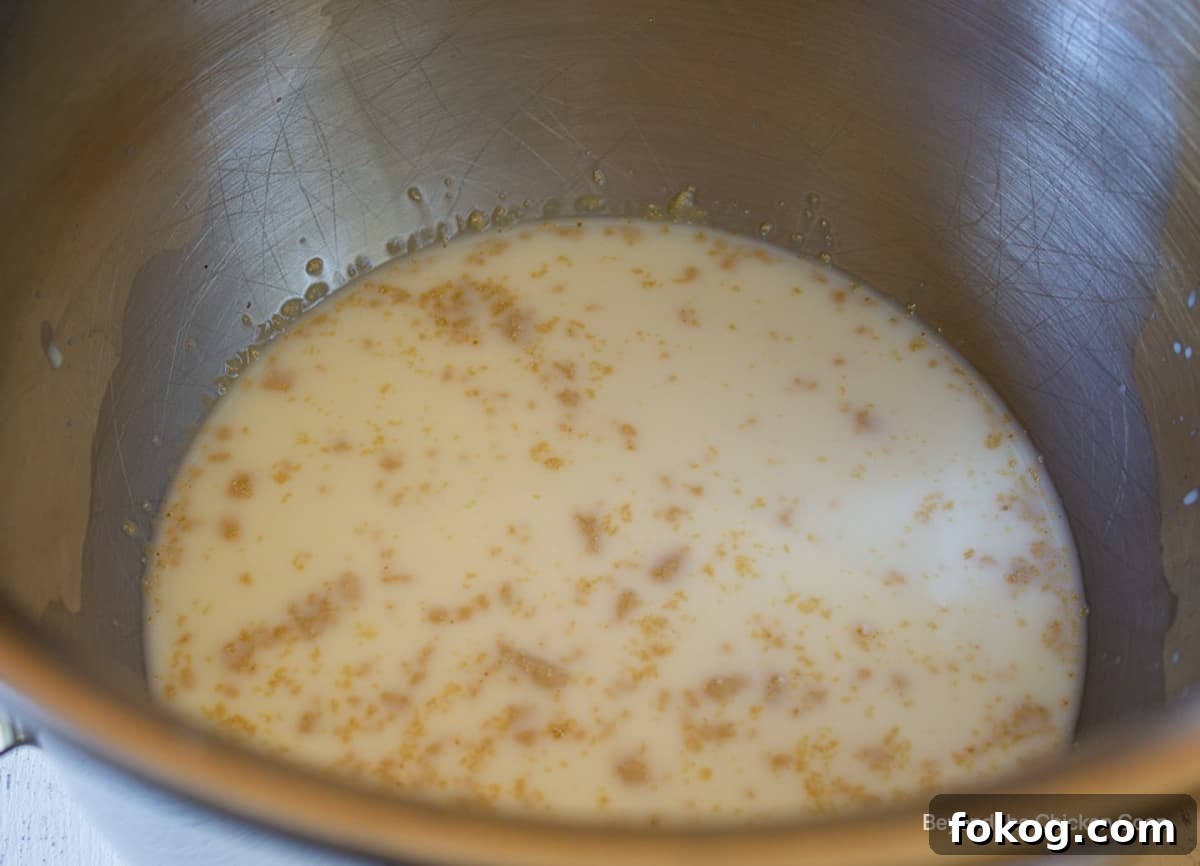
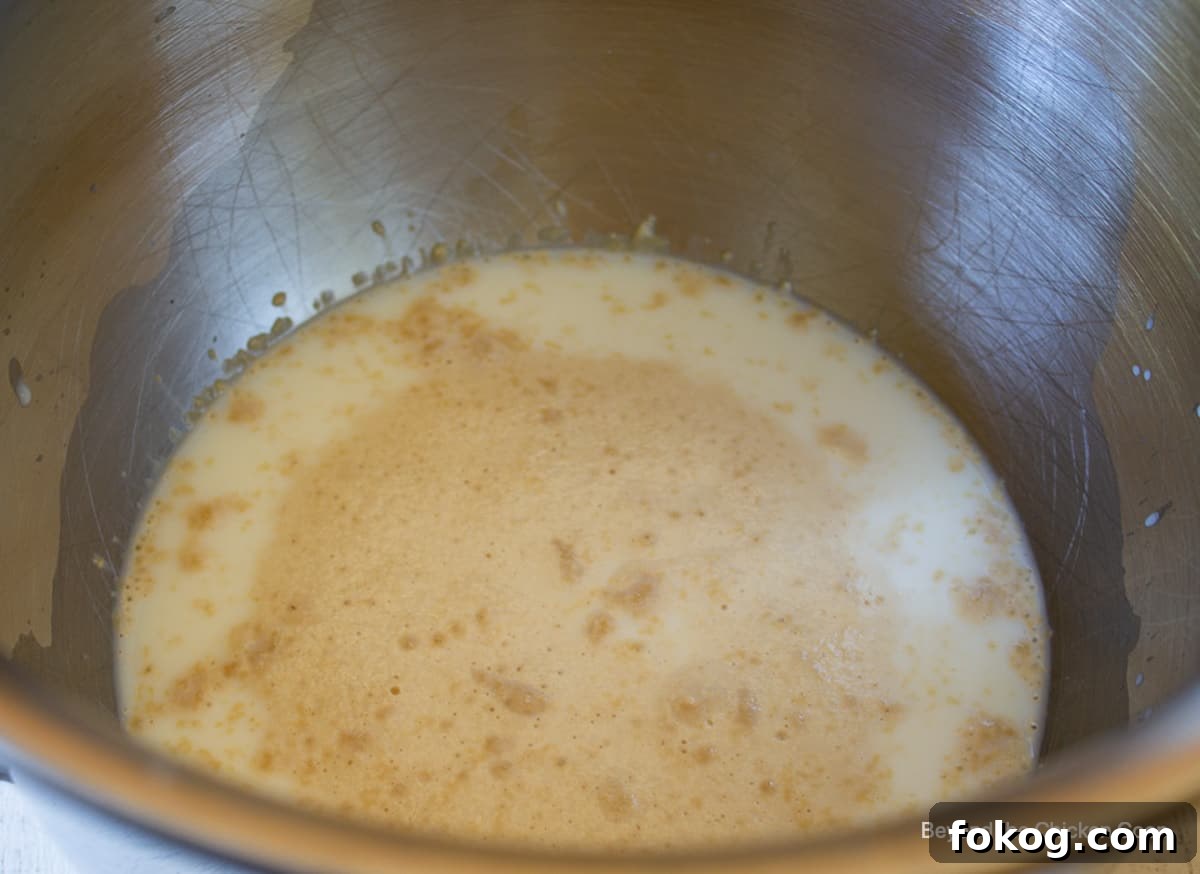
4. In the bowl of a stand mixer, combine warmed milk, yeast, and honey. Stir briefly and let sit 5 minutes to proof the yeast.
6. Add potato water, mashed potatoes, oil, salt, and 2 cups of flour. Stir to combine.
7. Continue adding flour 1 cup at a time, mixing until the dough forms a ball and pulls away from the sides of the bowl. You may not need all the flour.
8. Knead in the mixer with a dough hook for 5–8 minutes until smooth and elastic.
9. Shape the dough into a ball and place it in a greased bowl. Cover with plastic wrap.
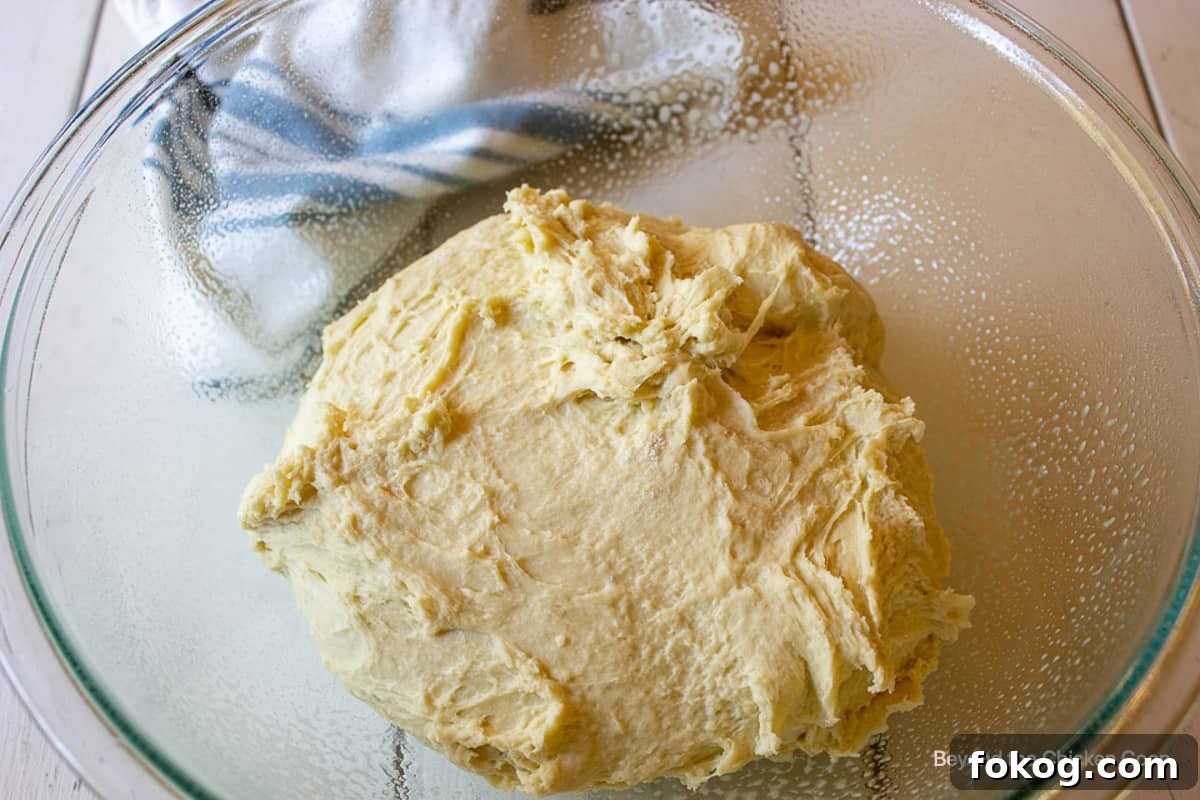
10. Let the dough rise until doubled, about 1½–2 hours depending on room temperature.
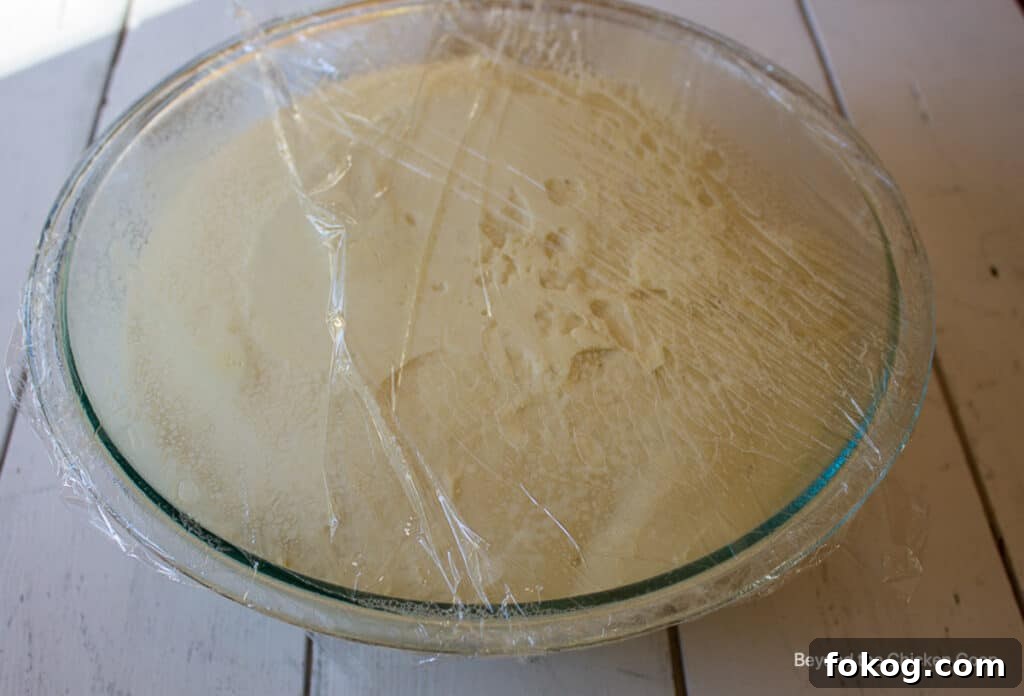
11. Gently deflate the dough. Divide it in half. Working with one half at a time, flatten into an 8 x 10-inch rectangle.
12. Roll each piece into an oval log, pinch the seam, and tuck the ends under. Place each loaf into a greased 9×5-inch bread pan.
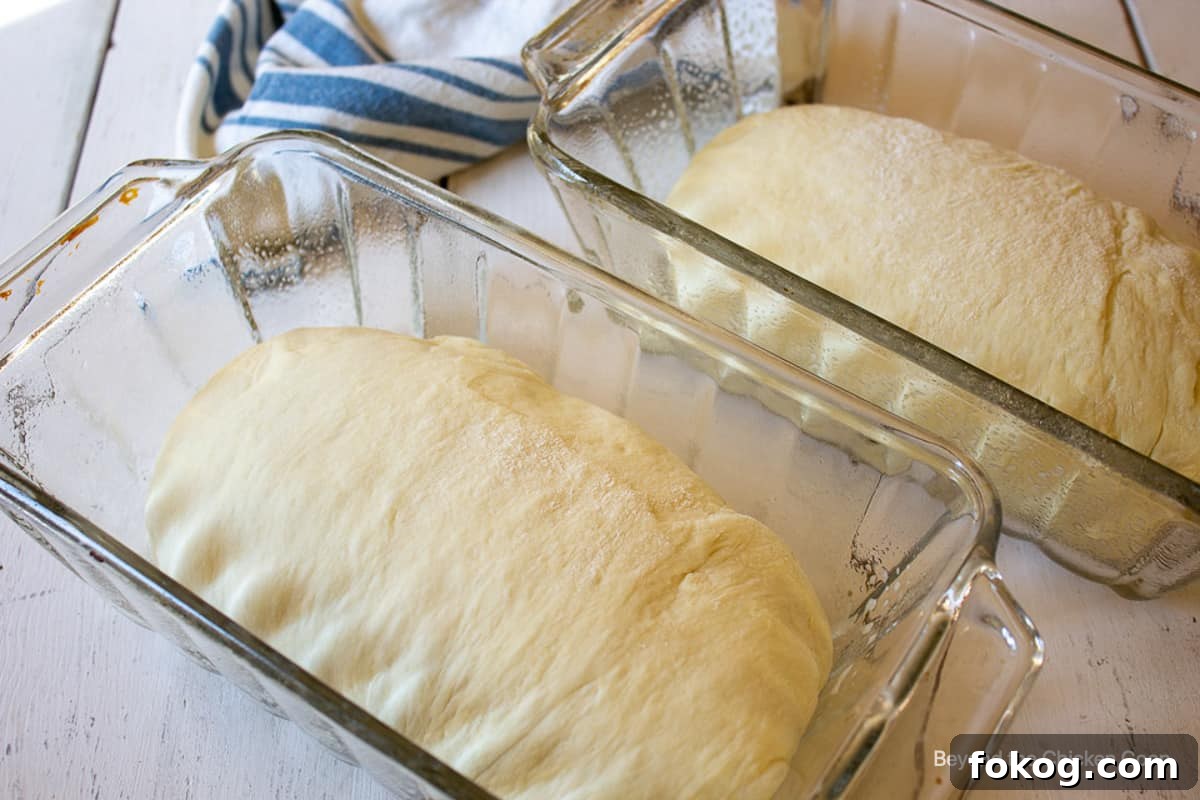
13. Cover and let the loaves rise until doubled, about 30–45 minutes.
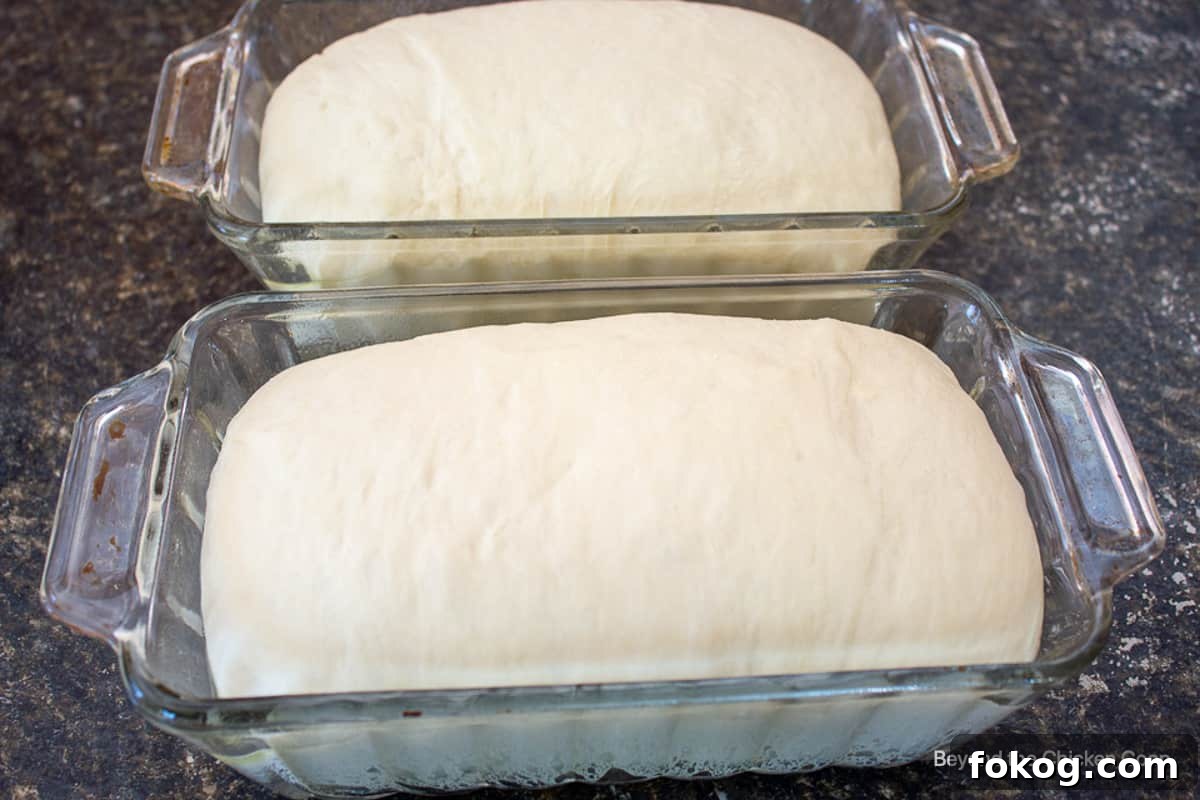
14. Bake in a preheated 350°F (175°C) oven for 40–45 minutes, until golden and cooked through.
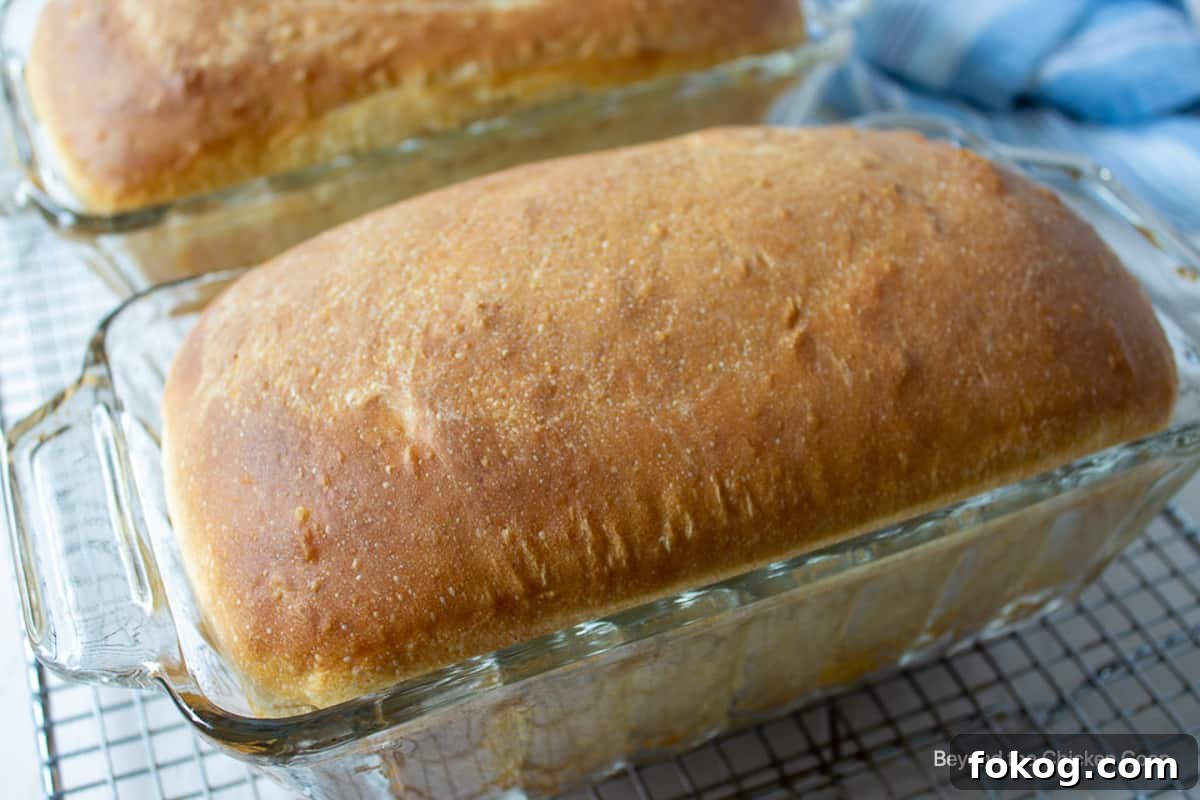
Homemade Potato Bread Recipe Tips
- Use a dough hook for easier mixing and kneading.
- Add flour gradually. Stop when the dough forms a round ball that pulls away from the bowl; you may not use all the flour called for.
- Rise times depend on room temperature—warmer environments speed rising, cooler ones slow it down.
- If you forget to save potato water, replace it with additional warmed milk.
- Warm milk to about 105–115°F. Too cool won’t activate yeast; too hot can kill it. If you don’t have a thermometer, it should feel warm but not hot on your wrist.
Tips For Storing Potato Bread
Let the loaves cool completely, then store in an airtight container or bag at room temperature for 3–4 days. For longer storage, slice and freeze the bread in a freezer-safe bag for up to 3 months—sliced loaves allow you to remove only what you need.
FAQs
You can use leftover mashed potatoes, but if they contain butter, milk, or extra salt, you may need to reduce added salt and add a bit more flour to compensate for extra moisture.
Yes. Shape the dough into 24 rolls and bake at 400°F (204°C) for 15–18 minutes.
Yes. After the loaves cool, place them in freezer-safe bags and freeze up to three months. Slicing before freezing makes it easy to thaw single portions.
No. This recipe uses regular all-purpose flour and is not gluten-free.
This bread is especially delicious toasted with honey butter. Leftover slices can be transformed into crunchy homemade croutons.
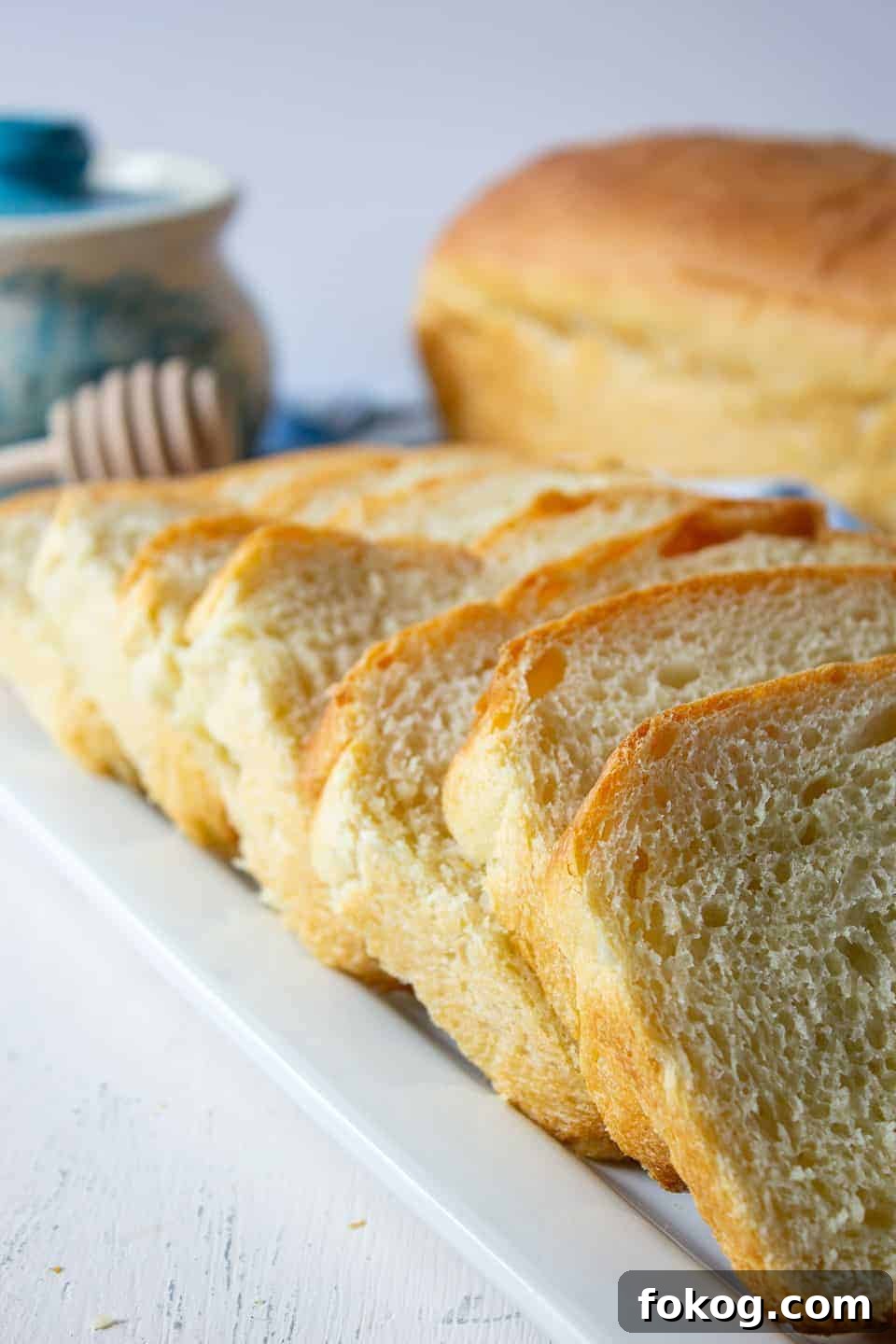
Other great bread recipes
If you enjoy baking, try other breads such as pumpkin seed bread, English muffin bread, honey oat bread, multigrain bread, white sandwich bread, or homemade pita.
If you make this recipe, please leave a comment and share a photo on Instagram @beyondthechickencoop.
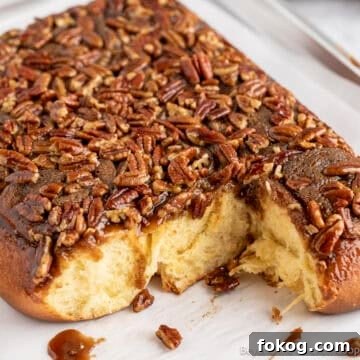
 Pecan Sticky Buns
-
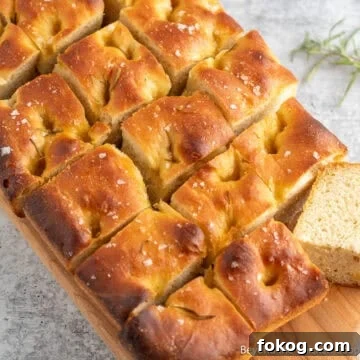
Homemade Focaccia Bread
-
Bread Glazes
-
Homemade White Bread

Potato Bread Recipe
Equipment
- Stand Mixer
- Cooling Rack
- Bread Pan
Ingredients
Potato
- 1 medium russet potato
- 1/2 cup potato water (reserved from cooking)
Dough
- 1 1/2 cups whole milk, warmed
- 2 1/4 teaspoons active dry yeast
- 1 Tablespoon honey
- 2 Tablespoons oil (vegetable or canola)
- 1 teaspoon salt
- 5 1/2–6 cups all-purpose flour
Instructions
Cooking the Potato
- Peel and cube the potato. Add to a pot, cover with water, and boil until tender. Drain, reserving the potato water.
- Mash the potato and allow it to cool to warm. You need about 1 cup mashed for the dough.
Dough
- In a stand mixer bowl, combine warmed milk, yeast, and honey. Stir and let sit 5 minutes to proof.
- Add potato water, mashed potato, oil, salt, and 2 cups flour. Stir to combine.
- Continue adding flour 1 cup at a time until the dough forms a ball and pulls away from the bowl.
- Knead with a dough hook for 5–8 minutes. Form into a ball and place in a greased bowl. Cover and let rise until doubled, about 1½–2 hours.
Shaping and Baking
- Gently deflate the dough. Divide in half and flatten each portion into an 8 x 10-inch rectangle. Roll into oval logs, pinch seams, and tuck ends under.
- Place each loaf in a greased bread pan. Cover and let rise until doubled, 30–45 minutes.
- Bake at 350°F for 40–45 minutes. Cool 5–10 minutes in the pan, then remove to a cooling rack and cool completely before slicing.
Notes
- Use a dough hook for mixing and kneading.
- Because flour absorption varies, add flour gradually and stop when the dough forms a round ball.
- Rise times vary with temperature.
- If you forget the potato water, use additional warmed milk.
- Warm milk should feel warm but not hot—about 105–115°F.
Nutritional Disclaimer:
Nutritional information is an estimate. For precise values, calculate using the exact ingredients you use with your preferred nutrition calculator.
Nutrition
Calories: 137 kcal
Carbohydrates: 25 g
Protein: 4 g
Fat: 2 g