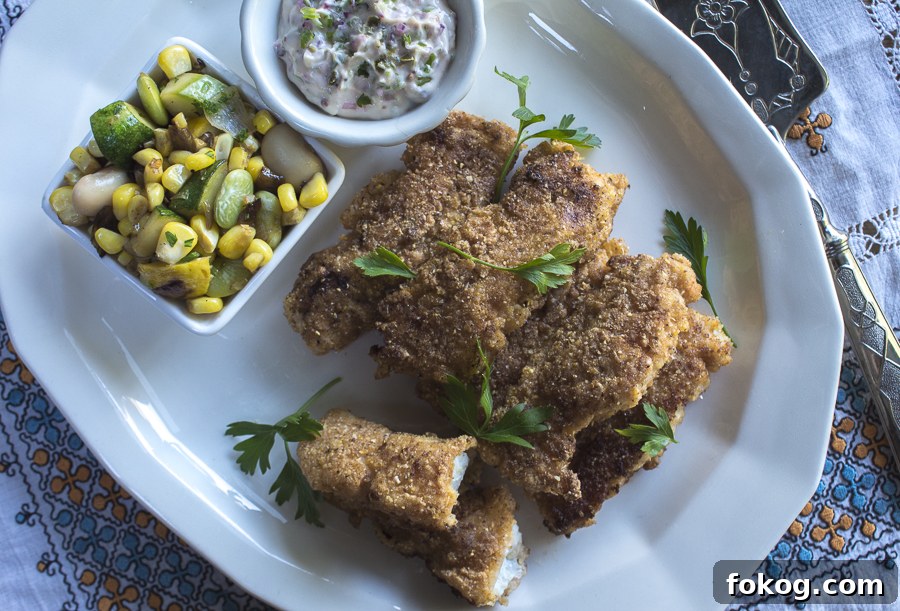
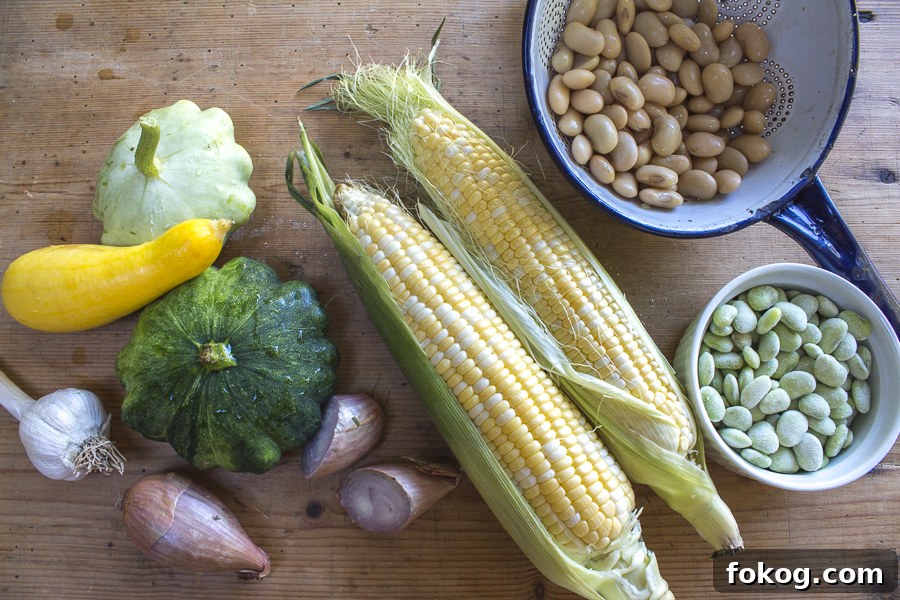
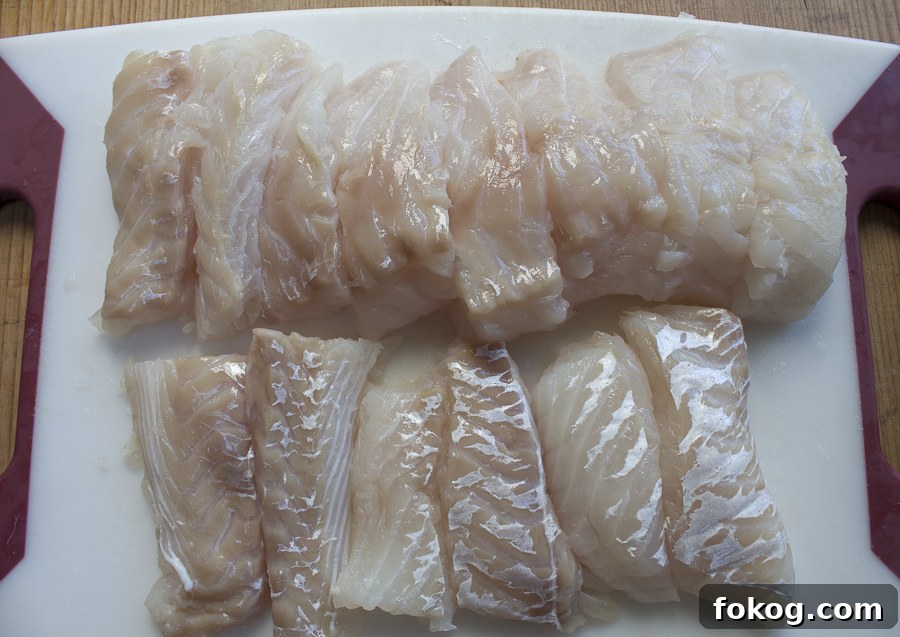
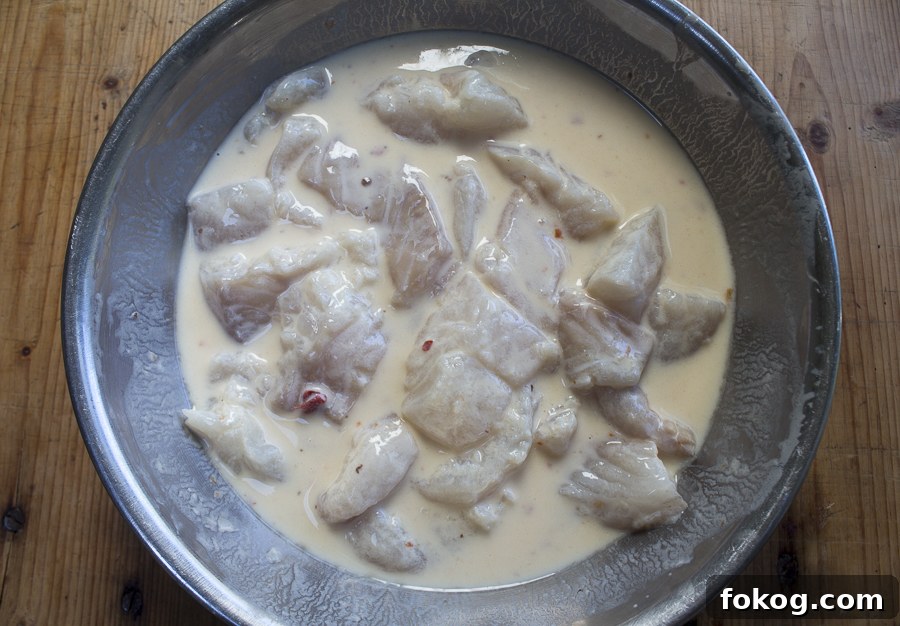
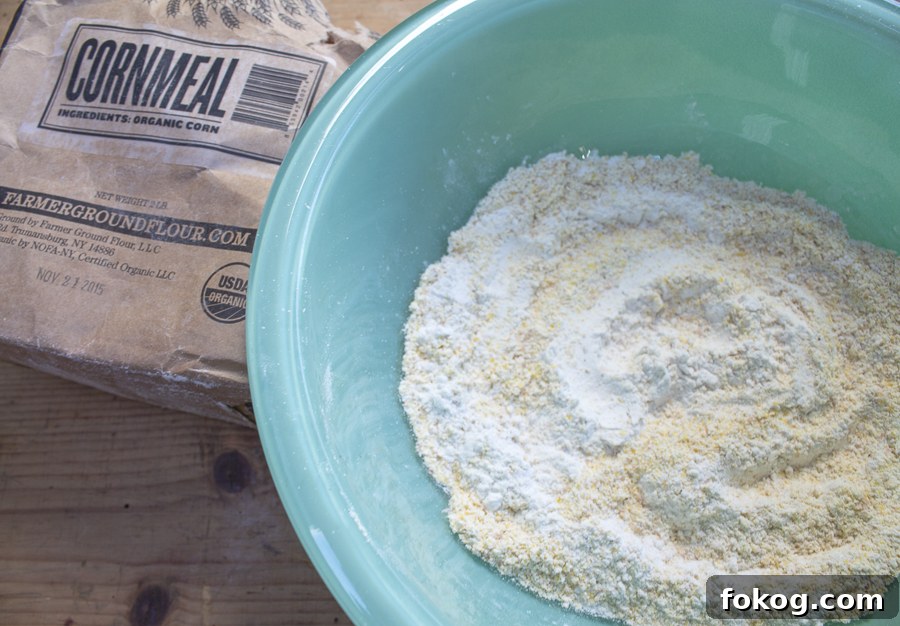
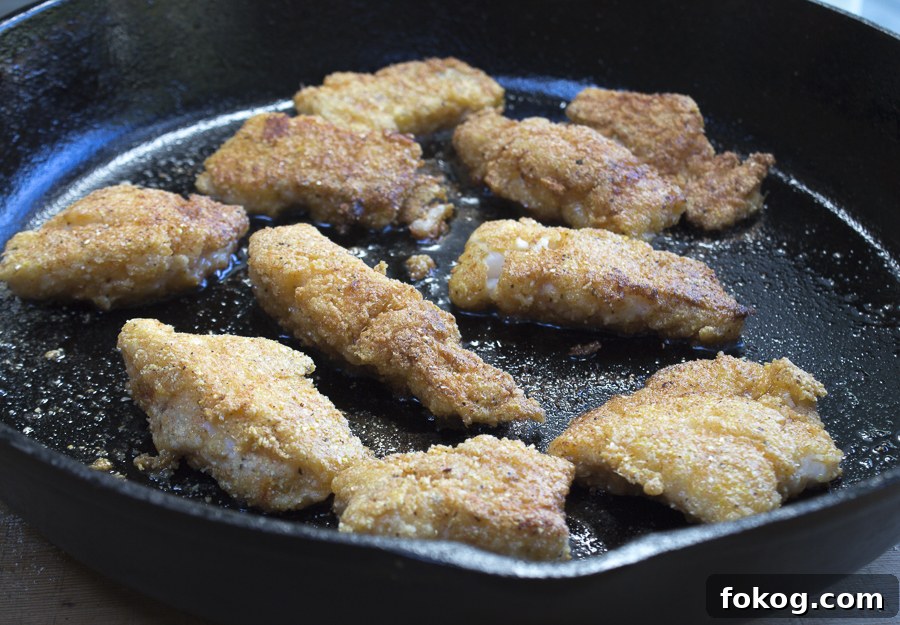
Crisp fish marinated in spiced buttermilk and coated in organic cornmeal is pan-fried and served with a skillet succotash of lima beans, fresh corn, zucchini and caramelized shallots.
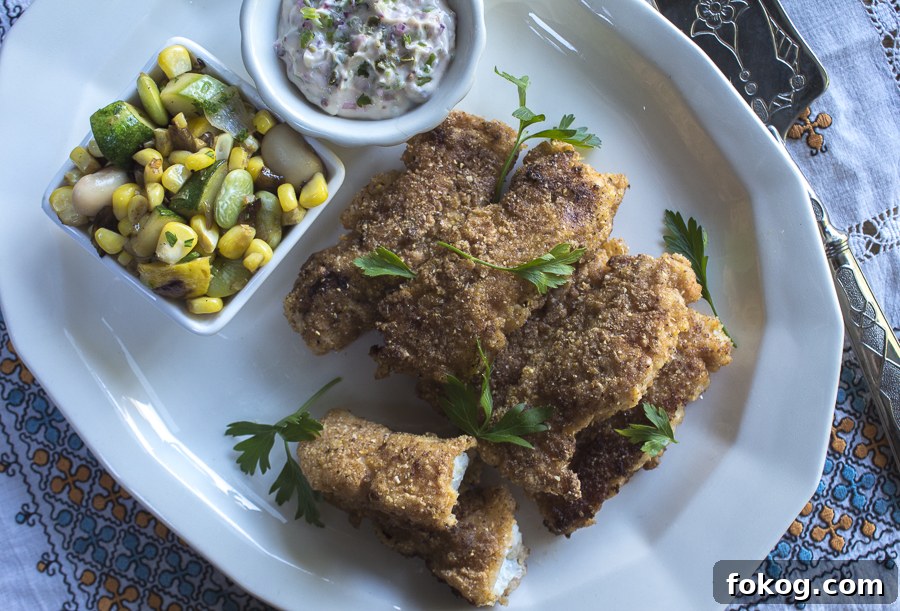
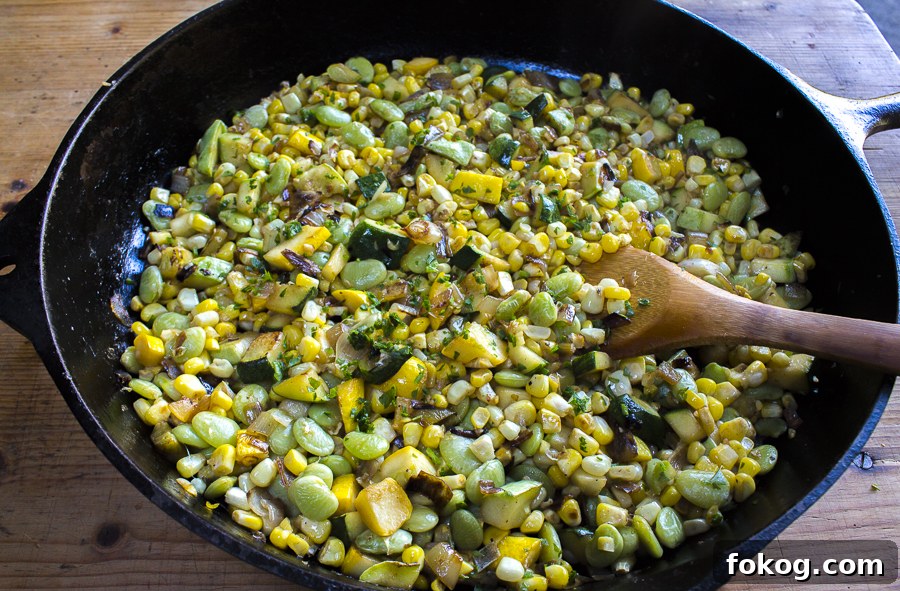
A delightful New England-style supper that showcases summer produce and fresh seafood.
Succotash highlights one of my favorite summer vegetables: sweet, in-season corn. Paired with protein-rich lima beans, the dish balances starch and plant-based protein to create a nutritious, satisfying plate. Together they deliver fiber, vitamins, minerals and antioxidants.
A short trip that inspired this post:
Last weekend, when late-summer temperatures were mild, I visited Narragansett, Rhode Island. I planned to browse the fish markets in Galilee, an authentic working fishing village, and decide what to prepare next for the blog. Fish coated in cornmeal came to mind, and a quick vegetable sauté seemed like the perfect accompaniment.
I discovered that succotash has origins with the Narragansett and other Native peoples, who prepared mixtures of local ingredients. While exploring, I even found and photographed Succotash Road in Narragansett — a picturesque coastal spot where beach plums sway and boats dot the bay. If you’re in Galilee, Narragansett Bay Lobsters, Inc. is a reliable source for fresh, off-the-boat seafood.
This menu is simple and complete: fresh fish marinated in buttermilk, dredged in spiced cornmeal and pan-fried using less oil than deep-frying, accompanied by a skillet succotash and a modern Creole tartar sauce. The components can be prepared gluten-free by using gluten-free flour.
About Succotash:
The name comes from Narragansett words such as m’sick-quatash and sohquttahhash, referring to fragments or boiled corn. Early recipes mixed corn kernels with beans and other available ingredients — often onions, salt pork or bacon, and sometimes squash. Because corn and beans complemented each other nutritionally, succotash became a practical one-dish meal and a staple in New England, especially for holiday tables and during lean times like the Great Depression.
The traditional “three sisters” planting method — corn, beans and squash grown together — was practical and sustainable: corn stalks supported bean vines, squash suppressed weeds, and beans returned nitrogen to the soil to nourish the corn. This interplanting helped sustain communities for generations and is reflected in the simplicity of succotash.
Use the recipe below as a starting point and feel free to adapt it. Succotash is versatile: add edamame, black beans, tomatoes, mushrooms, okra, bacon, or fresh herbs to suit your taste. Swap ingredients seasonally or use what’s available locally to make your own version.
Enjoy,
Karen

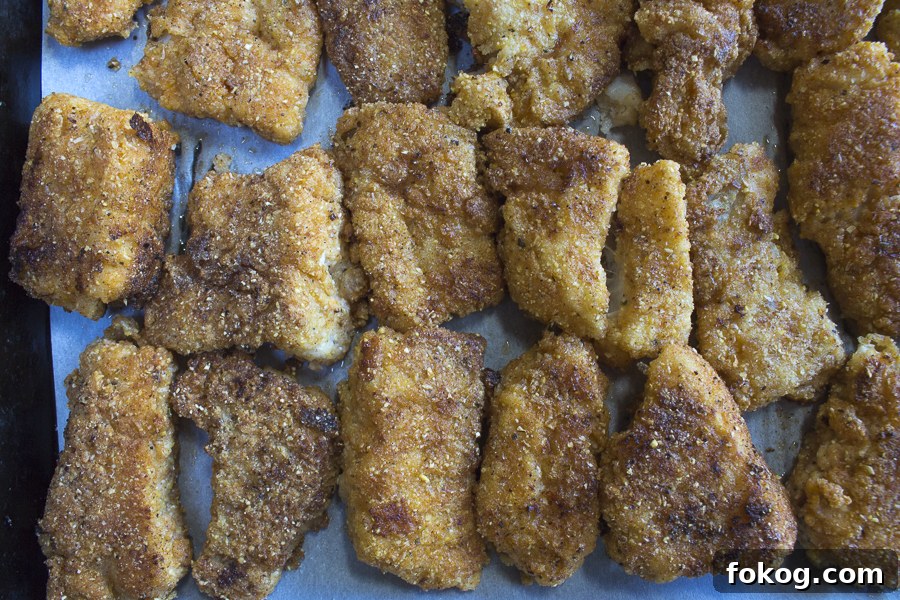
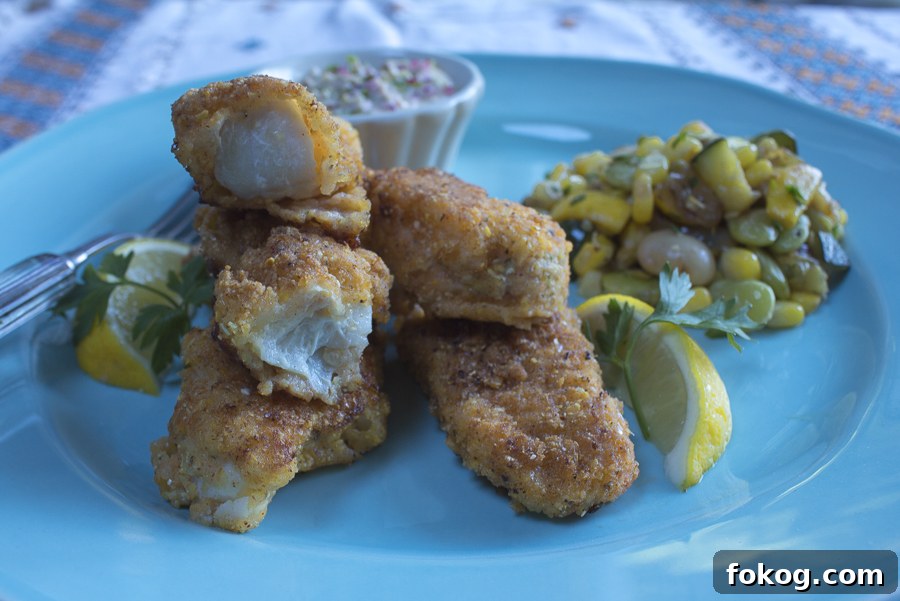
A wonderful New England-style meal