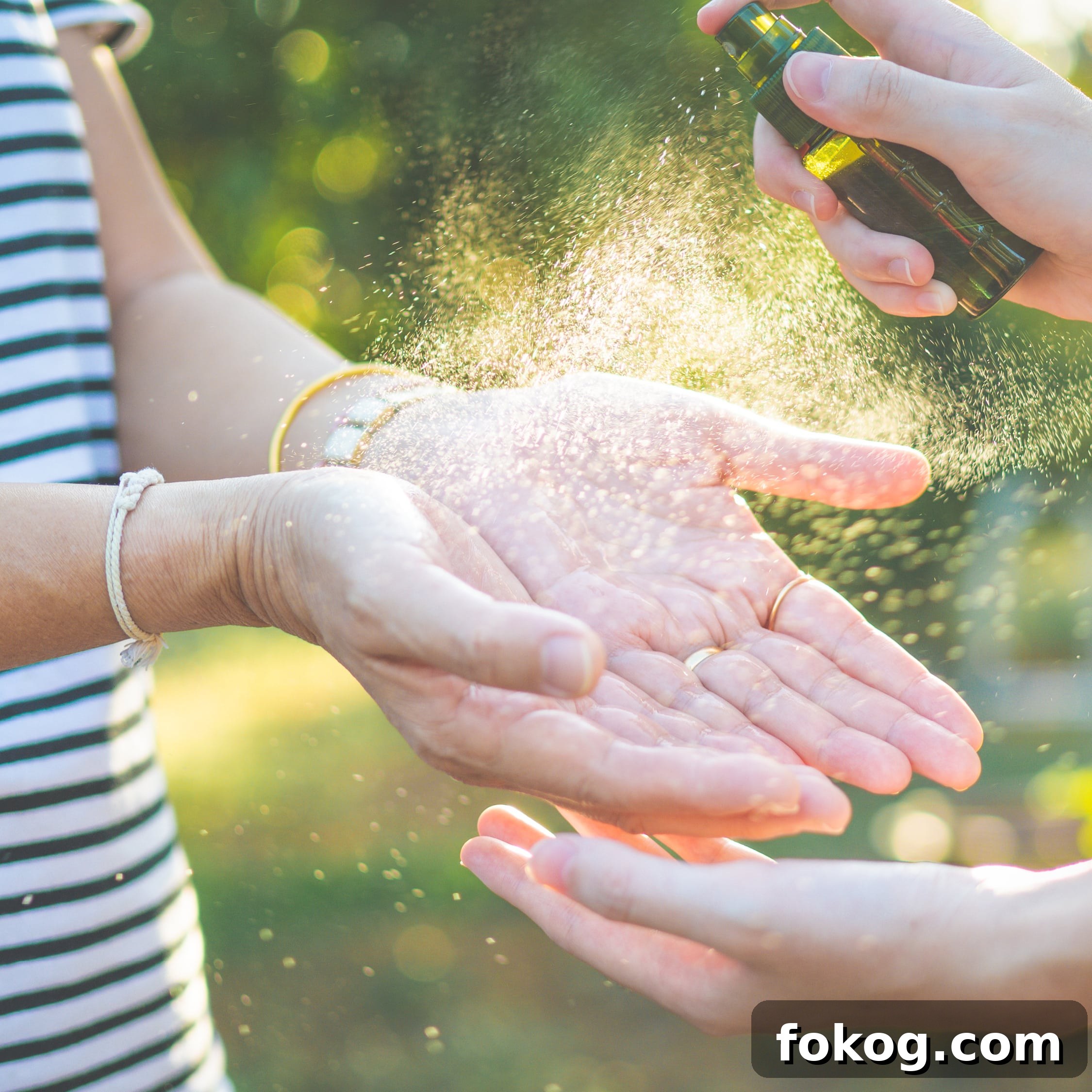

With hand sanitizer now in high demand, it helps to understand how it works, what it’s effective against, and how to use it correctly.
First, washing hands with soap and water is always the preferred option. Hand sanitizer is useful when soap and water aren’t available, but it does not clean hands in the same way as washing and should be considered a secondary measure.
Washing hands with soap and water is always the best option.
Soap removes dirt, grease, chemicals, and microbes by physically lifting and rinsing them away. Hand sanitizers, particularly alcohol-based products, deactivate many bacteria and viruses but do not remove debris or oils.
Check your hand sanitizer label. You’ll often see wording like “reduces” or “decreases” bacteria rather than “kills” or “cleans.” That distinction reflects what sanitizers can and can’t do.
The active ingredient is the most critical component of any hand sanitizer. Without an effective active ingredient at the proper concentration, the product won’t reliably reduce microbes.
Common active ingredients approved by regulators include ethyl alcohol (ethanol), isopropyl alcohol (isopropanol), and benzalkonium chloride. Benzalkonium chloride is used in some formulations, but it may be less effective against certain germs and has been linked to concerns about resistance. This article focuses on alcohol-based sanitizers, which are the most widely recommended.
Ethyl alcohol is the same type of alcohol found in alcoholic beverages, but beverage alcohols are far too weak to serve as sanitizers. Isopropyl alcohol is commonly sold as rubbing alcohol in concentrations such as 70% or 99%. Of the available alcohols, ethanol and isopropanol offer the best combination of safety and effectiveness for hand sanitizing when used at the right concentrations.
How Alcohol-Based Hand Sanitizer Works
Alcohol-based hand sanitizers at appropriate concentrations reduce many bacteria and viruses on skin. They work by targeting the outer layers of microbes.
Bacteria are living cells protected by a membrane made of lipids and proteins. Many viruses are enveloped by a similar lipid-protein layer. Alcohol molecules are amphiphilic — one part attracted to water and the other attracted to fat. The fat-loving portion disrupts the lipids in bacterial membranes and viral envelopes, effectively dissolving and breaking apart those outer layers. Alcohol also denatures proteins, disrupting the structure and function of proteins in and on microbes. Together, these actions inactivate many bacteria and enveloped viruses.
However, alcohol does not work equally well against all pathogens. Non-enveloped viruses (such as norovirus), certain parasites like Cryptosporidium, and bacterial spores (for example, Clostridium spores) are resistant to alcohol. Hand sanitizers also do not remove dirt, oils, or chemicals; heavy soil can prevent the sanitizer from reaching microbes. That is another reason soap and water are often better.
How to Use Hand Sanitizer Effectively
Health authorities agree on a few simple steps to maximize sanitizer effectiveness:
- Apply enough product to thoroughly wet all surfaces of your hands, including palms, backs of hands, between fingers, and fingertips.
- Rub your hands together thoroughly until the sanitizer has completely dried.
- Do not wipe off the sanitizer while it is still wet; it must remain on your skin until it evaporates to inactivate microbes.
Three Common Mistakes When Using Hand Sanitizer
- Using too little product
- Rubbing for an insufficient time
- Wiping or rinsing the sanitizer off before it dries
Using a very small amount to conserve sanitizer can create a false sense of security. If you don’t coat and rub your hands for the recommended time, the sanitizer may not be effective.
Why 60% and Not 100% Alcohol
Regulatory guidance recommends alcohol-based sanitizers contain at least 60% ethyl alcohol or 70% isopropyl alcohol. It might seem that higher concentrations would be better, but very high concentrations evaporate too quickly from the skin to fully inactivate microbes. Water present in mid-range concentrations helps the alcohol remain on the skin longer and improves penetration. Extremely high concentrations are also excessively drying and can damage skin, increasing the risk of irritation and infection. Conversely, concentrations below recommended levels are too weak to reliably reduce many pathogens.
During shortages, some DIY recipes circulated using beverage alcohols like vodka, but most of those contain less than 40% alcohol and are ineffective as sanitizers. Use such alcohols in a cocktail, not as hand sanitizer.
The Problems with Making Your Own Hand Sanitizer
Regulators do not advise individuals to make their own sanitizers because home formulations can easily be too weak or unsafe. Incorrect mixtures can give a false sense of protection or cause harm such as skin burns when inappropriate ingredients are used.
What’s with Methanol and the FDA List of Hand Sanitizers Not to Use?
Methanol (methyl alcohol) is toxic to humans and has been found as a contaminant in some hand sanitizer products. Exposure to methanol can cause serious harm, including vision loss, organ damage, and death. Because methanol can be present in mislabeled products, regulators have published lists of products consumers should avoid. To reduce risk, buy from trusted brands and never ingest hand sanitizer.
Some products have also been removed from recommended lists because they contain insufficient alcohol concentrations, which reduces effectiveness and may lead to false confidence in protection.
Why Does a Lot of Hand Sanitizer Smell So Bad?
Many manufacturers entered the hand sanitizer market to meet demand, and products vary widely in quality and scent. Safety rules require that ethanol used in sanitizers be denatured to discourage ingestion. Denaturants make the alcohol unpalatable and can affect smell. Some manufacturers add inexpensive or harsh denaturing agents that result in strong, unpleasant odors.
How to Buy Good Hand Sanitizer
- Read ingredients. Look for ethyl alcohol (ethanol) at or above 60% or isopropyl alcohol at or above 70% as the active ingredient.
- Avoid “alcohol-free” products if you’re seeking broad germ reduction; they often rely on benzalkonium chloride, which may be less effective against some pathogens.
- Avoid products listed by regulators as unsafe or contaminated, and be cautious about brands linked to recalled items.
- Be skeptical of exaggerated claims; if it sounds too good to be true, it likely is.
- Ignore marketing claims like “FDA-approved” on labels; proper regulatory status is not conveyed by that phrase and can be misused for promotion.
The Best Hand Hygiene
Washing your hands with soap and water remains the most reliable way to keep them clean. Use hand sanitizer as a convenient and effective backup when soap and water aren’t available, following the steps above for best results.
Further reading
- My Hand Sanitizer – Armed and Ready
- Traveling with Hand Sanitizer
- Handwashing How-To and How-Not-To