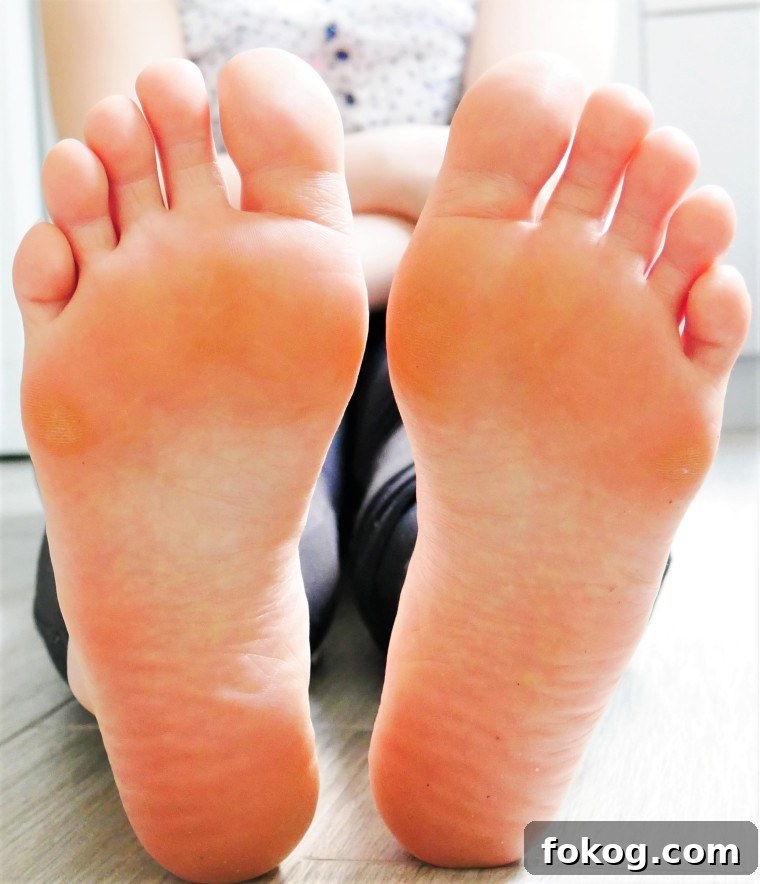
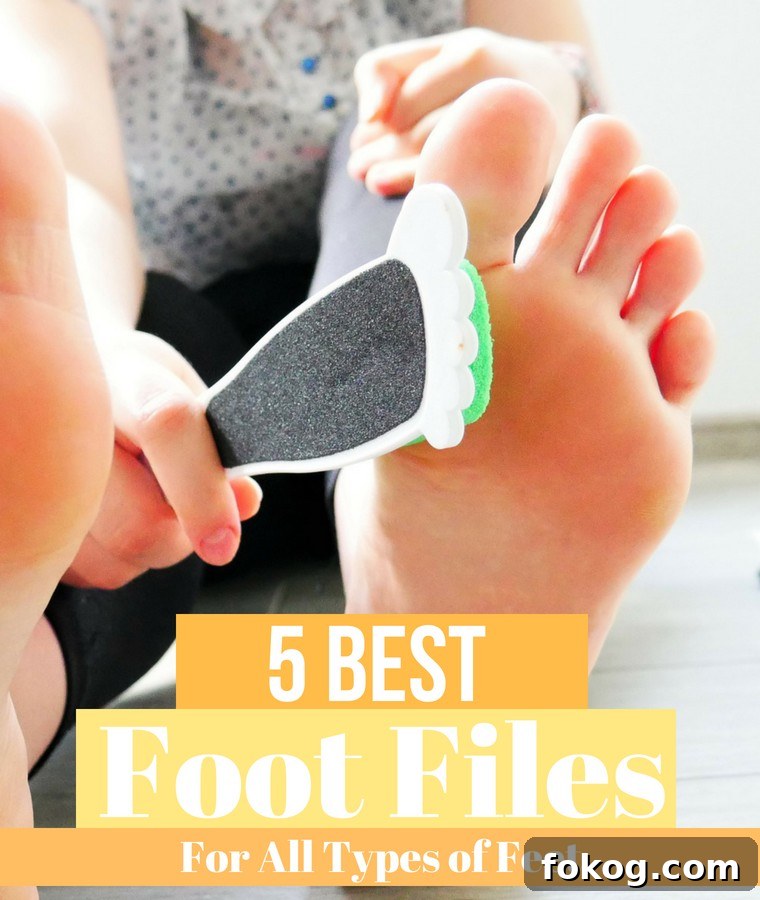
Removing dead skin from your feet can be tiring, especially when you’re dealing with stubborn calluses or painful corns. A quality foot file makes the process far easier and more efficient. Below I’ve reviewed several excellent options to help you choose the best foot file for your needs.
What’s the Best Foot File?
Feet vary from person to person, so the ideal foot file depends on your skin type and how much dead skin or callus you have. The picks below include electric and manual options, each with strengths for different situations. Read on for concise reviews and practical tips.
Foot files I recommend:
- Own Harmony Callus Remover (rechargeable electric)
- Amope Pedi Perfect Foot File (battery-powered roller)
- Microplane Colossal Pedicure File (stainless steel rasp)
- Diane European Foot File (wooden, double-sided)
- Professional Pedicure Foot File (wooden, dual-grit)
A good rechargeable electric file reduces effort and often includes interchangeable rollers for different levels of coarseness. Many rechargeable models are splash-proof for easy cleaning. One minor drawback with some devices is an unclear charge indicator, so you may need to time recharges rather than relying on a color change.
1. Amope Pedi Perfect Foot File
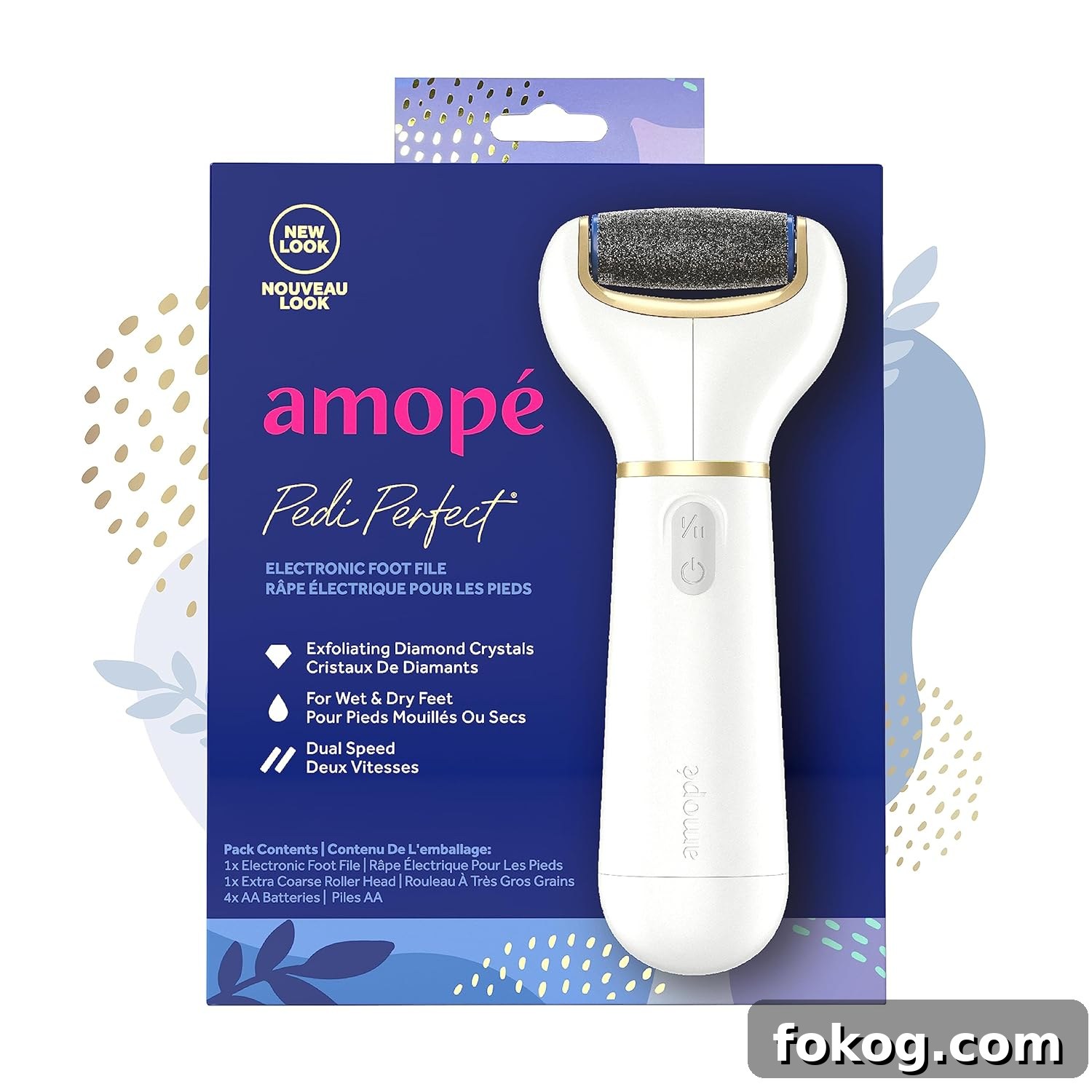
The Amope Pedi Perfect is a compact electric file that runs on AA batteries and uses replaceable rollers. It’s a good choice if filing by hand feels tiring. It excels at smoothing rough skin but can be slower than a manual rasp when removing thick calluses. The device includes a safety feature that stops the roller if pressed too hard, which prevents injury but can interrupt the process. Note: this model is not waterproof and is intended for use on dry skin only.
2. Microplane Colossal Pedicure File
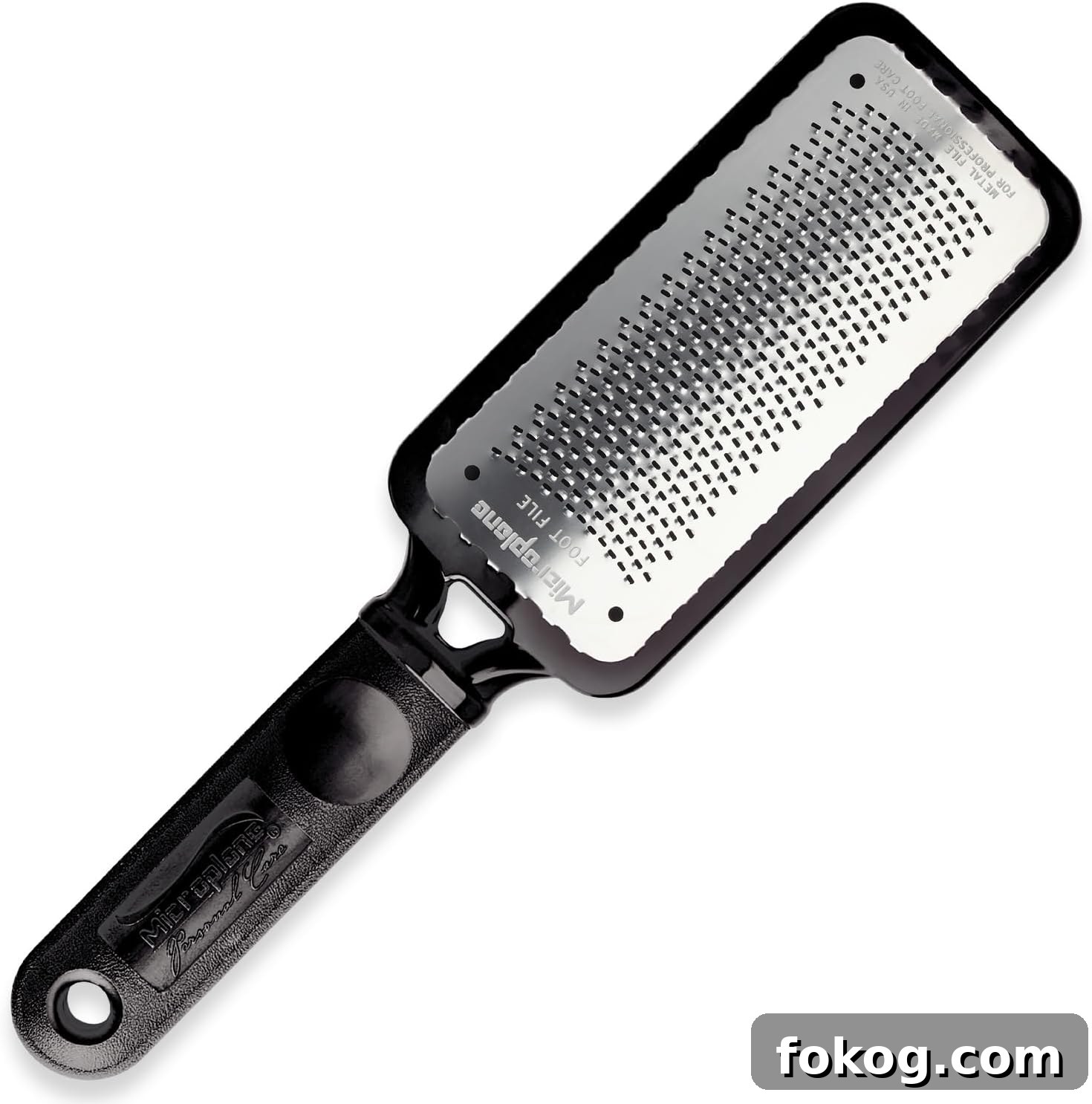
The Microplane Colossal is a stainless steel rasp with a large filing surface that feels comfortable in the hand. It’s robust, easy to clean, and suitable for wet or dry use. Because the stainless surface resists rust, it’s safe to keep in the shower. Use it cautiously to avoid over-filing—work in short sessions and check your skin between treatments.
3. Diane European Foot File
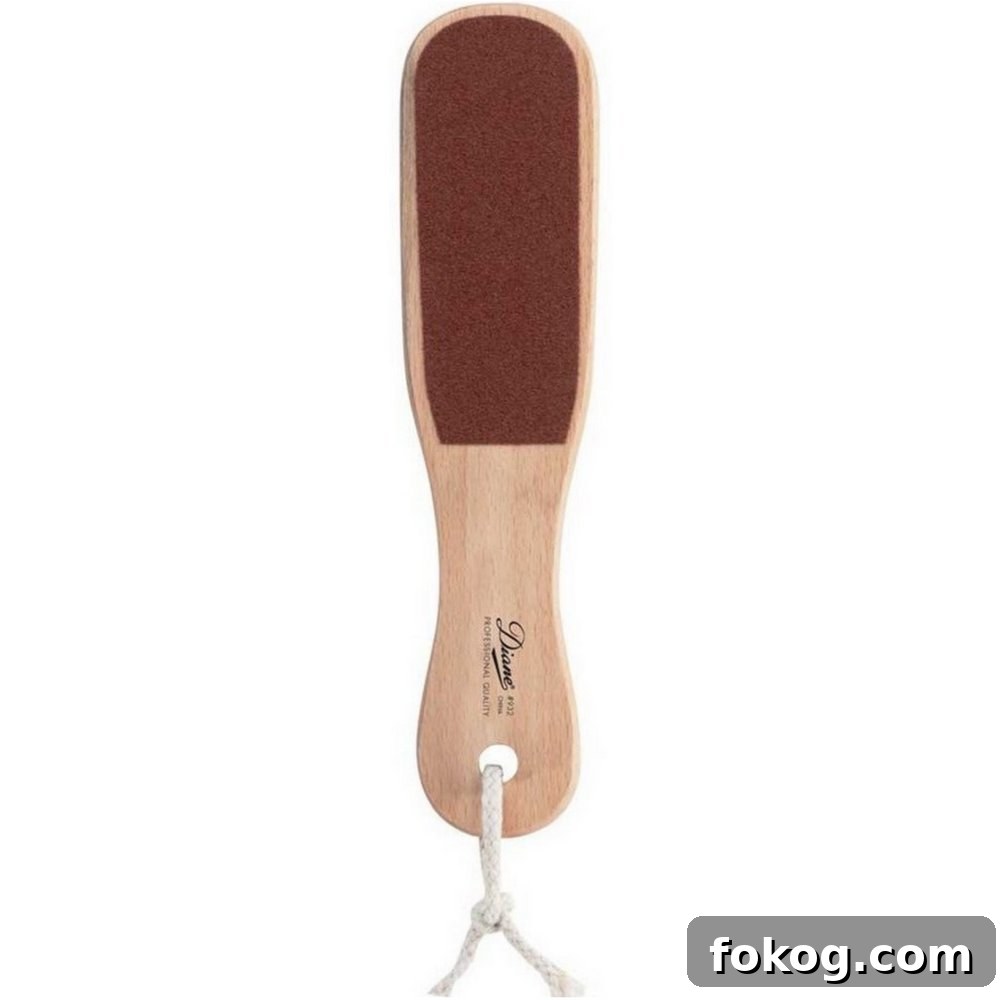
This set includes two sturdy wooden files with a coarse surface. They are durable and affordable, offering strong abrasion for more difficult areas. Their solid construction means they hold up well over time and provide reliable performance for regular maintenance.
4. Professional Pedicure Foot File
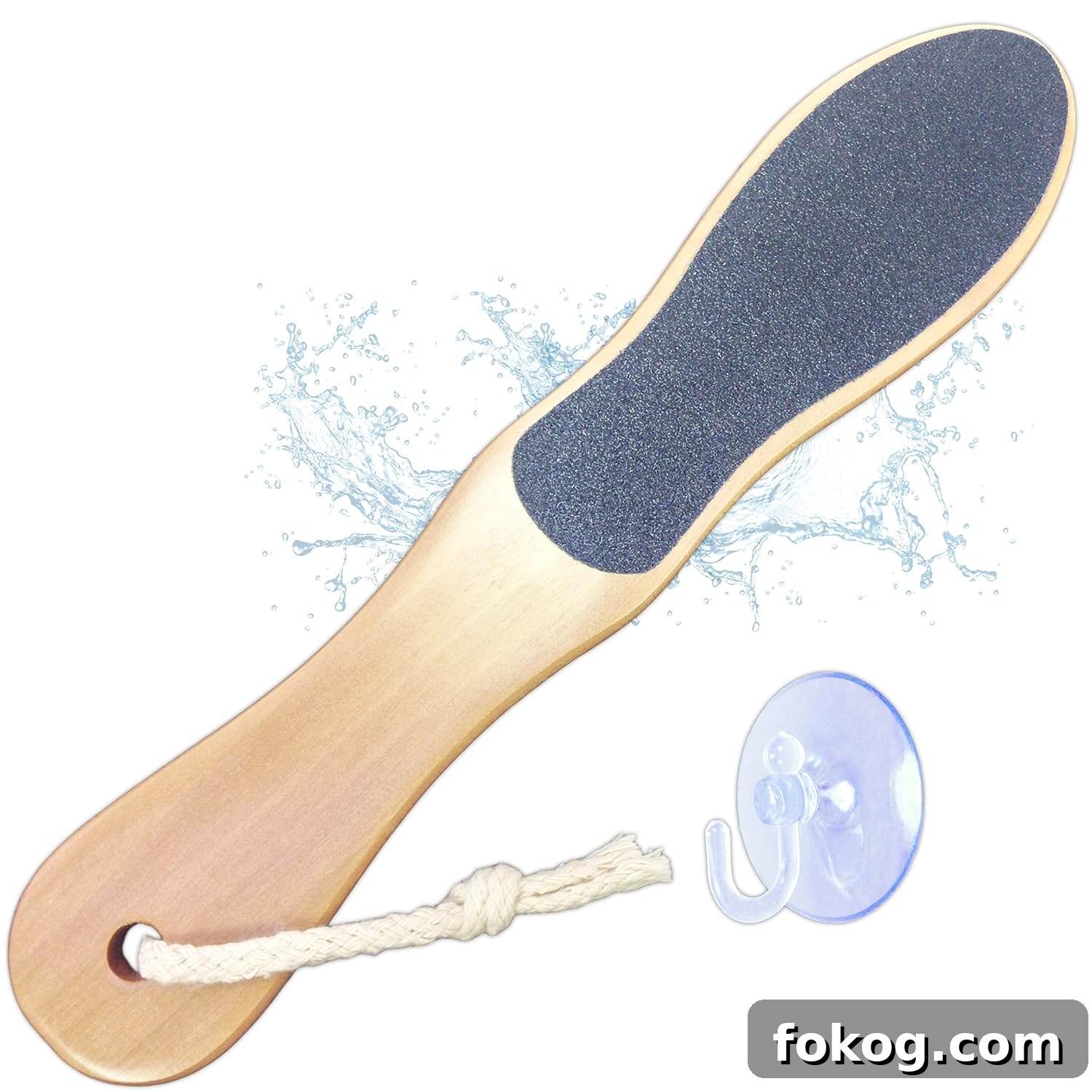
A simple, wooden double-sided file with a hanging loop for easy storage in the shower. One side is coarser for heavier calluses, while the other is finer for smoothing and finishing. Its straightforward design makes it convenient to reach and use during regular foot care.
How to Use a Foot File on Feet
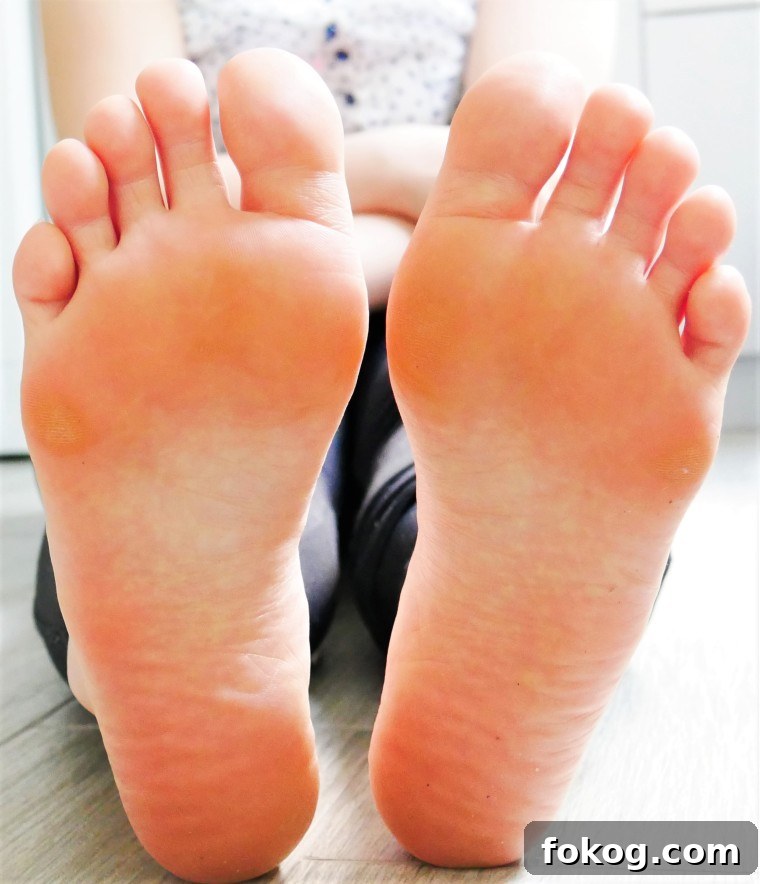
Using a foot file is simple, but always check the manufacturer’s instructions for electric models, especially regarding water exposure. Not all electric files are waterproof.
Step 1 – Soak Feet
Soak your feet in warm, soapy water to soften the skin. Adding a small amount of baking soda can help loosen dead skin. After soaking, dry your feet thoroughly before using non-waterproof devices. Applying a callus remover gel is optional.
Step 2 – Start with a Rough Side
Begin with a coarser side or roller to tackle the thickest areas. Be gentle and avoid excessive pressure—over-filing can irritate healthy skin. File conservatively, then wait a day or two to assess results before repeating.
Step 3 – Use the Foot File
Move the file back and forth across each rough area, including the ball of the foot and heels. Use steady, even strokes rather than aggressive scraping.
Step 4 – Flip It
Switch to the finer side or a finer roller to polish the skin and refine results. This helps smooth any leftover roughness without removing too much skin.
Step 5 – Moisturize
Finish by applying a moisturizer or a thicker emollient to keep skin soft and protected. Regular moisturizing helps prevent new hard skin from forming and reduces the risk of irritation or infection.
Choosing between an electric or manual foot file depends on how much effort you want to invest and how severe your calluses are. Electric files save energy and work well for regular maintenance, while manual rasps and wooden files offer control and durability. Try a method that fits your routine and skin sensitivity, and adjust frequency based on results.
If you have any specific questions about which type best suits your feet, ask and I’ll help you narrow down the choice.