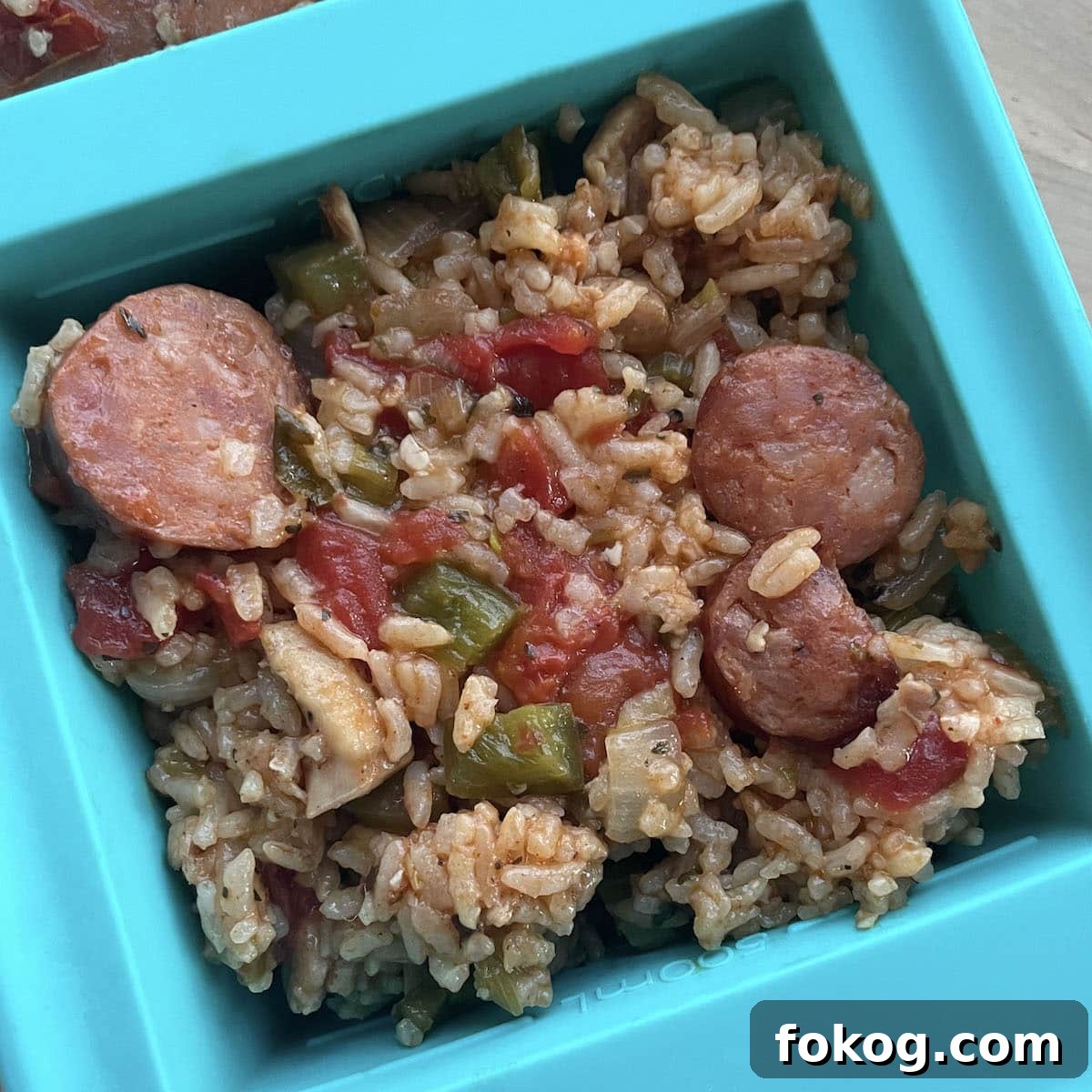
Ever make a big batch of jambalaya and have more than you can eat right away? It happens—especially when recipes serve four or more and your household is smaller. Freezing leftovers is a reliable way to stretch a single cook-up into several meals.
Jambalaya freezes and reheats very well, keeping much of its flavor and texture when stored properly. That makes it an excellent make-ahead or freezer meal for busy nights.
This guide explains how to freeze jambalaya the right way so you can enjoy this Southern classic anytime with minimal fuss.
What You Will Need
- Jambalaya (prepared and fully cooled)
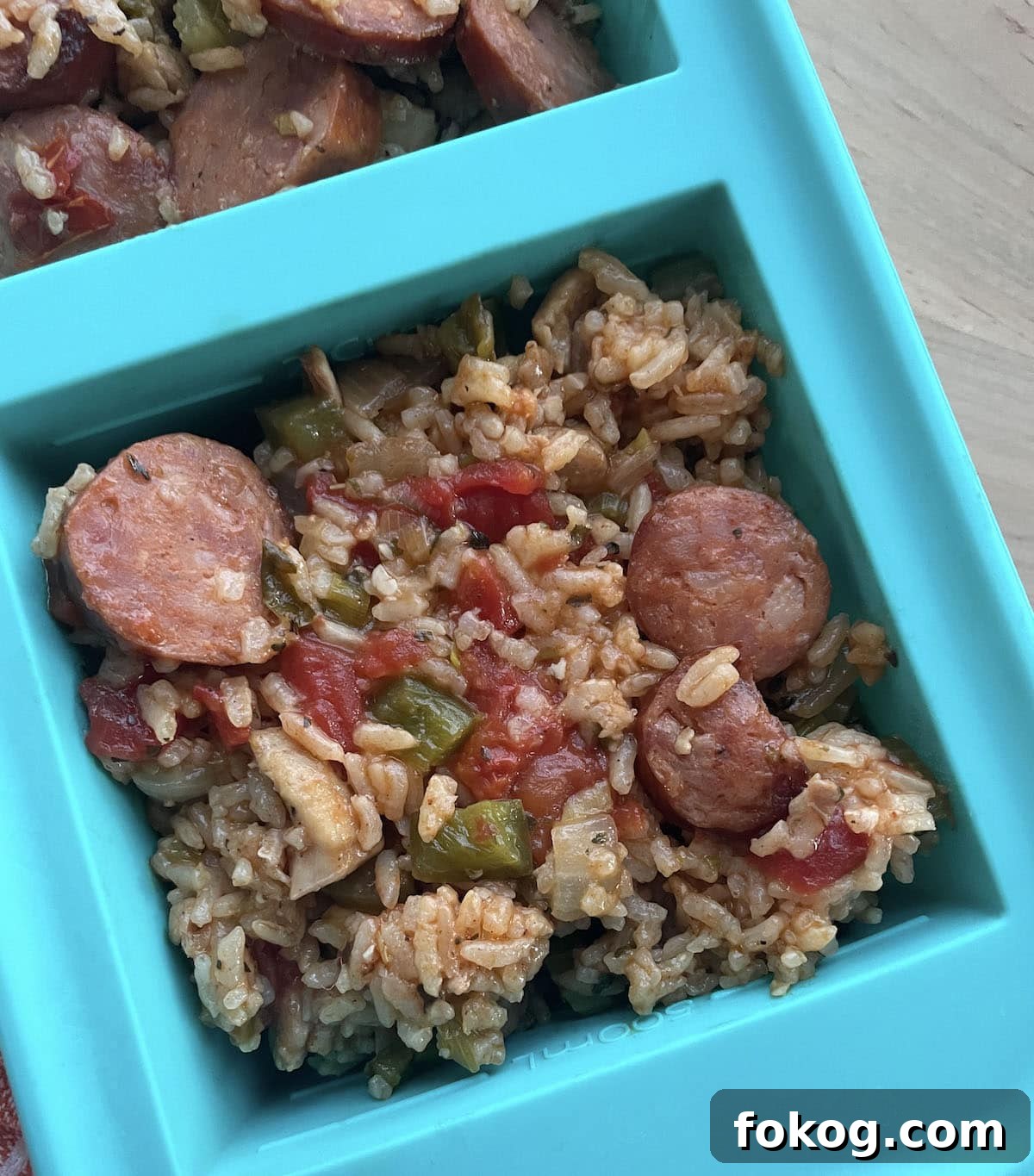
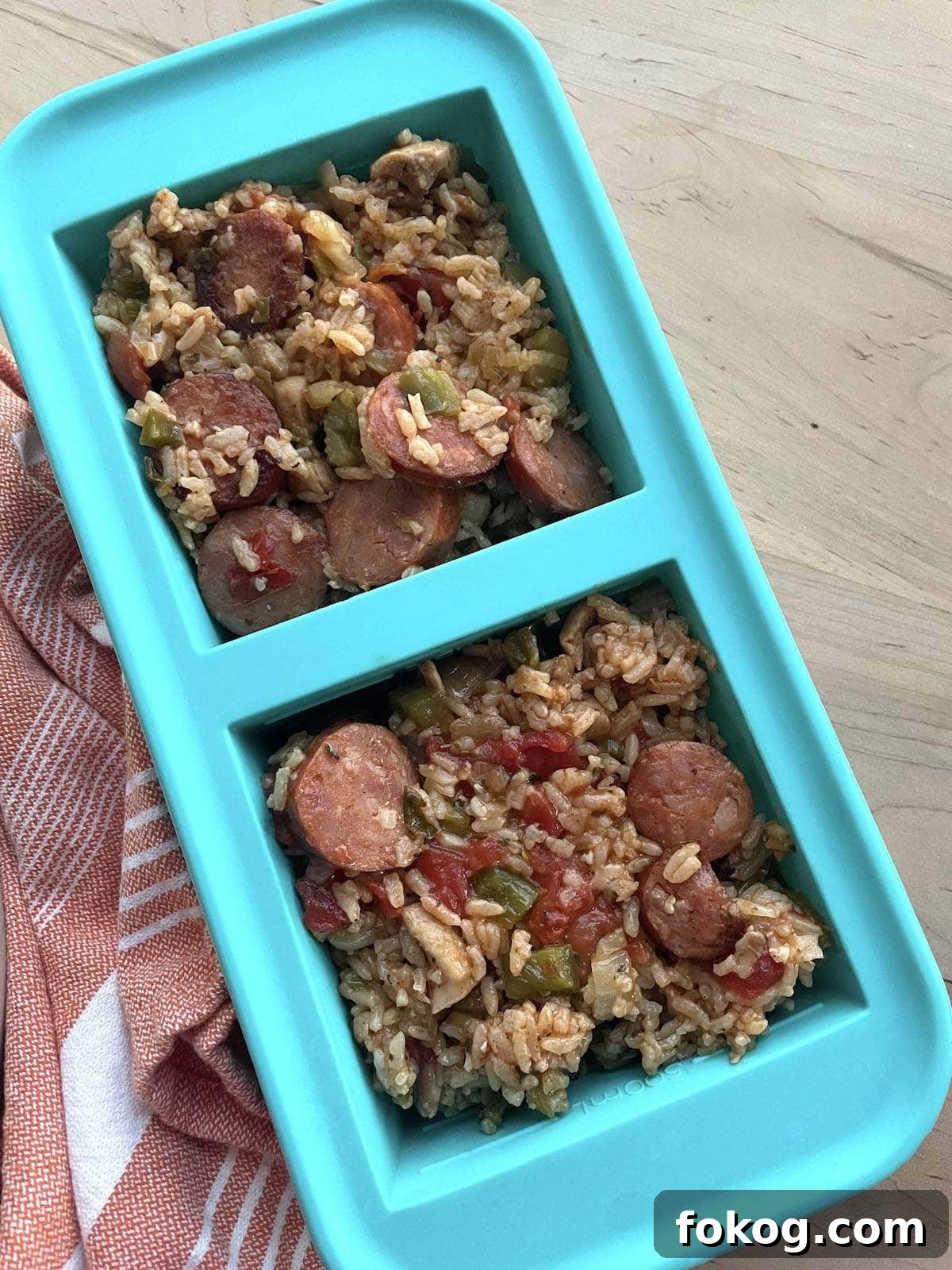
- Optional: Souper Cubes or other portion containers and a vacuum sealer for long-term storage
- Airtight containers or heavy-duty freezer bags
- Labeling materials (permanent marker or adhesive labels)
- Aluminum foil or plastic wrap for extra protection
How to Freeze Leftover Jambalaya to Preserve Taste, Texture, and Quality
1. Cook a Jambalaya You Like
Start with a jambalaya recipe you enjoy. Use your preferred combination of proteins and spices—classic Creole, Cajun, chicken-and-sausage, or seafood versions all freeze well when prepared properly.
2. Cool Completely to Prevent Mushy Rice
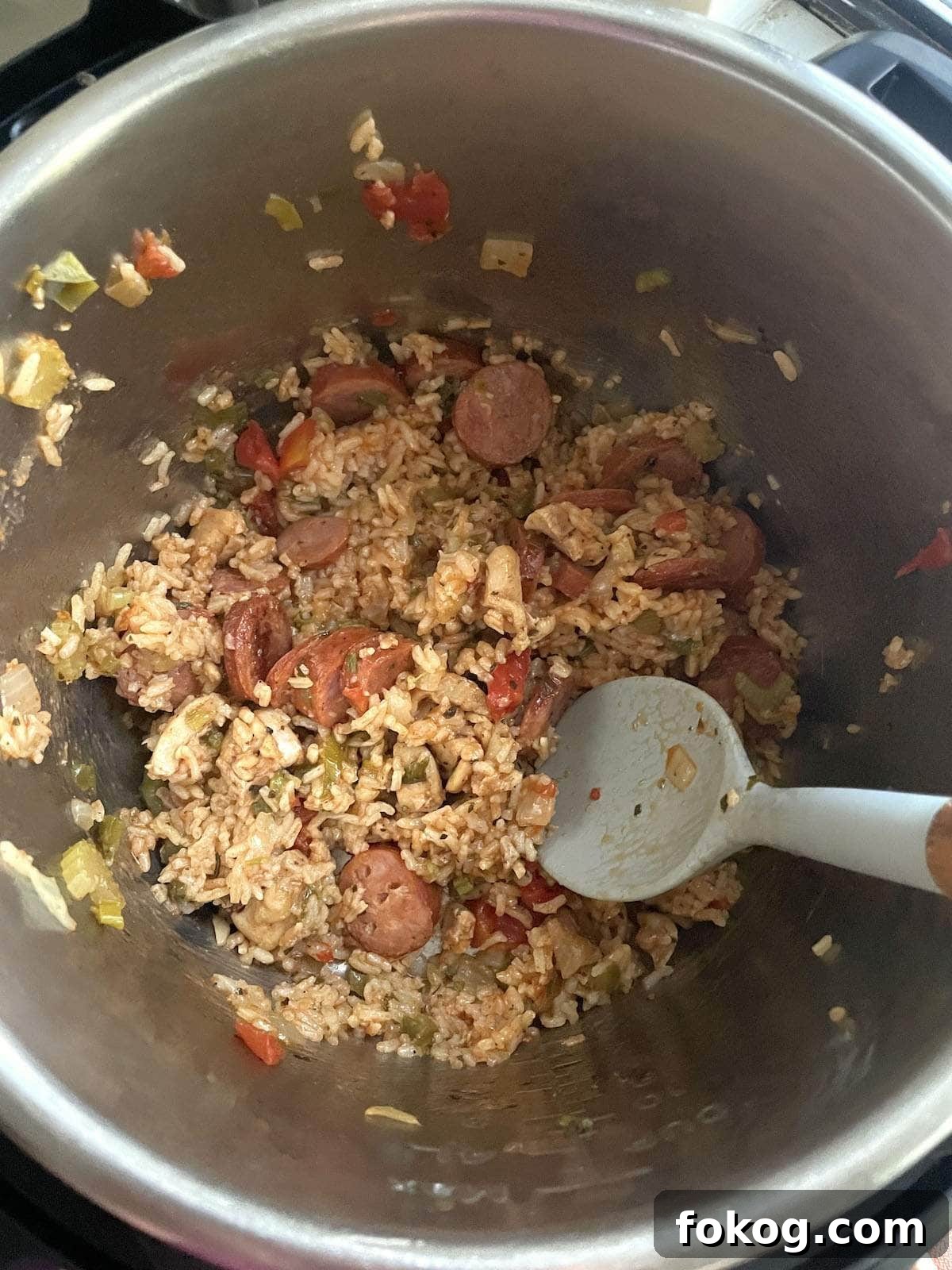
Let the jambalaya cool to room temperature before freezing. Hot food can cause uneven freezing and excess moisture, which may make the rice mushy. Allow about 30 minutes and stir occasionally to help it cool faster.
3. Choose the Right Containers
Use airtight containers or heavy-duty freezer bags to protect against freezer burn. If using containers, leave a bit of headspace to allow for expansion as the food freezes. Flat-packed freezer bags save space and freeze more evenly.
4. Portion Before Freezing
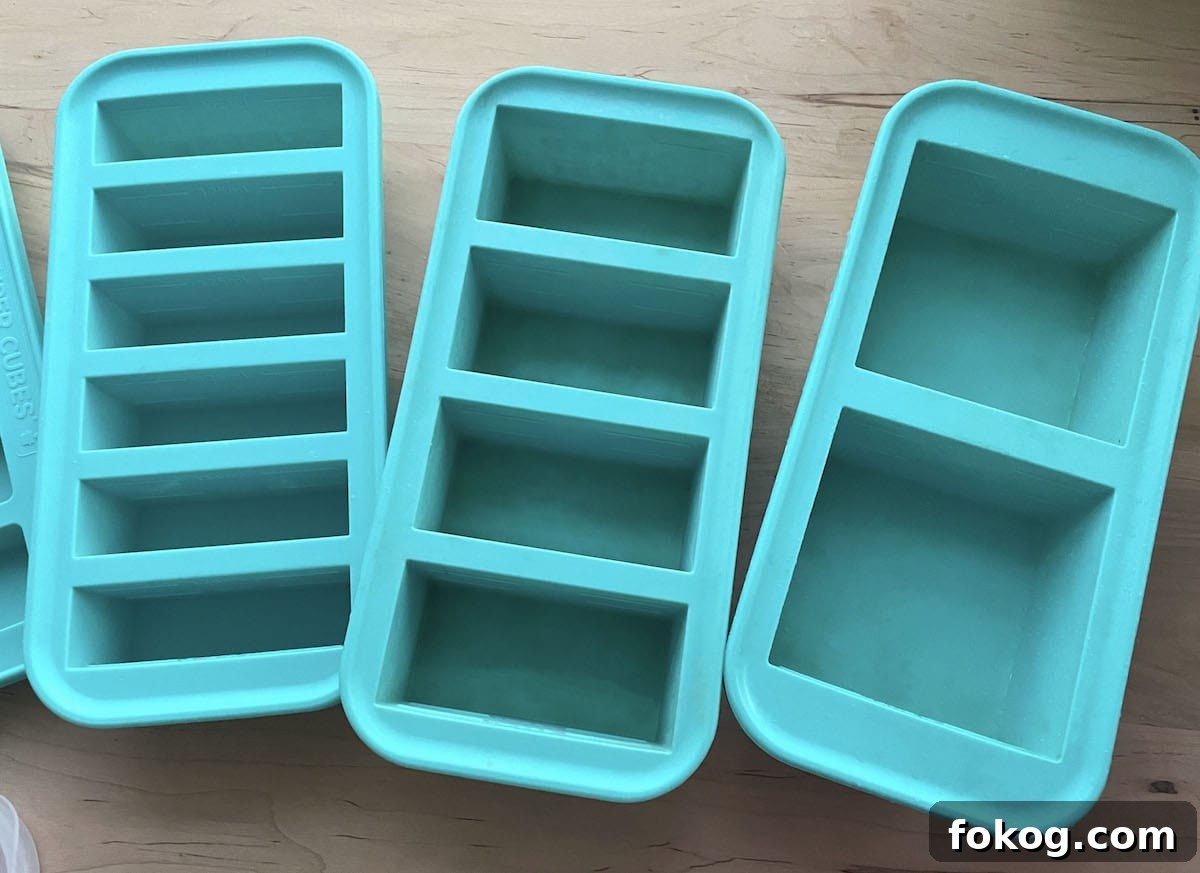
Divide the jambalaya into meal-sized portions so you only thaw what you need. One- or two-cup portions are convenient for singles and couples. Portioning first also reduces waste and speeds up thawing.
5. Seal and Label
Seal containers or squeeze air from freezer bags to minimize exposure to cold, dry air. Label each package with the date and a brief description (for example, “chicken & andouille jambalaya”) so you can track storage time.
6. Add Extra Protection
For added defense against freezer burn, cover the tops of containers with plastic wrap or aluminum foil before sealing. If you wrap individual portions, a double layer (plastic wrap then foil) offers extra protection for long-term storage.
- Tip: If using portion cubes, wrap them in plastic and then foil before placing them in a freezer bag for the best protection.
7. Freeze Properly
Lay freezer bags flat to save space and help the contents freeze evenly; stacked containers can also work. Arrange packages so air can circulate in the freezer and avoid crowding until items are fully frozen.
8. Thawing and Reheating
- Thaw: Move frozen portions to the refrigerator and let them defrost overnight for best results.
- Reheat: Warm jambalaya on the stovetop or in the microwave. Add a splash of broth or water while reheating to restore moisture and prevent the rice from drying out. You can also reheat in a small slow cooker after a brief thaw in the fridge.
To Prevent Mushy Rice
When reheating, fluff the rice gently with a fork and avoid over-stirring to preserve texture.
Finish with a garnish of sliced green onions, a sprinkle of seasoning, and hot sauce to taste. Serve with your favorite sides like garlic toast or a bowl of gumbo for a hearty meal.
How Long Can You Freeze Jambalaya?
For best quality, use frozen jambalaya within three months. Properly wrapped and stored, it can remain safe longer, but flavor and texture are best within the three-month window.
Freezing leftover jambalaya is an easy way to preserve a flavorful homemade meal and have a quick dinner ready whenever you need it.
Next time you make a big pot of jambalaya, freeze the extras and enjoy Louisiana flavor any night of the week.
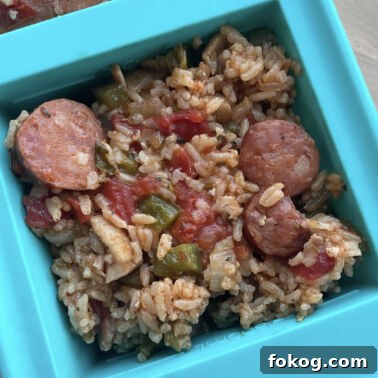
How to Freeze Jambalaya
Ingredients
- 2-3 cups leftover jambalaya
Instructions
-
Cook your favorite jambalaya recipe.
-
Allow the jambalaya to cool to prevent mushy rice.2-3 cups leftover jambalaya
-
Portion out the jambalaya leftovers into appropriate containers.
-
Seal the containers or bags tightly to prevent freezer burn and label each container with the date and contents.
-
For extra protection, cover container tops with aluminum foil or plastic wrap before sealing.
-
Place your labeled and sealed containers in the freezer.
-
For best quality, use frozen jambalaya within three months.
Notes
How to Thaw and Reheat Frozen Jambalaya
- Thawing: Transfer frozen portions to the refrigerator and defrost overnight.
- Reheating: Reheat on the stovetop or in the microwave, adding a splash of chicken broth or water to restore moisture. You can also reheat in a small slow cooker after a short fridge thaw.
Nutrition information is approximate and provided as a guide.