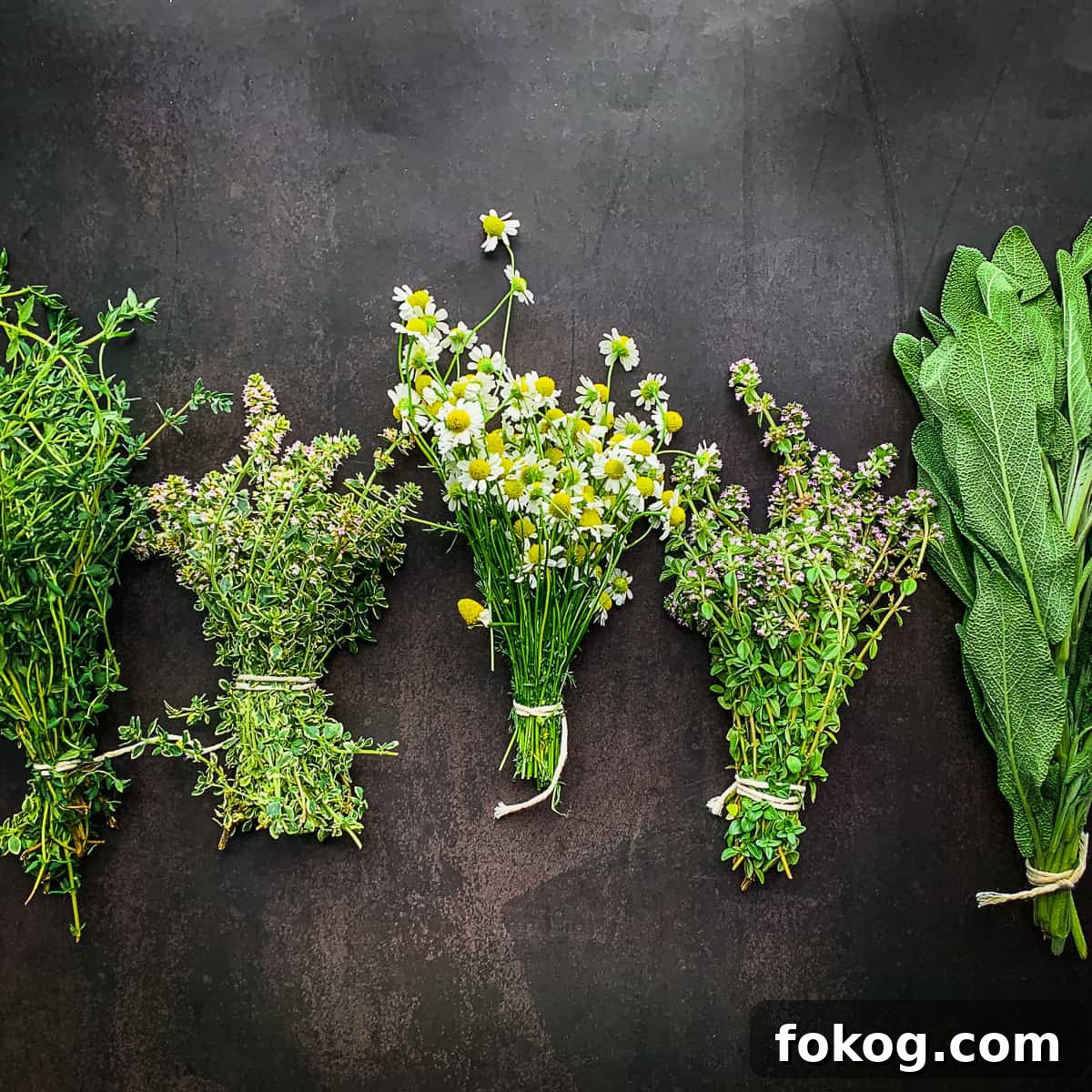
Your garden is overflowing with fresh herbs and you want to preserve their flavor and color for months to come. Here’s a practical guide to drying and storing garden herbs so they stay vibrant and useful well into the winter.
This article focuses on drying herbs, though there are other preservation options such as compound butters, freezing, and infused oils. For a broader look at preservation methods, see the author’s book Seed to Table.
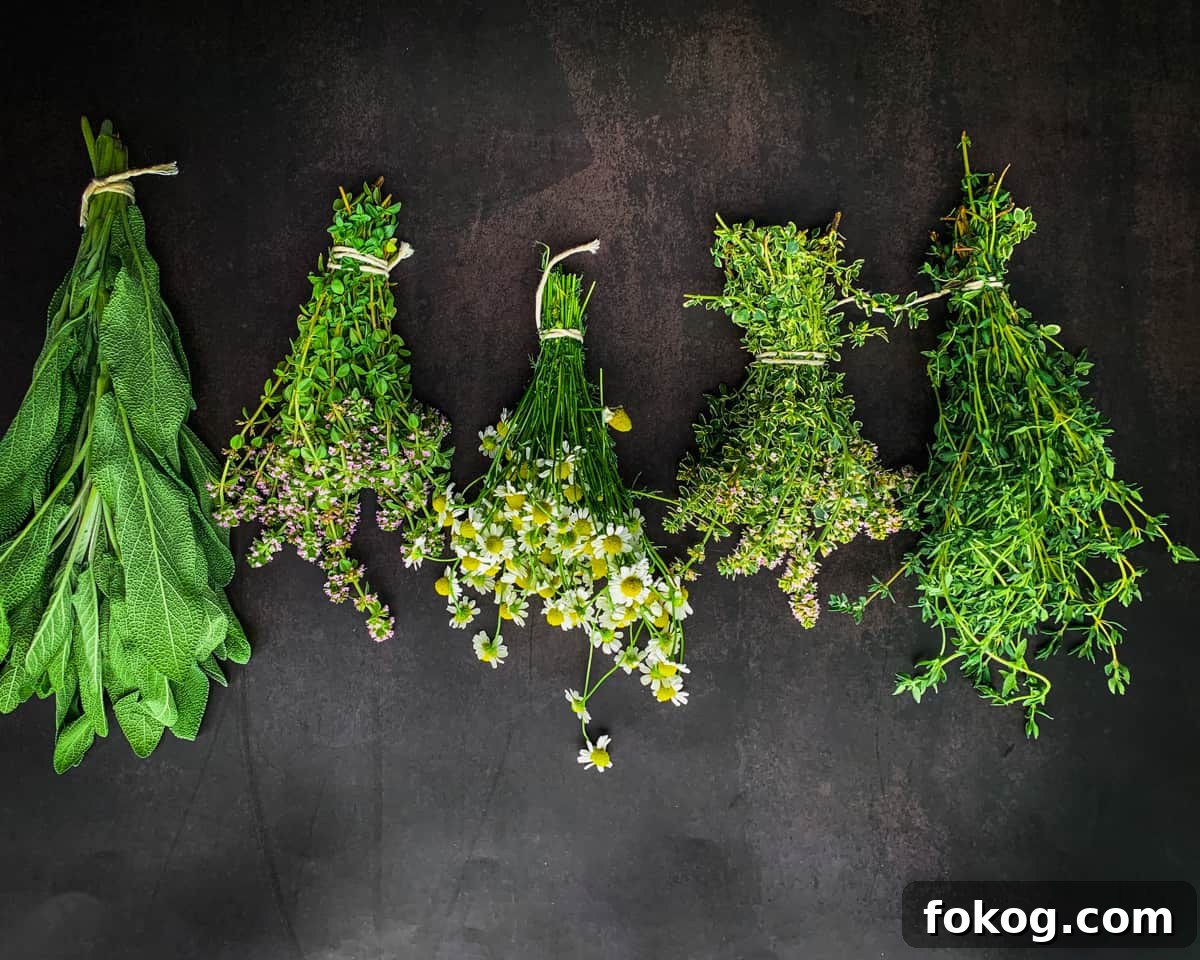
If you’re just starting to grow culinary herbs at home, consider beginning with easy varieties recommended for home growing.
Should you wash your herbs before drying?
Washing herbs before drying is a personal choice. Some people avoid washing to reduce added moisture that could cause spoilage, while others wash to remove soil and debris. I wash herbs that I’ll cook with—examples include sage, rosemary and thyme. After rinsing, spin them dry in a salad spinner and lay them on a clean towel for an hour or two before drying.
Herbs and flowers destined for cosmetic, decorative, or non-culinary uses—such as calendula and lavender—are usually left unwashed. Ultimately, choose the approach that fits your intended use and conditions.
Method 1: Hanging Herbs to Dry
Hanging herbs to dry is a traditional, reliable method and one of my favorites for woody herbs and flowers like chamomile. Gather stems into small bundles and tie them tightly with garden or butcher’s twine, leaving about 12 inches (30 cm) of extra twine for hanging.
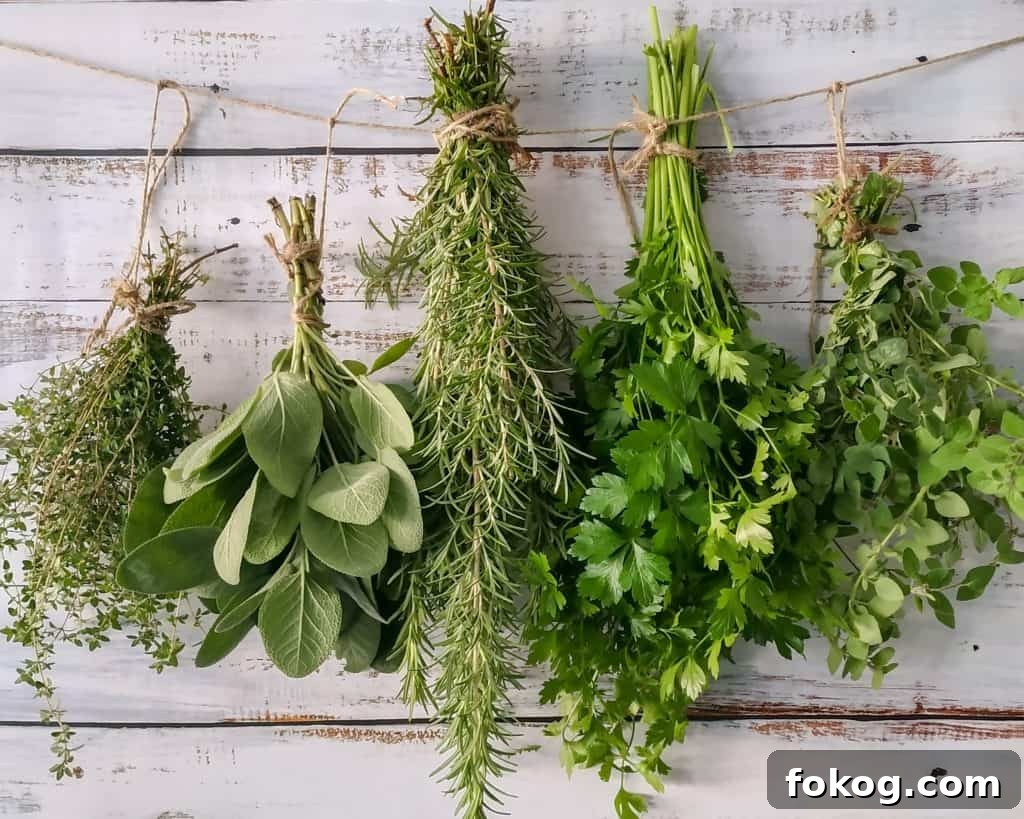
Hang the bundles in a well-ventilated, dry area such as the kitchen, pantry, or a home office. This slow dehydration preserves color and aroma better than quick, high-heat methods and results in less shrinkage. This approach also works well for seed-saving flowers and thin-skinned chili peppers; thick-skinned peppers typically do better in a dehydrator or oven.
Method 2: Drying Herbs on a Screen
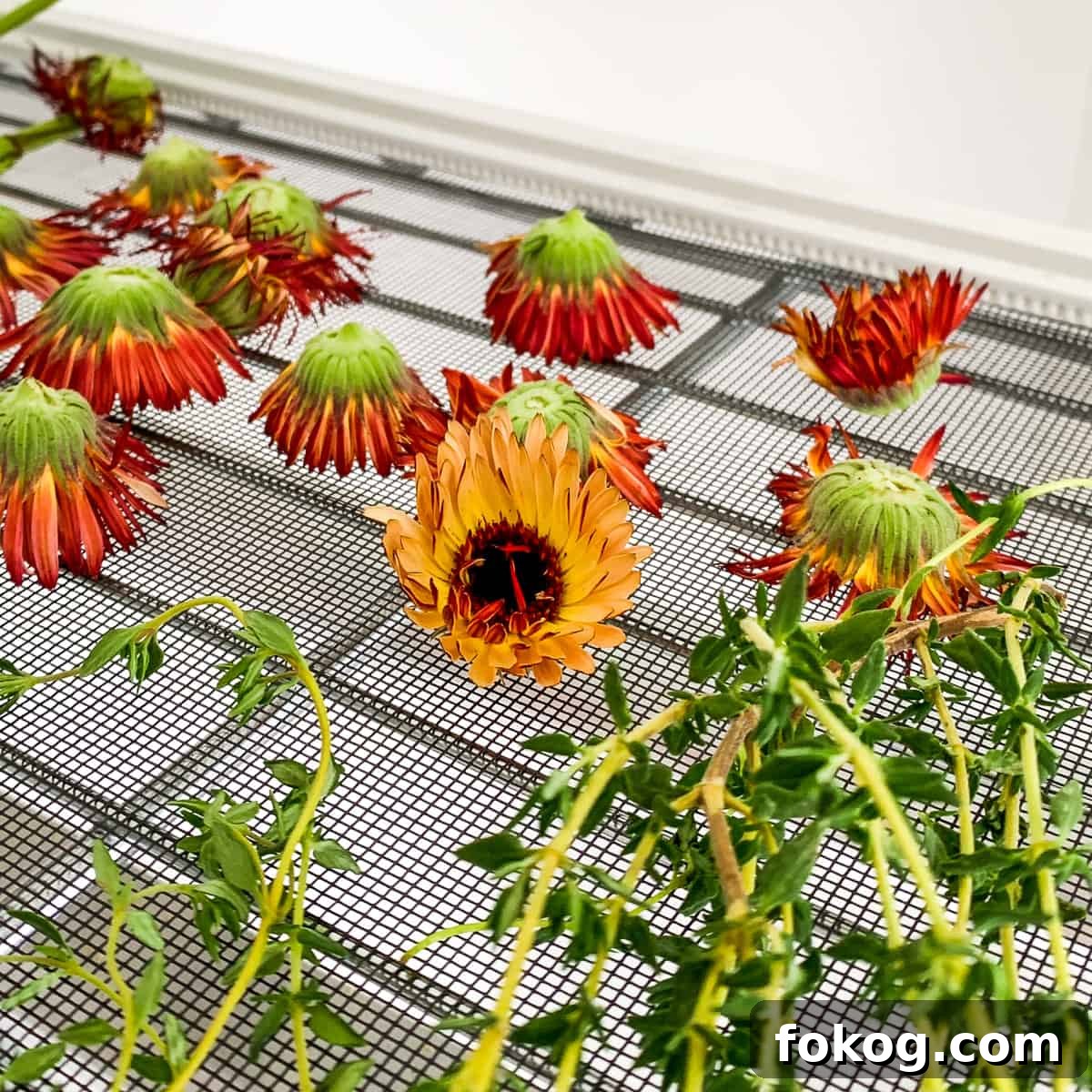
Drying herbs on a screen provides excellent airflow and reduces the risk of mold. Window screen material works well because it allows air to circulate around the leaves. Moisture is the enemy when drying, so choose a warm, dry, and bright room.
You can build a simple frame with window screen material or reuse a removable window screen from your home. Placing the screen on a high shelf—such as a seed-starting rack—keeps the herbs out of dust and soil and makes good use of vertical space.
Method 3: Using a Dehydrator to Dry your herb harvest
A food dehydrator is an excellent tool for anyone who preserves regularly. Dehydrators offer adjustable temperature and time settings, which makes it easier to dry tender herbs like basil and parsley at lower temperatures while using higher settings for woodier herbs like rosemary and sage. Follow your dehydrator’s manual for specific guidance.
Dehydrators can handle large batches and produce consistent results, making them a worthwhile investment if you have the space and budget.
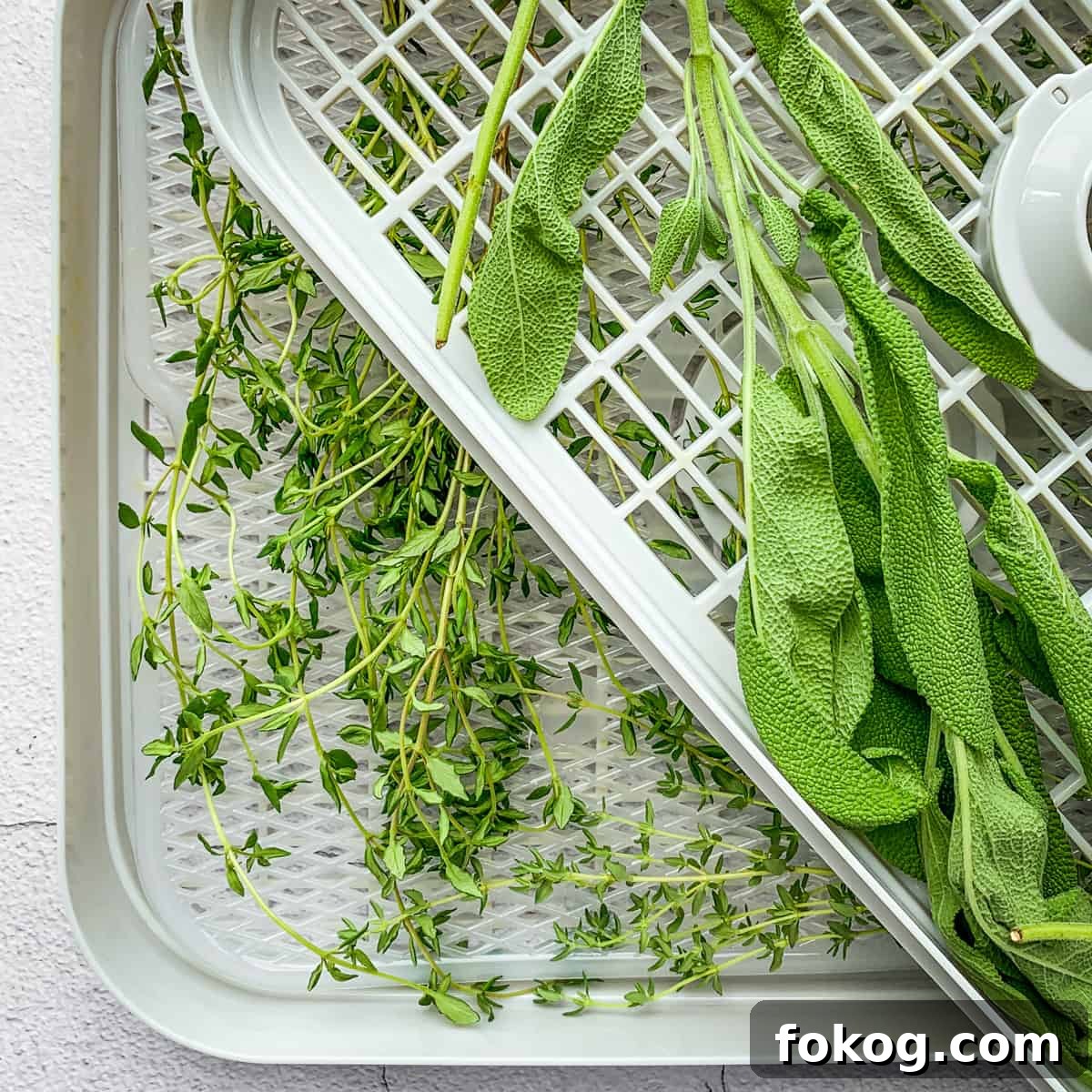
Method 4: Using an Oven to Dry Herbs
Drying herbs in an oven can work but is less predictable. If your oven can’t be set between about 150–175°F (65–80°C), you risk cooking and browning the herbs. If your oven reaches low temperatures, spread cleaned herbs in a single layer on a parchment-lined baking sheet and set the oven to its lowest setting.
Check herbs frequently, rotate or flip them for even drying, and consider propping the oven door open slightly to prevent overheating. Because it requires close attention and gives inconsistent results, the oven is my least preferred method—unless a dehydrator isn’t available.
Method 5: Using a Microwave to Dry Herbs
The microwave is a quick emergency option. Lay a single layer of herbs on a paper towel and microwave for 30 seconds on high. Toss the herbs and heat in 15-second increments, stirring each time, until the leaves are crisp. While fast, microwave drying can be uneven and may dull color, so it’s best used only as a last resort.
For the best balance of color and aroma preservation, slow methods such as hanging or using a dehydrator are recommended.
Storing Dried Herbs
Airtight glass mason jars are my preferred storage choice. They’re reusable, practical, and the seal keeps herbs fresher longer. Make sure herbs are completely dry before sealing them in jars to prevent spoilage.
To remove leaves from stems, gently pull the dried leaves over a sheet of parchment paper and funnel them into your container. Parchment is reusable and helps keep the process tidy. Other suitable containers include deli containers, reusable zip bags, and Tupperware, though mason jars remain top recommendation.
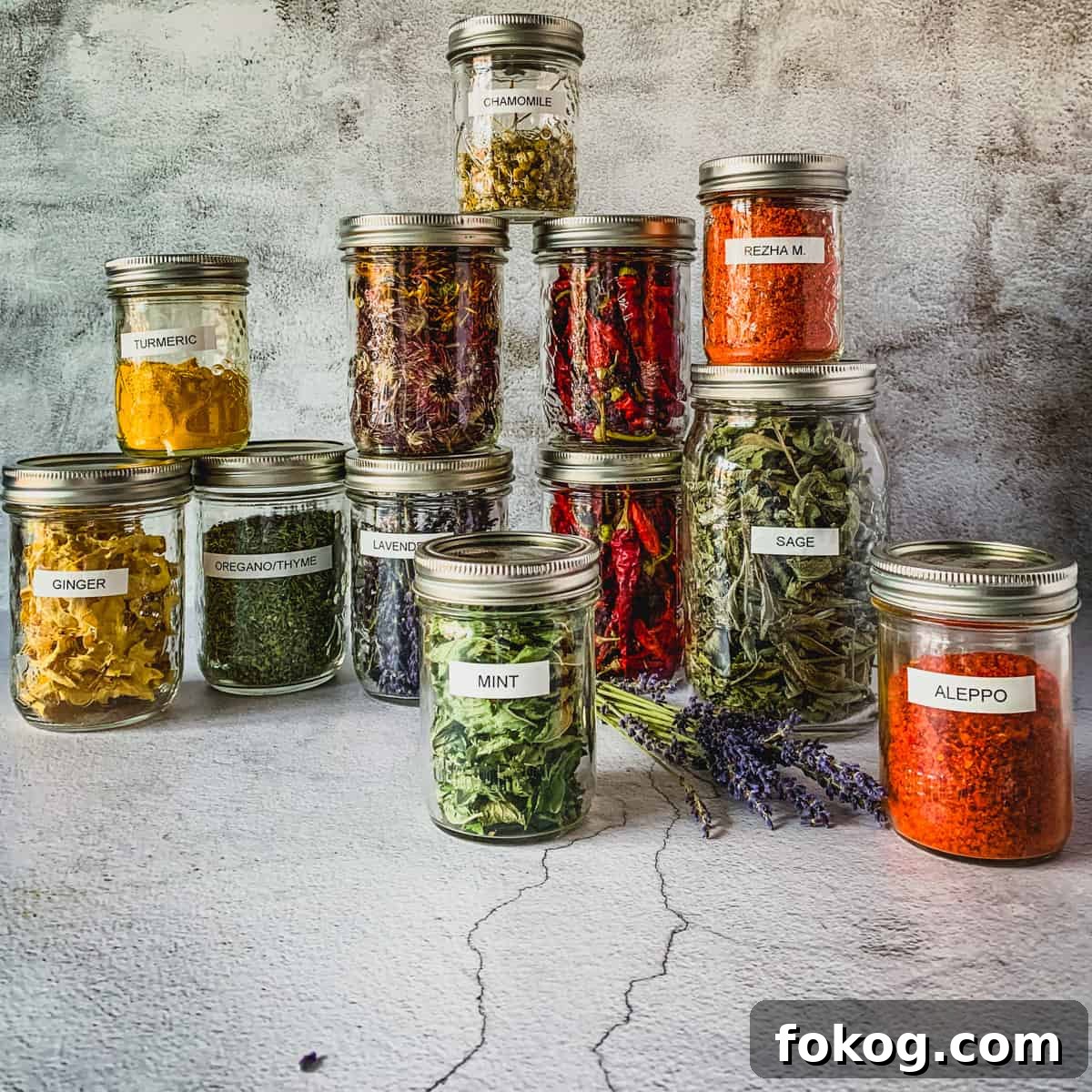
Using Dried Herbs
Once dried and stored, herbs can be used in many recipes. They are excellent in spice blends, marinades, sauces, breads and condiments. Here are a few recipe ideas to try with your dried herbs:
Recipes
Hummus with blistered tomatoes and Za’atar spice
Condiments
Delicious and Authentic Hand Chopped Chimichurri Sauce
Levantine Recipes
Authentic Shish Tawook (Grilled Chicken Skewers)
Appetizers
Star Bread with Cheese and Herbs
If you have questions or want to share tips, leave a comment below to help others who are learning. For more content and updates, follow the original site’s social channels or subscribe for new posts via email.